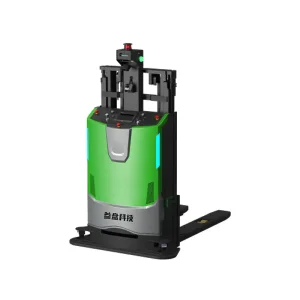
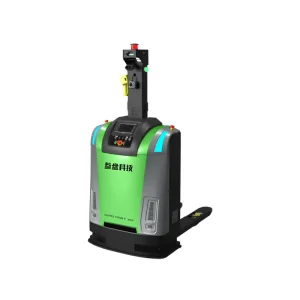
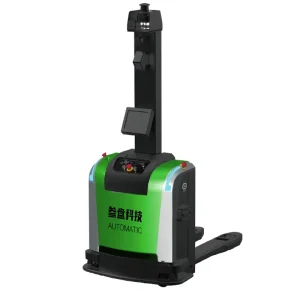
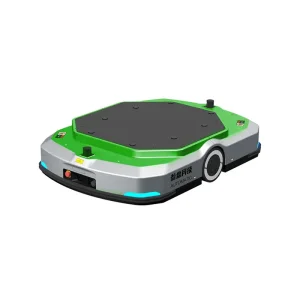
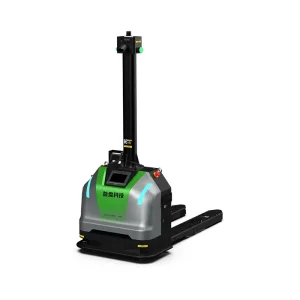
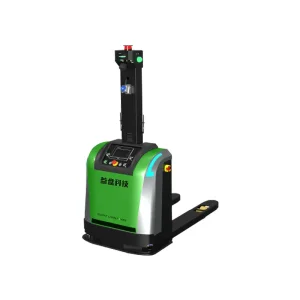
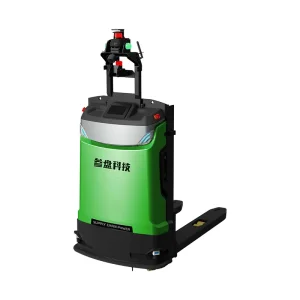
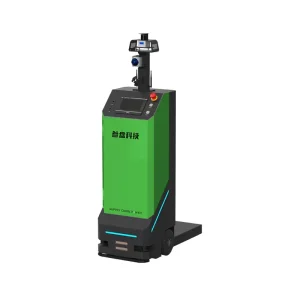
Explore our elite range of autonomous guided vehicles designed for high-density logistics and precision material handling.
The global logistics landscape is undergoing a massive shift towards fully autonomous ecosystems. Laser guided navigation—particularly driven by advanced 2D/3D LiDAR and SLAM (Simultaneous Localization and Mapping) methodologies—has evolved from a luxury warehouse application into an essential operational standard. High-speed manufacturing hubs, food distribution cold chains, and multi-tier pharmaceutical warehouses rely heavily on autonomous guided vehicles (AGVs) and autonomous mobile robots (AMRs) to navigate dynamic spaces with millimeter precision.
Unlike traditional magnetic tape or fixed beacon navigation, modern laser guided systems operate on infrastructure-free frameworks. This allows companies to reconfigure warehouse layouts instantly via fleet management software. China has emerged as the global epicenter for this technology, hosting advanced R&D corridors and raw vertical supply chains that allow manufacturers to produce industrial-grade sensors, robust chassis platforms, and software integration layers at highly competitive scales.
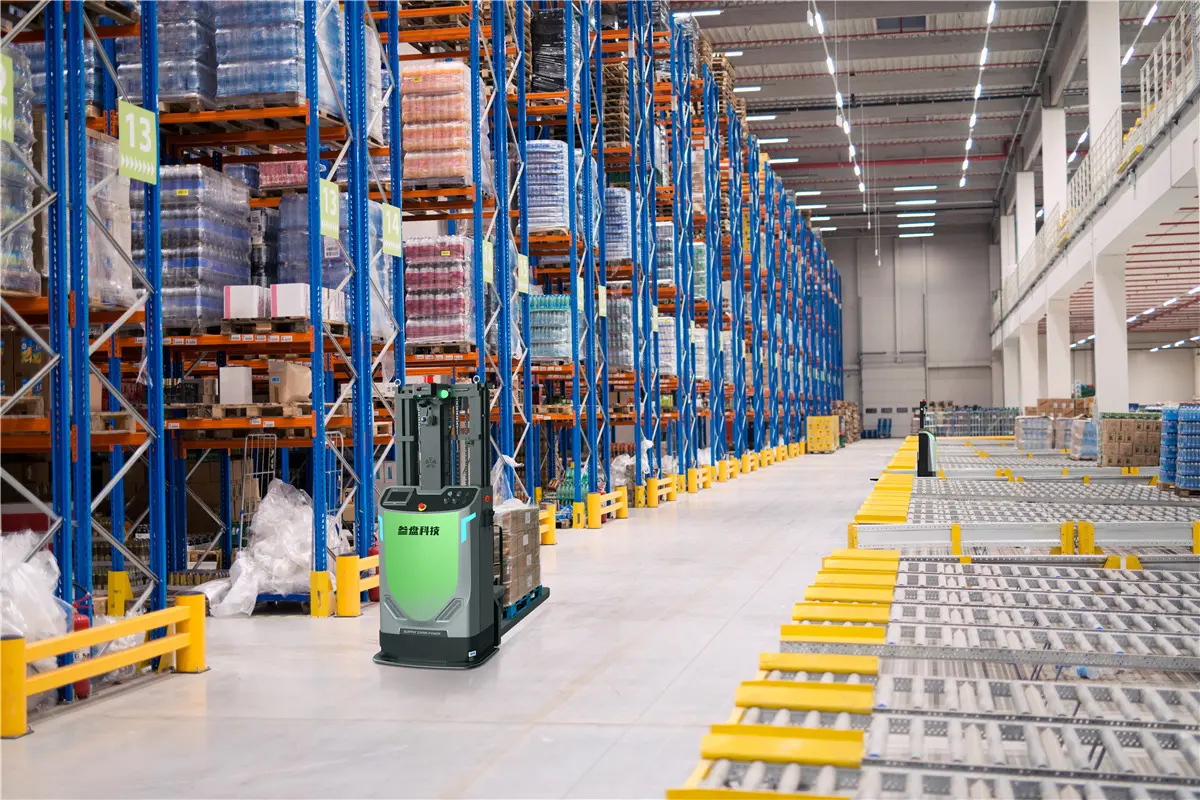
An engineering deep dive into the navigation systems that drive modern smart forklift technologies.
Utilizes strategically positioned retroreflective targets or cylinders in the warehouse. The laser scanner calculates exact coordinates by measuring distances and angles. Ideal for high-speed routes requiring extreme millimeter-level repeatability, though vulnerable to reflector obstruction.
Builds a dynamic layout of the space using existing structural components (pillars, walls, structural racks). Ideal for changing environments, requiring zero physical alterations to the building layout. Highly dynamic, optimizing path generation on the fly.
Combines reflector target accuracy with natural SLAM safety envelopes. Perfect for operations transitioning from open staging areas (natural navigation) to narrow-aisle racking bays where precise stack tolerances demand reflector guidance.
Taking the actual business needs as the cornerstone, SCP is committed to comprehensively innovating and enhancing the overall supply chain planning of enterprises. We provide enterprises with comprehensive end-to-end supply chain solutions, build a multi-role and multi-dimensional intelligent supply chain collaboration system, and achieve all-round efficient collaboration and process optimization.
At present, SCP has established a product architecture supported by software and hardware, and supplemented by the top-level design of the supply chain control tower to create an agile, flexible and efficient end-to-end supply chain system for enterprises. This physical-digital hybrid methodology ensures that autonomous vehicles work seamlessly in tandem with ERP, WMS, and WCS environments.
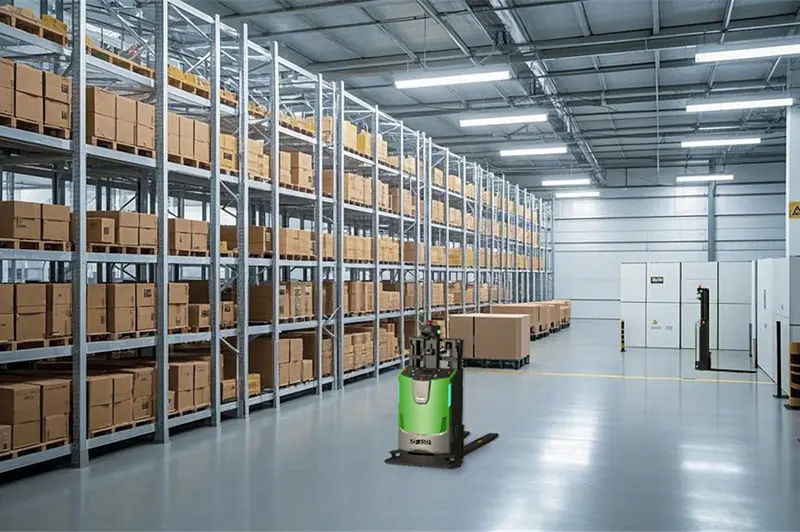
Cultivating advanced digital technologies that drive value from agricultural farms to retail shelves.
Benefiting farmers and bringing welfare to consumers through streamlined logistics, reduced structural waste, and tech-driven cost optimization.
Leading the technological upgrade of the supply chain and achieving extraordinary value for industrial transformers worldwide.
An elite, collaborative Alliance of Developers focused on New Quality Supply Chain Technologies and intelligent robotics.
Why global organizations trust SCP's integrated hardware, software, and consulting ecosystem.
As a subsidiary of New Hope Group, we maintain an outstanding market reputation and execution framework across multiple consumer sectors.
Incubated specifically to address physical digital bottlenecks, our teams have extensive experience with highly complex industrial workflows.
We possess deep, internal R&D capabilities across raw material procurement, warehouse operations, logistics dispatch, and demand forecasting.
We go beyond shipping hardware. We analyze current warehousing constraints to build optimized digital roadmaps for long-term growth.
Our dedicated support and field engineers ensure fast, zero-downtime integration and commissioning for local and global installations.
Balancing performance scaling with ecological accountability and lean operations.
In terms of technology research and development, SCP continues to increase its investment and constantly optimize the product architecture supported by software and hardware and the top-level design of the supply chain control tower.
By strengthening the self-development and integration capabilities of various systems in procurement, sales, and supply, we continuously improve the technical level and competitiveness of our products and services. We build a solid foundation for the sustainable development of enterprises and the industry with leading technologies.
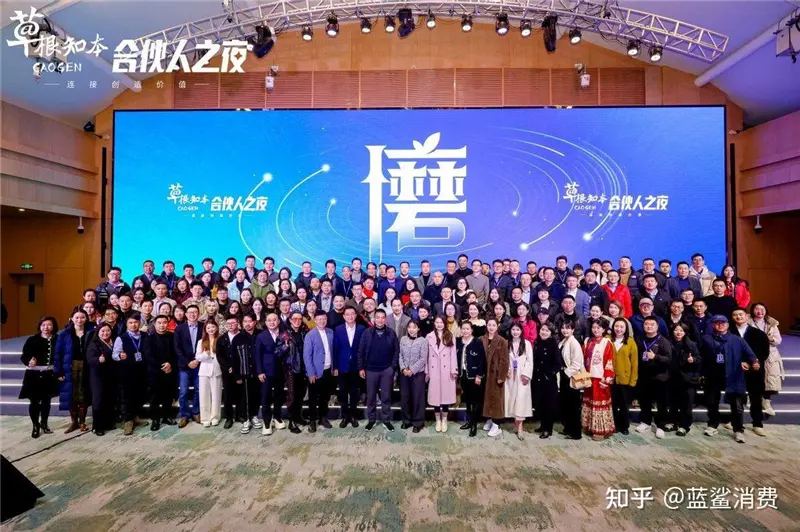
In terms of ecological construction, relying on the rich industrial resources and extensive business layout of Caogenziben, SCP deeply explores the supply chain needs of multiple industries such as food consumption and creates solutions that are suitable for actual scenarios.
By empowering key links such as cold chain logistics, we promote the standardized management and efficiency improvement of the supply chain and facilitate the collaborative development of the entire industrial chain. In addition, we actively carry out in-depth cooperation with overseas partners, absorb international advanced experience and technologies, expand the international market, enhance the global influence of the enterprise, and build a supply chain technology ecosystem with international competitiveness.
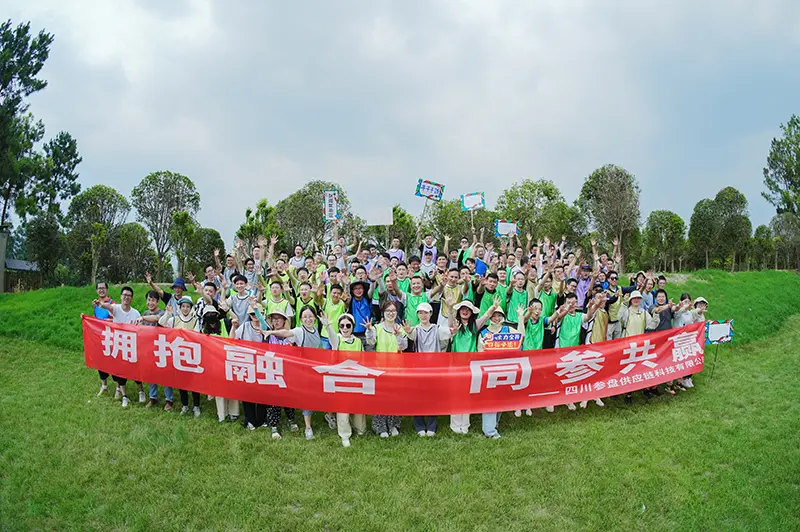
SCP focuses on providing comprehensive solutions for the food supply chain, as well as research and development of intelligent software and hardware products and services. The company aims to be based on the Internet of Things AI, the comprehensive application of machine learning, intelligent devices and other technologies.
Through automated, digitized, intelligent and systematic technology products and solution matrices, we enhance the overall operational efficiency of supply chain procurement, supply, and sales, and help upgrade the value of upstream and downstream industries. Our smart forklifts, equipped with LiDAR systems, sync directly with localized control software to streamline dispatch patterns and prevent spatial bottlenecks.
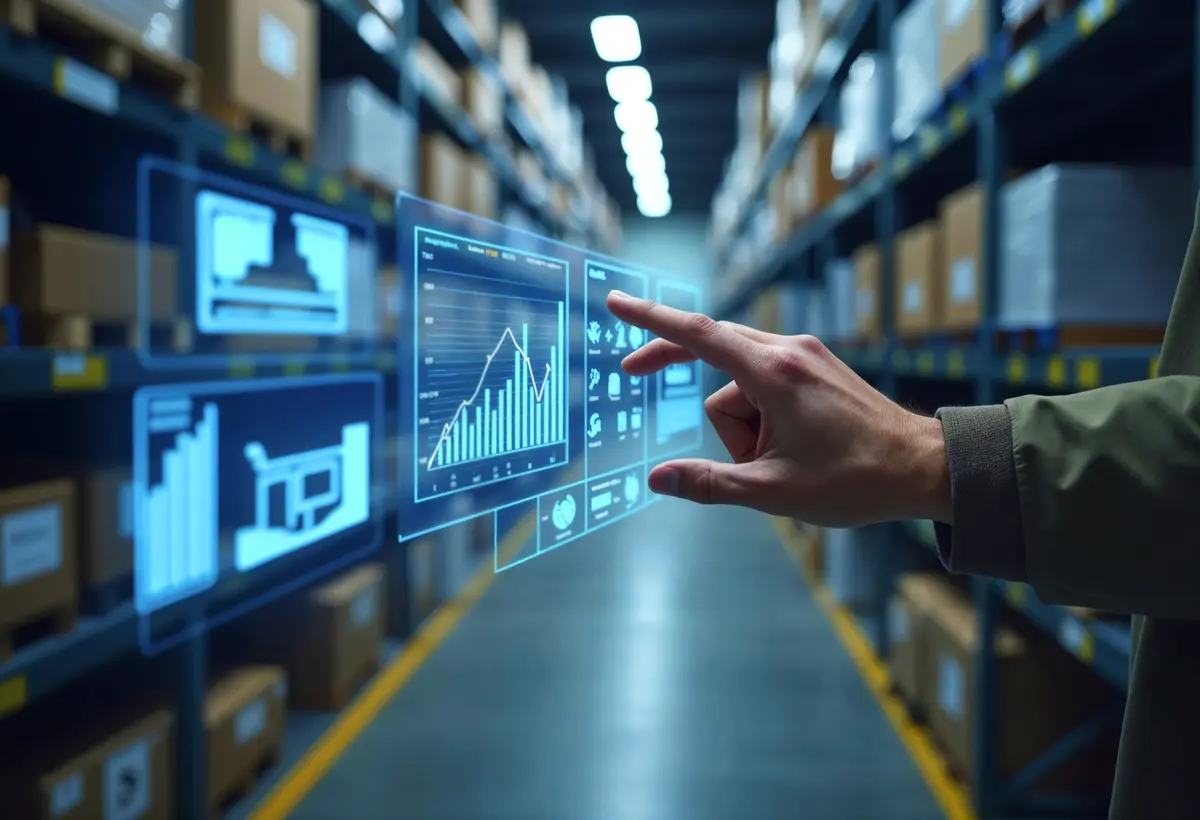
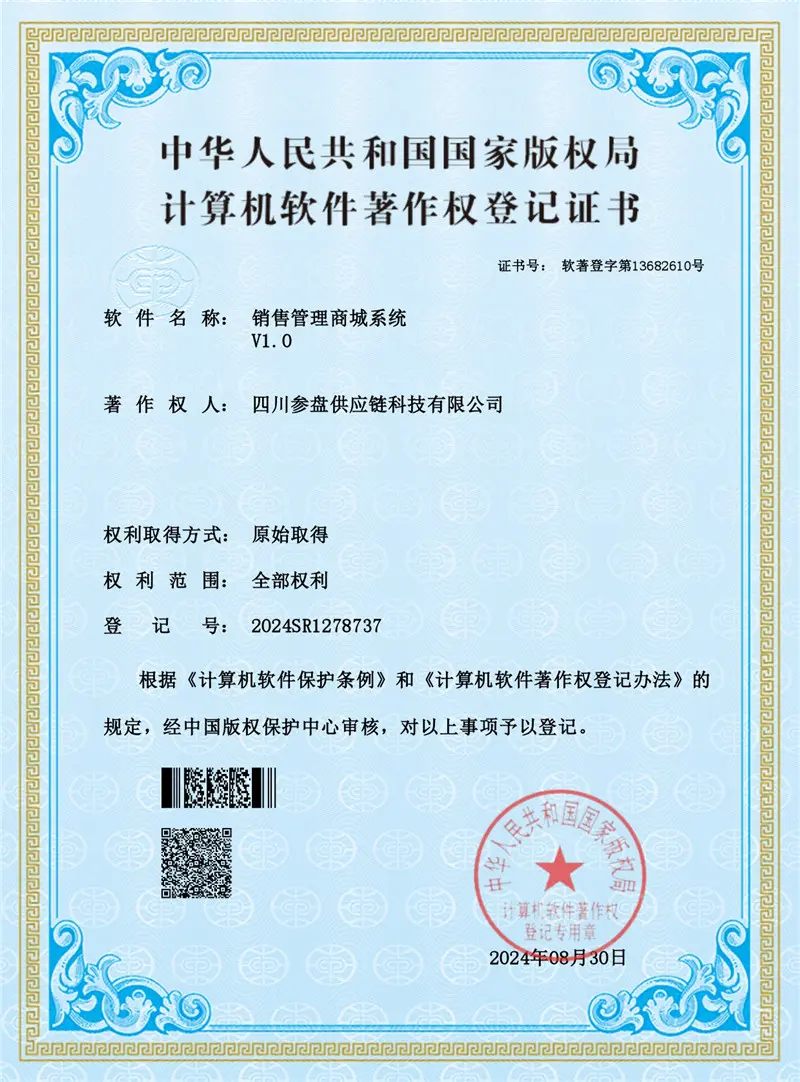
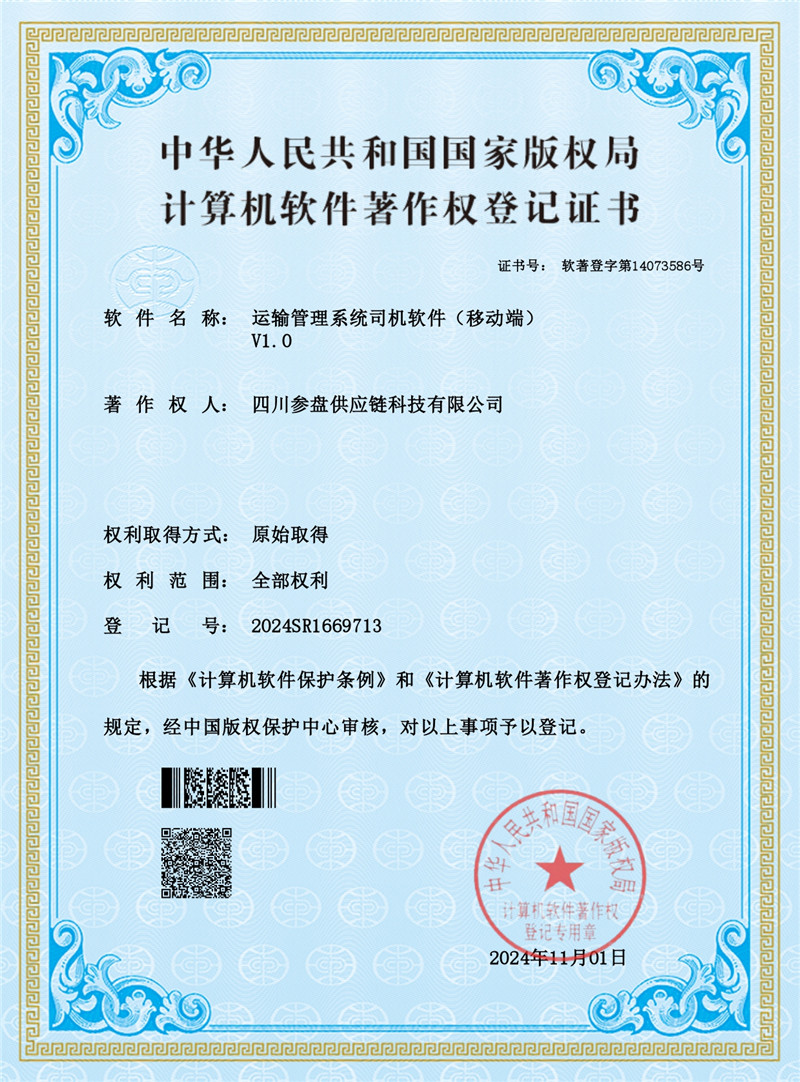
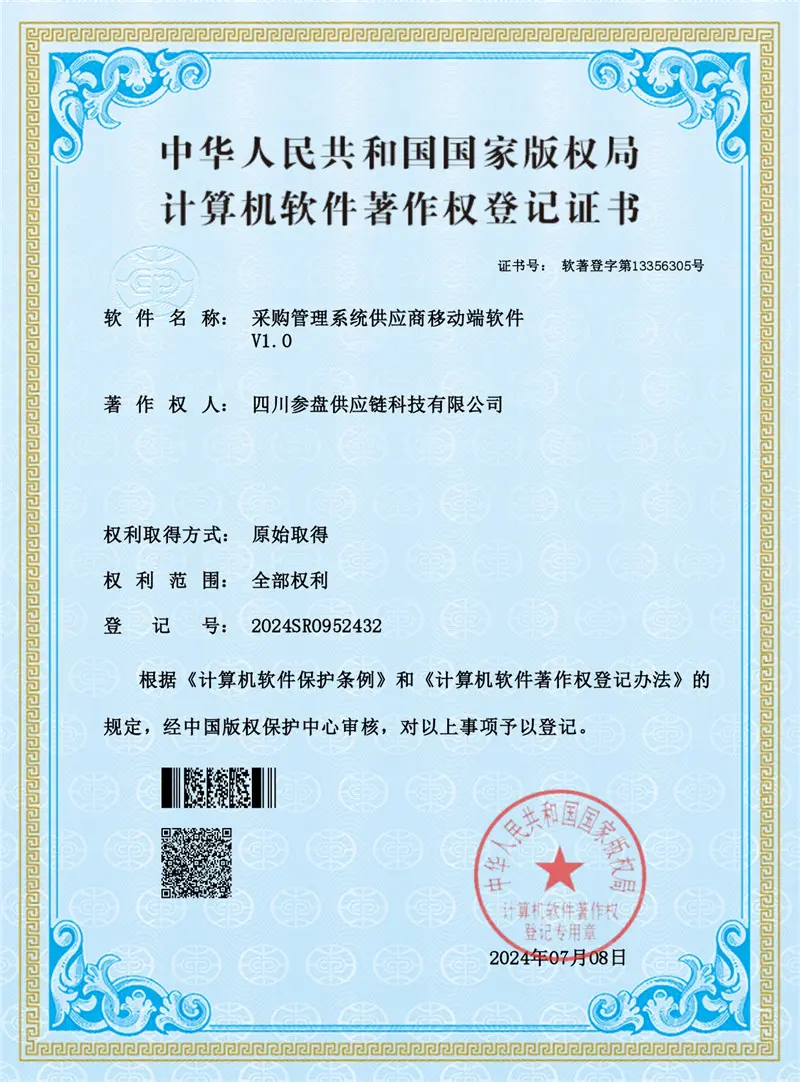
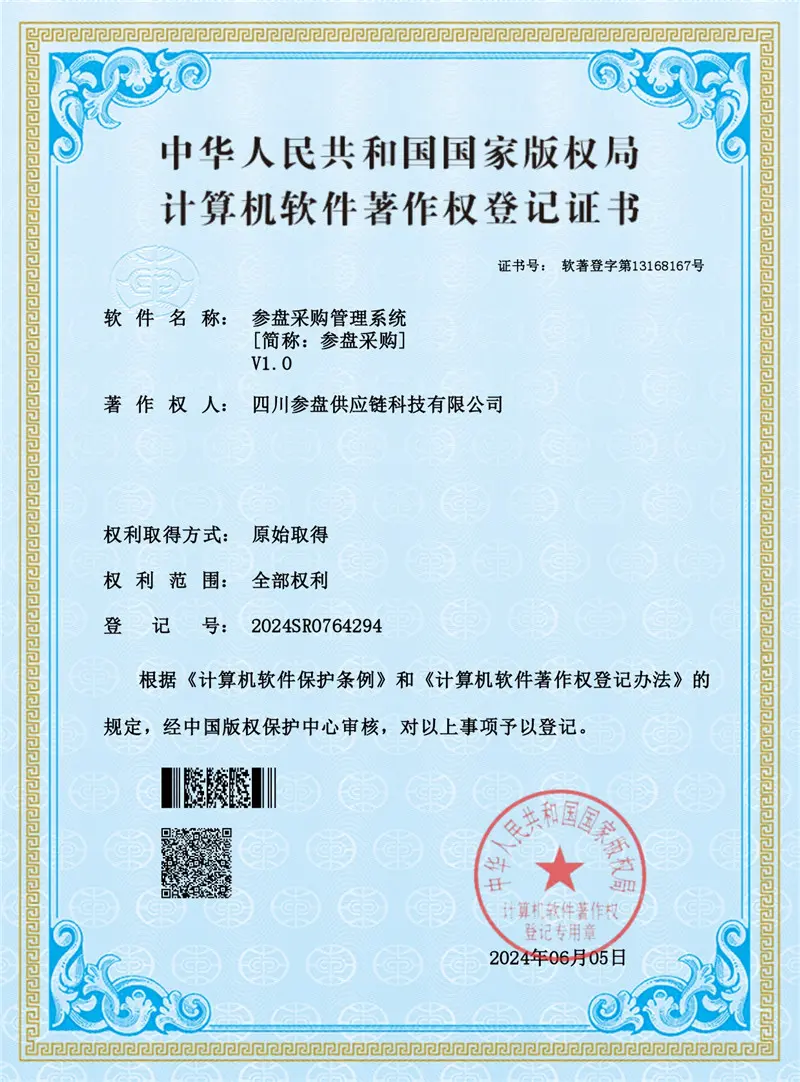
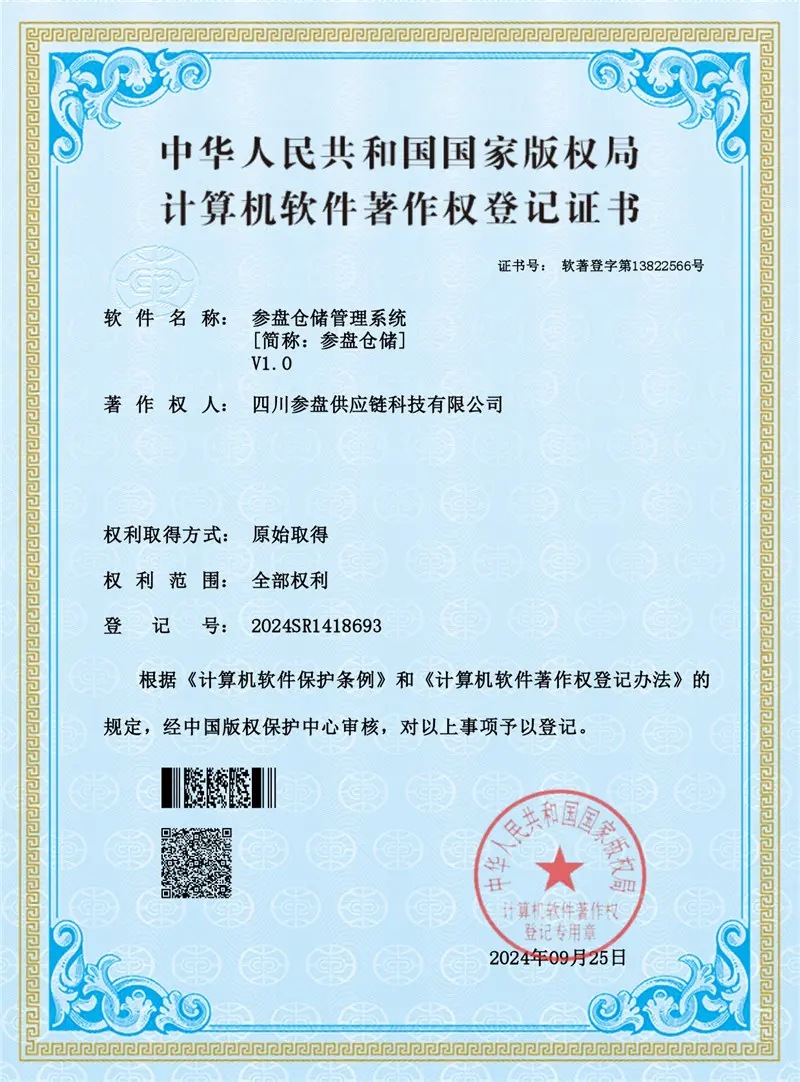
Every machine, chassis, and software product conforms to global standards of safety, quality, and structural integrity.
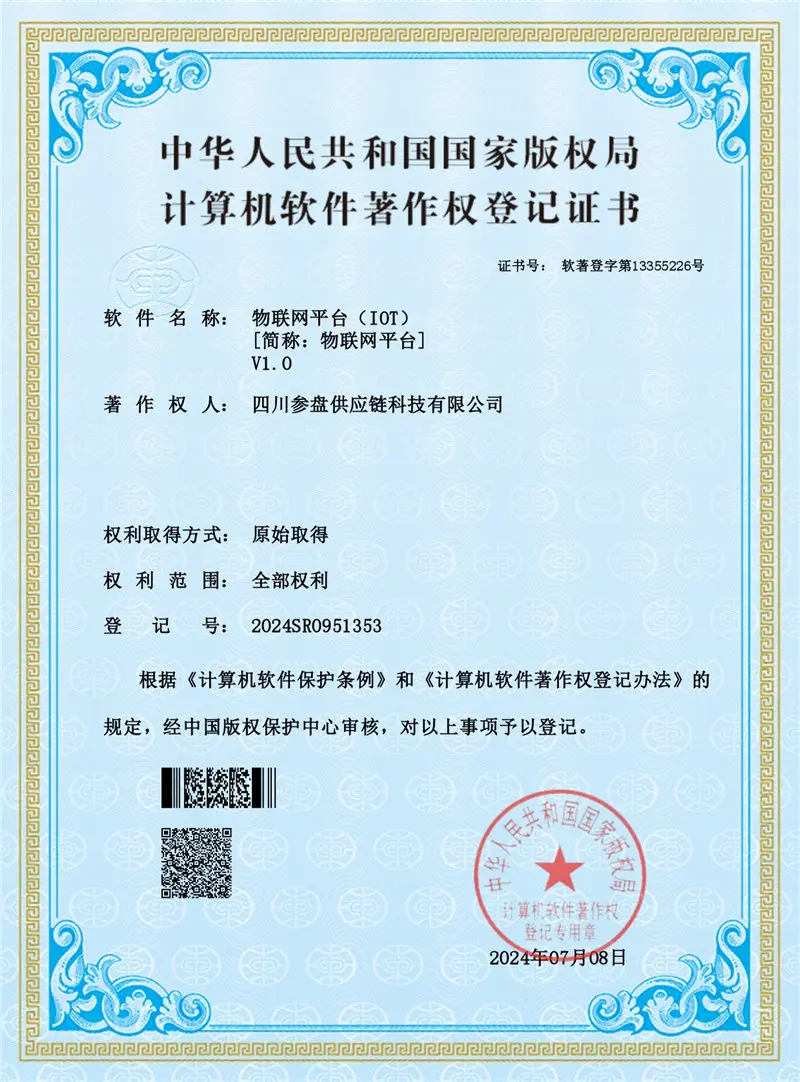
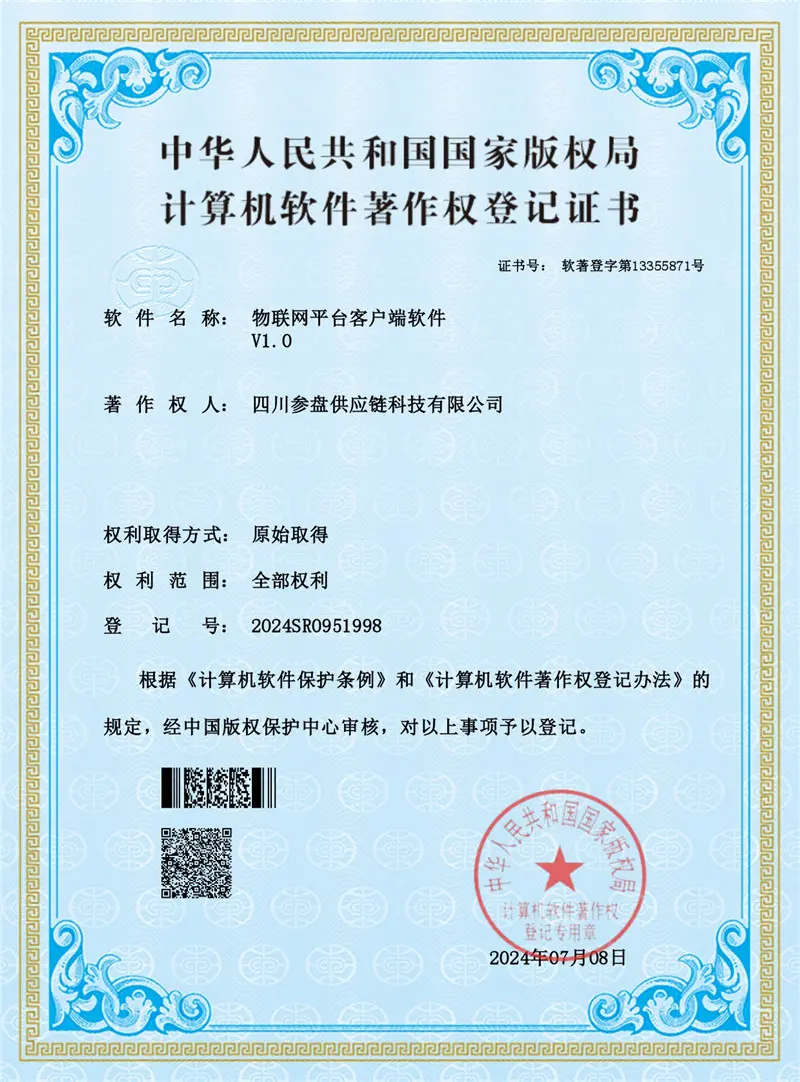
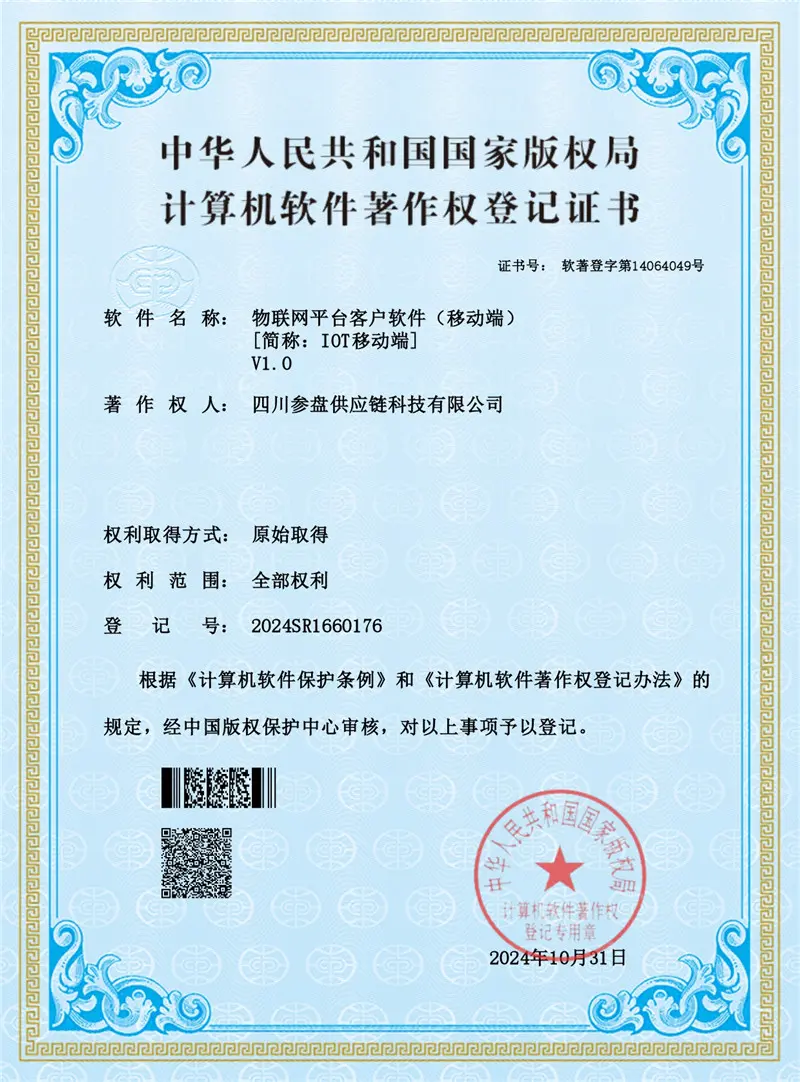
Technical answers regarding implementation, calibration, operation, and return on investment.
Explore our customizable configurations, heavy payload platforms, and dynamic laser navigation assets.
 SCP
SCP