 SCP
SCP
1 / 3
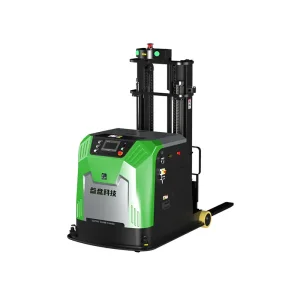
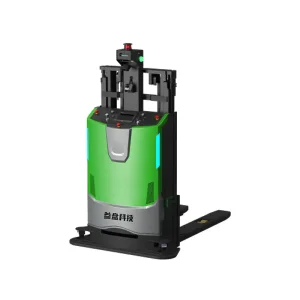
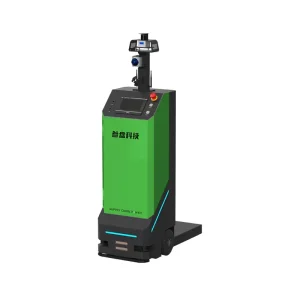
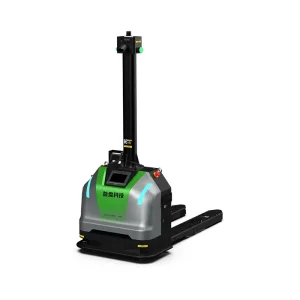
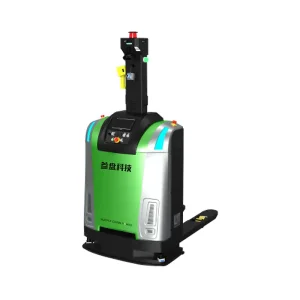
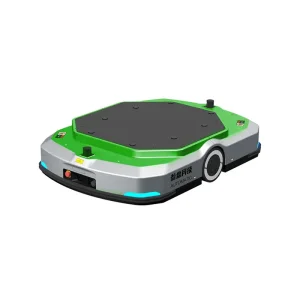
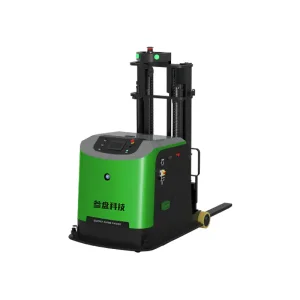
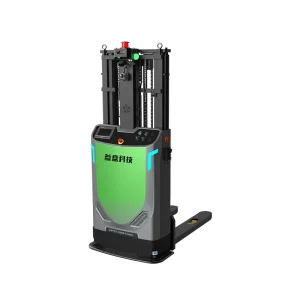
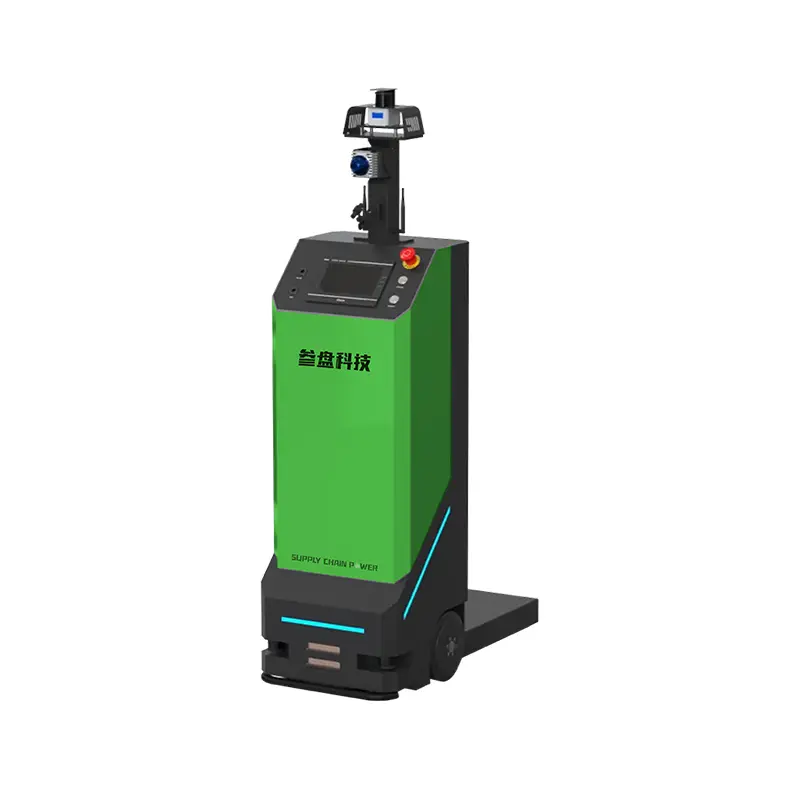
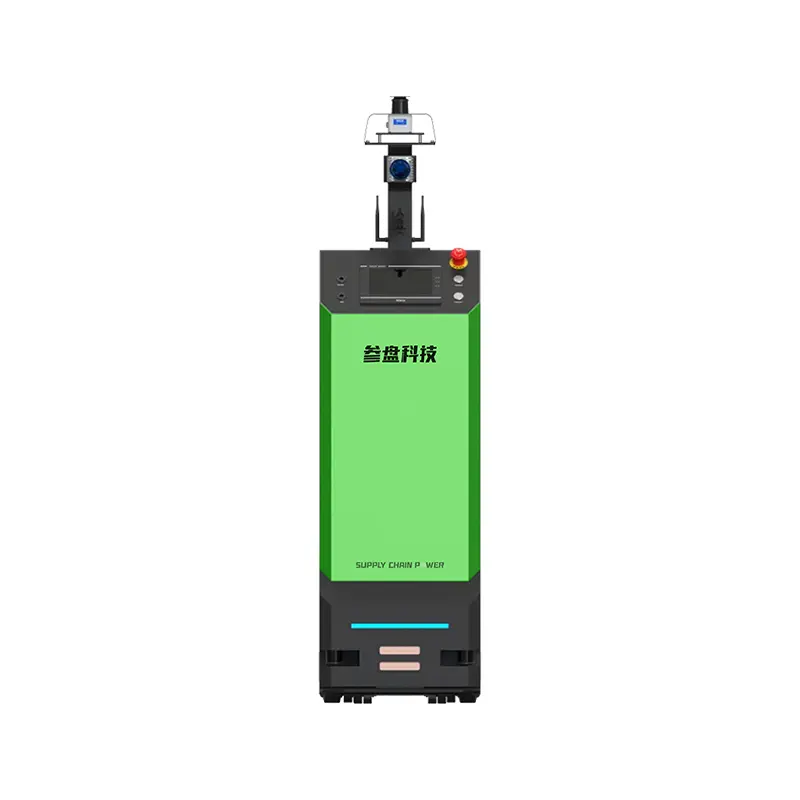
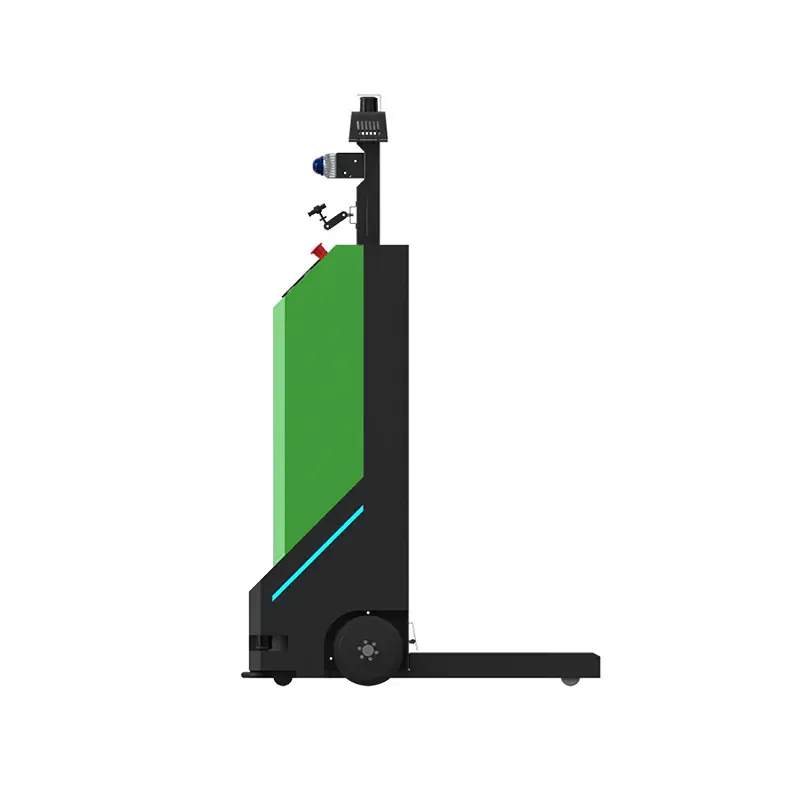
The vehicle width is only 400 mm, the minimum pass width is 600 mm, and the rotation radius is 600 mm, perfectly adapting to narrow passages; the ground clearance of the vehicle chassis is only 20 mm, making it easy to pass through elevators and other scenes.
It supports four navigation methods: SLAM, QR code, reflector, and NFL, covering the navigation needs of various scenarios, such as secondary positioning, high dynamic environment, and no transformation environment; ±10 mm high precision, accurate and in place.
It is equipped with a pallet recognition camera, which supports real-time identification of vehicles. The casters of the on-site turtle car can also achieve stable and efficient pick-up and delivery without fixed slots.
Modular model design and assembly, the height, color and logo of forks and robots can be customized as needed, flexibly adapting to various application scenarios and business needs.
Built-in navigation laser, obstacle avoidance laser, 3D camera, safety touch and photoelectric sensor and other safety equipment, comprehensively guaranteeing actual operation and providing 360° safety protection.
In the constrained spaces of warehouse logistics, the SFL-300L emerges as the ultimate narrow-aisle performer. With an ultra-compact 400 mm body width and requiring only 600 mm clearance for operation, including a 600 mm rotation radius, it navigates the tightest passages effortlessly. The 20 mm chassis clearance enables seamless elevator transitions and multi-floor operations, delivering true omni-scenario adaptability.
Equipped with AI-powered pallet recognition cameras that enable real-time load carrier identification. Even with challenging scenarios like unsecured turtle cart casters, it maintains stable pickup/deposit operations, delivering ±2mm fork positioning precision for exceptional throughput accuracy.
Common questions about the SFL-300L narrow-aisle AMR and its capabilities.
Q What is the minimum aisle width required for the SFL-300L to operate safely?
The SFL-300L requires a minimum passage width of just 600 mm to operate. With its 400 mm body width and 600 mm rotation radius, it is specifically engineered for ultra-narrow aisle environments such as warehouses, factories, and logistics centers where space is at a premium.
Q Which navigation technologies does the SFL-300L support?
The SFL-300L supports four navigation methods: SLAM (Simultaneous Localization and Mapping), QR Code navigation, Reflector Marker navigation, and Natural Feature Navigation (NFN). This allows it to adapt to a wide range of environments, including those that require no infrastructure modification, high-dynamic workspaces, and facilities requiring secondary precision positioning.
Q Can the SFL-300L operate in multi-floor facilities and use elevators?
Yes. The SFL-300L features a chassis ground clearance of only 20 mm, enabling seamless transitions into and out of elevators. This makes it fully capable of multi-floor operations, ensuring consistent performance across all levels of a facility without the need for ramps or special lift infrastructure.
Q How precise is the SFL-300L's fork positioning and pallet handling?
The SFL-300L achieves ±2 mm fork positioning precision, supported by AI-powered pallet recognition cameras that provide real-time load carrier identification. Even in challenging scenarios such as unsecured turtle cart casters without fixed slots, the robot maintains stable and accurate pickup and deposit operations.
Q What customization options are available for the SFL-300L?
The SFL-300L features a modular design philosophy that allows extensive customization. Operators can configure adjustable fork heights ranging from 500 mm to 1600 mm, apply brand-specific color schemes, and add customized ID markings. This "one-vehicle-multi-application" approach ensures the robot adapts to diverse operational and branding requirements.
Q What safety systems are integrated into the SFL-300L?
The SFL-300L is equipped with a comprehensive multi-layered safety ecosystem, including Navigation LiDAR, 360° Safety LiDAR, a 3D Vision Camera, Certified Bumper Edges, and Photoelectric Sensors. These systems work together to provide all-around obstacle detection and collision avoidance, ensuring fail-safe operations throughout your entire facility.