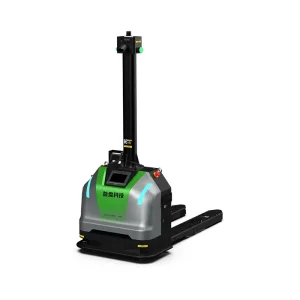
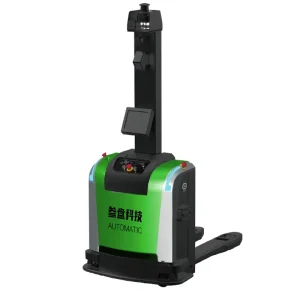
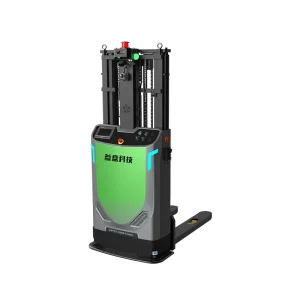
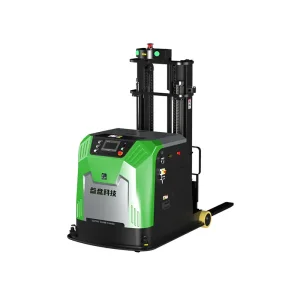
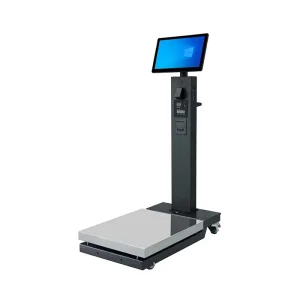
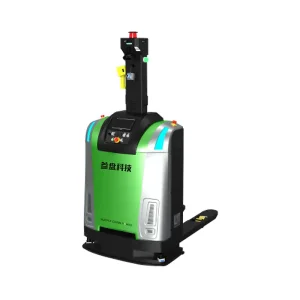
Leading automated robotic solutions tailored for advanced material handling and autonomous navigation in Tokyo distribution networks.
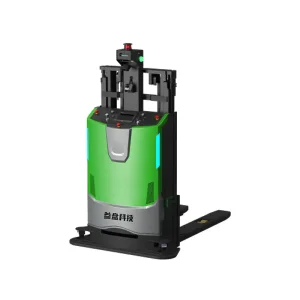
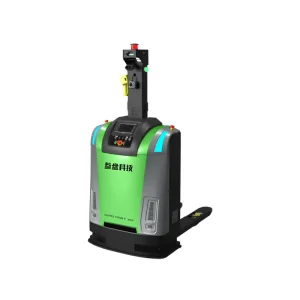
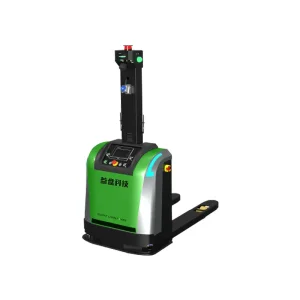
Taking localized industrial needs as our cornerstone, SCP is committed to comprehensively innovating and enhancing the global supply chain planning of modern enterprises. We provide end-to-end supply chain integration solutions, building a multi-role, multi-dimensional intelligent collaboration environment that achieves process optimization across multi-tiered facilities. At present, SCP has established a complete, dual-engine architecture comprising cutting-edge hardware (such as low-profile stealth top-lifting robots and SLAM automated guided forklifts) and a top-level software design unified under our intelligent supply chain control tower.
By coupling heavy-duty mechanical engineering with precise Laser SLAM algorithms, we supply Tokyo's manufacturing and logistics facilities with robust systems built to address space limits, labor scarcity, and rigid productivity mandates.
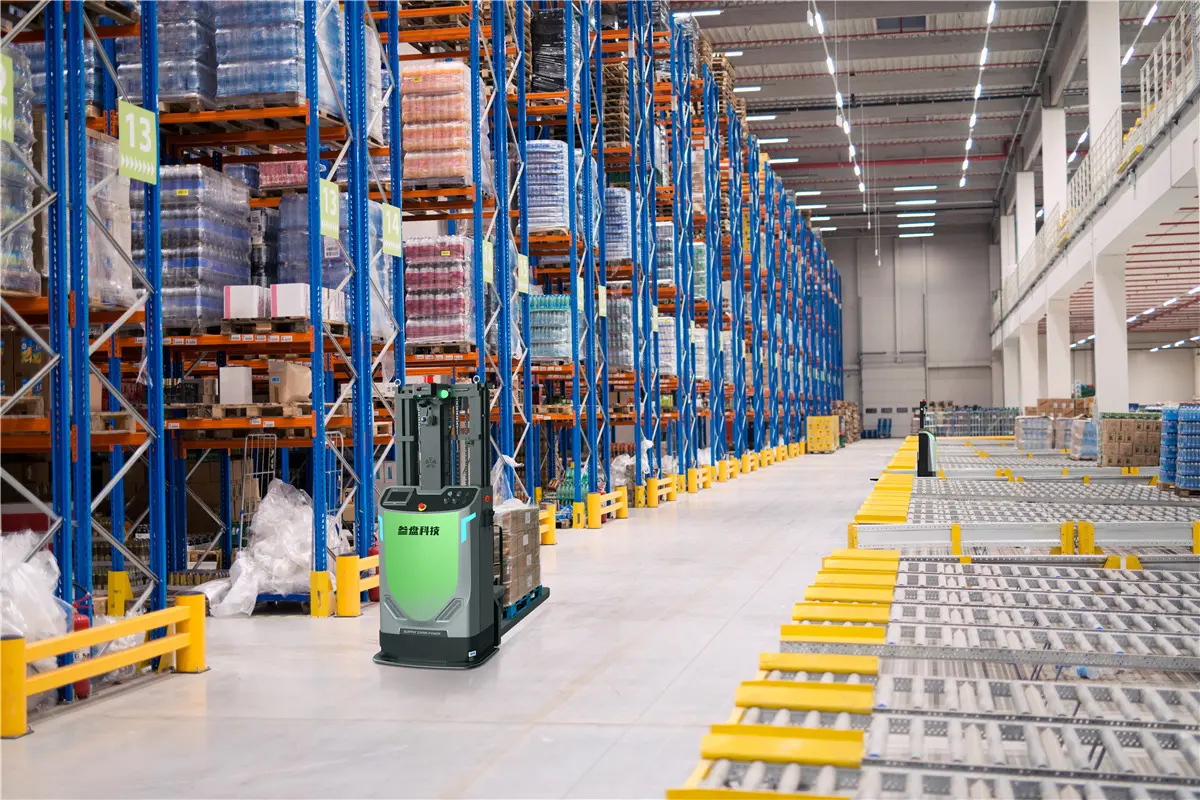
Proven impact parameters achieved across automated logistics networks employing SCP stealth chassis platforms.
The Greater Tokyo metropolitan area hosts one of the dense warehousing concentrations globally, stretching from the coastal container terminals of Tokyo Bay to distribution hubs in Kawagoe, Atsugi, and Yokohama. Industrial operators face unique structural challenges. Real estate acquisition and leasing costs are high, forcing warehousing configurations to maximize vertical space while compressing operational aisles to minimum limits. Traditional, wide-aisle counterbalance forklifts are increasingly unviable in these configurations.
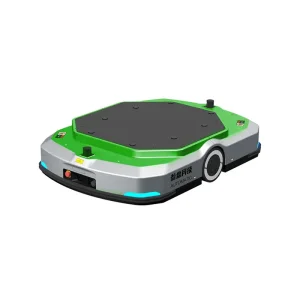
In response to these footprint constraints, the adoption of Stealth Top-Lifting Robots has shifted from an innovative option to a core necessity. A stealth top-lifter is designed with an extremely low-profile vertical height, allowing the machine to navigate beneath standard structural racking, custom-designed mobile shelving units, and pallet supports. By lifting loads from underneath and rotating on its own axis, it eliminates the turning radius clearance required by conventional reach trucks. This spatial transformation allows companies to reduce layout aisle width requirements by up to 40%, translating directly into higher density storage within identical footprints.
Beyond spatial constraints, the Japanese logistics sector is experiencing major changes driven by the "2024 Logistics Issue" (2024年問題), which caps overtime hours for commercial truck drivers. This restriction reduces transport capacities, shifting the operational burden to transit warehouses and distribution hubs to accelerate turn times and eliminate idle loading delays. Stealth robots, integrated with automated loading docks and SLAM-equipped forklifts, offer a direct solution by running continuously, pre-staging loads, and executing internal stock moves during off-peak hours without manual intervention.
Aligning technological innovation with supply chain excellence and sustainable value creation.
Benefiting farmers and bringing welfare to consumers by optimizing upstream raw material supply down to downstream delivery channels.
Leading the technological upgrade of global supply chains and achieving extraordinary value for industry transformers.
An active Alliance of Developers of New Quality Supply Chain Technology, pioneering cross-platform hardware and software.
End-to-end integration and delivery systems that make us the partner of choice for complex warehouse automation projects.
As a subsidiary of New Hope Group, we maintain strong market credibility and execution capability. We possess deep operational insight across food processing, cold chain, manufacturing, and third-party logistics (3PL) verticals.
Incubated to support the digital requirements within the New Hope industrial ecosystem, our systems have been tested in active, large-scale production environments. We design solutions based on actual floor challenges, not theoretical models.
We possess complete in-house development and system integration capabilities for procurement, sales, and inventory management. This allows us to customize software interfaces, API endpoints, and safety profiles to match clients' existing ERP/WMS configurations.
Alongside hardware deployment, we offer process consulting. This includes material flow mapping, warehouse layout optimization, ROI evaluations, and digital control tower design to ensure successful transitions.
Our dedicated execution teams manage every stage of deployment, from local mechanical compliance and site tuning to user training. We ensure fast system commissioning with minimal disruption to ongoing warehouse activities.
Our design architectures prioritize international standards, including CE requirements and JIS B 8445/8446 collaborative safety standards, ensuring smooth site compliance audits across diverse global jurisdictions.
Ensuring green, intelligent, and long-term viability across the robotic supply chain ecosystem.
SCP continues to invest in optimizing our combined software-hardware architecture and supply chain control towers. By strengthening our internal development capabilities, we continuously improve product and service efficiency. We build a solid foundation for sustainable industry development with leading technologies.
Concurrently, we study the application of AI and machine learning in warehouse fleet operations, driving technological updates that keep our partners at the forefront of automated material handling.
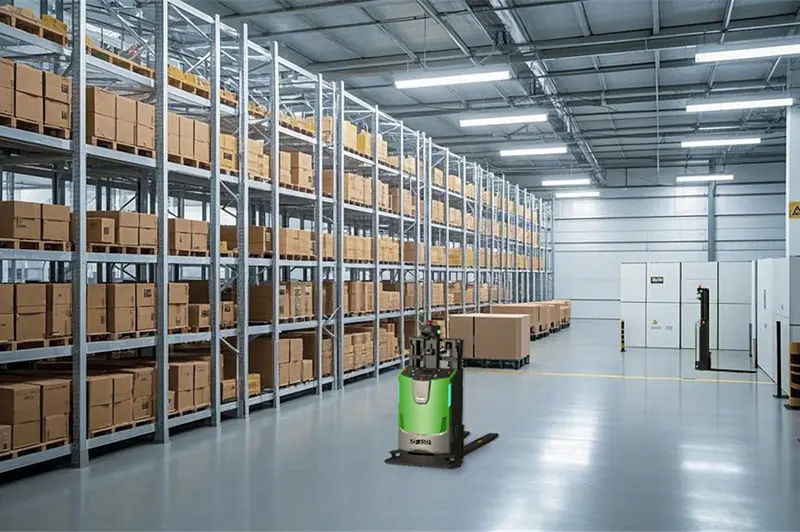
Relying on the industrial resources and extensive business layout of Caogenziben, SCP explores supply chain requirements across multiple food consumption and retail sectors. We design solutions optimized for real-world scenarios.
By empowering key operational nodes like cold chain logistics, we support standardized management and improve throughput across the industrial value chain. Furthermore, we actively collaborate with international partners to expand global market access and build a resilient supply chain technology ecosystem.
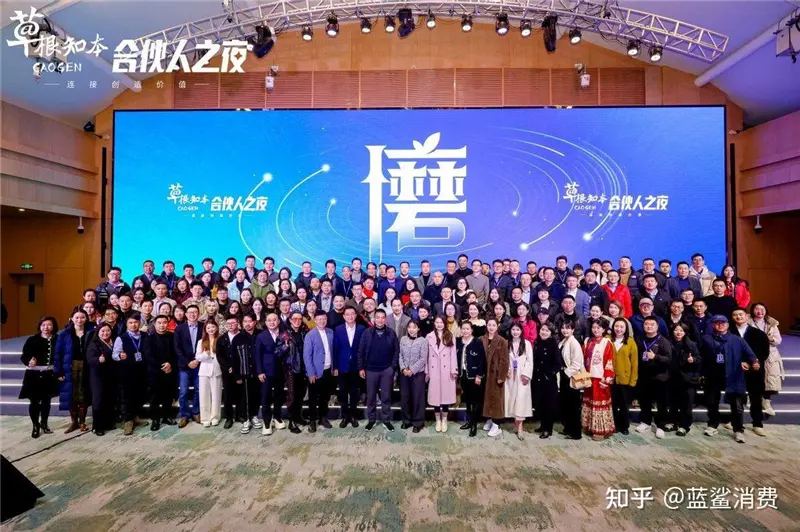
With our vision of "Leading the technological upgrade of the supply chain and achieving extraordinary value for transformers", SCP integrates sustainability into our corporate strategy and daily operations.
We aim to promote green, intelligent, and resource-efficient industry growth. By improving energy efficiency, reducing idle vehicle travel, and building durable hardware, we help our customers achieve their carbon reduction goals while securing high-performance automation for the future.
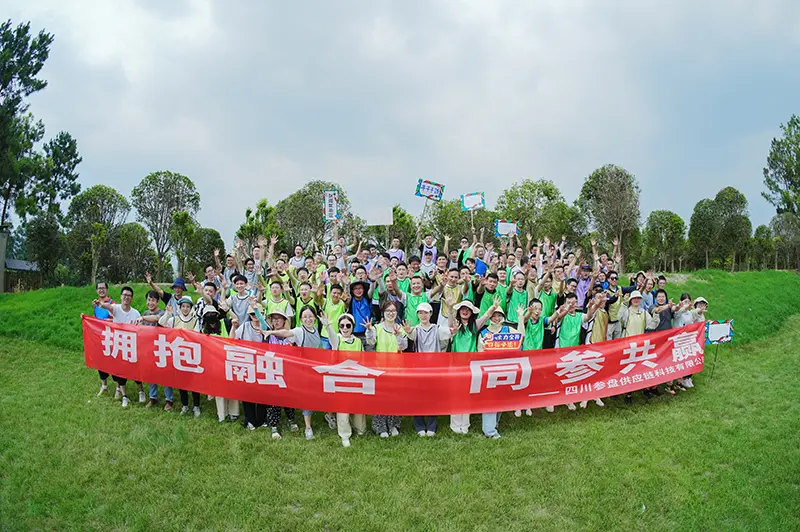
How SCP is guiding warehouse operations from manual tasks to fully autonomous, multi-agent coordination.
Transitioning facilities from magnetic tape guidance to dynamic, map-based path planning using Laser SLAM. This eliminates the need for expensive floor alterations and simplifies layout updates.
Connecting different robotic types (stealth top-lifters, counterbalanced forklifts, and floor scales) under a single WCS/FMS interface to optimize traffic control and throughput.
Deploying machine learning models to analyze real-time battery health, motor temperatures, and navigation deviations. This shifts operations from reactive maintenance to planned schedules.
Engineered, manufactured, and certified to meet international industrial standards.
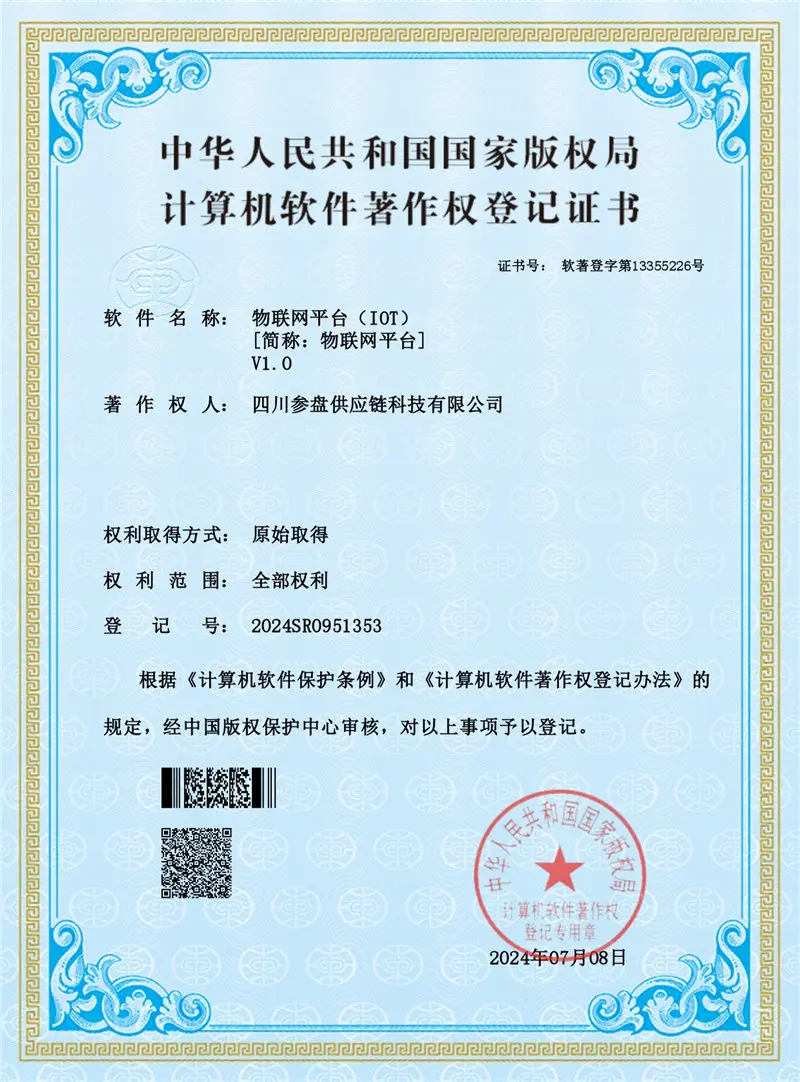
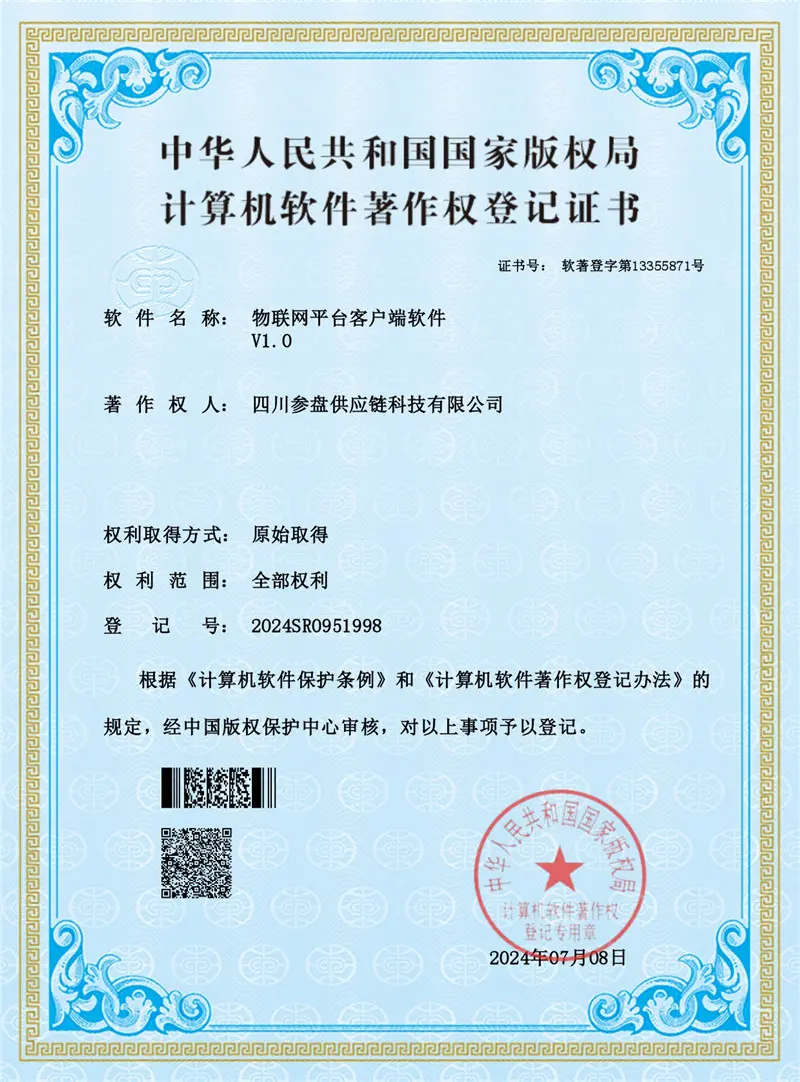
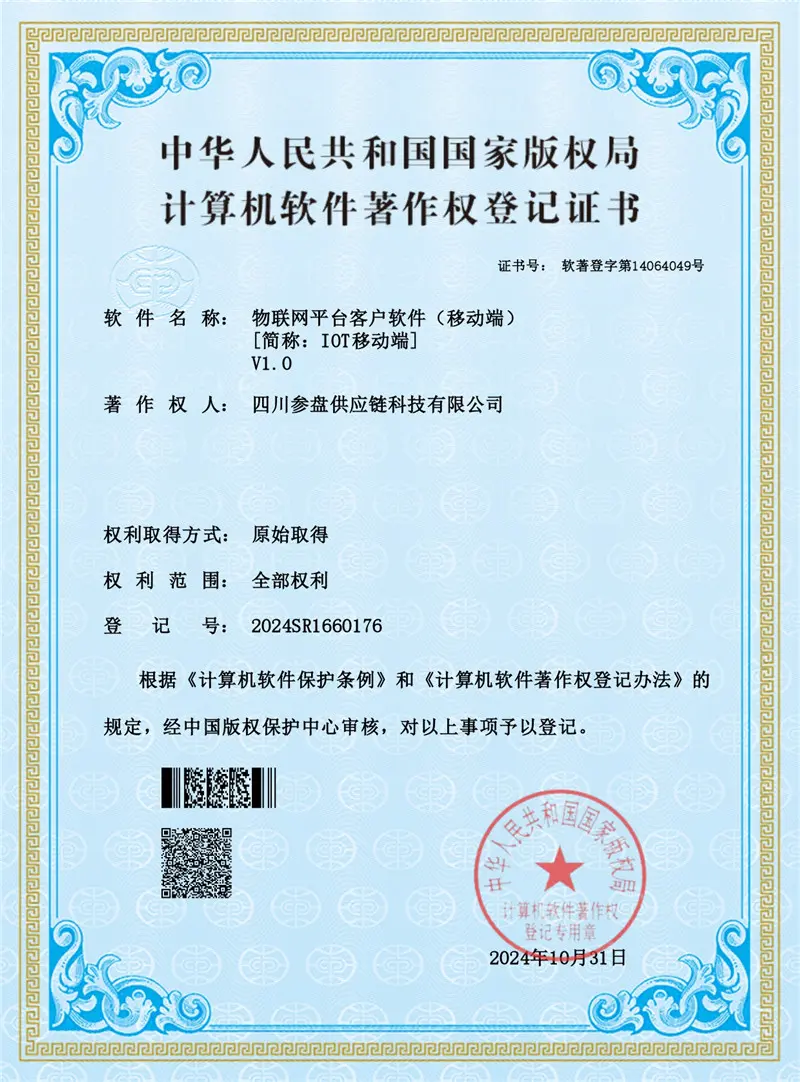
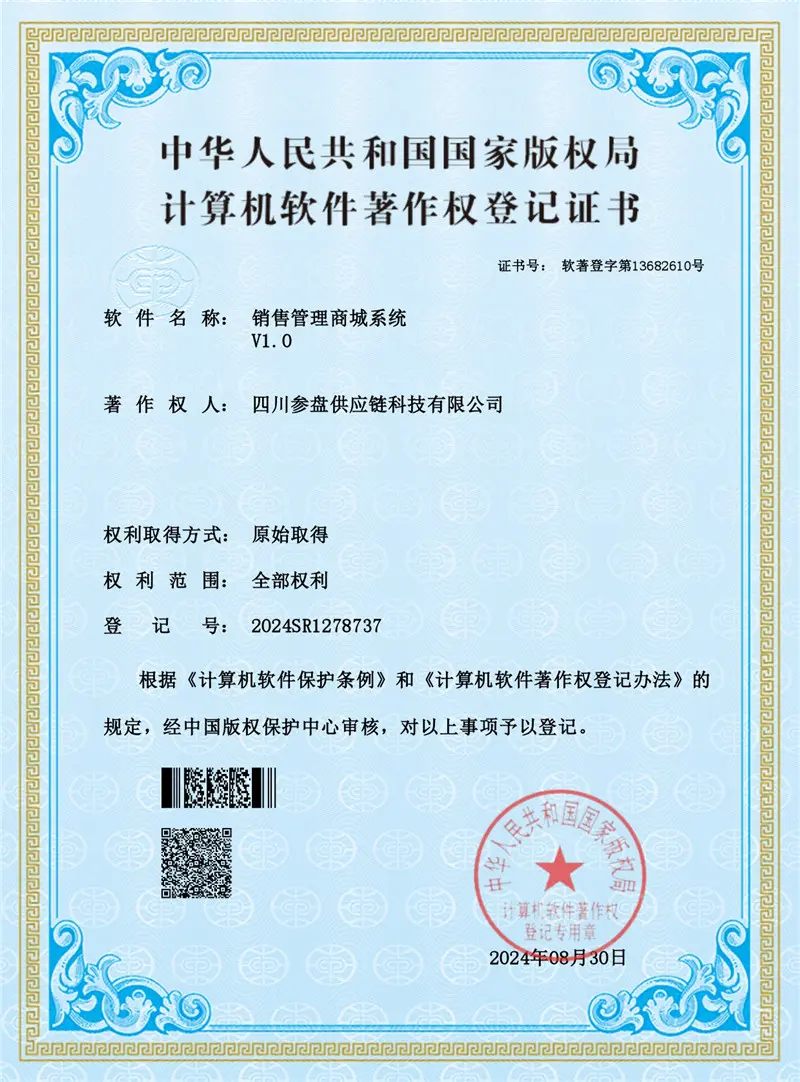
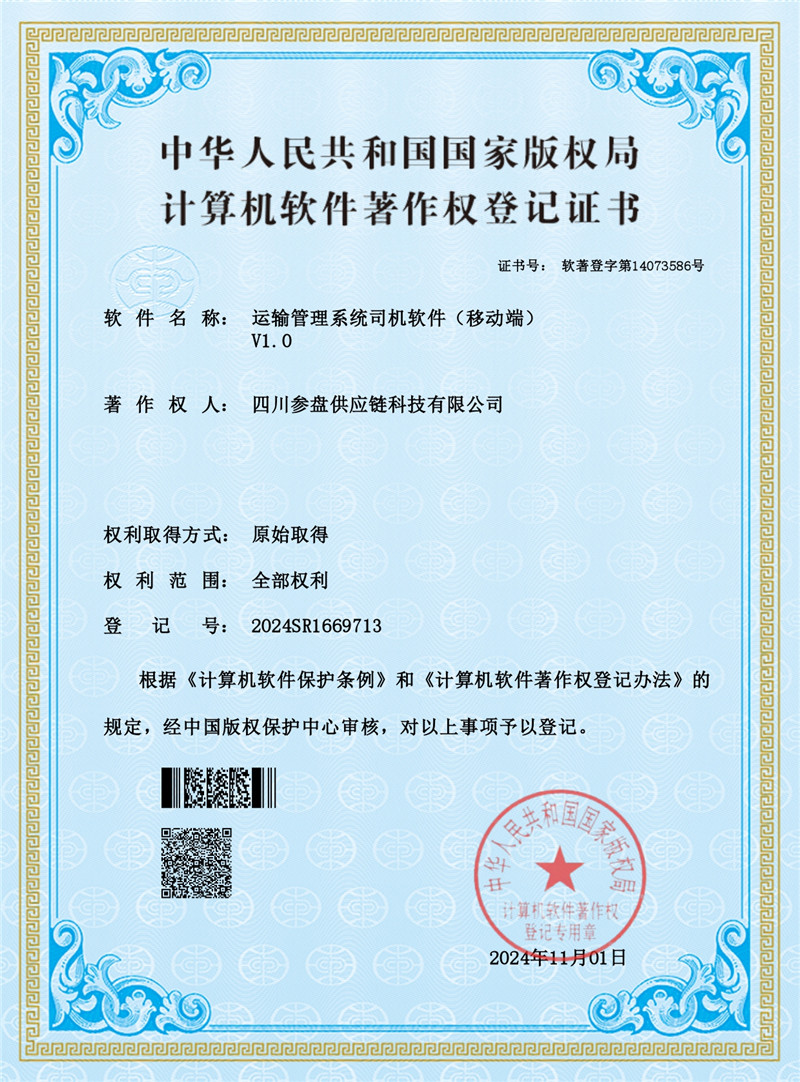
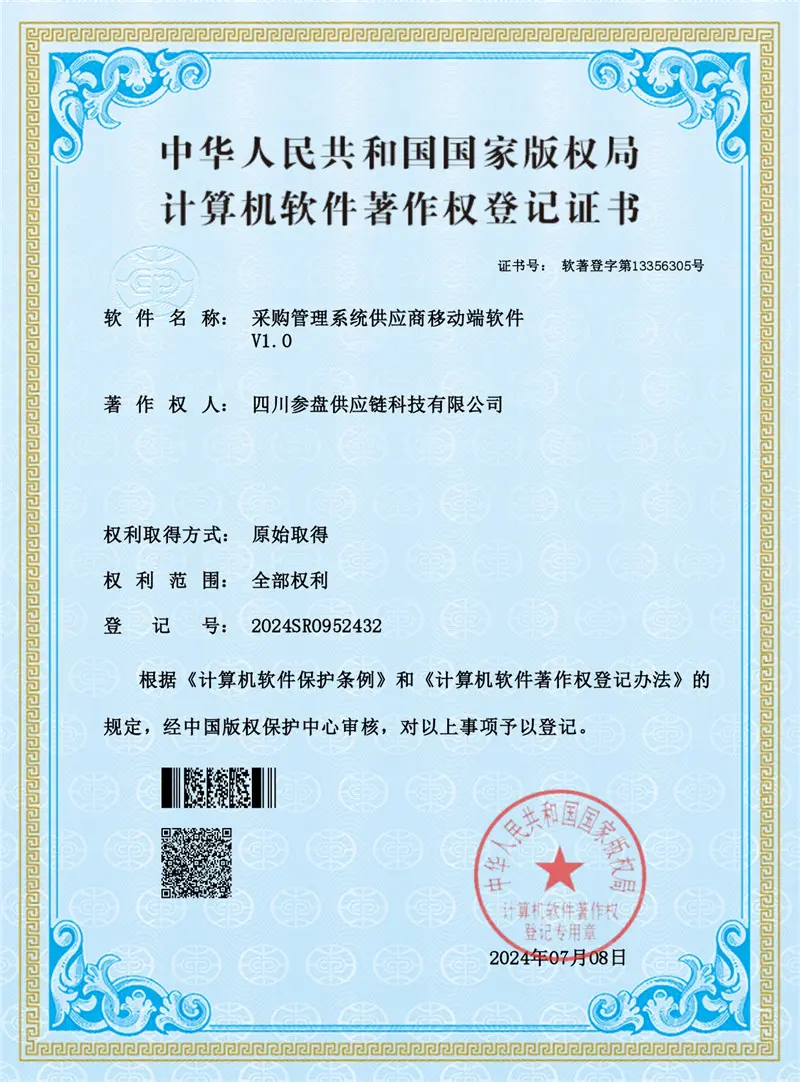
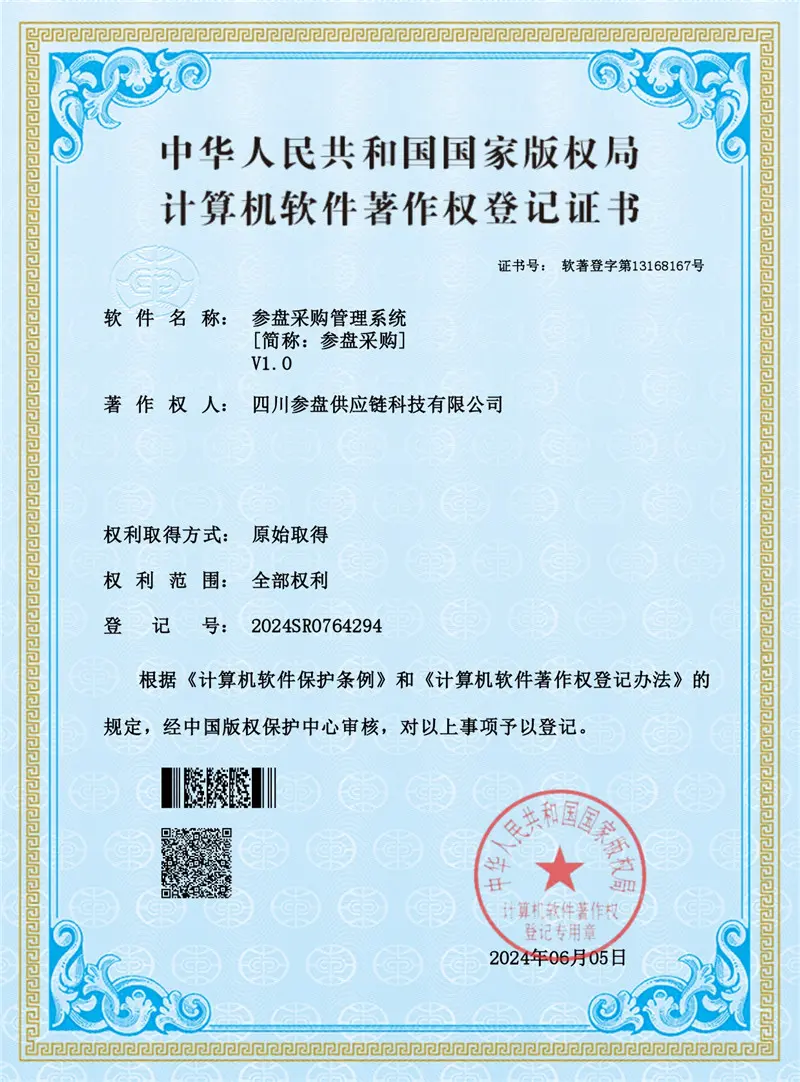
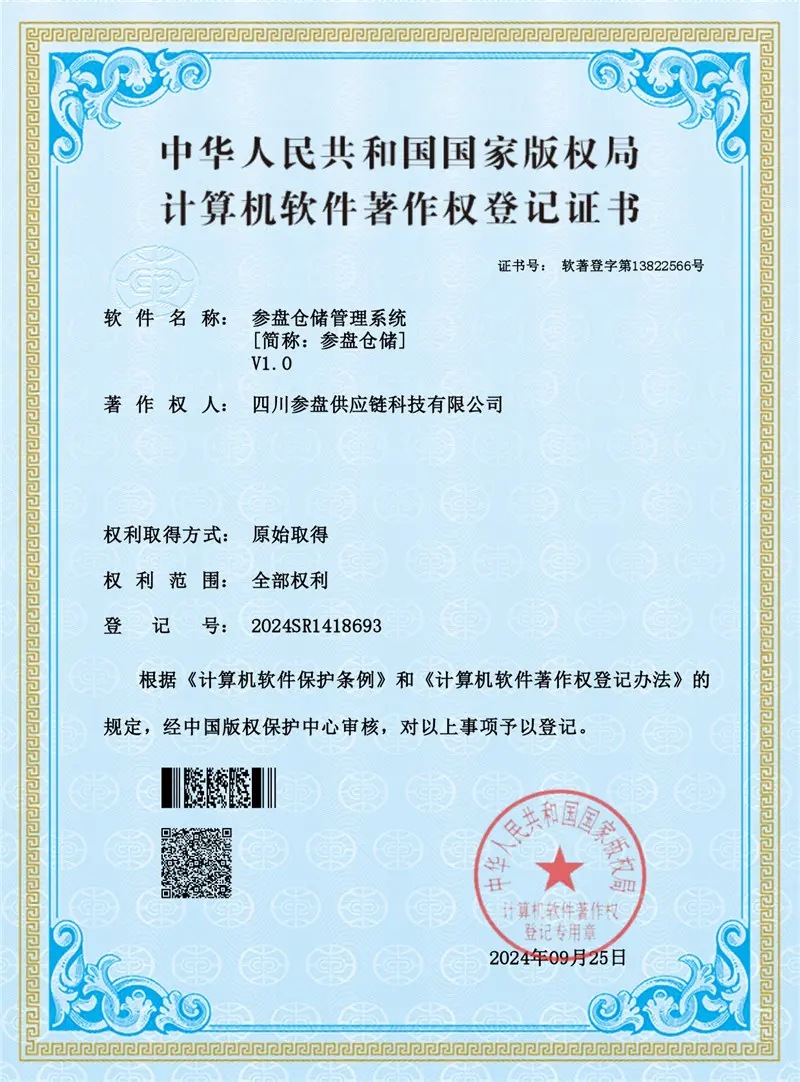
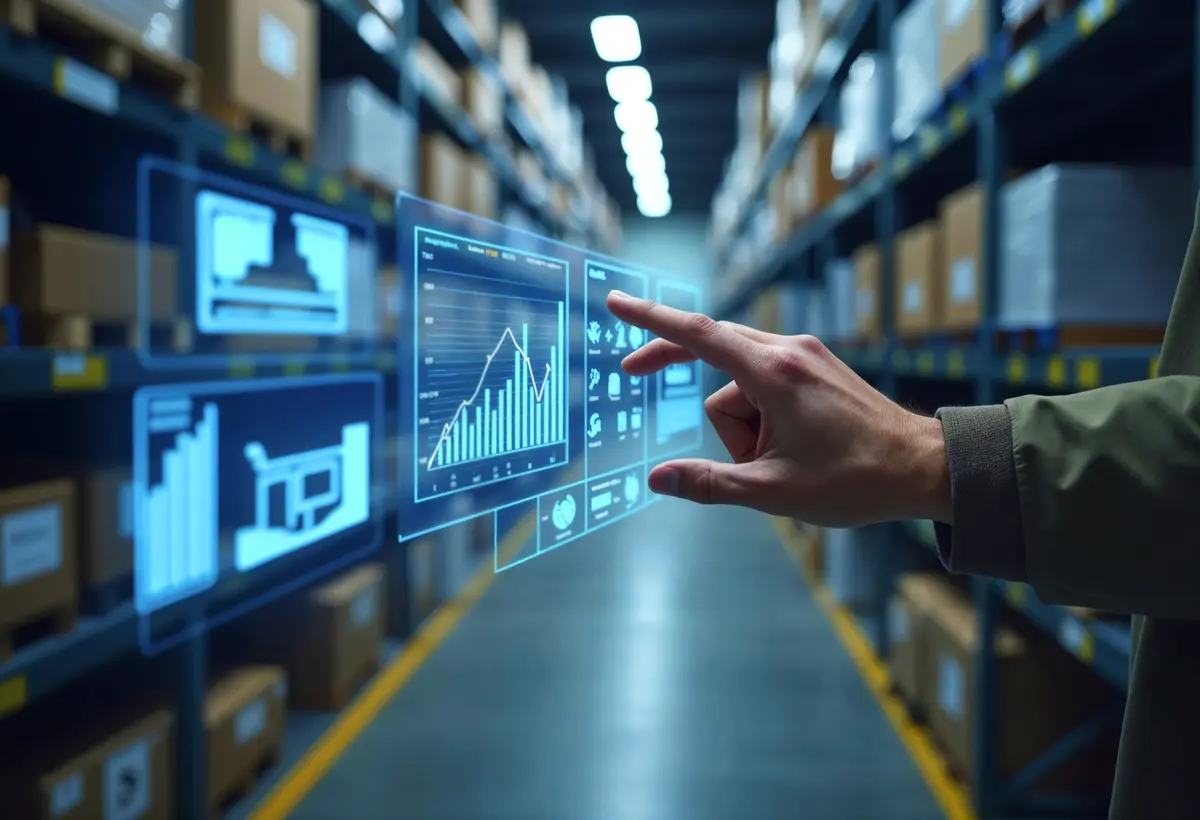
SCP focuses on providing comprehensive solutions for the food supply chain, alongside developing intelligent software and hardware products. Using the Internet of Things (IoT), AI, machine learning, and advanced equipment, we offer integrated technology systems that improve operational efficiency across procurement, supply, and sales.
By connecting hardware units like our low-profile top-lifting robots with centralized management systems, we help operators achieve end-to-end visibility. This reduces manual handoffs, minimizes product loss in temperature-controlled spaces, and increases overall facility productivity.
For the Tokyo market, these technologies help businesses adapt to limited footprint availability, rising labor costs, and tight delivery schedules, supporting long-term operational resilience.
Get professional answers about technical integration, safety standards, and local deployment dynamics.
A: A "stealth" robot refers to a mobile chassis designed with a low vertical profile, typically under 250mm-300mm. This profile allows it to navigate beneath racks, pallets, and custom trolleys. In Tokyo, where real estate is expensive, vertical density is key. These low-profile robots allow operators to store items directly above the robotic paths, saving space and eliminating the wide aisles required by traditional forklifts.
A: QR code navigation relies on physical grid layouts on the floor, which can wear out in heavy industrial environments and require fixed routes. Laser SLAM (Simultaneous Localization and Mapping) uses onboard LiDAR to map surroundings, enabling dynamic path planning and flexible layouts. This allows robots to navigate around temporary obstacles and adapt quickly to layout changes without floor modifications.
A: Our systems are built to meet international standards (including CE certification) and align with Japan's industrial safety guidelines, such as JIS B 8445/8446 for collaborative robots. The AGVs and smart forklifts feature redundant safety systems, including safety-rated LiDARs, mechanical bumpers, emergency stop inputs, and automatic speed reduction zones to ensure safe operation alongside workers.
A: The SCP supply chain control tower uses standardized RESTful APIs and TCP/IP-based socket communication protocols to connect with modern WMS and ERP systems. The fleet manager coordinates tasks, tracks vehicle states, and optimizes routes in real time. This ensures smooth data flow from initial inventory orders down to the physical execution on the warehouse floor.
A: Our mobile chassis and smart forklift series support payloads ranging from 1,000kg to 3,000kg. To support continuous operations, the robots use high-discharge lithium battery packs combined with automated charging stations. When charge levels drop below a set threshold, the control system directs the robot to an available charging station, returning it to service in under an hour.
Explore our full line of SLAM-enabled smart forklifts and digital scale interfaces, engineered for modern intralogistics networks.
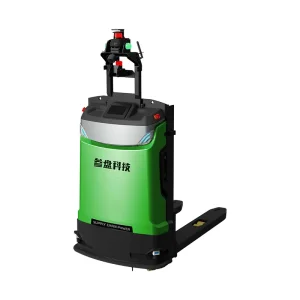
Contact our application engineers to request a custom simulation, obtain product specifications, or arrange a site inspection in the Greater Tokyo area.
Send Inquiry Now SCP
SCP