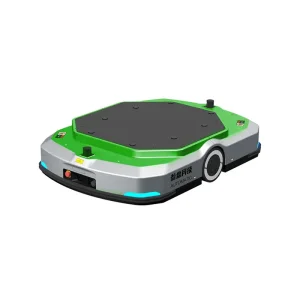
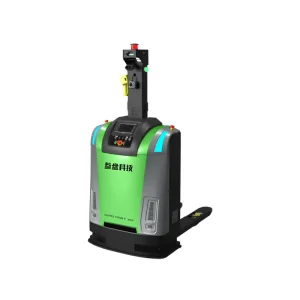
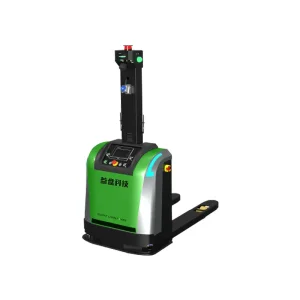
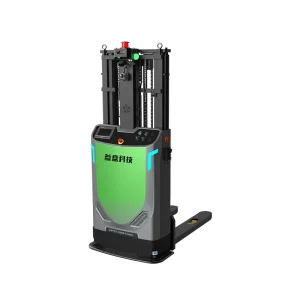
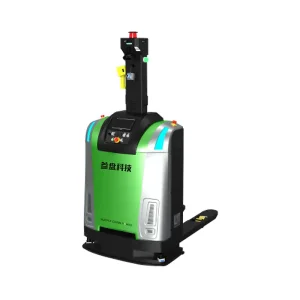
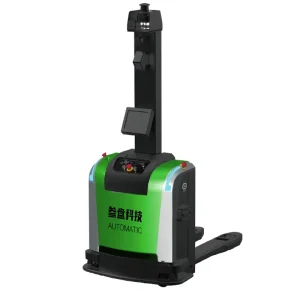
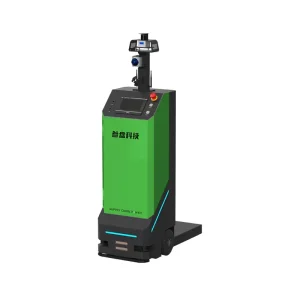
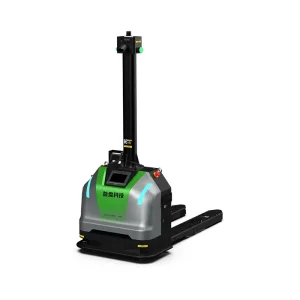
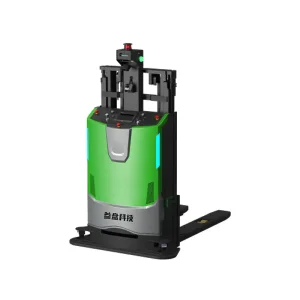
Innovative under-ride lifters and laser SLAM mobile robotic platforms optimized for high-performance warehouse integration across the UAE.
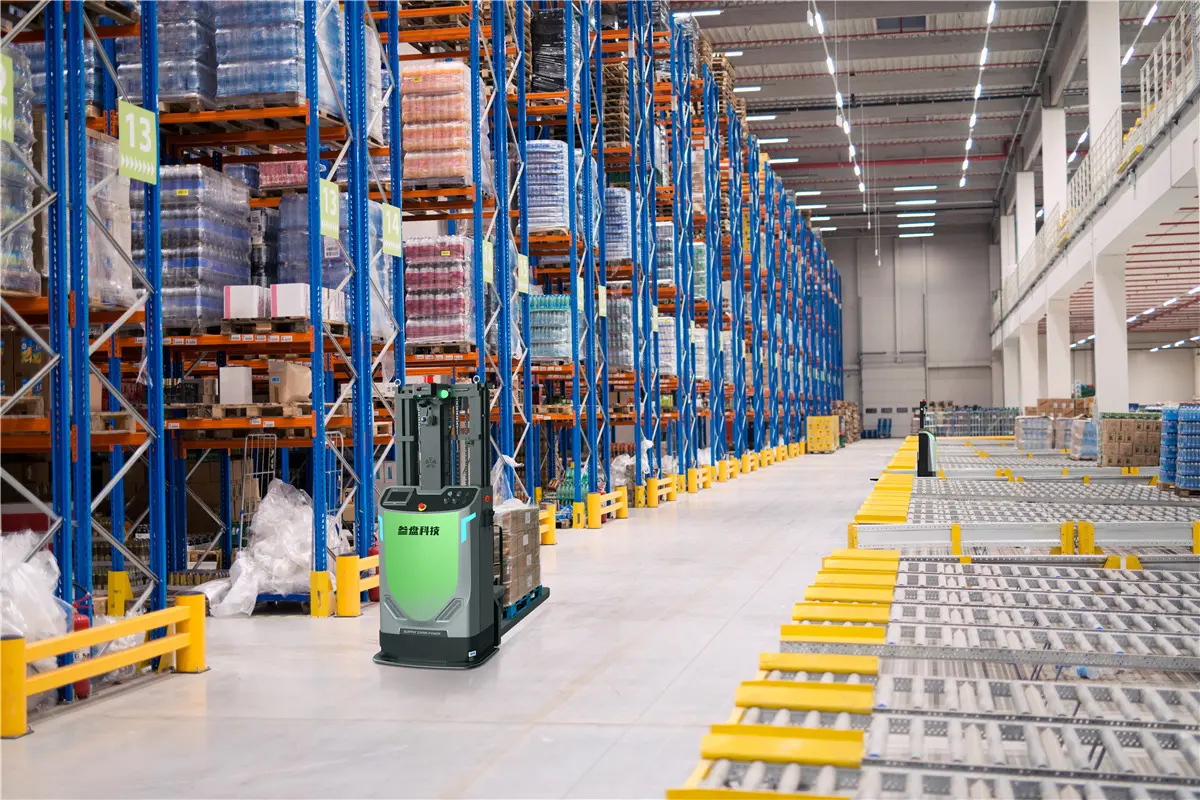
The United Arab Emirates is aggressively executing its "Operation 300bn" industrial strategy and the Dubai Economic Agenda (D33), transitioning from traditional logistics into a global, high-tech distribution powerhouse. Key economic zones like the Jebel Ali Free Zone (JAFZA), Dubai South, and KIZAD in Abu Dhabi require extreme warehouse optimization, rapid material handling speeds, and robust technological footprints.
In the Middle East's regional climate, warehouses must operate under stringent parameters. High outdoor temperatures necessitate highly efficient, indoor climate-controlled spaces. However, high-density storage space is expensive. Stealth Top-Lifting Robots (AMRs) emerge as the optimal solution: they slide underneath mobile racking units, lift heavy loads using smart electric lifting shafts, and transport payloads through aisles narrower than traditional forklifts can navigate. By leveraging under-ride AMRs, UAE companies are realizing up to a 40% reduction in spatial footprints while ensuring continuous, automated warehouse operations without human intervention.
How under-ride lifting systems and smart software integrations are redefining material throughput globally.
Modern top-lifting robots feature "stealth" heights of under 250mm, enabling them to navigate underneath the lowest rack heights, maximizing the vertical shelf-space optimization inside compact Gulf distribution centers.
Ditching magnetic tapes or floor QR codes, modern GCC warehouses deploy Laser SLAM paired with visual inertial odometry (VIO) for highly flexible paths that do not require physical warehouse modification.
Global operators demand standard APIs to run multi-brand robot fleets simultaneously. Our AMRs integrate seamlessly with global Warehouse Control Systems (WCS) via standard MQTT and RESTful architectures.
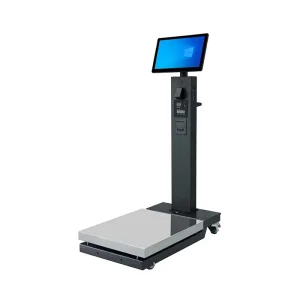
Integrating precision measurement and heavy-duty towing assets for consistent operations in harsh industrial zones.
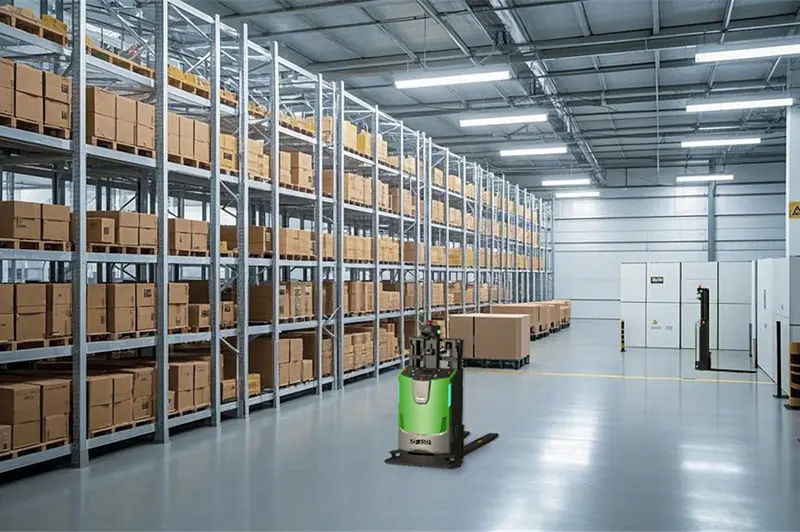
In the domain of robotic automation, sourcing from a China Factory 4.0 hub offers immense structural benefits. Our production pipelines leverage vertical integration: from core LiDAR sensors and high-performance safety controllers to localized lithium battery packs, every component is engineered for reliability, safety, and rapid deployment.
Unlike traditional manufacturers, our Chinese Factory 4.0 architecture relies on digitalized assembly loops, utilizing automated robotic workstations to manufacture other robots. This ensures extreme precision down to the millimeter and guarantees uniform quality control. For UAE procurement managers, this translates to faster lead times, customized design flexibilities, and a resilient parts supply chain that protects logistics ecosystems from global disruption.
Through our advanced testing facility, each under-ride top-lifting robot goes through rigorous load, thermal stability, and SLAM navigation tests before it is shipped to GCC customers. Our systems are ready to plug directly into your ERP/WMS software out of the box.
Building an agile, flexible, and robust end-to-end supply chain infrastructure by blending intelligent software towers with active physical automation.
Taking the actual business needs as the cornerstone, SCP is committed to comprehensively innovating and enhancing the overall supply chain planning of enterprises. We provide enterprises with comprehensive end-to-end supply chain solutions, build a multi-role and multi-dimensional intelligent supply chain collaboration system, and achieve all-round efficient collaboration and process optimization.
At present, SCP has established a product architecture supported by software and hardware, and supplemented by the top-level design of the supply chain control tower to create an agile, flexible and efficient end-to-end supply chain system for enterprises. By deploying under-ride lifting robots with IoT AI engines, we bridge the gap between high-level database commands and floor-level physical motion.
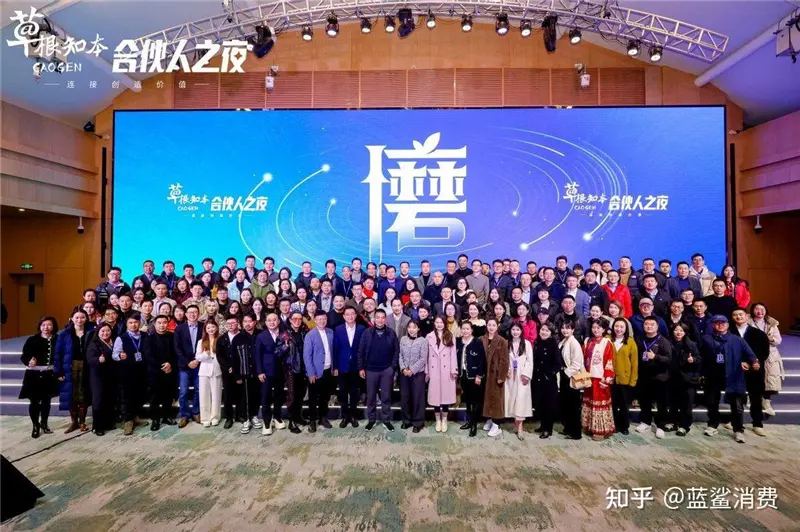
As a subsidiary of New Hope Group, we possess a strong market reputation and unmatched execution capacity. Our deep industrial insights span agricultural processing, chemical logistics, food cold-chains, and modern high-density e-commerce warehousing.
Incubated specifically to meet internal enterprise digital transformations, we have tested and optimized our systems in countless real-world scenarios. We build what we run, ensuring our solutions solve practical everyday floor issues.
We hold full proprietary control over software and hardware development. We specialize in tailoring custom WCS and hardware modifications to align with customer-specific legacy networks.
Our dedicated global installation team handles on-site commissioning, mapping, SLAM tuning, and personnel training, ensuring warehouse integrations happen with minimal impact on ongoing daily operations.
In terms of ecological construction, relying on the rich industrial resources of Caogenziben, SCP deeply explores the supply chain needs of multiple industries such as food consumption and creates solutions that are suitable for actual scenarios. By empowering key links such as cold chain logistics, we promote the standardized management and efficiency improvement of the supply chain and facilitate the collaborative development of the entire industrial chain.
From a long-term development perspective, with the vision of "Leading the technological upgrade of the supply chain and achieving extraordinary value for transformers", SCP integrates the concept of sustainable development into its corporate strategic planning. We focus on green, intelligent, and low-energy autonomous drive systems that reduce carbon emissions in high-volume distribution hubs across the Middle East.
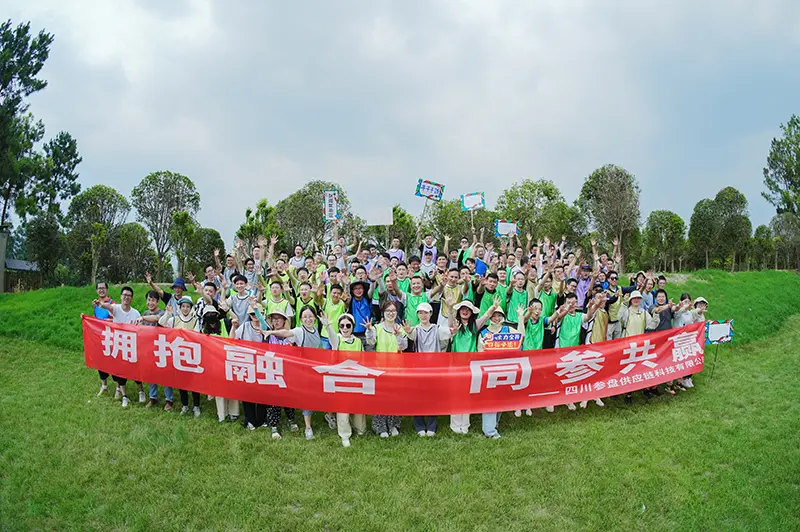
Global standards compliance ensuring seamless operations, high performance, and safe deployment across the United Arab Emirates.
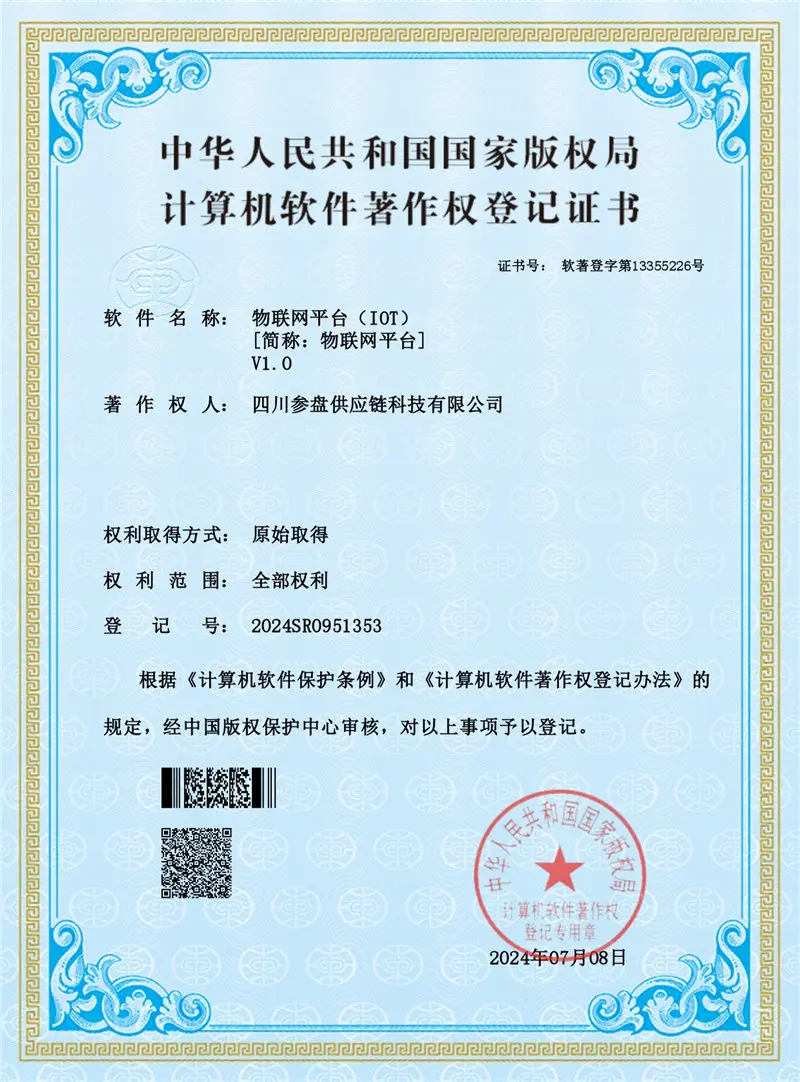
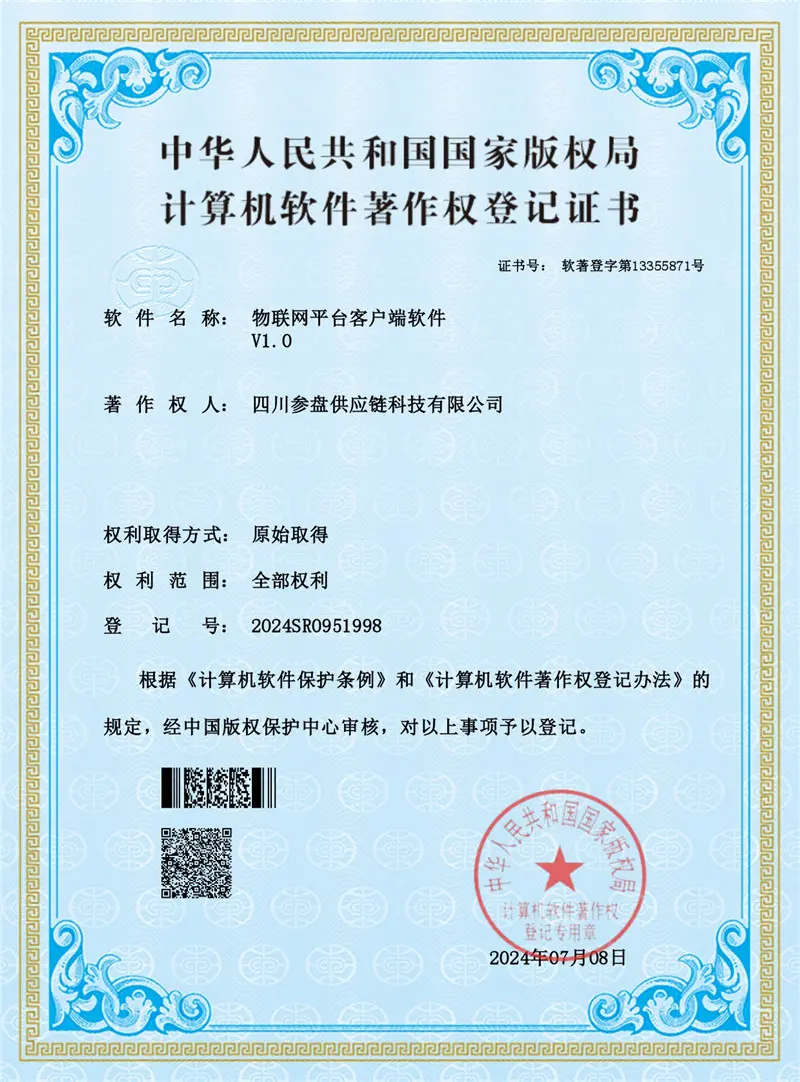
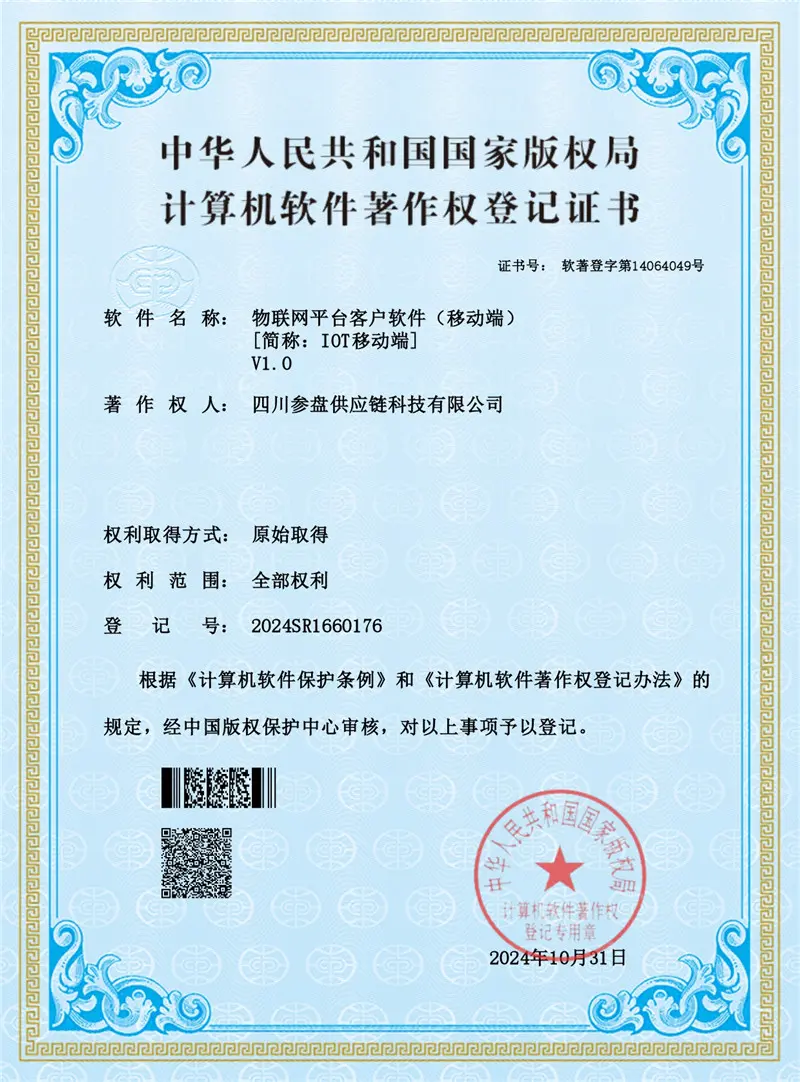
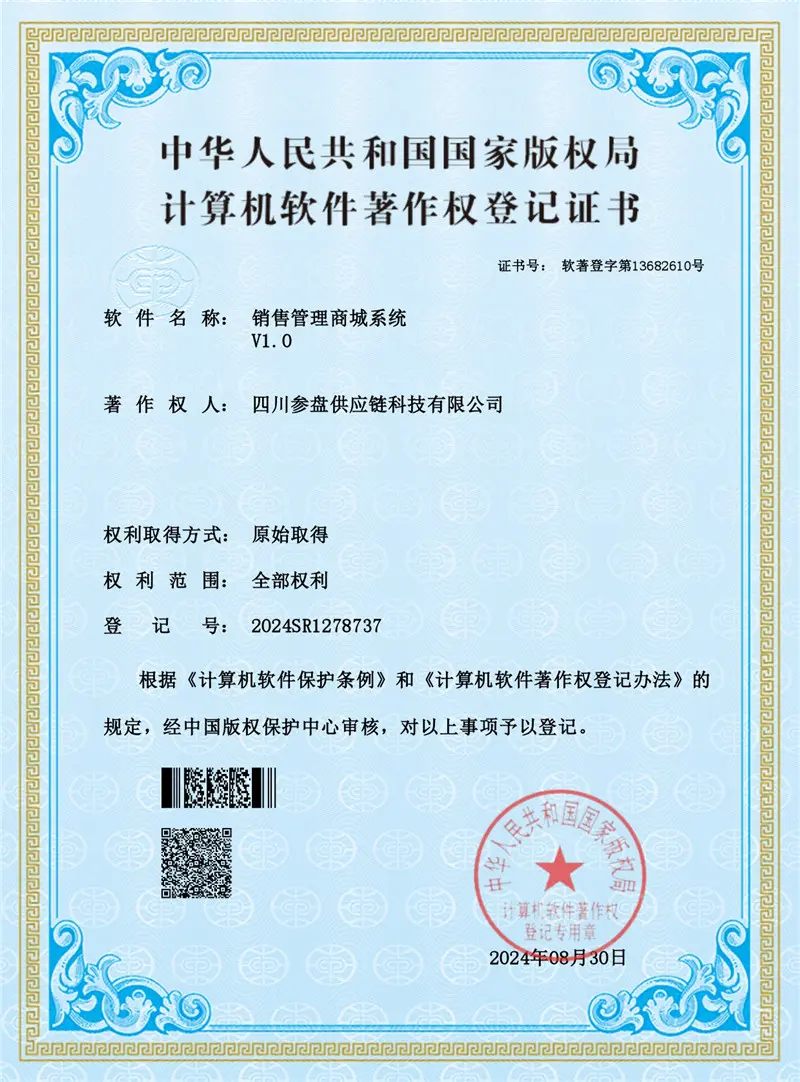
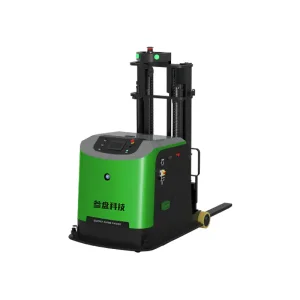
High-precision laser SLAM automated guided vehicles, stackers, and heavy counterbalanced load handlers for modern fulfillment architectures.
Answers to common questions regarding the procurement, local deployment, and technical compatibility of stealth AMRs in the Middle East.
 SCP
SCP