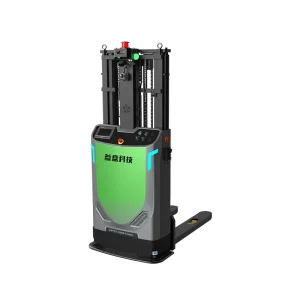
Explore our flagship smart forklift range engineered with centimeter-level precision, compact designs, and robust carrying capacities for high-density modern warehouse operations.
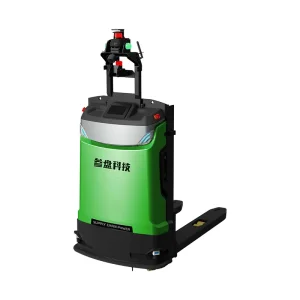
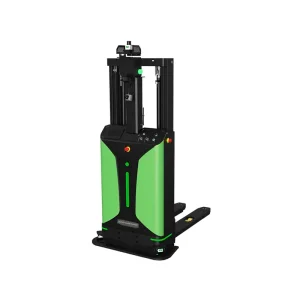
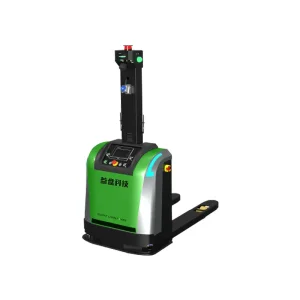
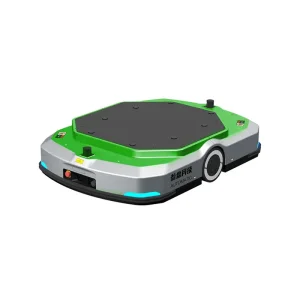
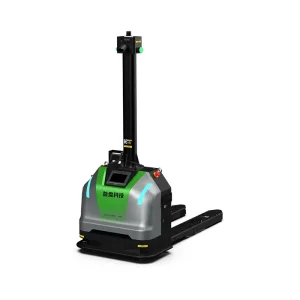
The global logistics, warehousing, and intralogistics markets are undergoing an unprecedented paradigm shift. Driven by volatile supply chain operations, rapid e-commerce expansion, and acute, structural labor shortages worldwide, global enterprises can no longer rely on manual handling methods. According to industry intelligence, the Global Autonomous Mobile Robot (AMR) market is expected to expand at a compound annual growth rate (CAGR) exceeding 20% over the next decade. Within this landscape, China's warehouse autonomous robots manufacturers have transitioned from rapid adopters to pioneering global technological leaders.
Modern warehouse autonomous systems do not merely act as substitutes for physical labor. Instead, they serve as the crucial connection points in intelligent, data-driven factories and distribution networks. Through advanced multi-sensor integration—combining 3D LiDAR, industrial-grade depth cameras, and tactile safety edges—these robotic fleets execute real-time local path planning, dynamic obstacle avoidance, and precise payload positioning.
China-based manufacturing facilities have leveraged extensive local industrial ecosystems, dynamic hardware supply chains, and large-scale deployment insights to develop highly robust platforms. From narrow-aisle smart forklifts to heavy-duty automated chassis, these solutions offer significant economic value, high durability, and seamless software integration, enabling global businesses to build adaptable, highly efficient operations.
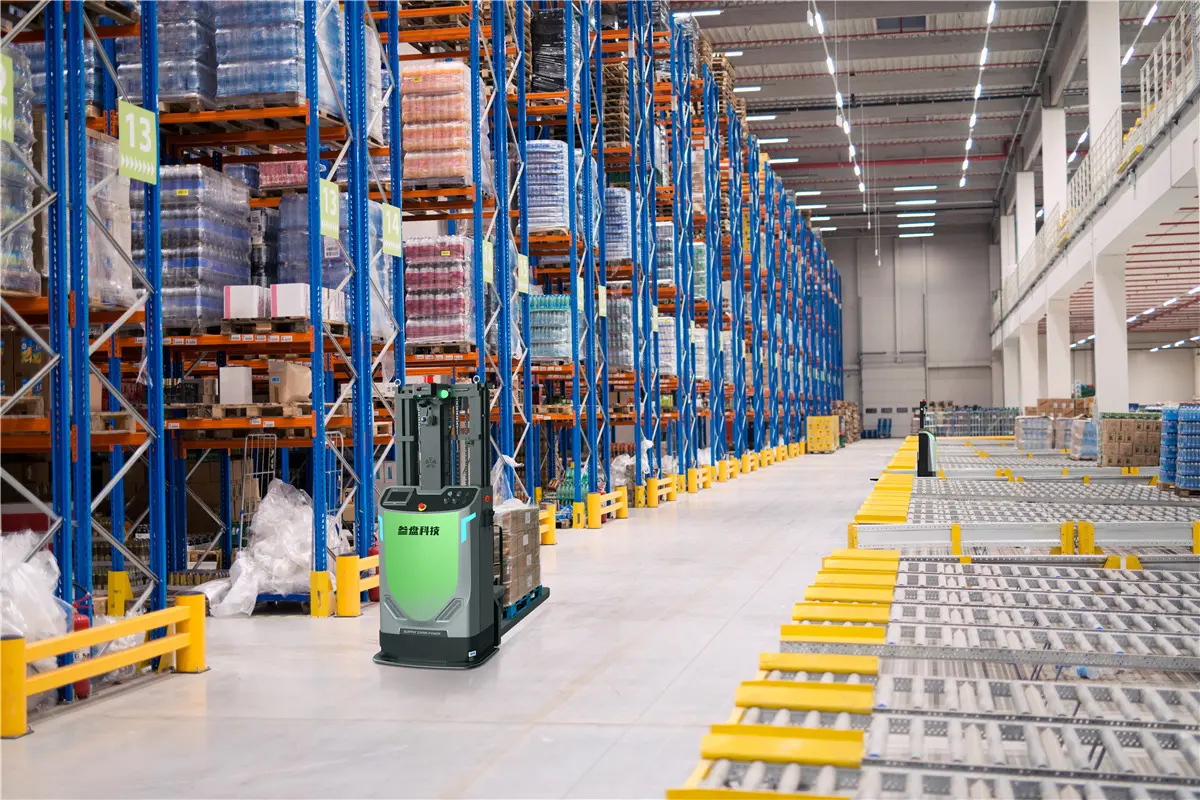
Fig 1: Intelligent SCP Architecture—Unifying Software Control Towers with Hardware AMRs
Taking actual business needs as our cornerstone, SCP is committed to comprehensively innovating and enhancing the overall supply chain planning of enterprises. We provide global clients with comprehensive, end-to-end supply chain solutions, building a multi-role and multi-dimensional intelligent supply chain collaboration system that achieves all-round efficient collaboration and process optimization.
We build a robust product architecture supported by modular software matrices (WMS/WCS/FMS) and high-performance physical hardware (SLAM Smart Forklifts & AMRs) to guarantee absolute synchronization between execution layer and management layer.
Our top-level supply chain control towers grant decision-makers real-time visibility into inventory flows, operational status, predictive bottlenecks, and fleet diagnostics across multiple industrial complexes.
By bypassing rigid traditional automation frameworks, our agile system responds dynamically to demand surges, SKU changes, and sudden logistics route updates without requiring mechanical re-engineering.
The competitive edge of China-manufactured warehouse autonomous robots lies in the sophistication of their navigation stack. The shift from visual-tag navigation to Laser SLAM (Simultaneous Localization and Mapping) enables true autonomous mobility.
Our smart forklifts utilize advanced LiDAR arrays operating at high scan frequencies, creating real-time 2D/3D maps of their surroundings. Coupled with inertial measurement units (IMUs) and wheel encoders, the robot's onboard industrial controller uses advanced sensor fusion algorithms to achieve repeatable positioning accuracy of ±10mm.
Key Technological Milestones:
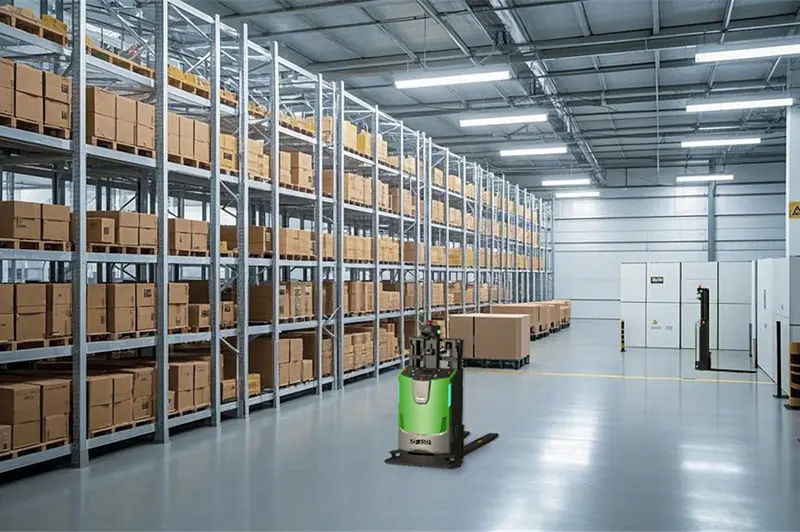
Fig 2: Continuous R&D Investment in Robotic Navigation and Sensor Fusion
Leveraging corporate industrial backing, deep technical expertise, and a commitment to delivery excellence, we help enterprises scale their digital transformations.
As an incubator subsidiary of the New Hope Group, we possess a strong market reputation and proven execution capabilities. Our team maintains a deep, practical understanding of cross-sector production workflows, processing lines, and distribution requirements.
We were incubated specifically to address the digital needs of operating units within the New Hope industrial ecosystem. Having planned, delivered, and optimized many of these same solutions internally, we understand real-world warehousing scenarios and pain points.
We own the complete intellectual property and source code for our core procurement, sales, and supply systems. This internal design capability enables us to quickly adapt APIs, modify layouts, and implement custom features to meet unique client needs.
Alongside hardware and software delivery, we offer light consulting services. Our team provides process mapping, diagnostic audits, and KPI modeling to help clients optimize their workflows and maximize their return on technology investments.
We field a professional delivery team for commercial projects. We respond quickly to customized requirements, managing projects from initial site mapping to final commissioning to ensure fast, high-quality deployments.
Benefiting farmers and bringing welfare to consumers through efficient, automated food supply chains.
Leading the technological upgrade of the supply chain and achieving extraordinary value for transformers.
Alliance of Developers of New Quality Supply Chain Technology, providing integrated hard-and-soft solutions.
In terms of technology research and development, SCP continues to increase its investment and constantly optimize the product architecture supported by software and hardware and the top-level design of the supply chain control tower. By strengthening the self-development and integration capabilities of various systems in procurement, sales, and supply, we continuously improve the technical level and competitiveness of our products and services. We build a solid foundation for the sustainable development of enterprises and the industry with leading technologies.
At the same time, we actively explore the application of cutting-edge technologies in the supply chain field, promote technological iteration and upgrading, and maintain a leading position in the industry in terms of technology.
In terms of ecological construction, relying on the rich industrial resources and extensive business layout of Caogenziben, SCP deeply explores the supply chain needs of multiple industries such as food consumption and creates solutions that are suitable for actual scenarios. By empowering key links such as cold chain logistics, we promote the standardized management and efficiency improvement of the supply chain and facilitate the collaborative development of the entire industrial chain.
In addition, we actively carry out in-depth cooperation with overseas partners, absorb international advanced experience and technologies, expand the international market, enhance the global influence of the enterprise, and build a supply chain technology ecosystem with international competitiveness.
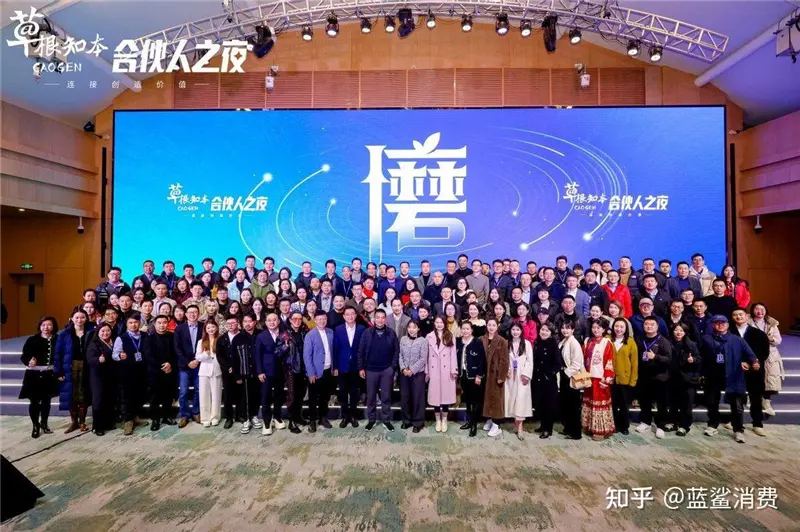
From a long-term development perspective, with the vision of "Leading the technological upgrade of the supply chain and achieving extraordinary value for transformers", SCP integrates the concept of sustainable development into its corporate strategic planning and daily operations. We not only focus on our own growth and profitability but also look to promote the green, intelligent, and efficient development of the industry. We build a more perfect supply chain collaboration system for future enterprises.
While achieving our own sustainable development, we create greater value for society and become a backbone force in promoting the sustainable development of the supply chain technology industry.
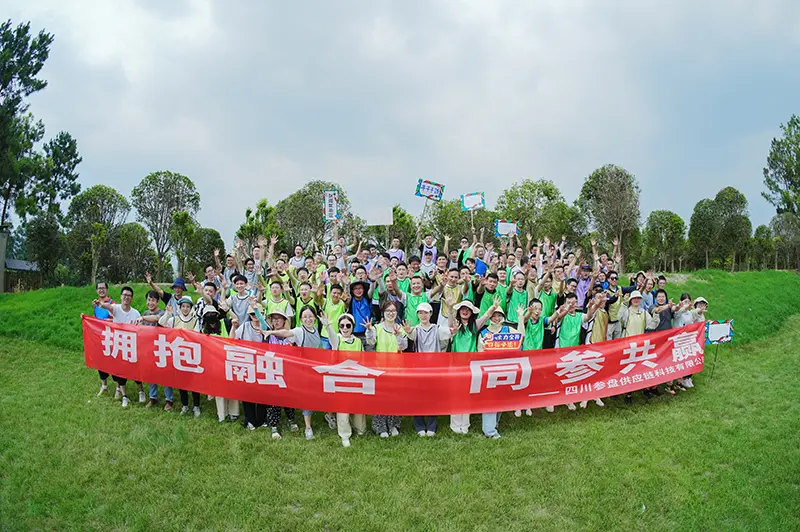
Our automated systems and products are manufactured under rigorous QA protocols, ensuring full compliance with CE, ISO, and international functional safety standards.
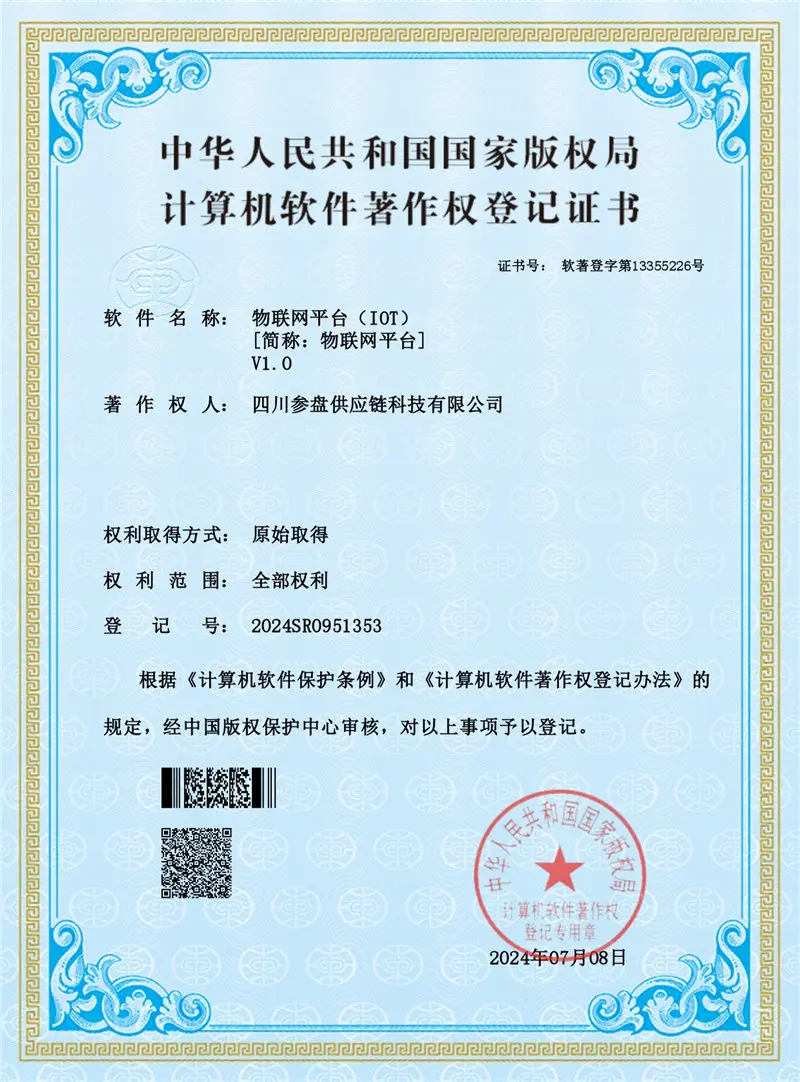
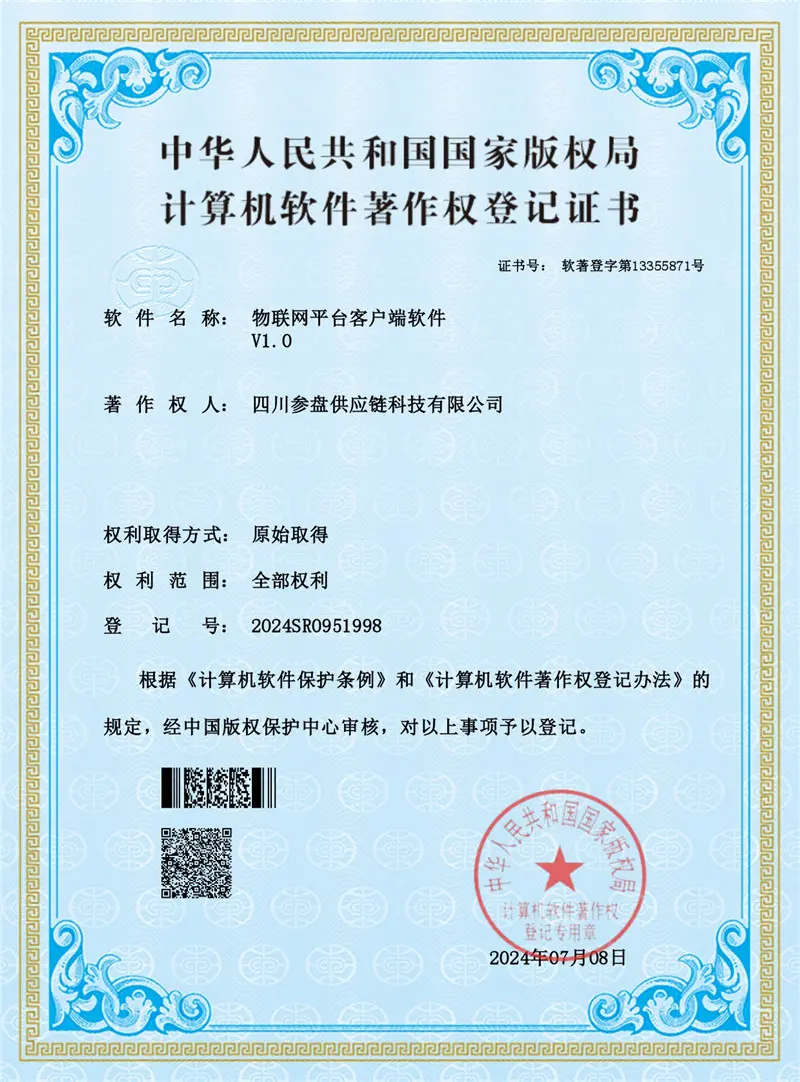
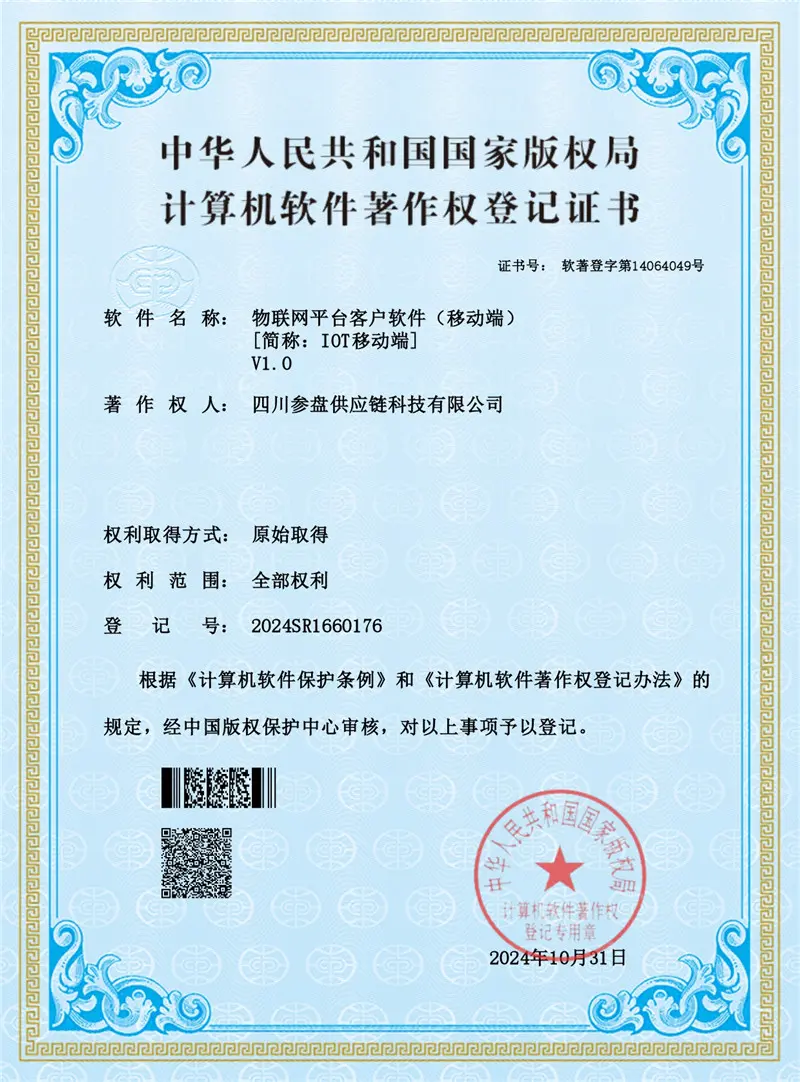
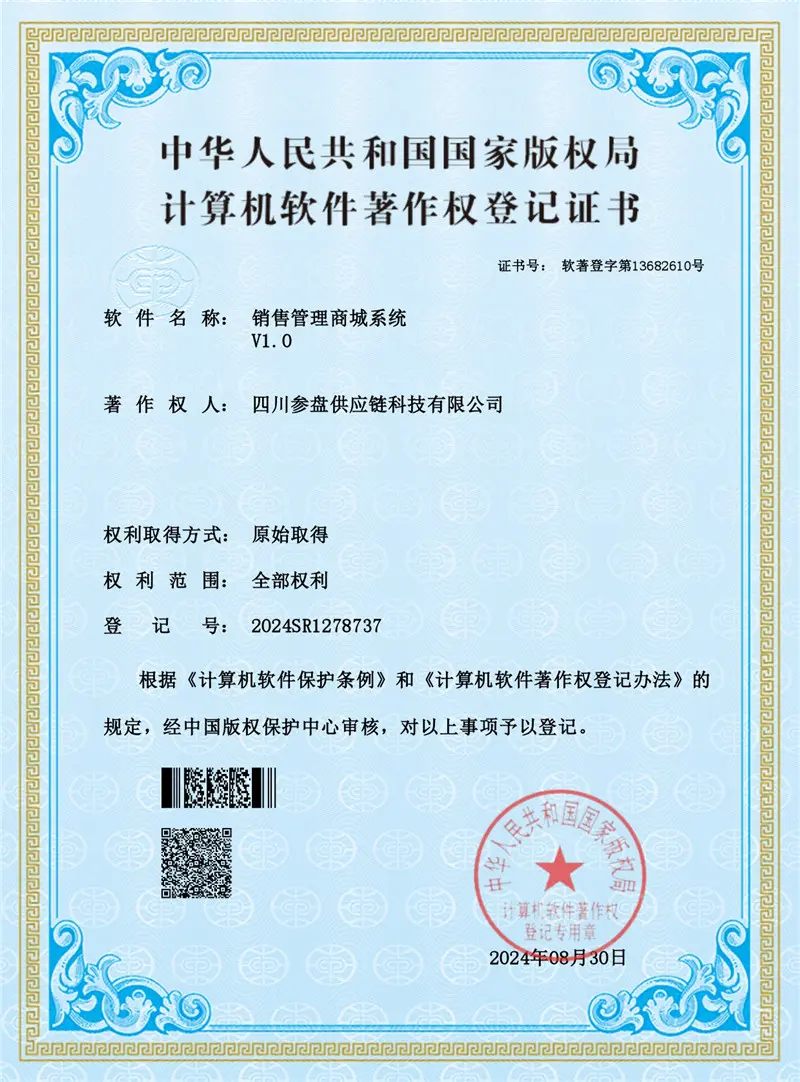
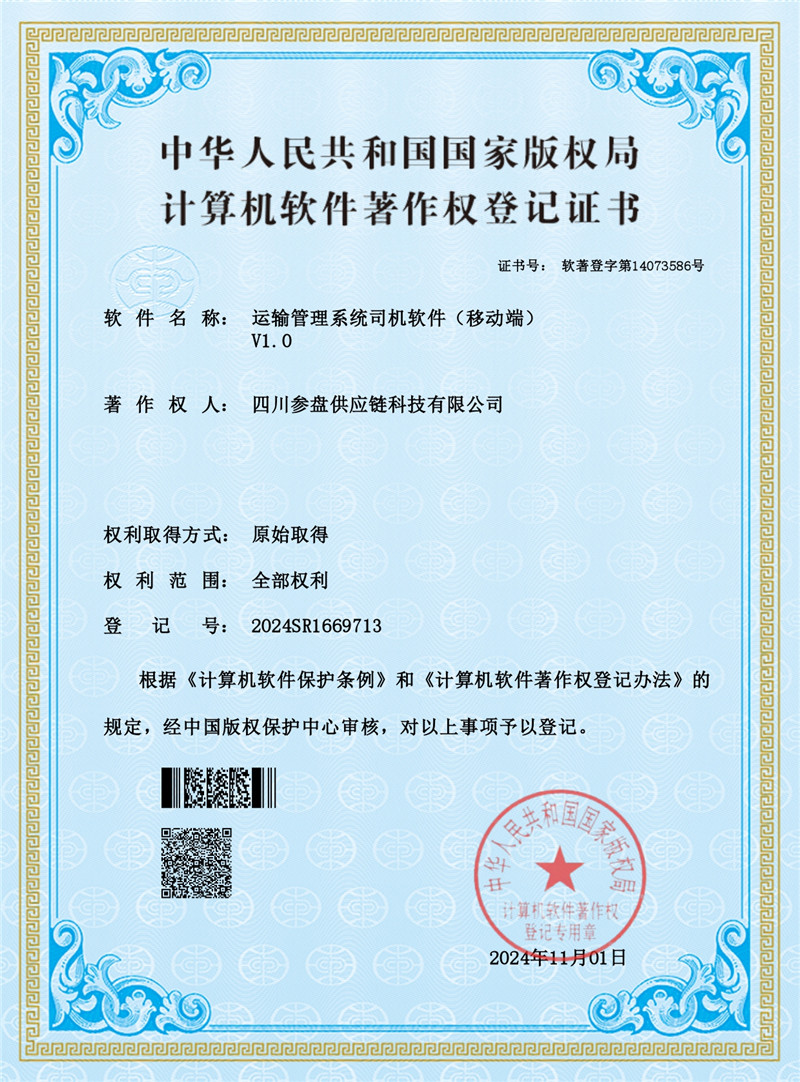
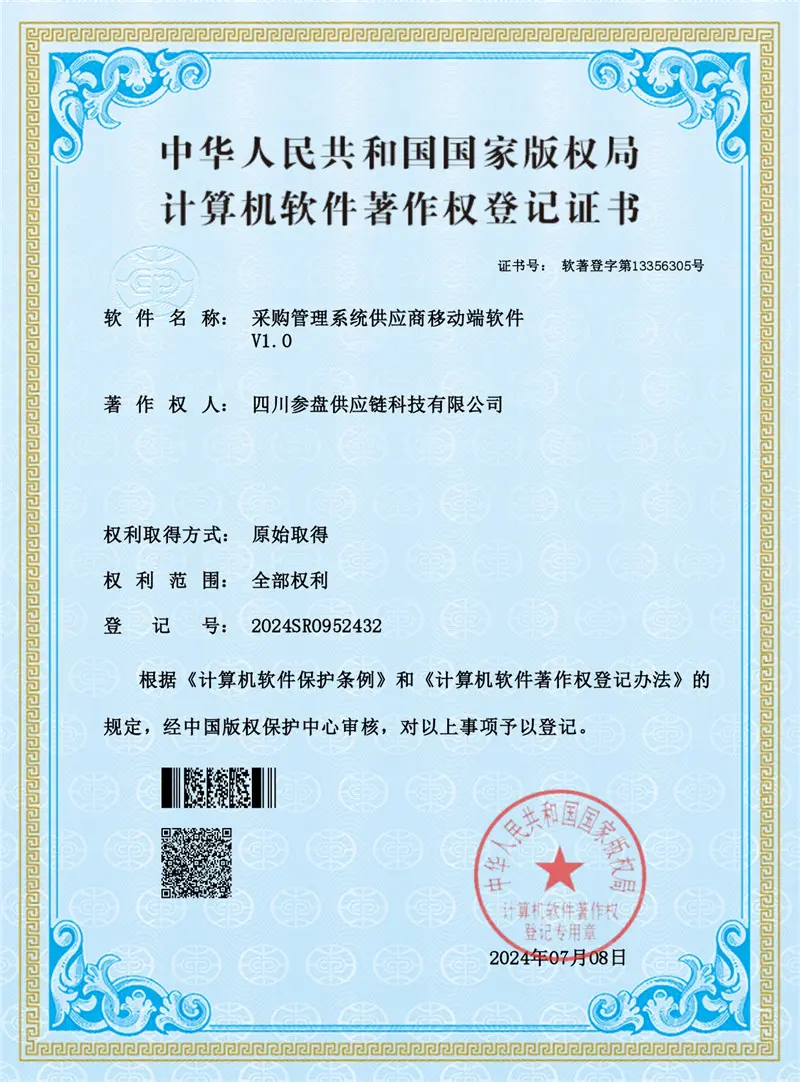
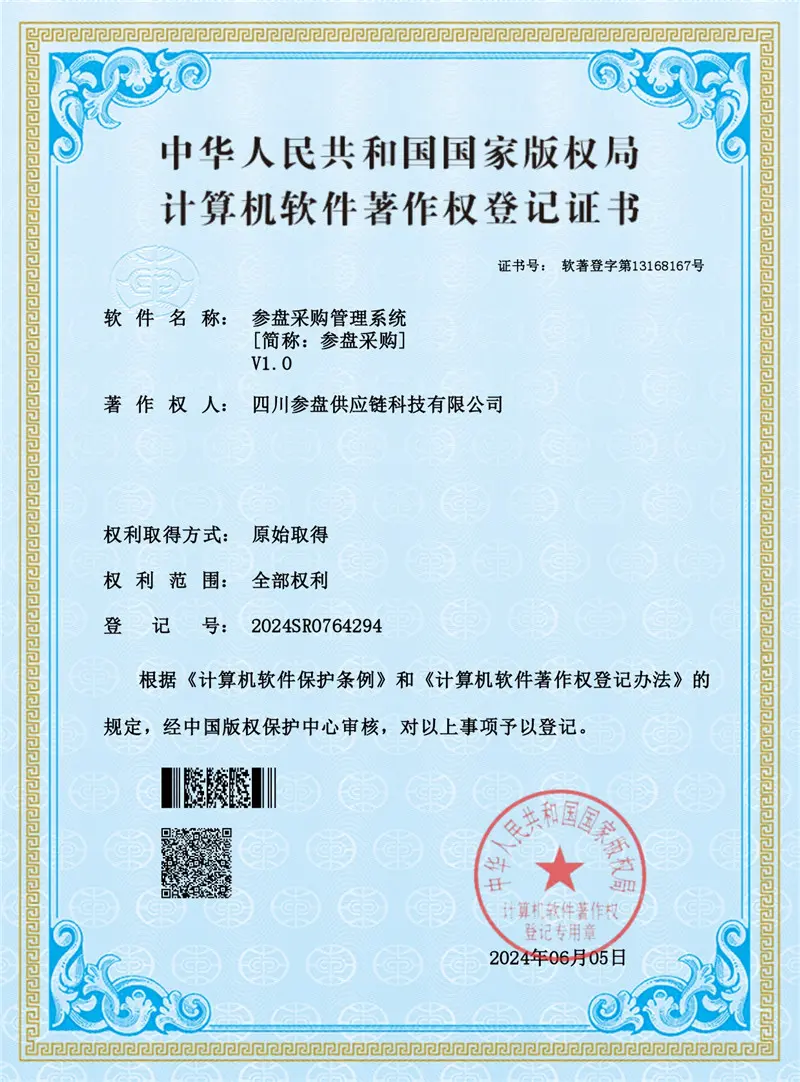
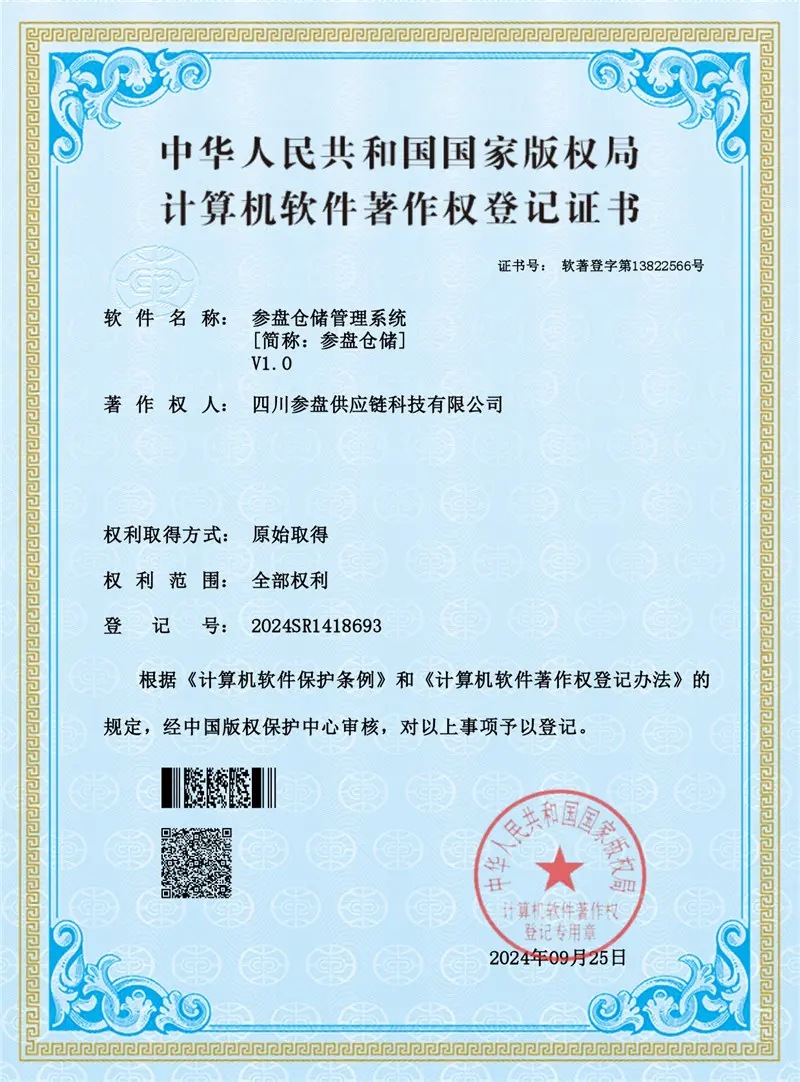
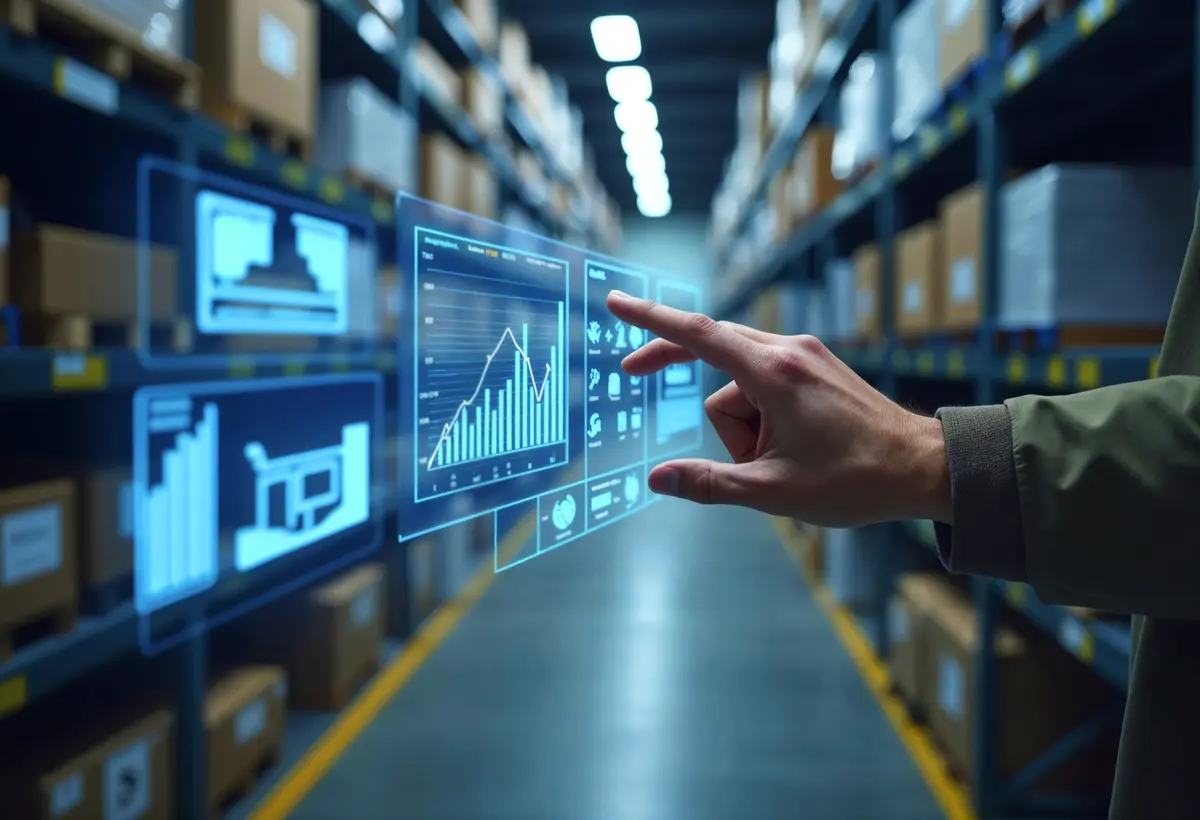
Fig 3: End-to-End Processing and Warehousing Ecosystem
SCP focuses on providing comprehensive solutions for the food supply chain, as well as researching and developing intelligent software and hardware products and services. The company integrates the Internet of Things (IoT), artificial intelligence (AI), machine learning, and advanced robotic platforms.
Through our automated, digitized, and intelligent solutions, we improve operational efficiency across procurement, distribution, and retail sales, helping upgrade the value of upstream and downstream industries.
In food safety and cold chain management, our systems provide continuous temperature and humidity tracking, automated batch management (FIFO), and real-time inventory tracking. Using predictive algorithms, the scheduling system dynamic-plans charging cycles and robotic tasks to maintain productivity even in freezing storage environments down to -25°C.
Technical insights for system engineers, warehouse managers, and CTOs seeking to optimize automated material handling operations.
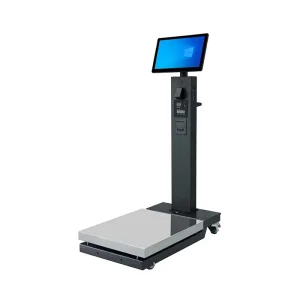
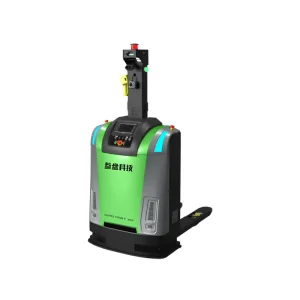
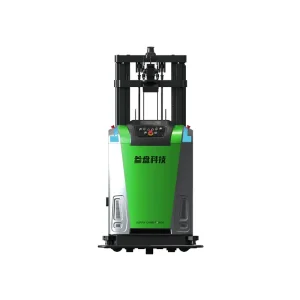
Select from our specialized line of autonomous material handling chassis, smart floor scales, and heavy-payload automated transport equipment.
 SCP
SCP