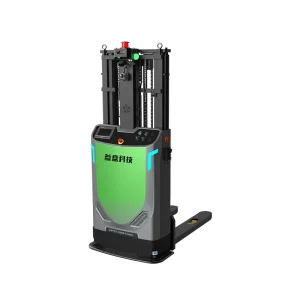
The global paradigm shift towards automation is no longer just about cutting costs; it is a fundamental restructuring of modern supply chains. Autonomous Guided Vehicles (AGVs) and Autonomous Mobile Robots (AMRs) stand at the absolute center of this transformation. Industrial facilities, logistics hubs, and cold-chain facilities are upgrading their legacy, operator-driven material handling workflows. In place of conventional forklifts, they are deploying highly adaptive, laser-navigated robotics ecosystems capable of 24/7 continuous operations.
Historically, the deployment of AGVs was limited by physical tracking infrastructures, such as magnetic strips, induction wires, or QR codes on the floor. While highly dependable for static routes, these methods lack the agility to dynamically adapt to shifting warehouse architectures. Today, the integration of advanced Laser SLAM (Simultaneous Localization and Mapping) and Visual SLAM algorithms has liberated AGVs from physical guidelines. Modern automated forklifts map environment details in real time, navigating past obstacles, adjusting dynamically to changing layouts, and communicating directly with Warehouse Control Systems (WCS) and Enterprise Resource Planning (ERP) frameworks.
As international corporations audit their supply chain dependencies, Chinese AGV manufacturing hubs have emerged as critical nodes of innovation and capacity. China's industrial strategy, widely categorized under Factory 4.0 paradigms, brings together heavy capital investments in smart manufacturing, vertical supply chain integration, and a rich talent pool in robotics and software engineering.
When purchasing from top-tier Chinese manufacturers, global sourcing managers benefit from a highly integrated ecosystem. Everything from core hardware—such as structural steel, mechanical drive wheels, and precision planetary gearboxes—to critical electronic assemblies like LiDAR units, motor controllers, and battery packs is manufactured within a tight geographic radius. This minimizes delivery lead times and enables rapid design iterations.
Furthermore, this concentrated supply chain yields significant cost advantages without sacrificing quality. China's advanced AGV factories utilize automated welding robotics, large-scale CNC machining centers, and comprehensive vibration and stress-testing installations. This guarantees that each Laser SLAM Smart Forklift leaving the factory meets international safety standards (including CE and ANSI/ITSDF compliance) at a highly competitive total cost of ownership (TCO).
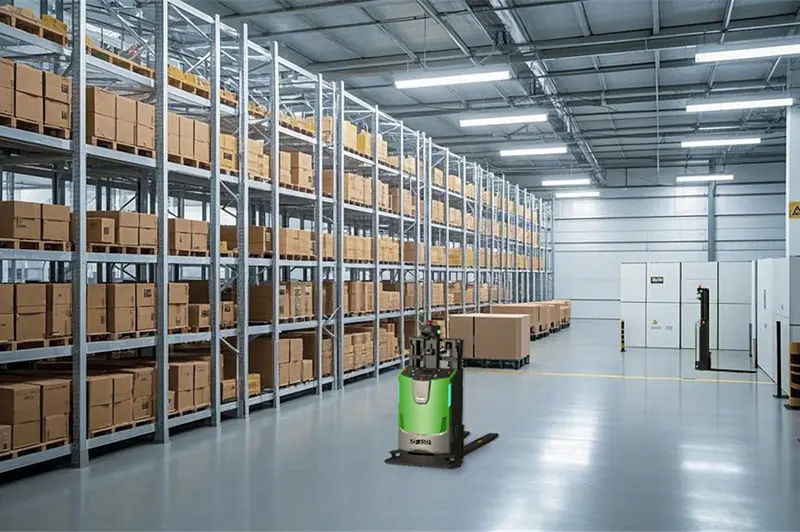
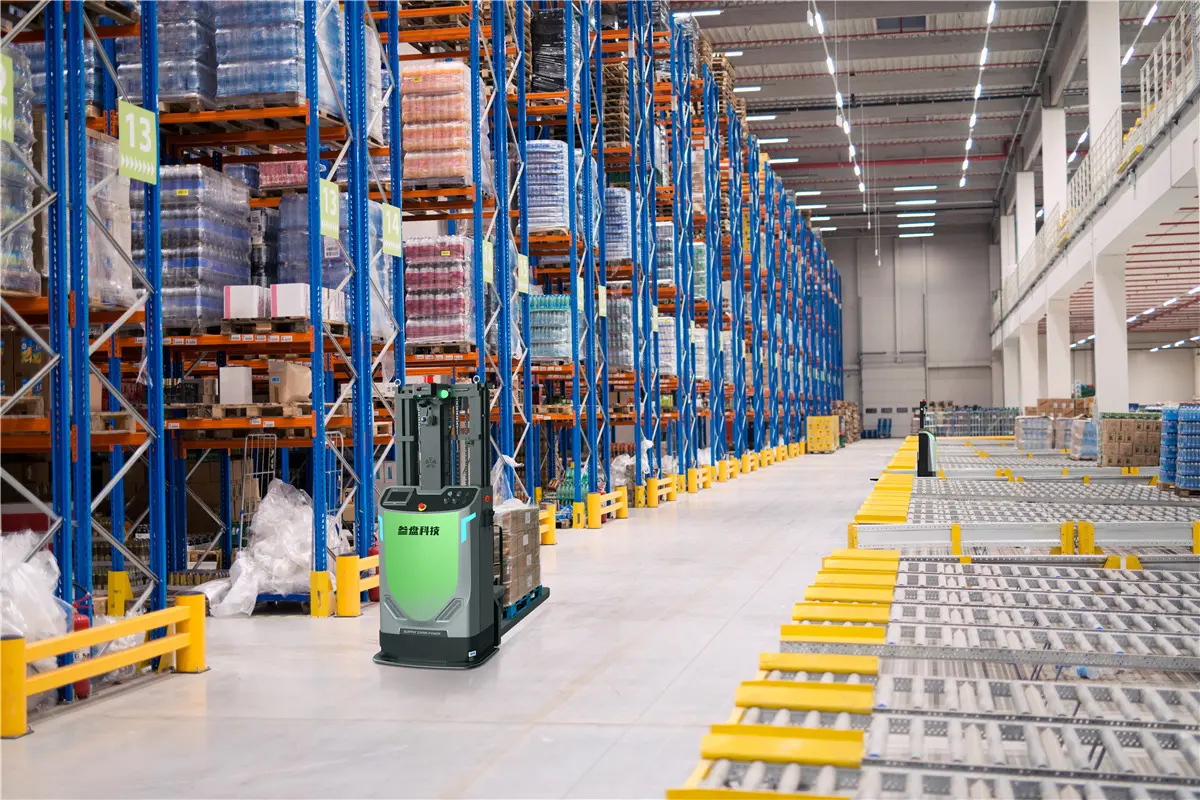
Taking actual business needs as our fundamental cornerstone, SCP is committed to comprehensively innovating and enhancing the overall supply chain planning of global enterprises. We provide enterprises with comprehensive end-to-end supply chain solutions, building a multi-role and multi-dimensional intelligent supply chain collaboration system that achieves all-round efficient collaboration and process optimization.
At present, SCP has established a robust product architecture supported by software and hardware, and supplemented by the top-level design of the supply chain control tower. This integration allows us to create agile, flexible, and highly efficient end-to-end supply chain ecosystems for global enterprises. By bridging the gap between mechanical material handling (such as AMB mobile robot chassis and Laser SLAM smart forklifts) and digital warehouse planning software, we guarantee a cohesive material flow from receiving to final dispatch.
As a subsidiary of New Hope Group, we have a good market reputation and execution ability. Moreover, we have an in-depth understanding of multiple industries, guaranteeing reliability across complex installations.
We were incubated based on the digital needs of the business side within the New Hope system, and have participated in many projects of the same type. Therefore, we have a better understanding of actual business scenarios and demands.
We possess self-development and integration capabilities for various systems in procurement, sales, and supply. We can easily meet the individual, custom needs of different customers.
We provide certain light consulting services alongside projects, covering multiple dimensions such as process optimization and assessment weight, to assist customers in the construction of digital transformation of their supply chains.
We have a professional, highly skilled delivery team for commercial projects. We actively respond to the personalized needs of customers and can ensure fast and high-quality delivery according to strict global customer requirements, mitigating deployment downtime.
In terms of technology research and development, SCP continues to increase its investment and constantly optimize the product architecture supported by software and hardware and the top-level design of the supply chain control tower.
By strengthening the self-development and integration capabilities of various systems in procurement, sales, and supply, we continuously improve the technical level and competitiveness of our products and services. We build a solid foundation for the sustainable development of enterprises and the industry with leading technologies.
At the same time, we actively explore the application of cutting-edge technologies in the supply chain field, promote technological iteration and upgrading, and maintain a leading position in the industry in terms of technology.
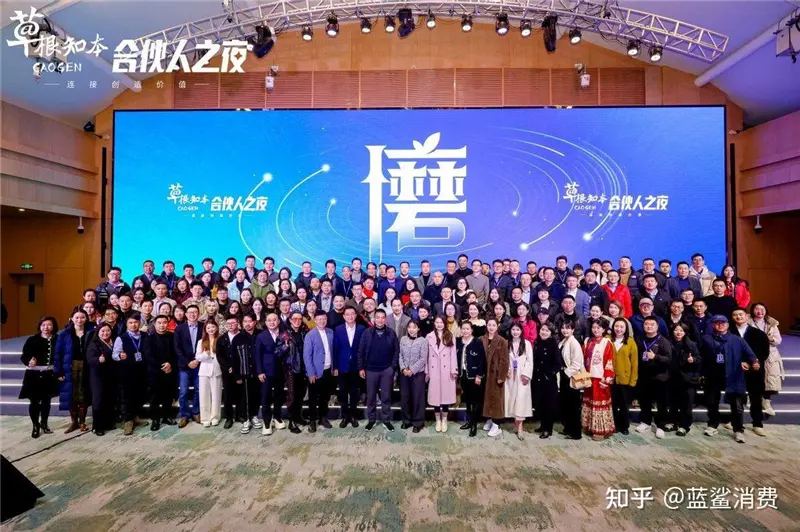
In terms of ecological construction, relying on the rich industrial resources and extensive business layout of Caogenziben, SCP deeply explores the supply chain needs of multiple industries such as food consumption and creates solutions that are suitable for actual scenarios.
By empowering key links such as cold chain logistics, we promote the standardized management and efficiency improvement of the supply chain and facilitate the collaborative development of the entire industrial chain.
In addition, we actively carry out in-depth cooperation with overseas partners, absorb international advanced experience and technologies, expand the international market, enhance the global influence of the enterprise, and build a supply chain technology ecosystem with international competitiveness.
From a long-term development perspective, with the vision of "Leading the technological upgrade of the supply chain and achieving extraordinary value for transformers", SCP integrates the concept of sustainable development into its corporate strategic planning and daily operations.
We not only focus on our own growth and profitability but also look to promote the green, intelligent, and efficient development of the industry. We build a more perfect supply chain collaboration system for future enterprises.
While achieving our own sustainable development, we create greater value for society and become a backbone force in promoting the sustainable development of the supply chain technology industry.
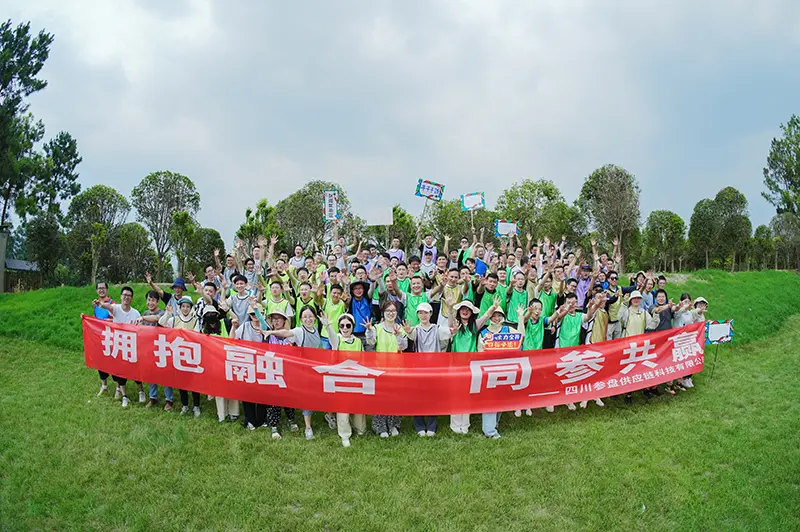
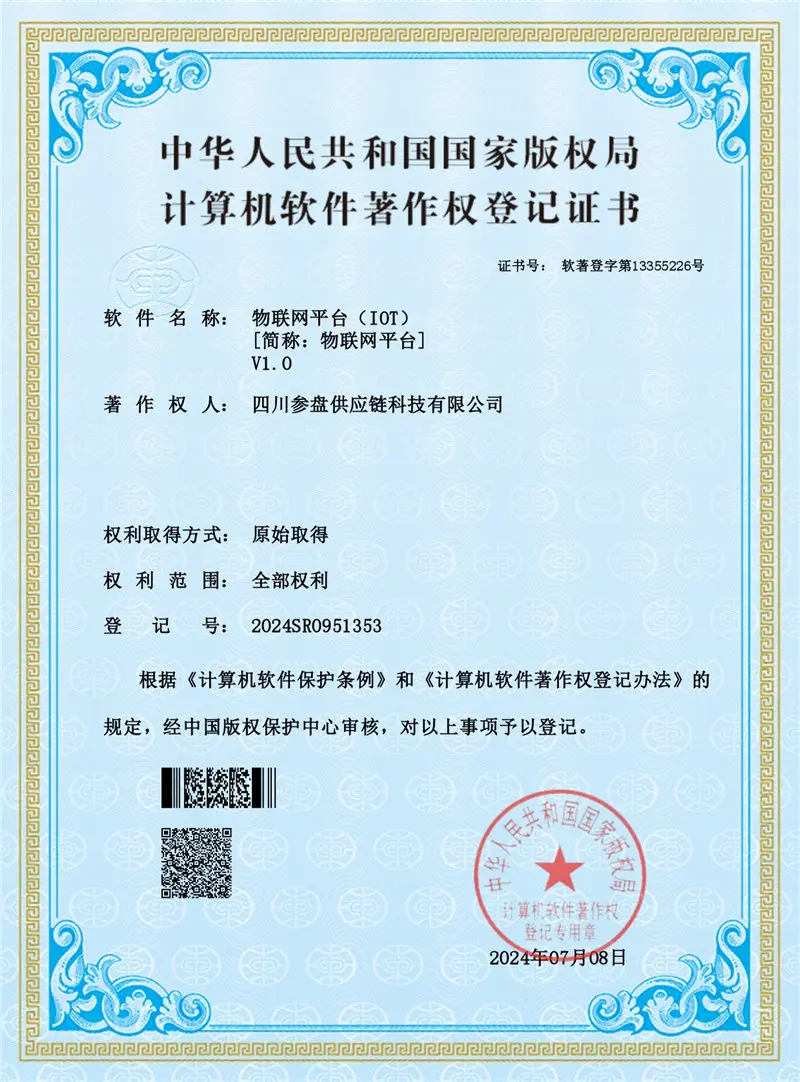
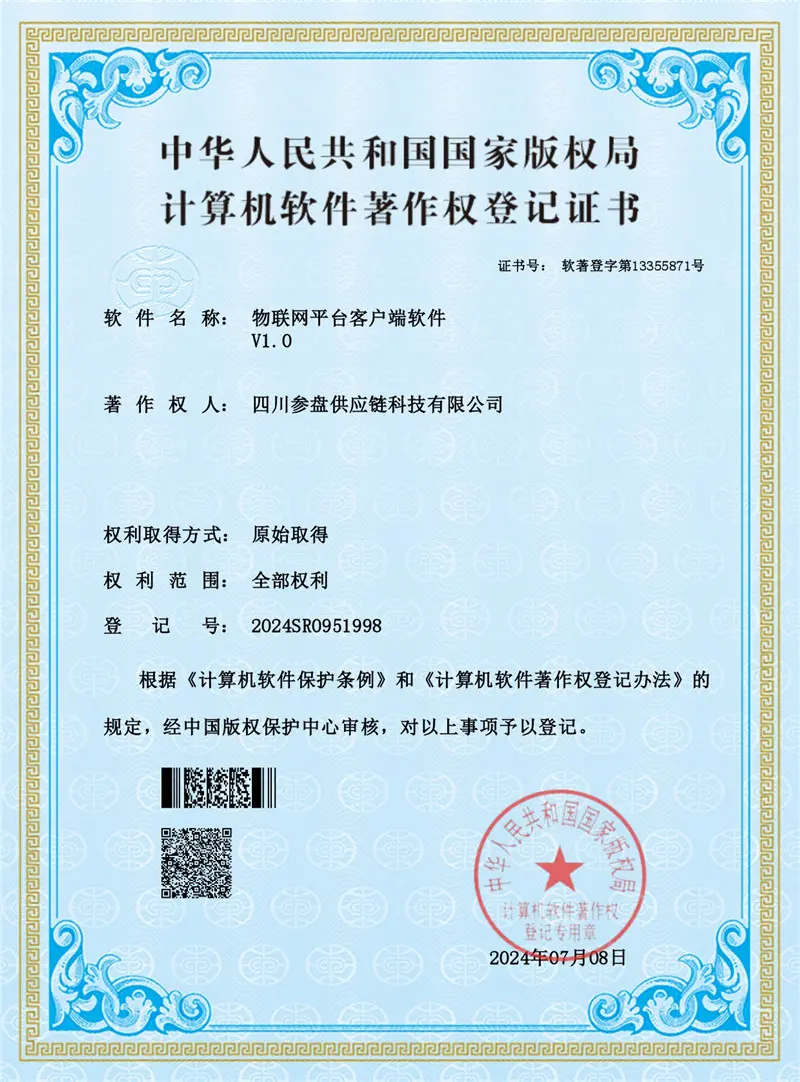
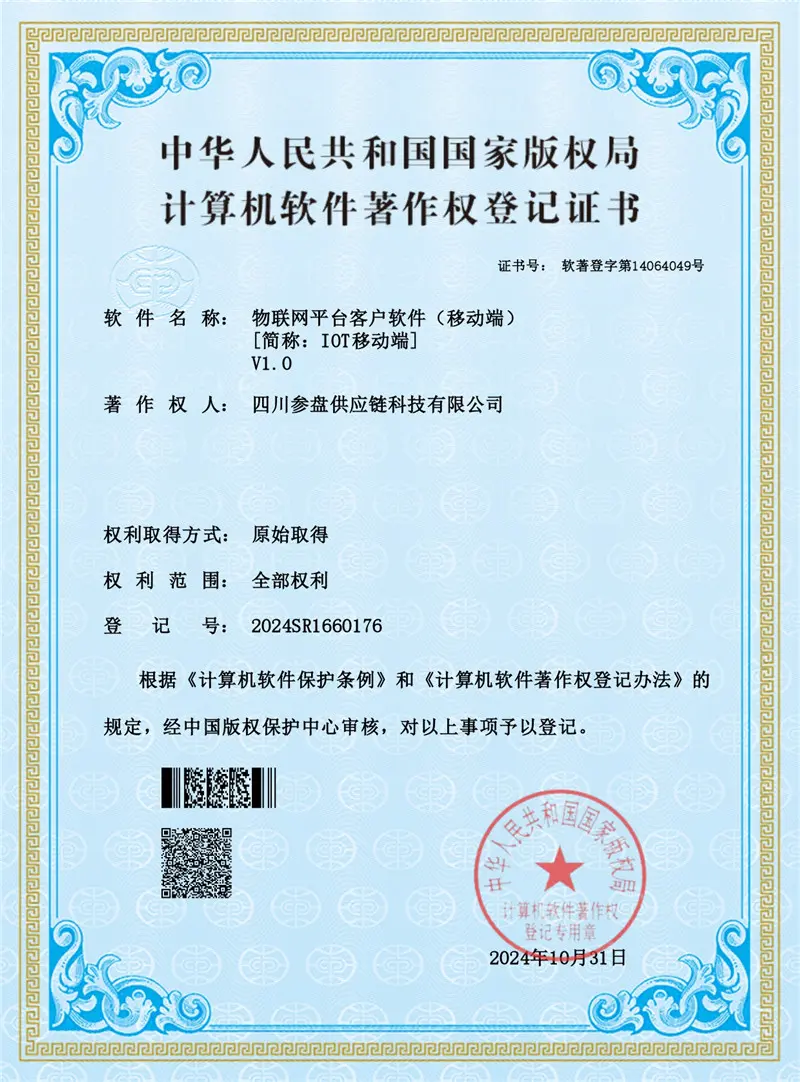
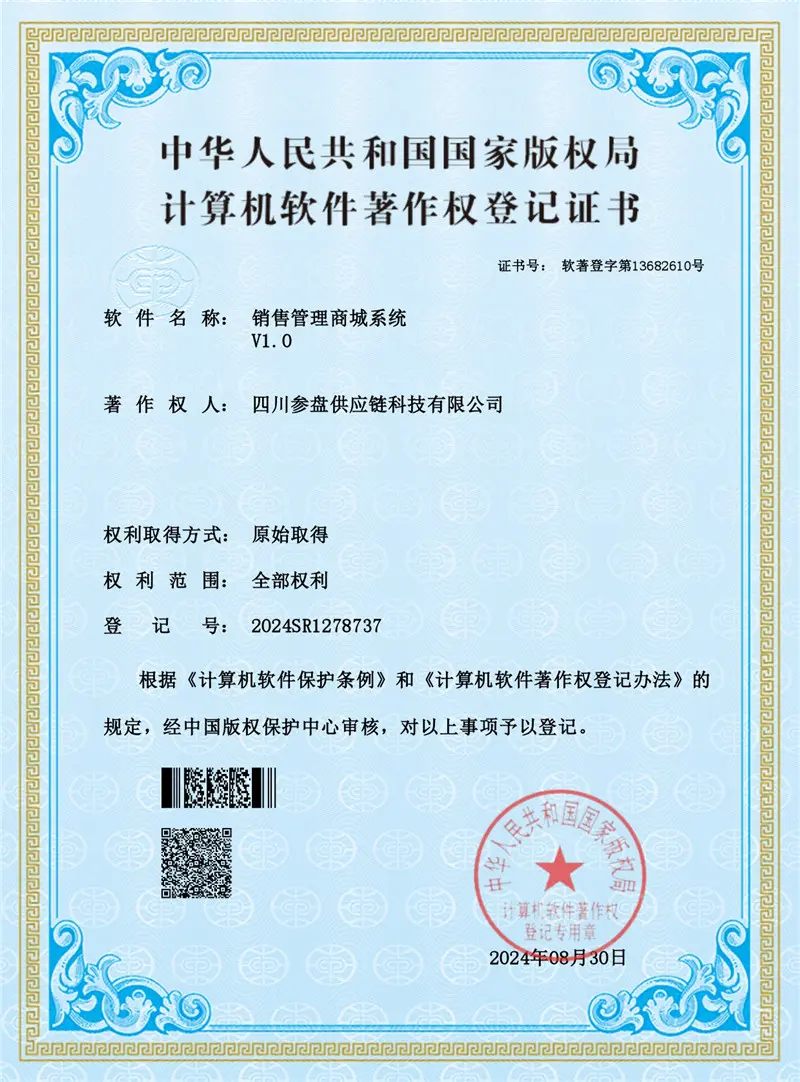
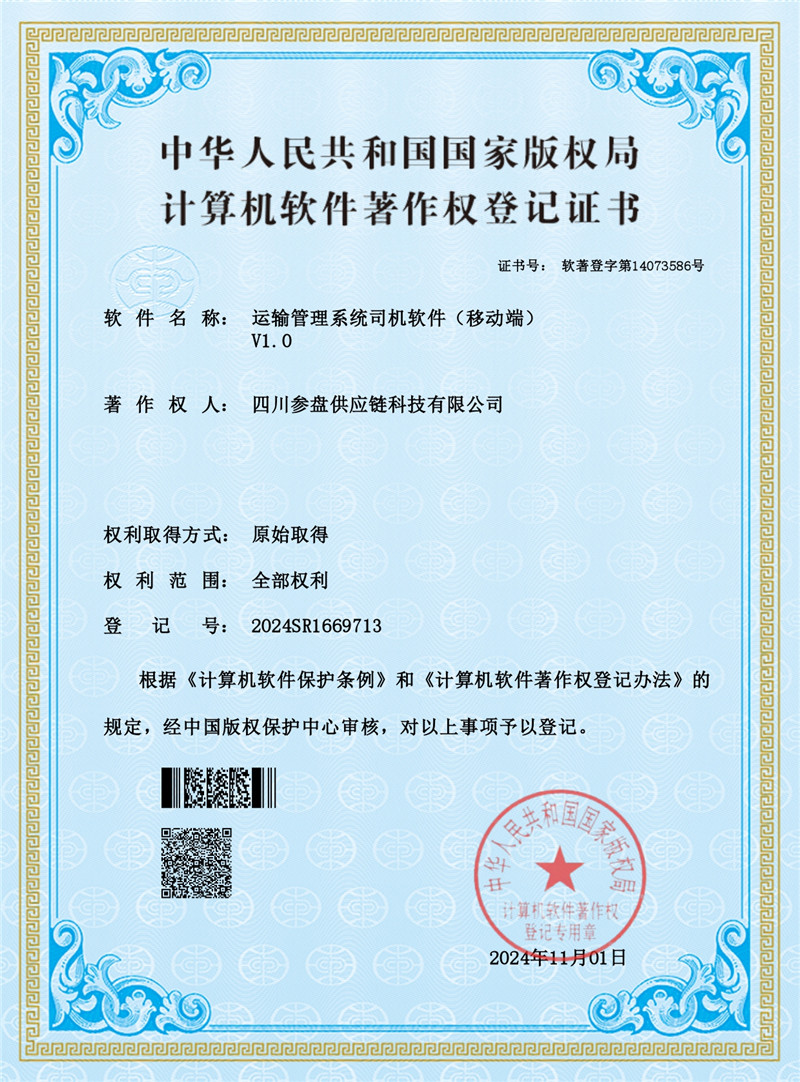
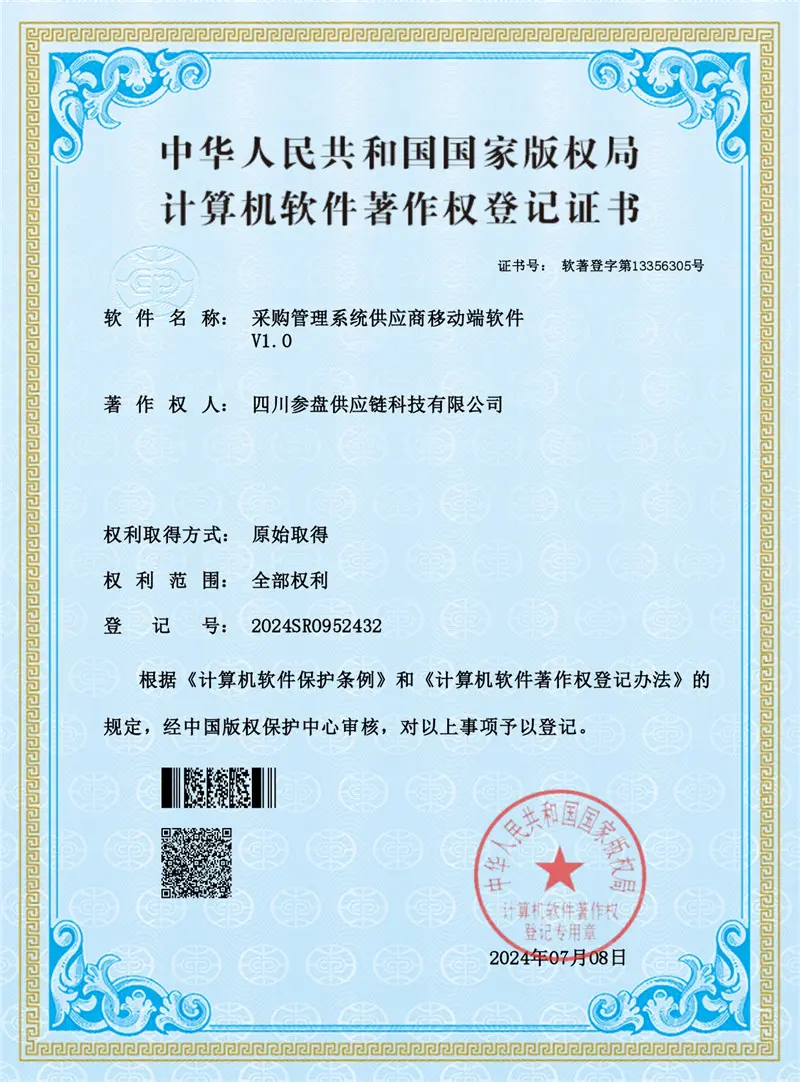
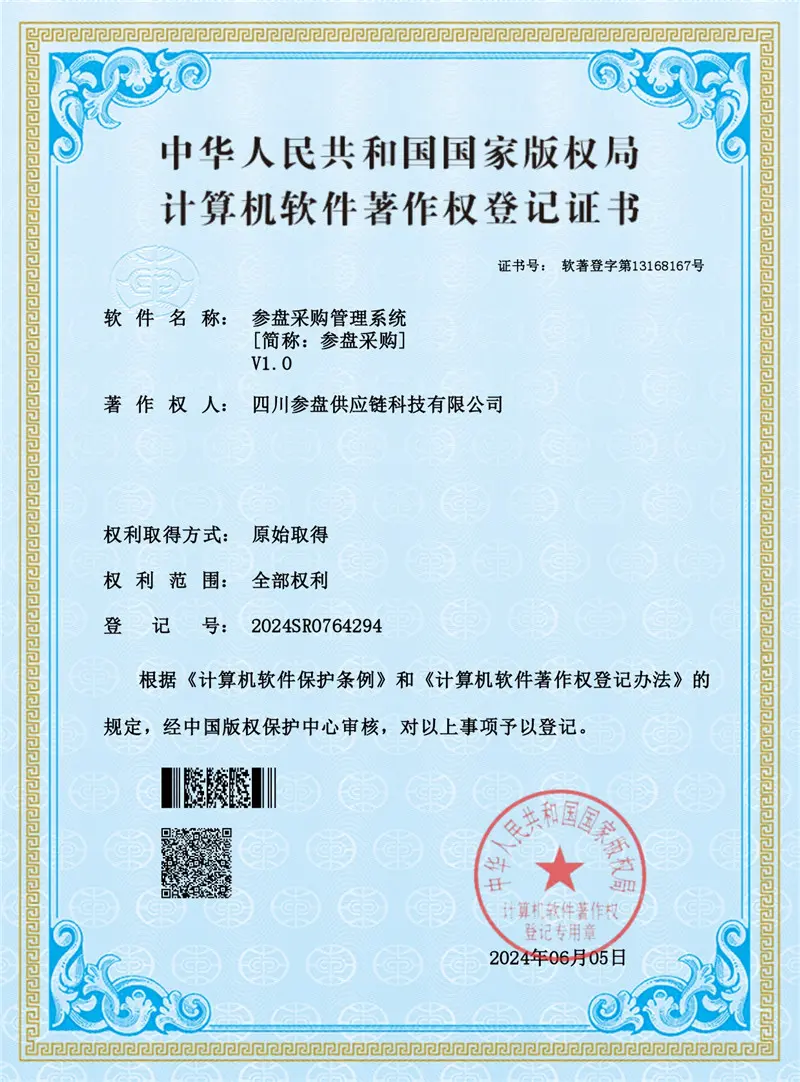
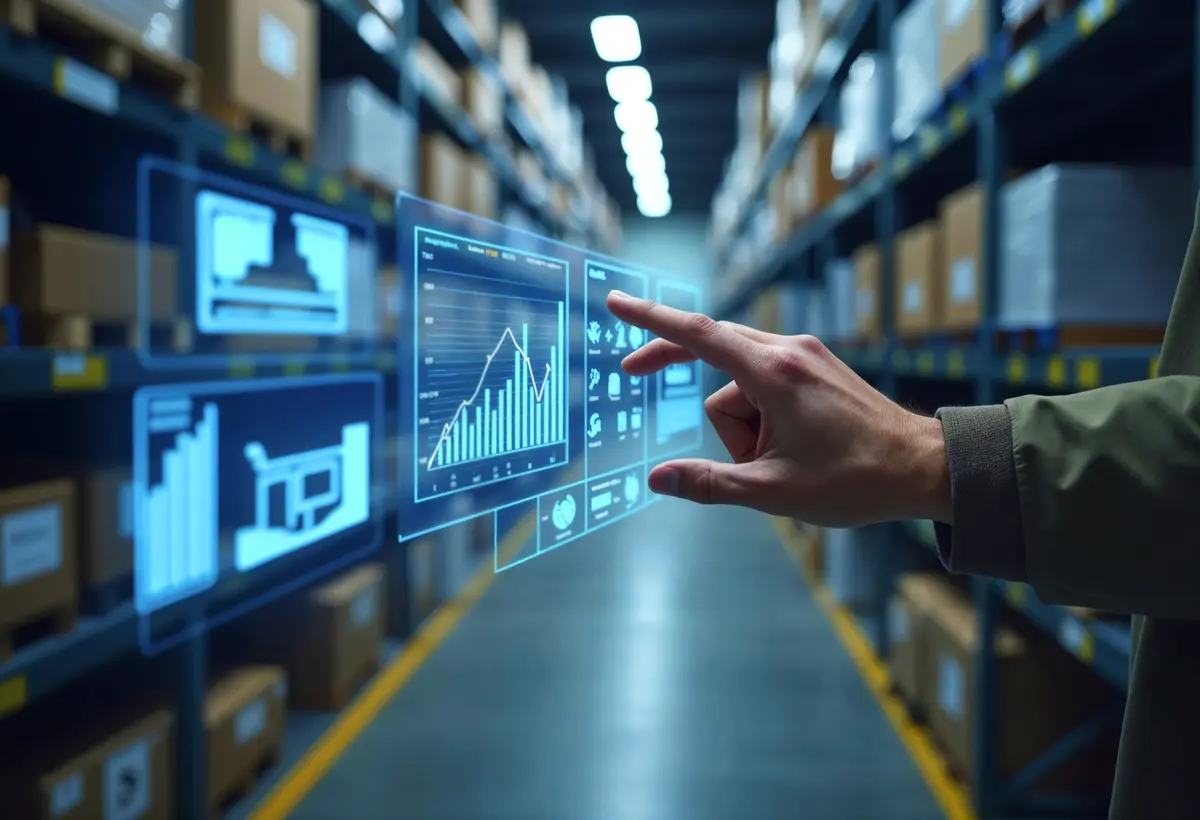
SCP focuses on providing comprehensive solutions for the food supply chain, as well as research and development of intelligent software and hardware products and services. The company aims to be based on the Internet of Things (IoT), AI, machine learning, intelligent devices and other technologies.
Through our automated, digitized, intelligent and systematic technology products and solution matrices, we enhance the overall operational efficiency of supply chain procurement, supply, and sales. By integrating these systems directly with heavy-duty material handling machinery—such as our Laser SLAM smart forklifts and customizable mobile robot chassis—we directly upgrade the value and performance metrics of upstream and downstream manufacturing industries.
Traditional Autonomous Guided Vehicles (AGVs) rely on static guidance paths, such as magnetic tapes, floor wires, or embedded QR codes. They follow predefined routes and stop if an obstacle blocks their path. Laser SLAM (Simultaneous Localization and Mapping) Autonomous Mobile Robots (AMRs) use built-in LiDAR sensors and onboard processors to map their environment dynamically. If a Laser SLAM smart forklift detects an obstacle, it calculates an alternative route around the blockage without human intervention, ensuring uninterrupted materials flow.
Reputable Chinese manufacturers construct AGVs and smart forklifts in accordance with international standards, such as ISO 3691-4 (safety requirements for driverless industrial trucks), CE machinery directives, and ANSI/ITSDF B56.5. System components like LiDAR safety scanners (such as SICK or Pepperl+Fuchs) and safety PLCs are integrated to achieve Performance Level d (PL-d) compliance. Before shipment, factory procedures include extensive multi-day dynamic obstacle detection, emergency stop functionality, and gradeability load trials.
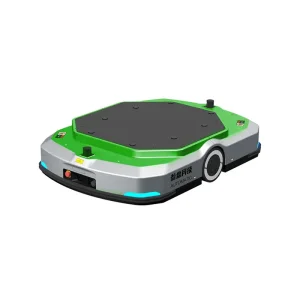
Yes. The AMB-CSW10-BH mobile robot chassis features a highly modular hardware and software interface design. It provides standard mechanical mounting points, power ports, and digital communications protocols (such as CAN, Ethernet, or Modbus). Sourcing OEMs can easily install custom mechanical assemblies, including automated roller conveyors, mechanical lifting jacks, collaborative robot arms, or tailored material racks. The onboard software SDK allows engineers to program the chassis behaviors directly.
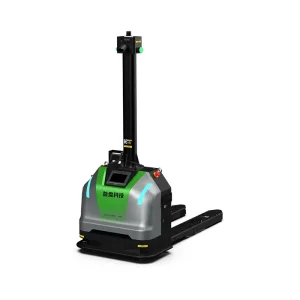
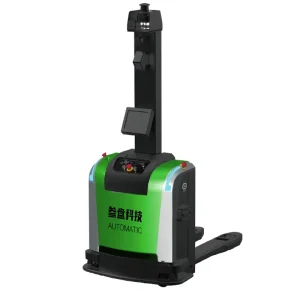
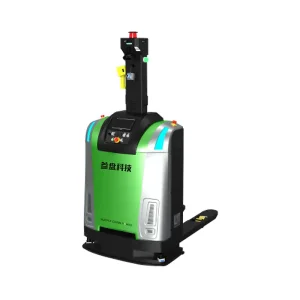
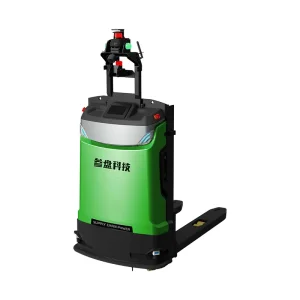
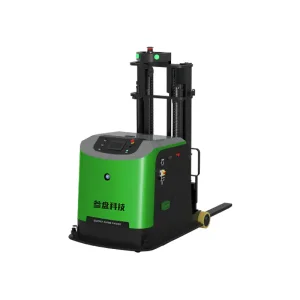
Our smart forklifts (e.g., SFL-CDD20-Y and SFL-CBD20) are equipped with high-density Lithium Iron Phosphate (LiFePO4) industrial battery packs. These systems support opportunistic fast-charging workflows, allowing the robot to automatically navigate to a floor-mounted charging pad during lunch breaks or operational downtime. A typical 2-hour charge provides up to 8 hours of continuous operation. The battery chemistry supports over 3,000 deep discharge cycles before capacity degrades below 80%.
Fleet management and dispatching systems use smart pathfinding algorithms (such as A* or Dijkstra variants) combined with traffic control strategies. The fleet manager server monitors each AGV's location, heading, velocity, and intended route. If two vehicles approach an intersection, the software automatically assigns right-of-way, holding one unit back until the area is clear. This minimizes cross-traffic latency and prevents physical collisions in narrow aisles.
 SCP
SCP