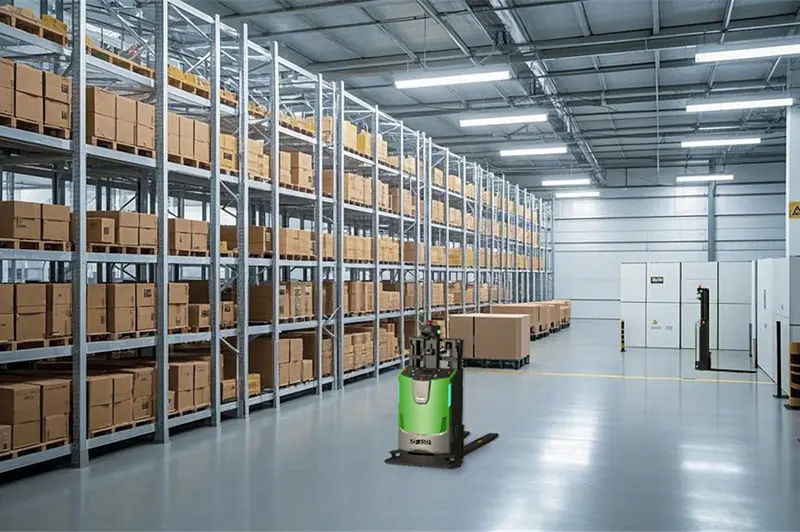
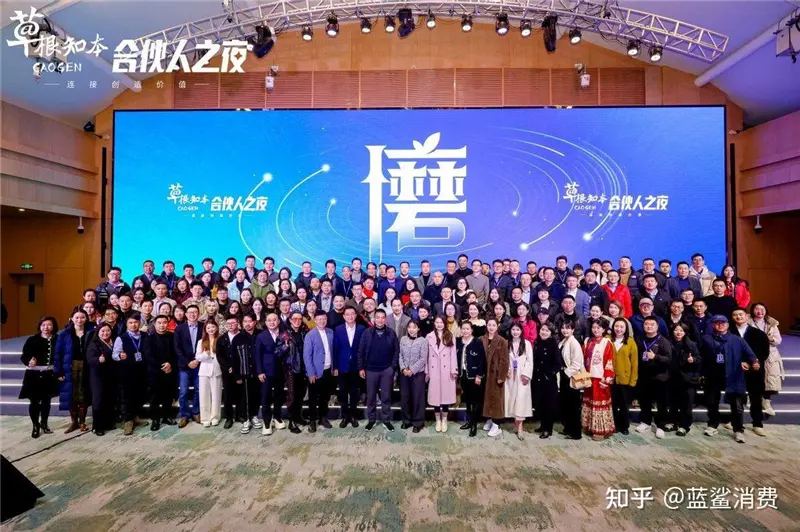
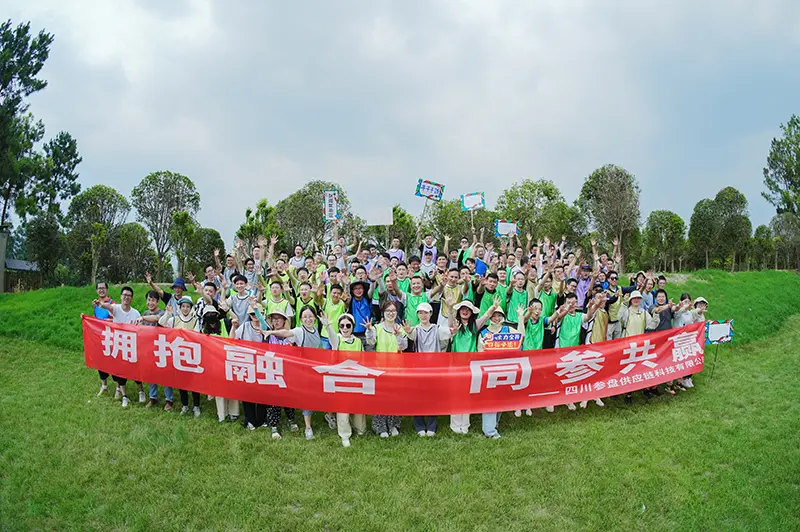
Explore our cutting-edge material handling robots engineered for narrow aisles, high payloads, and absolute safety compliance.
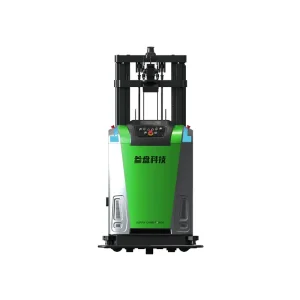
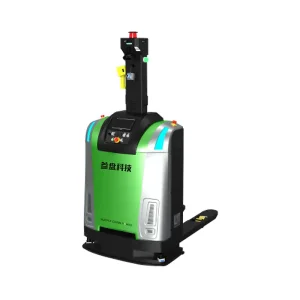
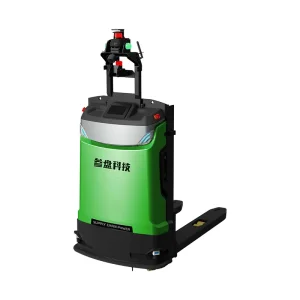
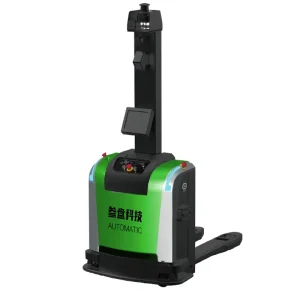
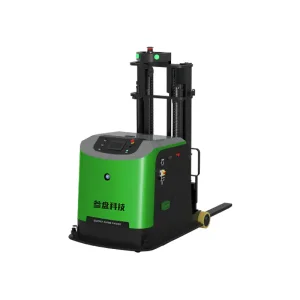
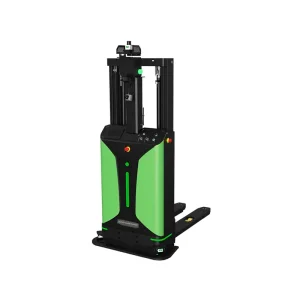
Decoding the macroeconomic shift, global procurement imperatives, and the technological architecture defining the next decade of automated material handling.
Modern global logistics networks are facing unprecedented structural strain. Rising labor costs, demographic shifts, and spatial limitations have forced modern manufacturing facilities to move beyond manual forklift operations. Automated Forklift Robots (AMRs / AGVs) represent the standard transition for high-efficiency intralogistics.
Today, multinational manufacturing complexes and smart warehouses are integrating Laser SLAM (Simultaneous Localization and Mapping) forklifts to transition from static automation to dynamic workspace adaptability. By replacing traditional magnetic tape guidelines with intelligent environment mapping, these robots navigate complex industrial pathways with complete autonomy.
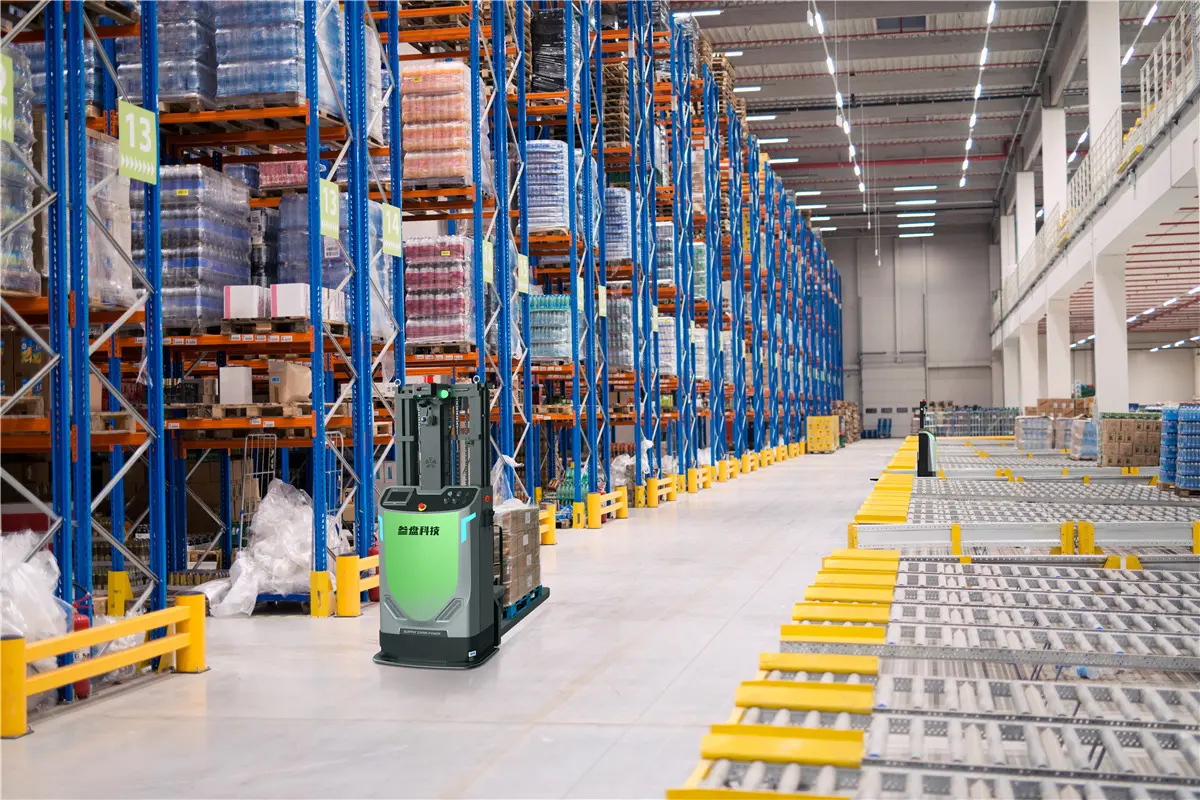
Global procurement teams assessing Chinese manufacturers prioritize two core operational standards: total cost of ownership (TCO) and flexible system integration. Advanced systems must interface seamlessly with existing WMS (Warehouse Management Systems) and ERP configurations.
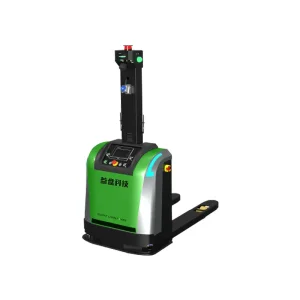
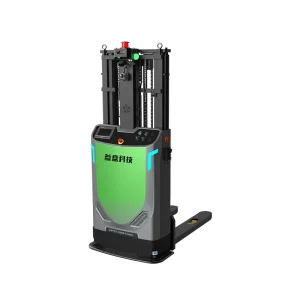
Additionally, hardware reliability in heavy-duty scenarios is paramount. SFL-series forklifts are engineered with structural capacity ratings ranging from 1,400kg to 3,000kg. Safety criteria such as EN ISO 3691-4 certification and double-LiDAR coverage guarantee that automated forklifts operate safely alongside human labor, mitigating liability and ensuring non-stop productivity.
1. Integration Agility: Supports open VDA 5050 protocols for seamless multi-fleet orchestration.
2. Hybrid Navigation: Smoothly switches between Laser SLAM, natural navigation, and reflector-based positioning.
3. Operational Longevity: Lithium iron phosphate (LFP) power sources paired with autonomous opportunistic charging stations.
Rooted in real-world industrial needs, SCP is dedicated to comprehensively innovating and enhancing global supply chain structures.
Taking actual business demands as our cornerstone, SCP provides enterprises with comprehensive, end-to-end supply chain planning. We build multi-role and multi-dimensional intelligent supply chain collaboration systems, achieving all-round efficient collaboration and process optimization.
Our product architecture is supported by integrated software and hardware platforms, supplemented by the top-level design of the Supply Chain Control Tower. This approach creates an agile, flexible, and efficient end-to-end logistics ecosystem for global enterprises.
SCP is built on three main pillars:
As a subsidiary of New Hope Group, we possess an established market reputation, strong execution, and deep domain expertise across multiple manufacturing and distribution sectors.
Incubated directly from internal digital needs within the New Hope ecosystem, we possess an intimate understanding of complex real-world warehousing and logistics operations.
We possess robust in-house development and integration capabilities for systems covering procurement, sales, and supply chain control, adapting to customized requests.
We provide comprehensive light consulting alongside physical deployments, guiding clients through workflow optimization, KPIs, and digital transformation roadmaps.
Our dedicated global project management team ensures fast, high-quality, and reliable delivery, complying with local safety and operational standards.
Integrating environmental stewardship and long-term tech innovation into industrial automation.
How SCP integrates software orchestration, IoT AI, and rugged hardware to deliver market-leading field reliability.

SCP focuses on providing comprehensive solutions for the food supply chain, as well as researching and developing intelligent software and hardware products. Through the integration of Internet of Things (IoT) AI, machine learning, and advanced sensor fusion, our systems optimize intralogistics operations.
Our fleet control software calculates real-time paths, coordinates multi-vehicle traffic flow, and predicts maintenance requirements before hardware failure occurs. This proactive maintenance strategy minimizes system downtime in highly demanding logistics hubs.
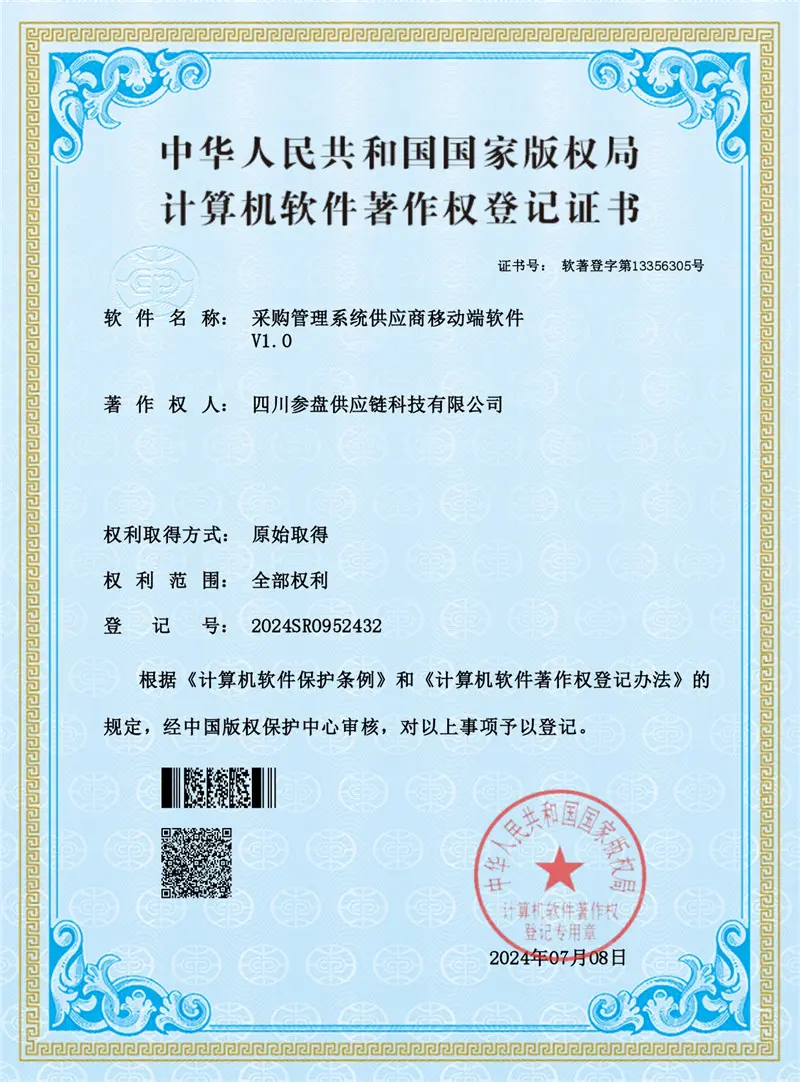
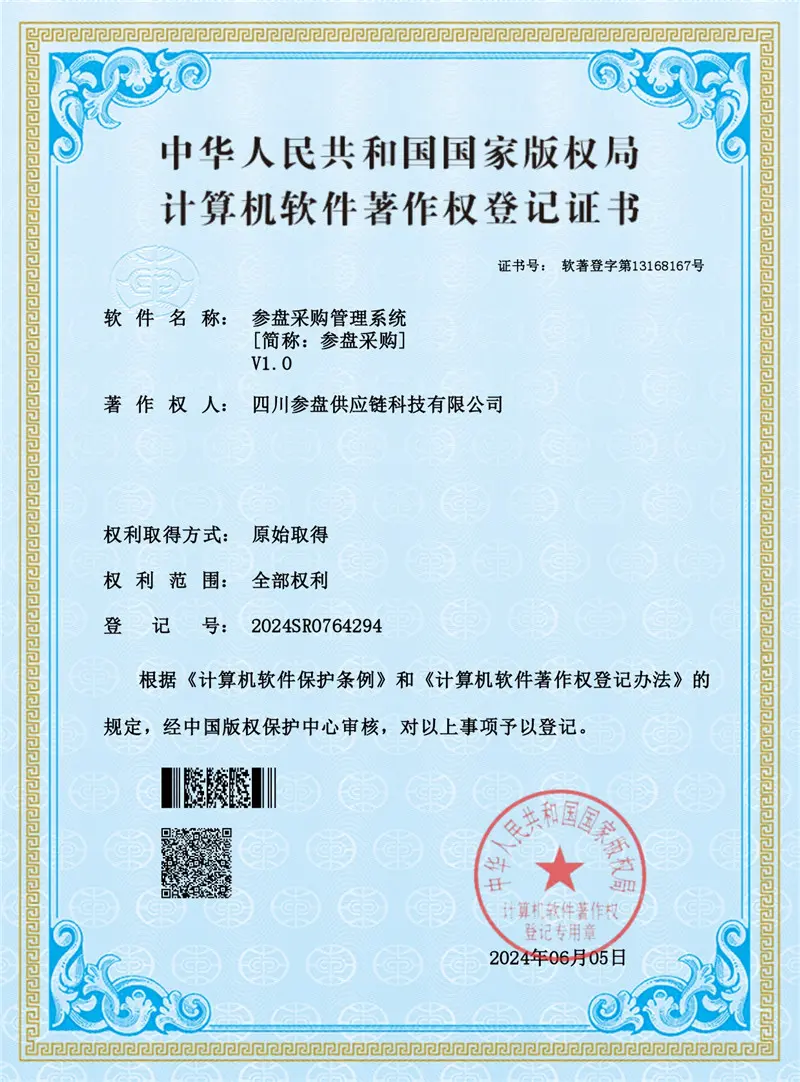
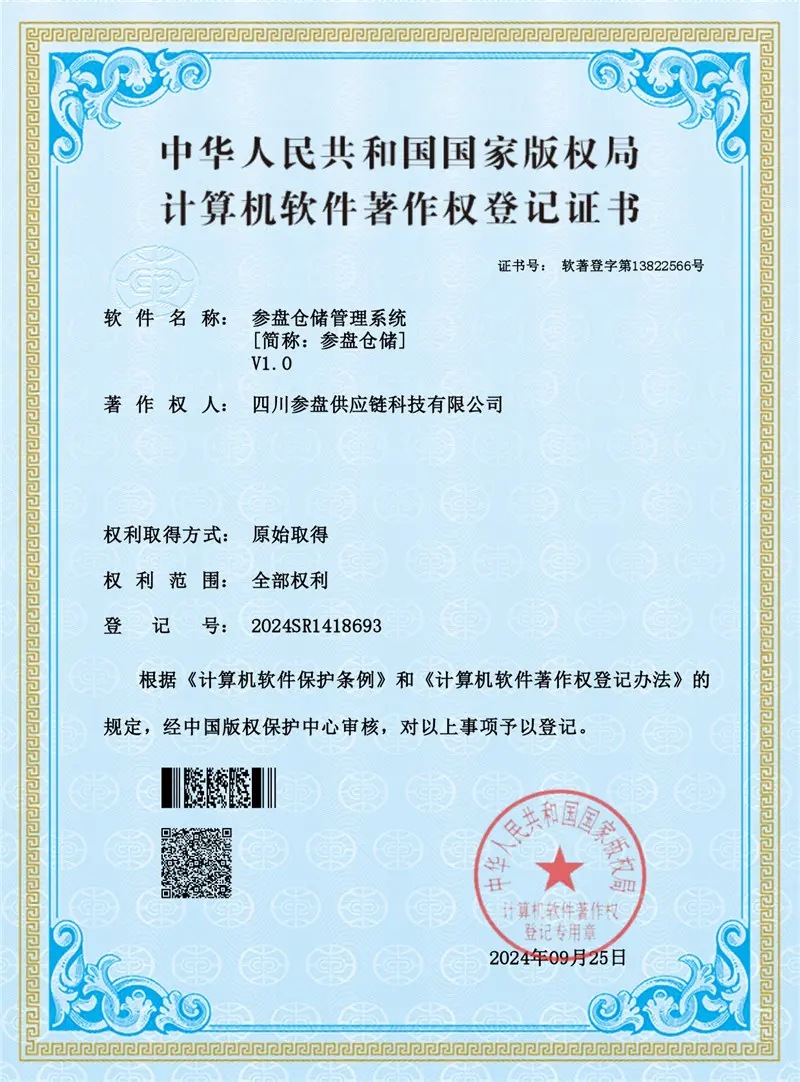
Rigorous quality controls and industrial compliance certifications guarantee safe operation across international regions.
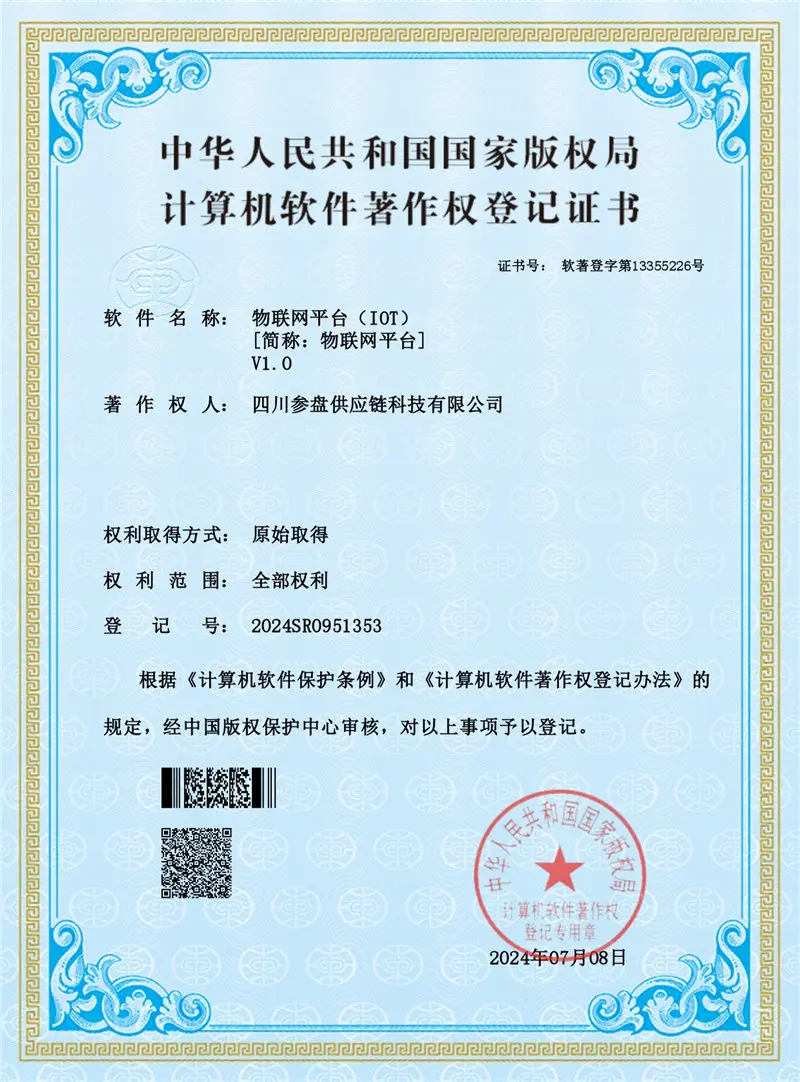
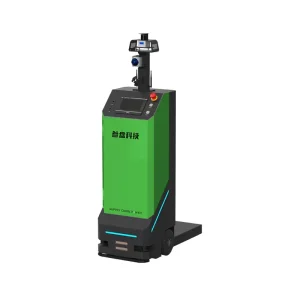
Explore our heavy-load stackers, single wishbone robotic chassis, and customized automation systems designed to handle diverse industrial profiles.
Addressing the core technical, compliance, and integration questions posed by enterprise logistics coordinators.
 SCP
SCP