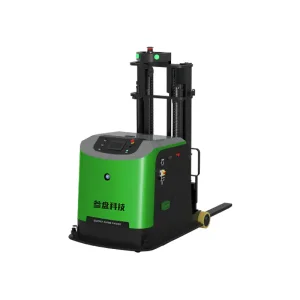
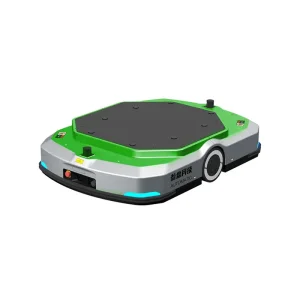
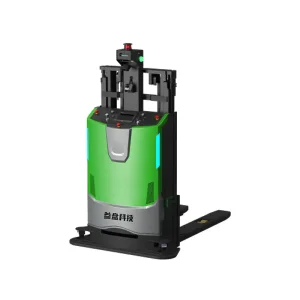
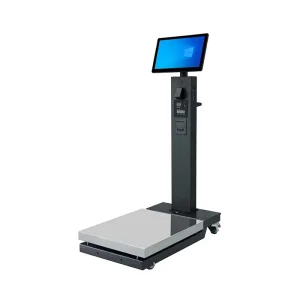
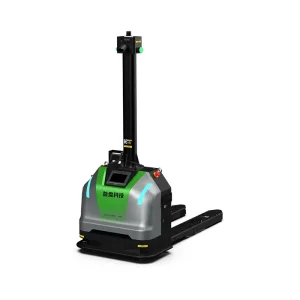
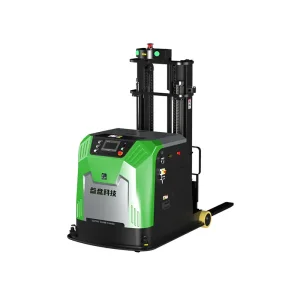
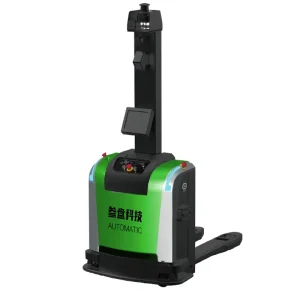
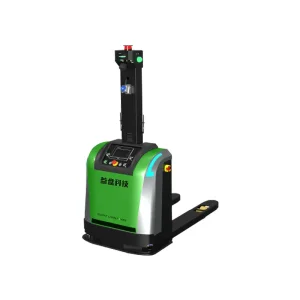
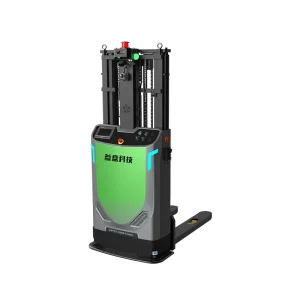
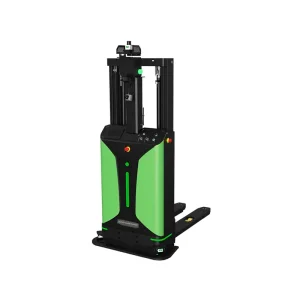
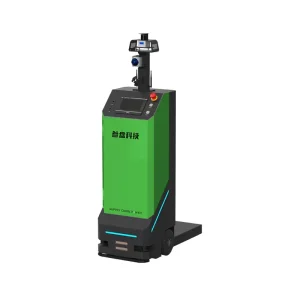
Explore our premier line of Laser SLAM autonomous mobile robots, automated smart forklifts, and heavy-duty chassis systems directly supplied from our advanced factories.
The industrial landscape is undergoing a massive transformation, shifting from legacy rigid logistics infrastructure to highly dynamic, software-driven System AGV (Automated Guided Vehicle) frameworks. In the past, AGVs relied on physical guide marks—such as magnetic tape or floor-embedded wires—which limited adaptation speeds and increased deployment costs. Modern factories are rapidly migrating toward autonomous navigation systems powered by Laser SLAM (Simultaneous Localization and Mapping).
Key industry movements driving this change include the integration of multi-spectral sensor fusion (combining LiDAR, 3D Time-of-Flight cameras, and ultrasonic sensors) to ensure safety in dynamic worker environments. Concurrently, the growth of smart warehouses and gigafactories demands that AGV fleets interact seamlessly with Warehouse Management Systems (WMS) and Enterprise Resource Planning (ERP) databases via advanced cloud and edge computing architectures.
Modern AGV systems are no longer isolated units; they are coordinated swarms. Utilizing advanced scheduling algorithms, modern fleet managers dynamically optimize routes in real time, preventing traffic deadlocks and ensuring continuous raw material flow.
When procuring System AGVs, multinational enterprises prioritize robust designs, long-term stability, and seamless mechanical integrations.
Compliance with safety certifications (such as ISO 3691-4, EN 1525, CE, and ANSI/ITSDF B56.5) is critical. Factories must provide functional safety guarantees with PLd/Cat3 architectures to safeguard human workers in mixed zones.
Beyond initial acquisition capital, global buyers evaluate battery life cycles (such as premium LiFePO4 cells), maintenance availability, component reliability, and modular designs that simplify parts replacement.
Modern operations require standard APIs (REST, gRPC, and ROS2 modules) to bridge AGV fleets with MES (Manufacturing Execution Systems) and ERP layers, ensuring real-time operational transparency.
China's industrial automation hubs are driving the evolution of AGV systems through comprehensive vertical integration. Leveraging deep supply chains that cluster electronics, laser sensors, drive-wheel assemblies, and lithium battery manufacturing in close proximity, Chinese AGV factories offer notable structural advantages.
This ecosystem supports quick engineering cycles, shifting from prototype design to serial production in fractions of the time required by traditional markets. Additionally, localized software integration groups allow AGV manufacturers to quickly customize sensor payloads and mechanical platforms, meeting the specific needs of diverse global facilities.
Taking the actual business needs as the cornerstone, SCP is committed to comprehensively innovating and enhancing the overall supply chain planning of enterprises. We provide enterprises with comprehensive end-to-end supply chain solutions, build a multi-role and multi-dimensional intelligent supply chain collaboration system, and achieve all-round efficient collaboration and process optimization.
At present, SCP has established a product architecture supported by software and hardware, and supplemented by the top-level design of the supply chain control tower to create an agile, flexible and efficient end-to-end supply chain system for enterprises.
Mission: Benefiting farmers and bringing welfare to consumers
Vision: Leading the technological upgrade of the supply chain and achieving extraordinary value for transformers
Positioning: Alliance of Developers of New Quality Supply Chain Technology
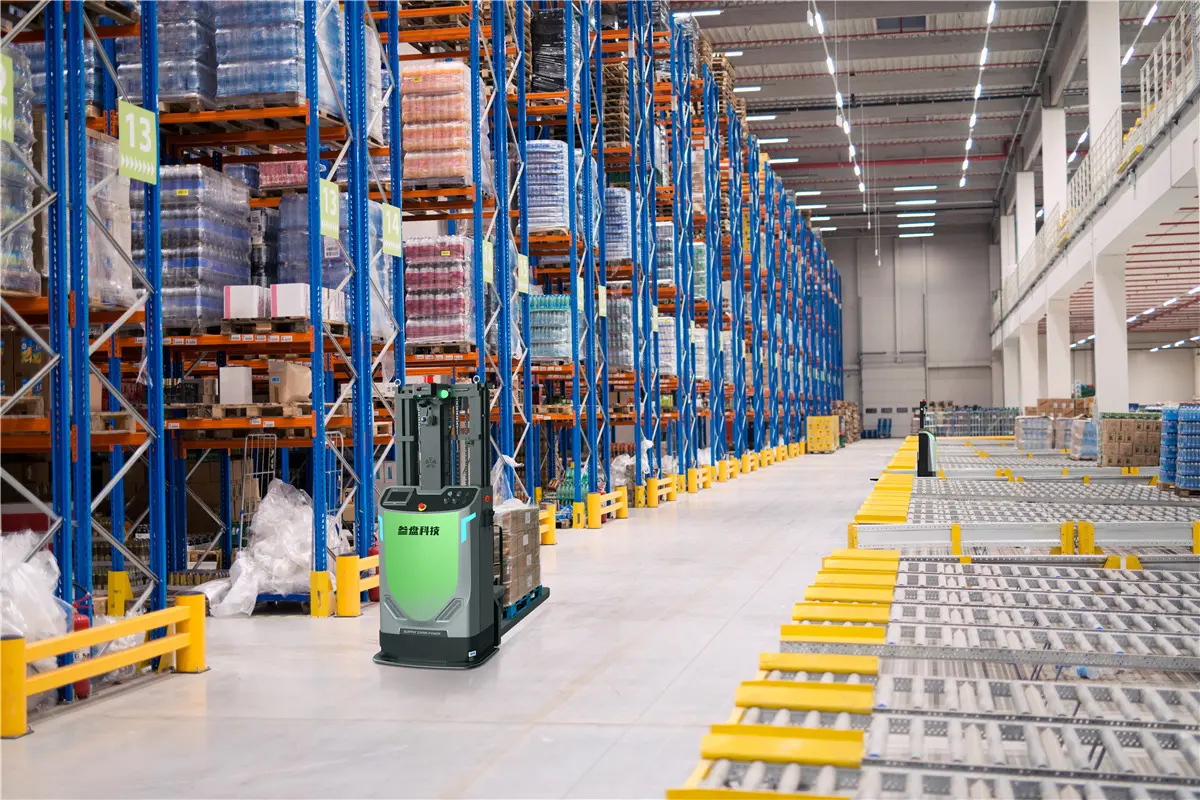
Backed by deep industrial experience and self-developed systems, we ensure consistent delivery across complex environments.
As a subsidiary of New Hope Group, we have a good market reputation and execution ability. Moreover, we have an in-depth understanding of multiple industries.
We were incubated based on the digital needs of the business side within the New Hope system, and have participated in many projects of the same type. Therefore, we have a better understanding of the actual business scenarios and demands.
We possess the self-development and integration capabilities for various systems in procurement, sales, and supply. We can well meet the individual needs of different customers.
We provide certain light consulting services alongside projects, covering multiple dimensions such as process optimization and assessment weight, to assist customers in the construction of digital transformation of their supply chains.
We have a professional delivery team for commercial projects. We actively respond to the personalized needs of customers and can ensure fast and high-quality delivery according to customer requirements.
Ensuring future-proof, environmentally responsible supply chains through persistent hardware-software innovation.
In terms of technology research and development, SCP continues to increase its investment and constantly optimize the product architecture supported by software and hardware and the top-level design of the supply chain control tower.
By strengthening the self-development and integration capabilities of various systems in procurement, sales, and supply, we continuously improve the technical level and competitiveness of our products and services. We build a solid foundation for the sustainable development of enterprises and the industry with leading technologies.
At the same time, we actively explore the application of cutting-edge technologies in the supply chain field, promote technological iteration and upgrading, and maintain a leading position in the industry in terms of technology.
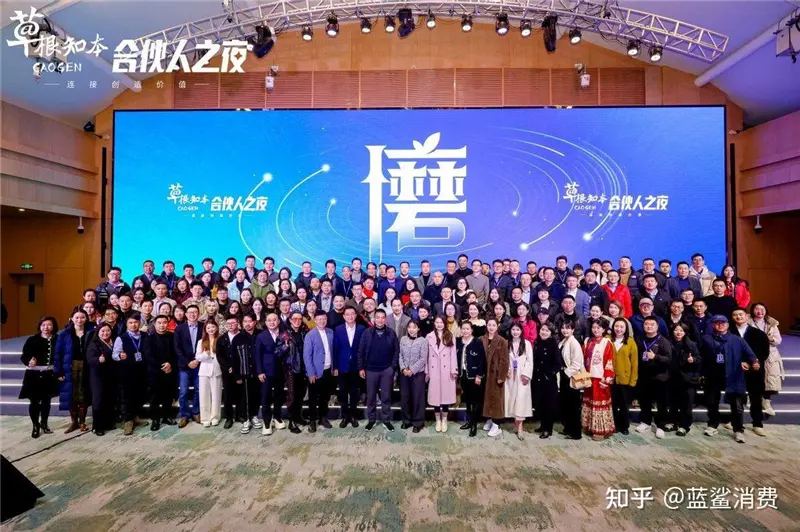
In terms of ecological construction, relying on the rich industrial resources and extensive business layout of Caogenziben, SCP deeply explores the supply chain needs of multiple industries such as food consumption and creates solutions that are suitable for actual scenarios.
By empowering key links such as cold chain logistics, we promote the standardized management and efficiency improvement of the supply chain and facilitate the collaborative development of the entire industrial chain.
In addition, we actively carry out in-depth cooperation with overseas partners, absorb international advanced experience and technologies, expand the international market, enhance the global influence of the enterprise, and build a supply chain technology ecosystem with international competitiveness.
From a long-term development perspective, with the vision of "Leading the technological upgrade of the supply chain and achieving extraordinary value for transformers", SCP integrates the concept of sustainable development into its corporate strategic planning and daily operations.
We not only focus on our own growth and profitability but also look to promote the green, intelligent, and efficient development of the industry. We build a more perfect supply chain collaboration system for future enterprises.
While achieving our own sustainable development, we create greater value for society and become a backbone force in promoting the sustainable development of the supply chain technology industry.
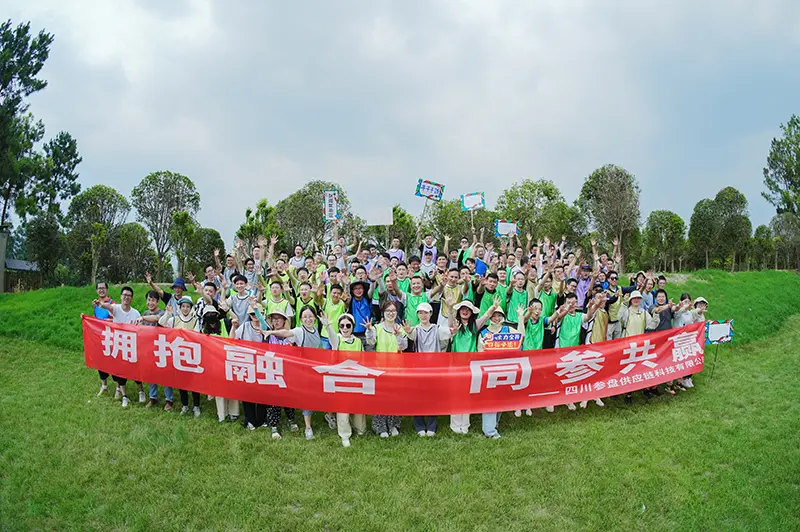
SCP focuses on providing comprehensive solutions for the food supply chain, as well as research and development of intelligent software and hardware products and services.
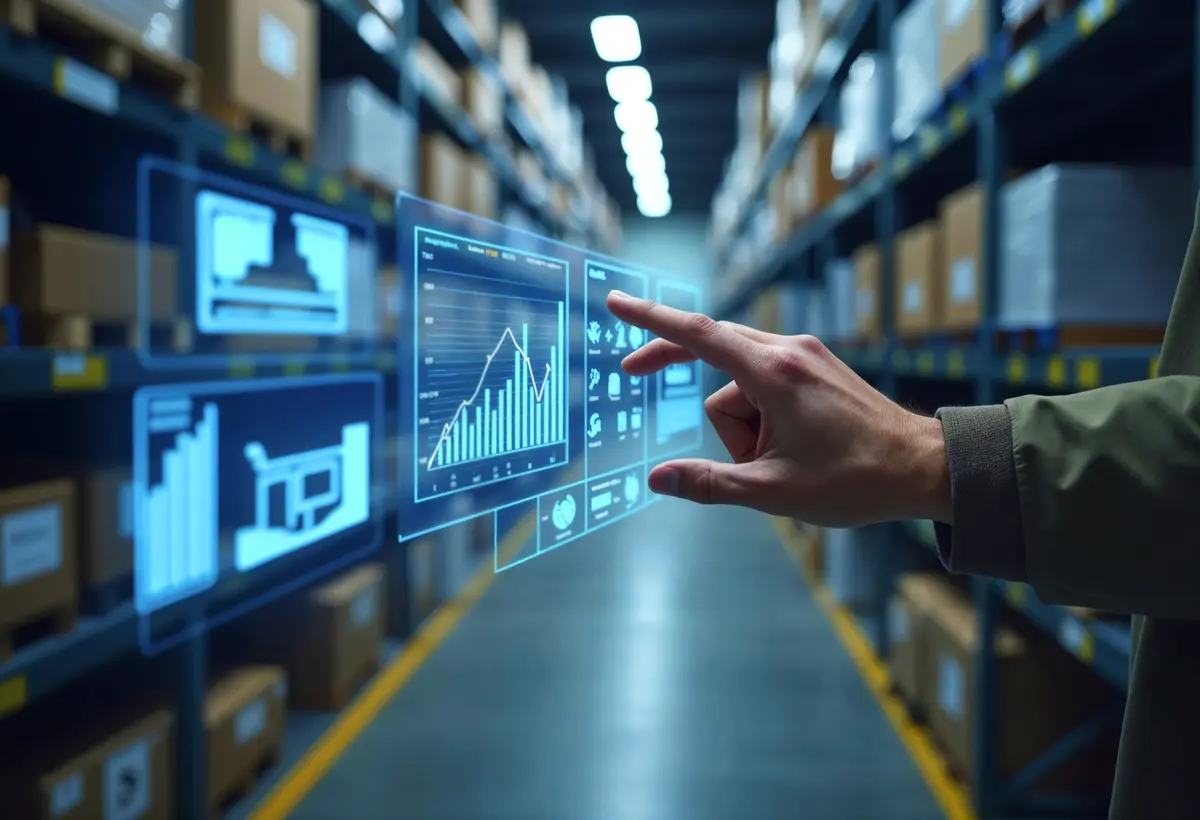
The company aims to be based on the Internet of Things (IoT), Artificial Intelligence (AI), machine learning, intelligent devices and other technologies. Through automated, digitized, intelligent and systematic technology products and solution matrices, we enhance the overall operational efficiency of supply chain procurement, supply, and sales, helping upgrade the value of upstream and downstream industries.
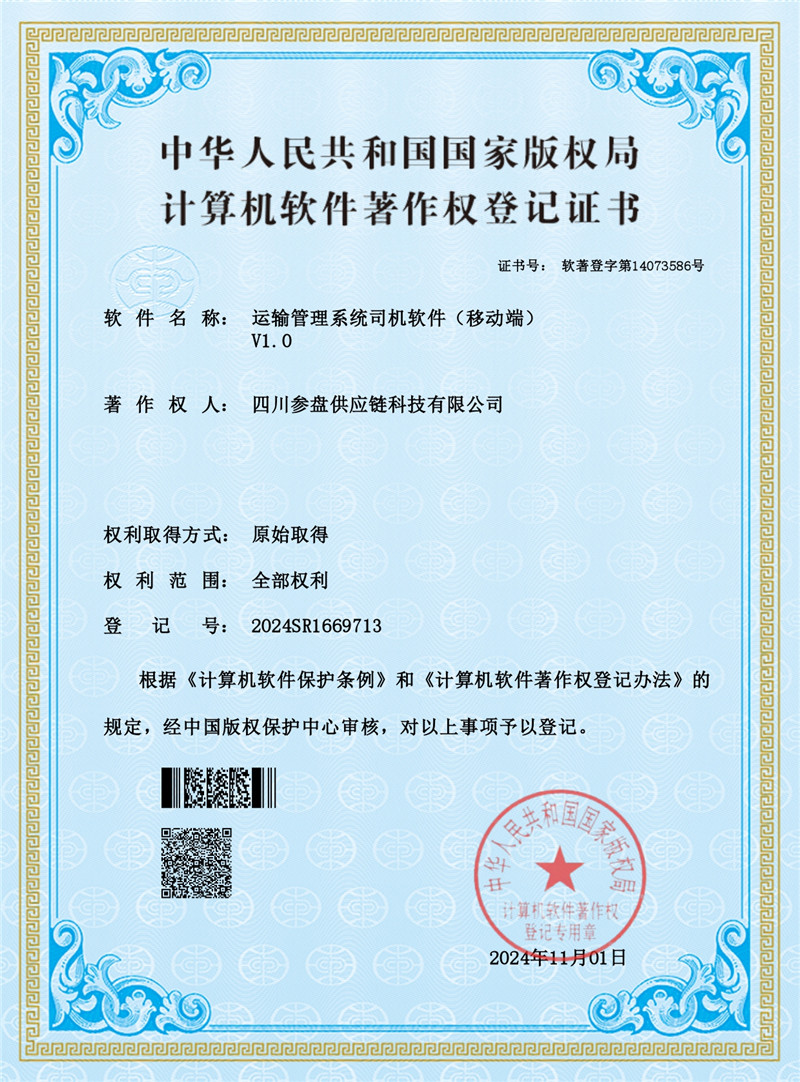
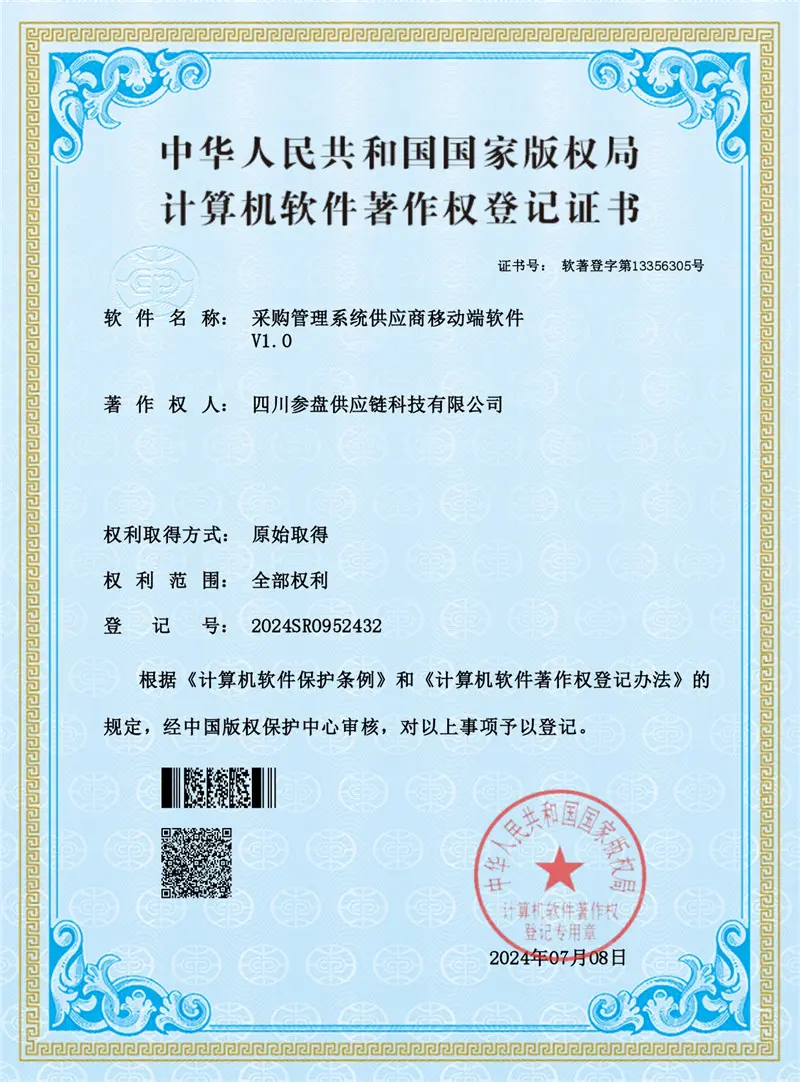
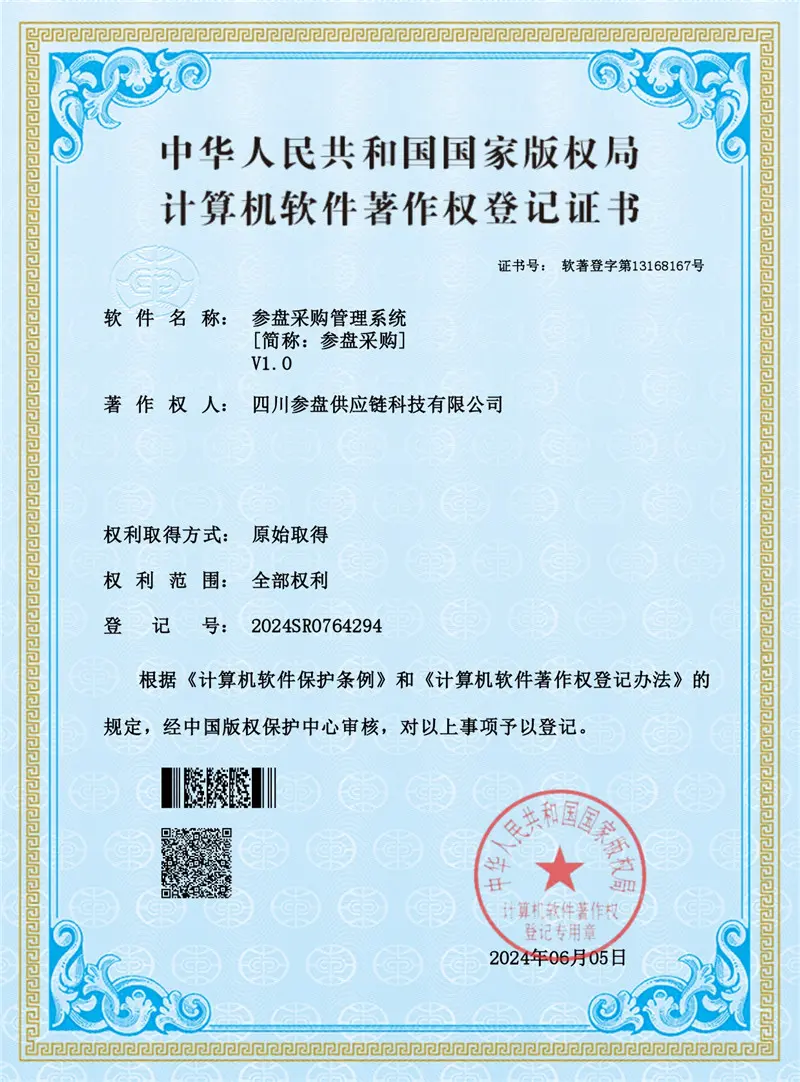
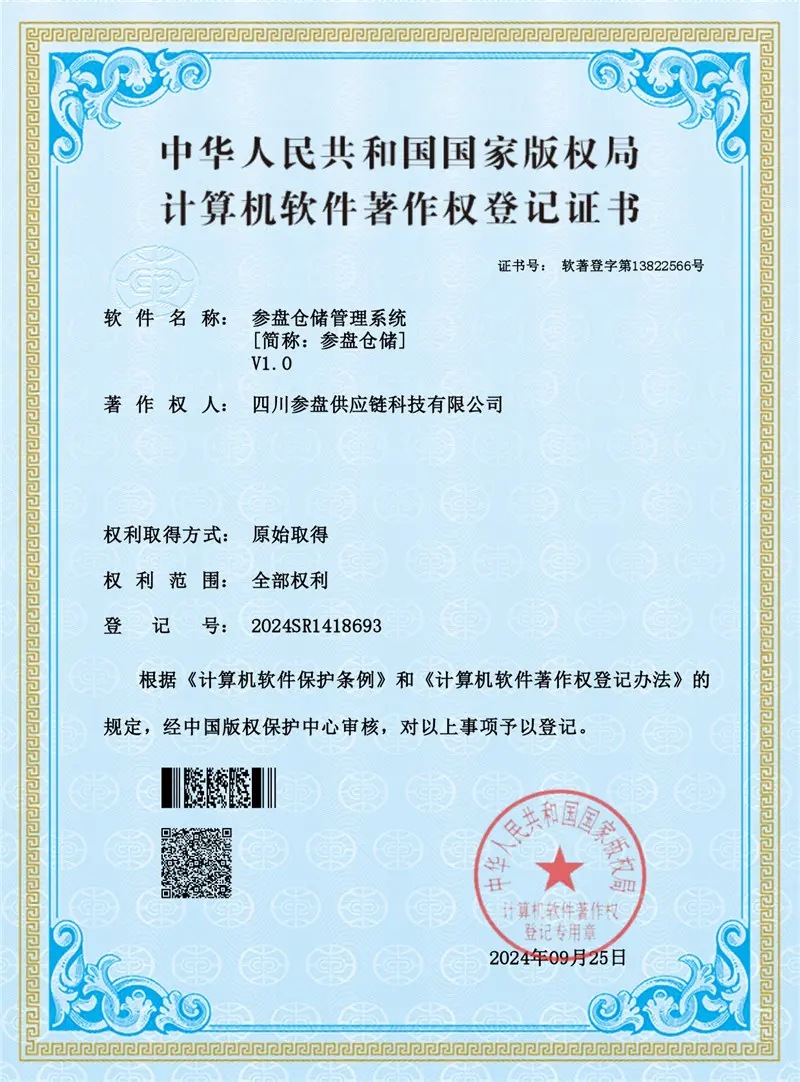
Our commitment to design safety, software architecture, and quality assurance is verified by global standardization organizations.
Targeted deployment setups optimized for fast installation, high safety margins, and maximum space utilization.
Heavy-payload mobile robot platforms handle massive automotive components between robotic work cells. Interlocked with digital assembly tracks, the AGVs follow complex path geometries with millimeter accuracy.
Designed to operate reliably down to sub-zero temperatures (-25°C), custom Laser SLAM forklifts manage pallet retrieval inside cold chambers, reducing worker exposure to hazardous environments and ensuring uninterrupted food cold chains.
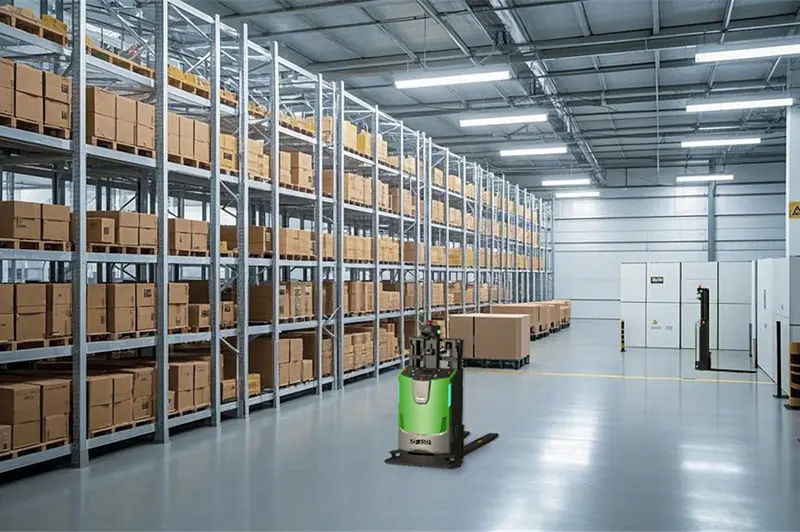
Compact smart forklifts, such as the SFL-CDD14 series, optimize narrow corridors. Using dynamic 2D mapping and high-resolution LiDAR systems, they execute vertical storage lifts up to 4.5 meters without physical guidance tracks.
Technical answers to frequent integration, hardware selection, and deployment queries.
Expand your capabilities with our specialized smart forklifts and customizable automated handling equipment.
 SCP
SCP