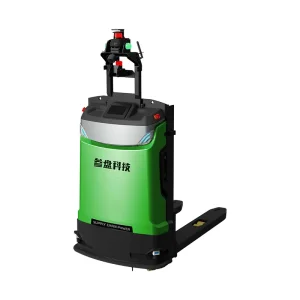
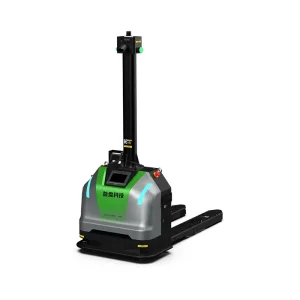
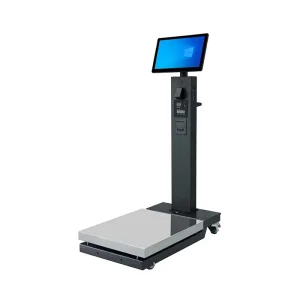
Explore our premium product architecture designed for high-density warehouse operations and automated factory transport.
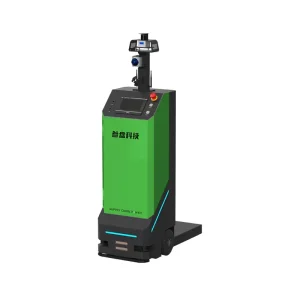
A comprehensive whitepaper on how autonomous guided vehicles (AGVs) are revolutionizing internal logistics, supply chain automation, and manufacturing facilities worldwide.
In the era of Industry 4.0, warehouse optimization is no longer just about optimizing space; it is about maximizing throughput speed, operational precision, and safety. Pallet AGVs (Automated Guided Vehicles) and AMRs (Autonomous Mobile Robots) have transitioned from luxury assets to core infrastructure requirements. For businesses seeking high-tier Pallet AGV Manufacturers & Suppliers, understanding the underlying technology stack, navigation methodologies, and localized supply chain integration is critical to realizing a fast return on investment (ROI).
Traditional AGVs relied on physical infrastructure such as magnetic tapes, embedded wires, or QR code grids on warehouse floors. While reliable, these navigation techniques lacked flexibility. A single modification to the warehouse layout required physical modifications to the facility floor, resulting in costly downtime.
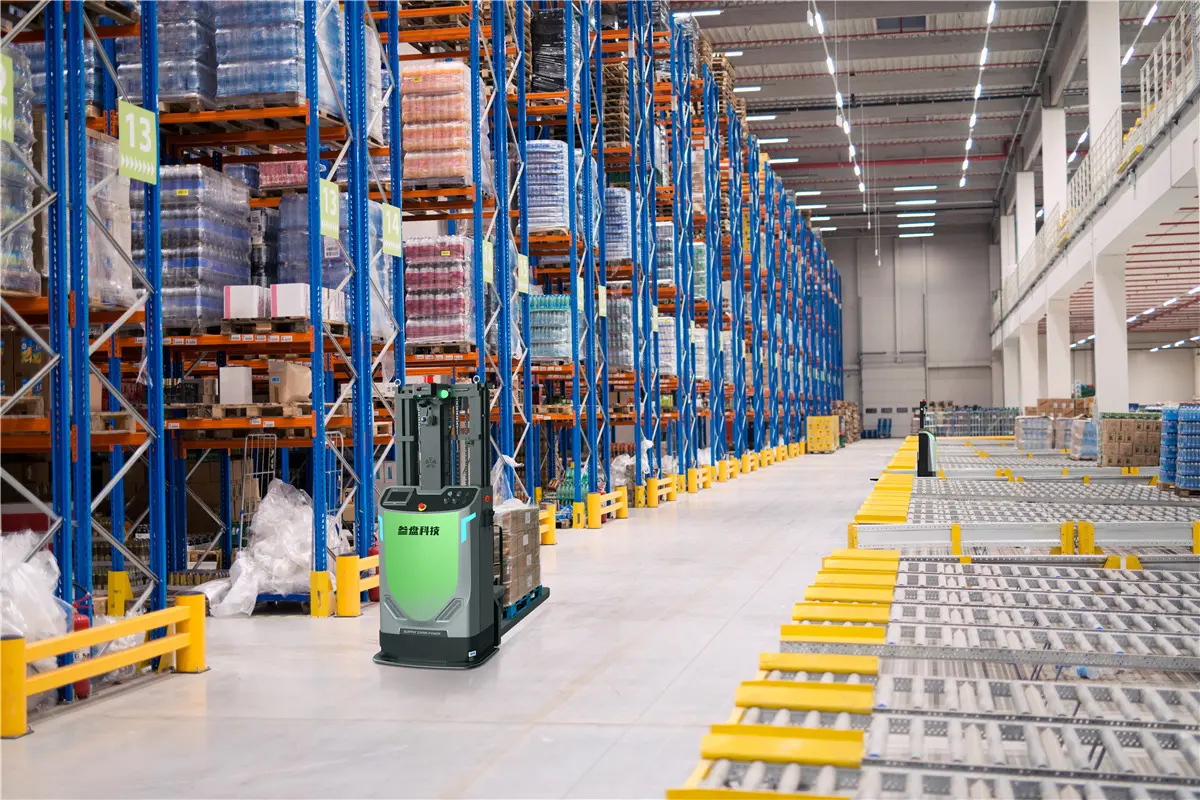
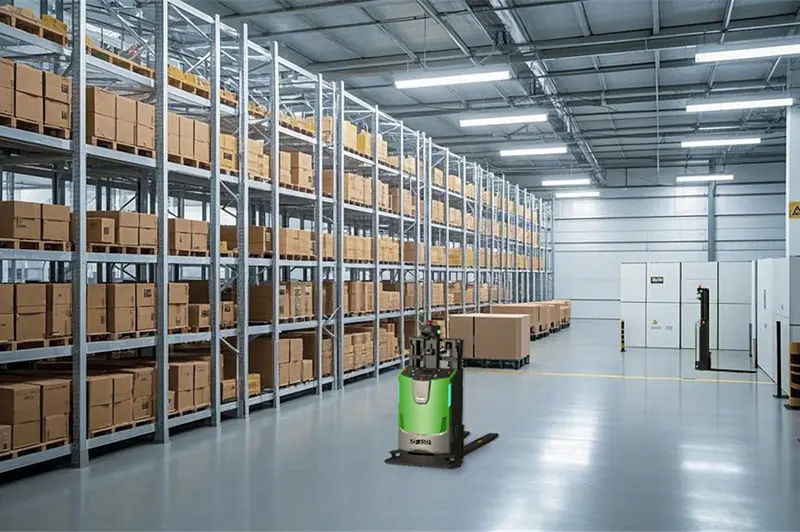
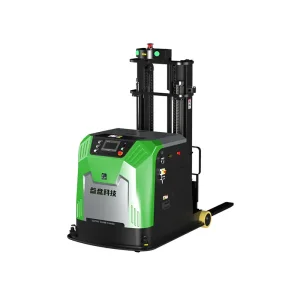
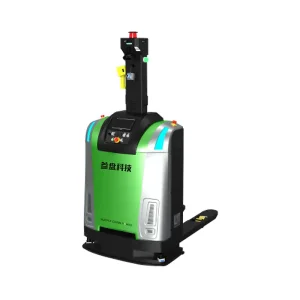
Modern industry leaders utilize Laser SLAM (Simultaneous Localization and Mapping) navigation. Equipped with LiDAR sensors, intelligent forklifts like the SFL-300L and SFL-CDD14-H actively scan their surroundings, creating dynamic maps in real-time. This allows for:
When searching for competitive AGV suppliers, global procurement teams consistently turn to China. The country's manufacturing facilities have evolved from simple assembly points into global research and development hubs for robotics technology. Key advantages include:
China is home to a dense cluster of LiDAR, sensor, chassis, and lithium battery manufacturers. This vertical integration dramatically reduces production delays and raw component costs.
Leveraging vast domestic logistics data, Chinese AGV manufacturers can iterate software and hardware designs rapidly. This yields products with higher reliability and advanced safety features.
Due to scaled manufacturing processes and lower overheads, Chinese suppliers offer high-performance Laser SLAM forklifts at a fraction of the cost of Western counterparts, compressing the buyer's ROI window.
Different industrial sectors require targeted AGV architectures to address specialized operational constraints:
Taking the actual business needs as the cornerstone, SCP is committed to comprehensively innovating and enhancing the overall supply chain planning of enterprises. We provide enterprises with comprehensive end-to-end supply chain solutions, build a multi-role and multi-dimensional intelligent supply chain collaboration system, and achieve all-round efficient collaboration and process optimization. At present, SCP has established a product architecture supported by software and hardware, and supplemented by the top-level design of the supply chain control tower to create an agile, flexible and efficient end-to-end supply chain system for enterprises.
Benefiting farmers and bringing welfare to consumers
Leading the technological upgrade of the supply chain and achieving extraordinary value for transformers
Alliance of Developers of New Quality Supply Chain Technology
As a subsidiary of New Hope Group, we have a good market reputation and execution ability. Moreover, we have an in-depth understanding of multiple industries.
We were incubated based on the digital needs of the business side within the New Hope system, and have participated in many projects of the same type. Therefore, we have a better understanding of the actual business scenarios and demands.
We possess the self-development and integration capabilities for various systems in procurement, sales, and supply. We can well meet the individual needs of different customers.
We provide certain light consulting services alongside projects, covering multiple dimensions such as process optimization and assessment weight, to assist customers in the construction of digital transformation of their supply chains.
We have a professional delivery team for commercial projects. We actively respond to the personalized needs of customers and can ensure fast and high-quality delivery according to customer requirements.
In terms of technology research and development, SCP continues to increase its investment and constantly optimize the product architecture supported by software and hardware and the top-level design of the supply chain control tower.
By strengthening the self-development and integration capabilities of various systems in procurement, sales, and supply, we continuously improve the technical level and competitiveness of our products and services. We build a solid foundation for the sustainable development of enterprises and the industry with leading technologies.
At the same time, we actively explore the application of cutting-edge technologies in the supply chain field, promote technological iteration and upgrading, and maintain a leading position in the industry in terms of technology.
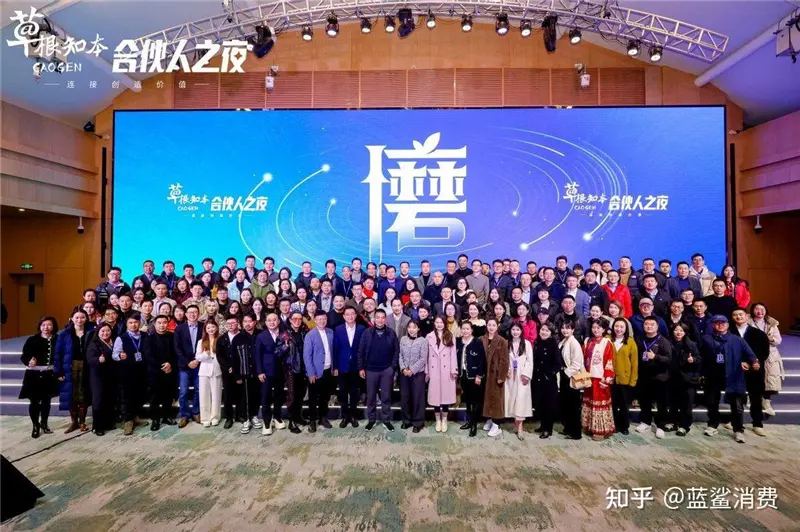
In terms of ecological construction, relying on the rich industrial resources and extensive business layout of Caogenziben, SCP deeply explores the supply chain needs of multiple industries such as food consumption and creates solutions that are suitable for actual scenarios.
By empowering key links such as cold chain logistics, we promote the standardized management and efficiency improvement of the supply chain and facilitate the collaborative development of the entire industrial chain.
In addition, we actively carry out in-depth cooperation with overseas partners, absorb international advanced experience and technologies, expand the international market, enhance the global influence of the enterprise, and build a supply chain technology ecosystem with international competitiveness.
From a long-term development perspective, with the vision of "Leading the technological upgrade of the supply chain and achieving extraordinary value for transformers", SCP integrates the concept of sustainable development into its corporate strategic planning and daily operations.
We not only focus on our own growth and profitability but also look to promote the green, intelligent, and efficient development of the industry. We build a more perfect supply chain collaboration system for future enterprises.
While achieving our own sustainable development, we create greater value for society and become a backbone force in promoting the sustainable development of the supply chain technology industry.
Our commitment to quality, engineering compliance, and safety standards is verified by international certification authorities.
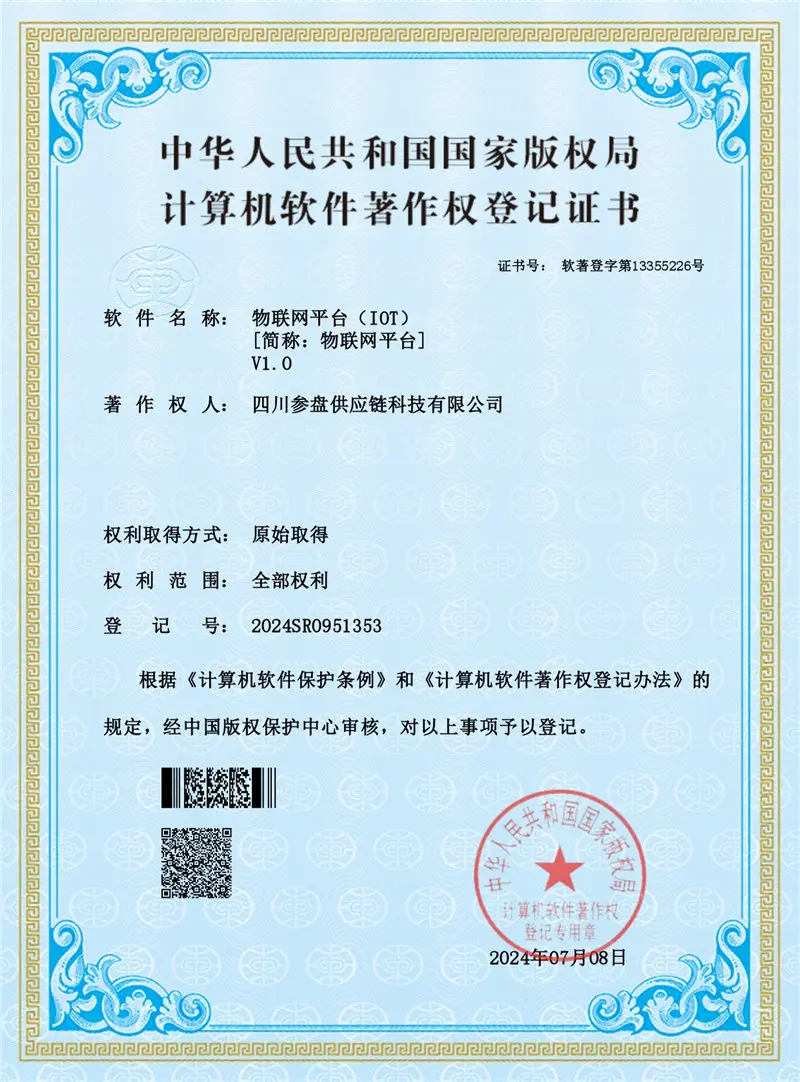
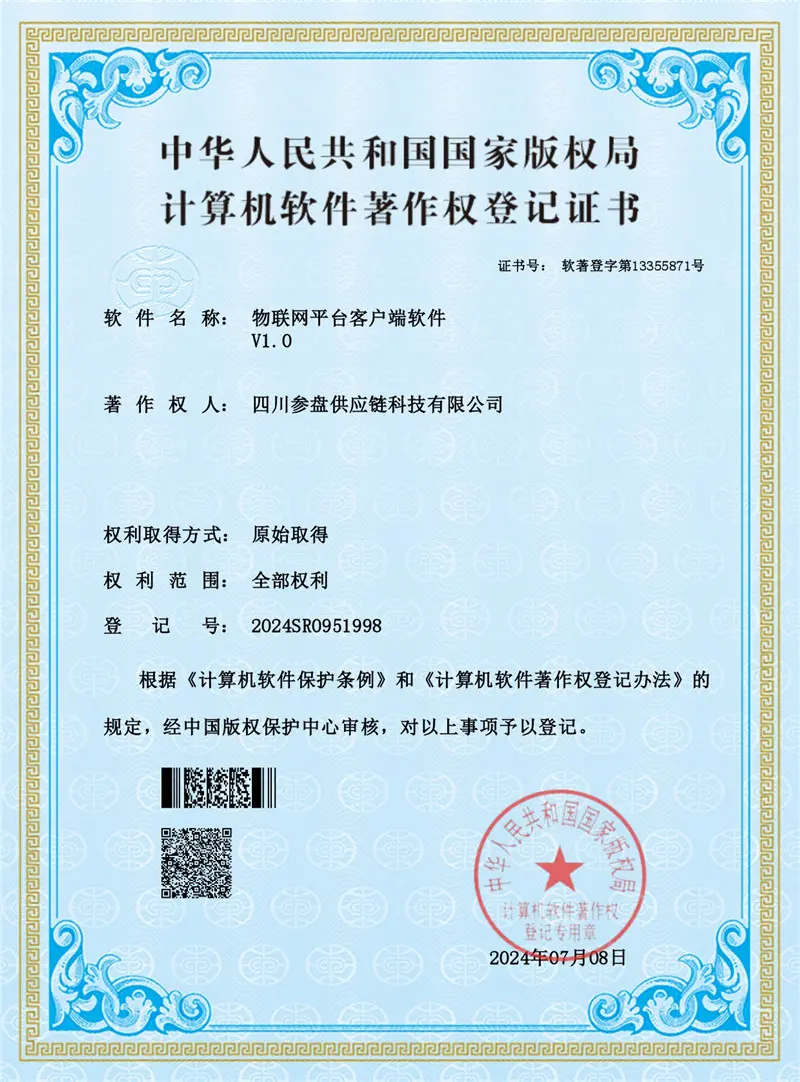
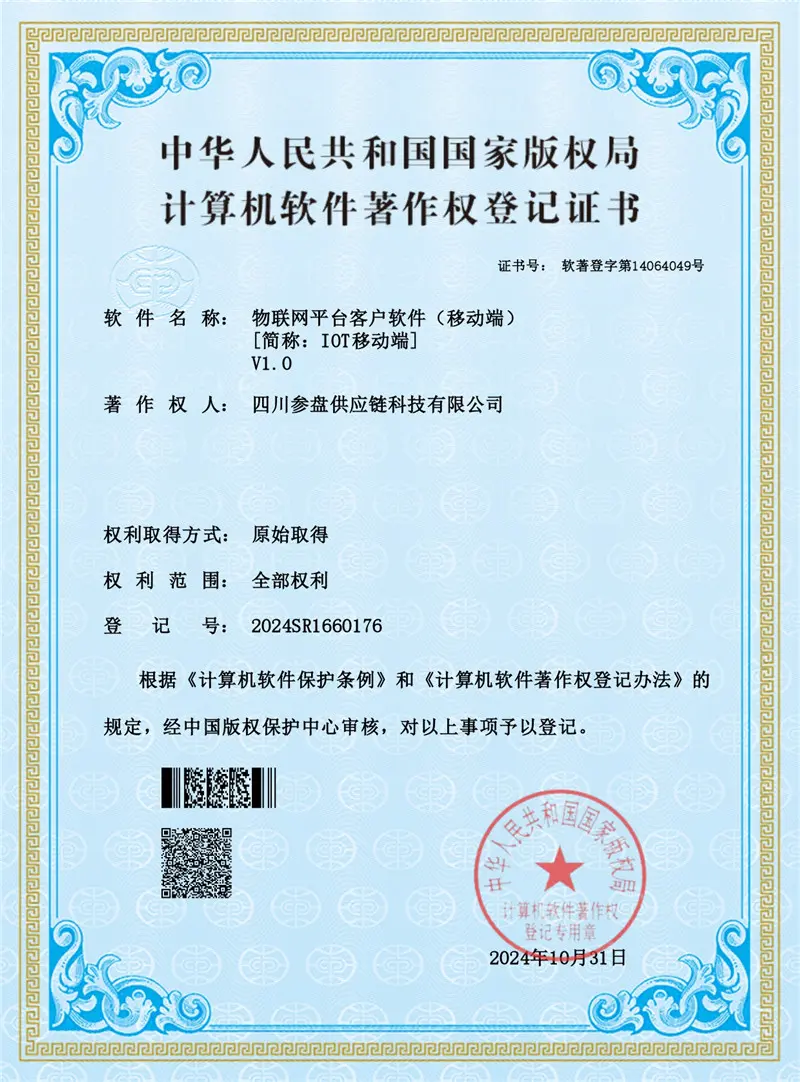
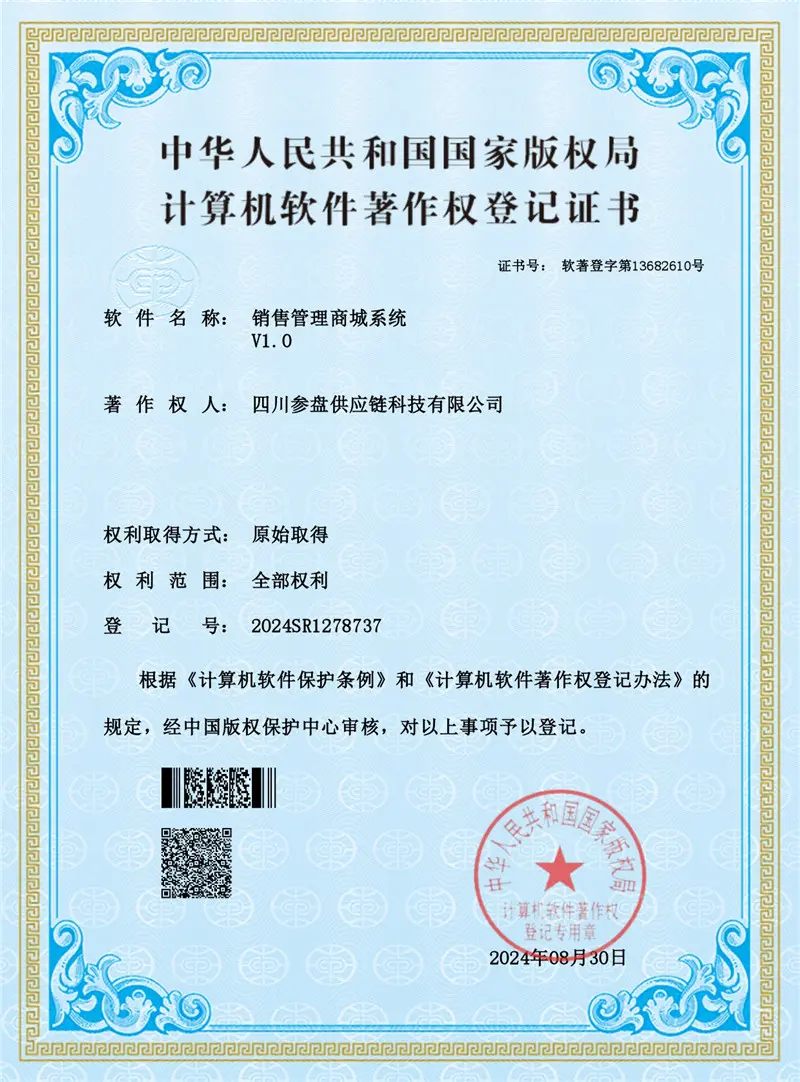
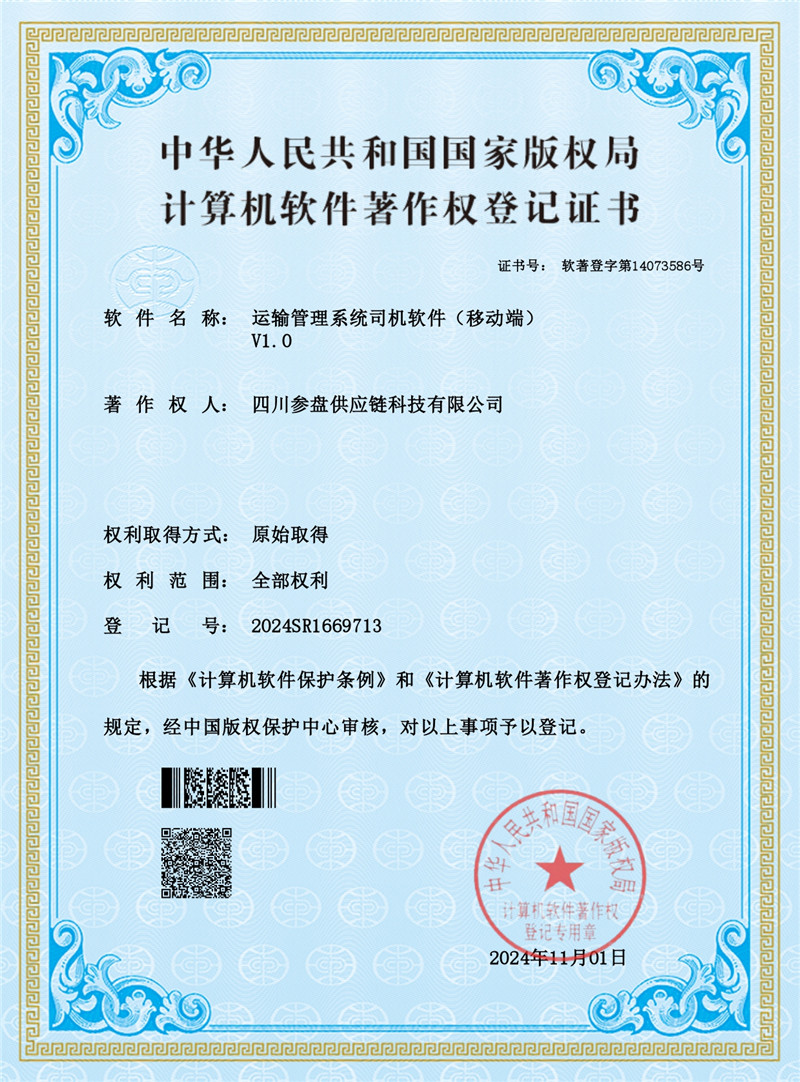
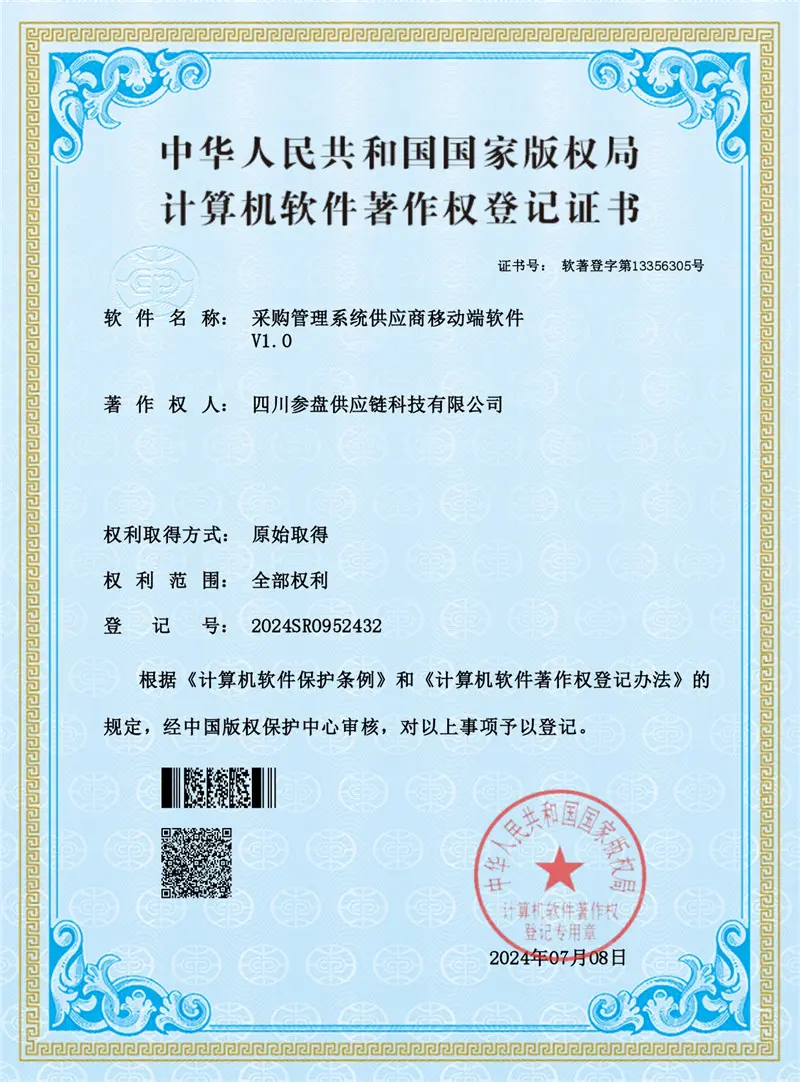
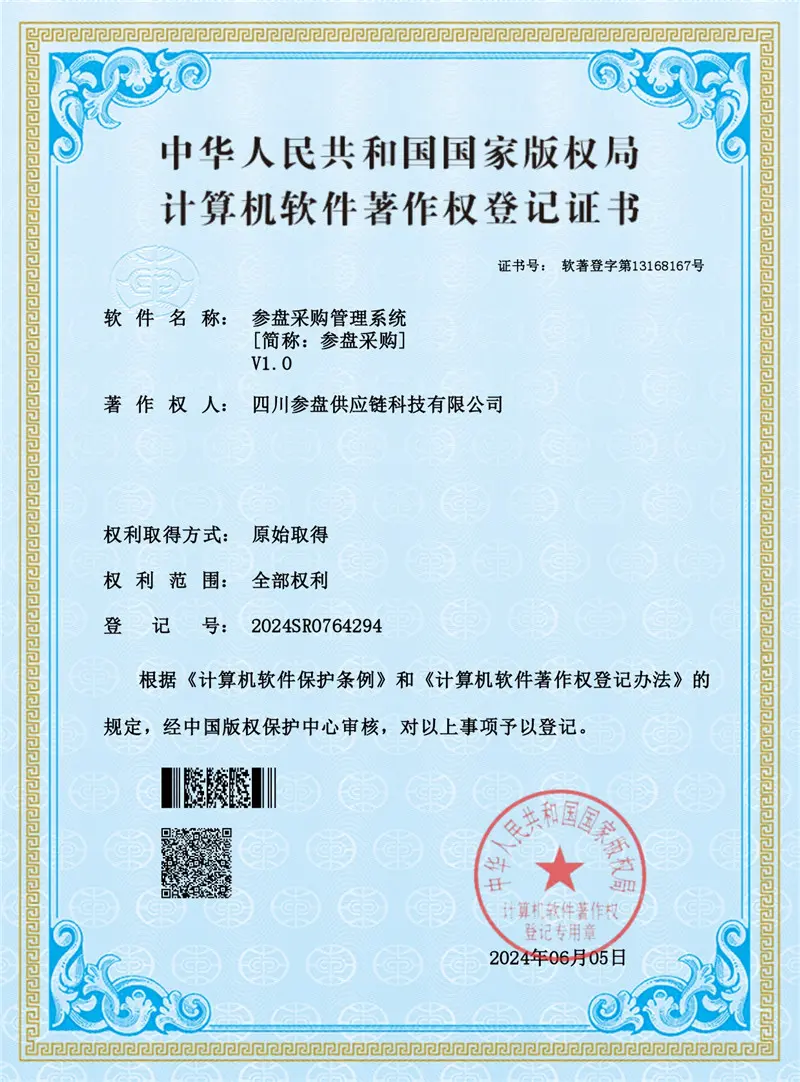
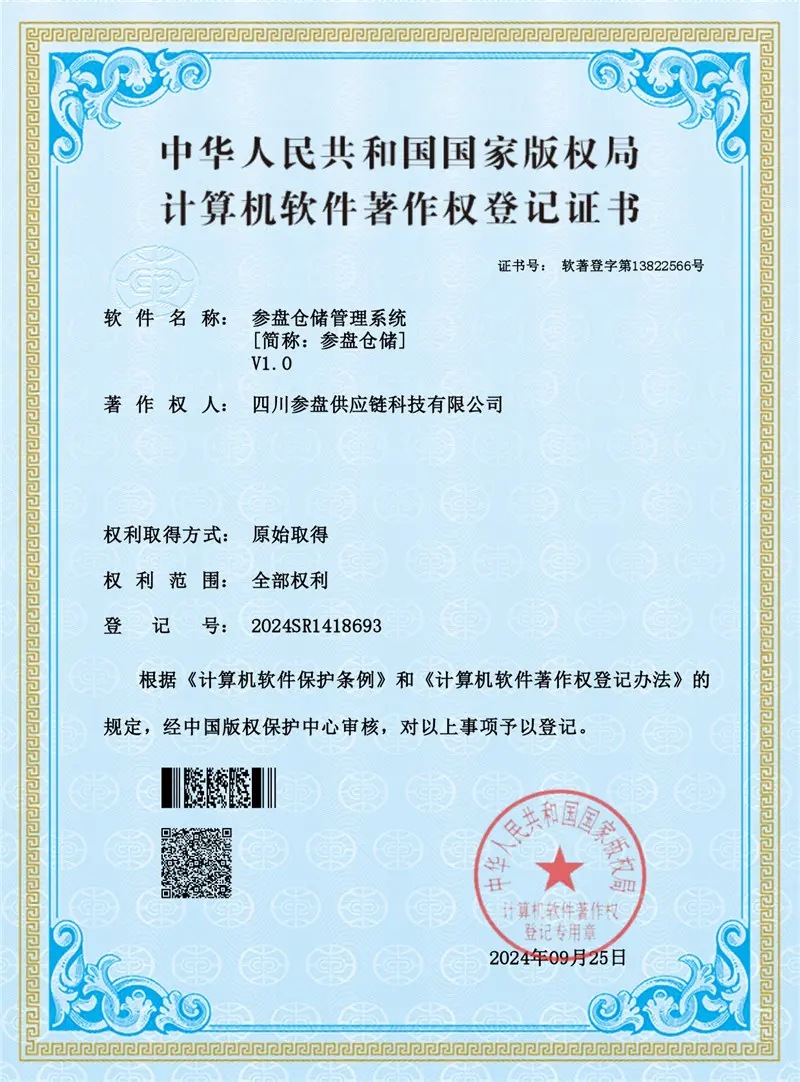

SCP focuses on providing comprehensive solutions for the food supply chain, as well as research and development of intelligent software and hardware products and services. The company aims to be based on the Internet of Things AI, The comprehensive application of machine learning, intelligent devices and other technologies, through automated, digitized, intelligent and systematic technology products and solution matrices, enhances the overall operational efficiency of supply chain procurement/supply/sales, and helps upgrade the value of upstream and downstream industries.
For multinational corporations, procurement of Pallet AGVs requires a multi-stage validation process. It extends far beyond the physical mechanical capabilities of a forklift chassis. Procurement officers must analyze system interoperability, hardware durability, and software support infrastructures.
A true TCO equation must look beyond initial acquisition costs (CapEx) to include maintenance overheads, software licensing fees, map re-configuration support, and battery degradation cycles. Lithium iron phosphate (LFP) battery technology, standard on high-grade Chinese AGVs, guarantees more than 3000 charge cycles, minimizing cell replacement costs over the machine's lifespan.
Industrial safety rules command strict adherence to norms like EN ISO 3691-4 (the global safety standard for driverless industrial trucks). Top pallet AGVs utilize multi-zone safety LiDAR, hardware-rated safety PLCs, safety-certified emergency stops, and forward-facing proximity cameras. This configuration ensures that AGVs operate dynamically alongside human workforce members without creating safety hazards.
Rarely does a single AGV operate in isolation. Modern plants utilize hybrid fleets containing AGVs from multiple manufacturers. Software components must support open API architectures and industry protocols such as VDA 5050. This standardized communication channel ensures that task assignments, traffic control, and battery charging commands are executed seamlessly from a single WMS (Warehouse Management System) portal.
Expert insights on selecting, installing, and optimizing Pallet AGVs for your industrial operations.
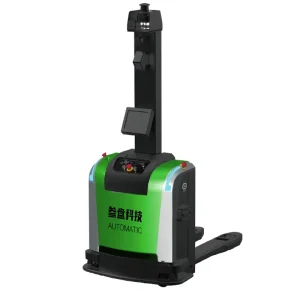
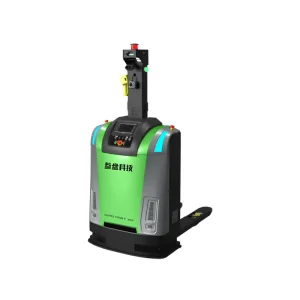
Discover our high-capacity, precision-engineered automated forklifts configured for advanced manufacturing workflows.
 SCP
SCP