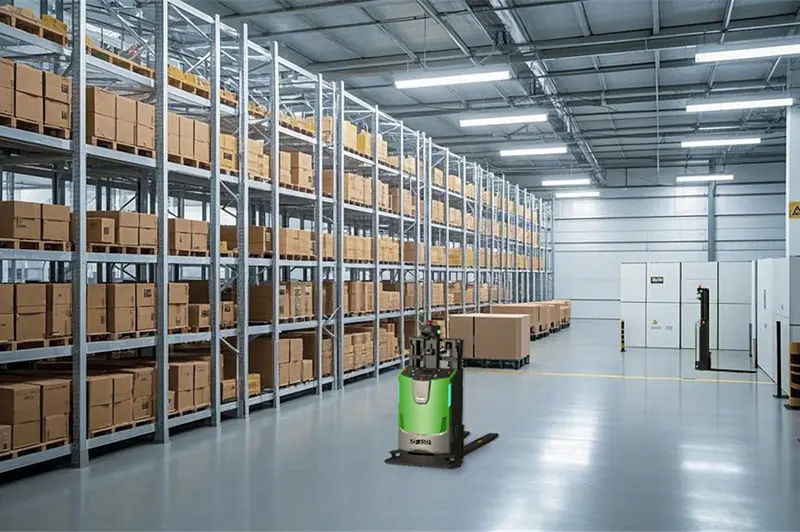
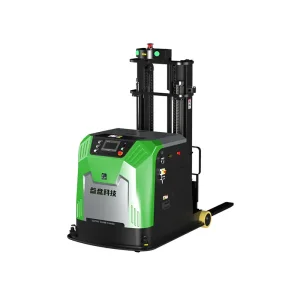
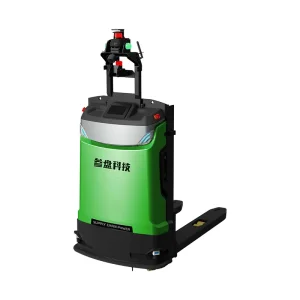
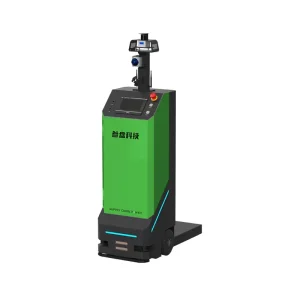
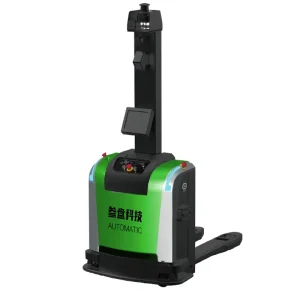
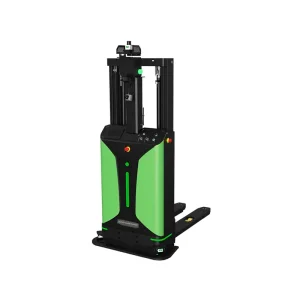
Explore our state-of-the-art Laser SLAM smart forklifts, autonomous chassis, and handling machinery engineered for maximum warehouse throughput.
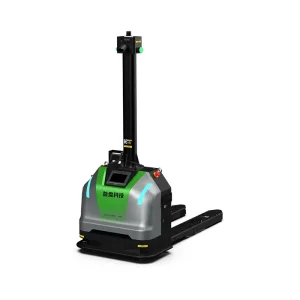
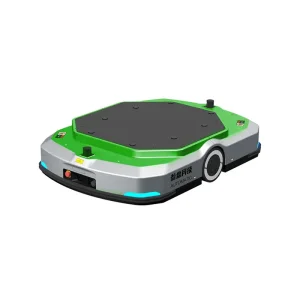
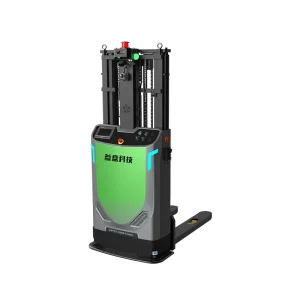
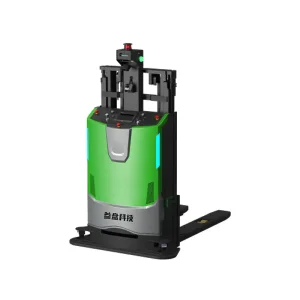
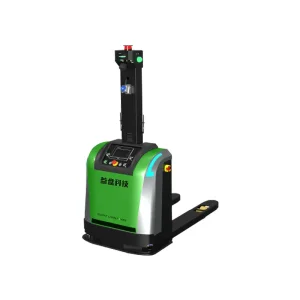
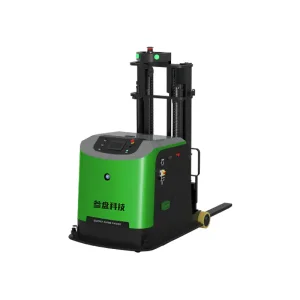
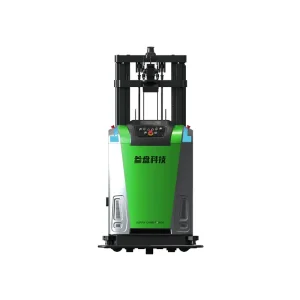
Taking the actual business needs as the cornerstone, SCP is committed to comprehensively innovating and enhancing the overall supply chain planning of enterprises. We provide enterprises with comprehensive end-to-end supply chain solutions, build a multi-role and multi-dimensional intelligent supply chain collaboration system, and achieve all-round efficient collaboration and process optimization.
At present, SCP has established a product architecture supported by software and hardware, and supplemented by the top-level design of the supply chain control tower to create an agile, flexible and efficient end-to-end supply chain system for enterprises.
Driving continuous value creation and supply chain evolution through technological innovation and human-centric design.
Benefiting farmers and bringing welfare to consumers through optimization of the food and consumer goods supply chains.
Leading the technological upgrade of the supply chain and achieving extraordinary value for transformers of the industry.
Alliance of Developers of New Quality Supply Chain Technology, providing highly integrated software & hardware solutions.
A Whitepaper on the transition of intralogistics from manual forklift execution to high-precision Laser SLAM automation.
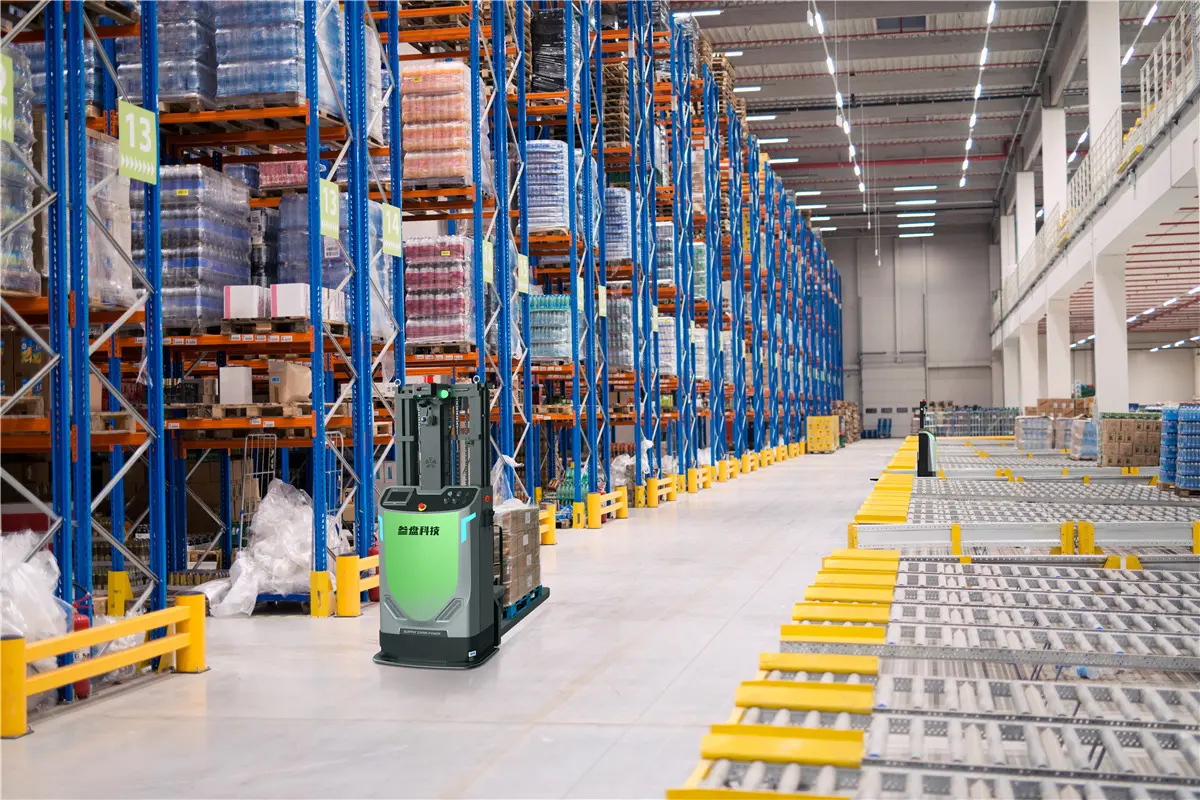
The global manufacturing and warehousing sectors are currently operating in a landscape characterized by unprecedented demographic shifts, soaring real estate costs, and hyper-dense consumer demands. Traditional material handling paradigms—dependent on manual operation of heavy machinery—create operational bottlenecks, elevated workplace injury rates, and critical errors in inventory tracking. Automated Picking Robots, including Laser SLAM Smart Forklifts and Autonomous Mobile Robots (AMRs), have emerged as the foundational infrastructure of the modern dark warehouse and smart factory.
"Industry 5.0 does not merely ask for automation; it demands cognitive automation where robotic picking assets cooperate seamlessly with humans, enterprise resource planning (ERP) databases, and dynamic warehouse layout geometries."
Historically, automated guided vehicles (AGVs) relied on physical markers like magnetic tape, QR codes, or optical lines on the floor. While effective in static environments, these systems are highly inflexible. Any modification to the production line layout requires physical rewiring and downtime. Laser SLAM (Simultaneous Localization and Mapping) technology bypasses this issue entirely. By utilizing high-frequency LiDAR scanners, picking robots build a dynamic coordinate map of their operational zone in real-time, allowing flexible route re-planning, multi-robot fleet optimization, and zero physical infrastructure modification.
Whether handling narrow aisle logistics, cold storage management, or automated truck unloading, picking robots function as part of a cyber-physical system. Modern picking robots are equipped with localized edge-computing platforms, integrated with Warehouse Management Systems (WMS) and Warehouse Control Systems (WCS). This enables a seamless link between order queues and mechanical operations, allowing factories to coordinate pallet placement, inventory counts, and cross-docking operations with 99.9% uptime.
Why enterprises worldwide select SCP solutions for strategic warehouse transformation and hardware integration.
As a subsidiary of New Hope Group, we possess a strong market reputation and proven execution ability. We hold an in-depth understanding of logistics challenges across diverse industries, from agricultural processing to retail supply lines.
We were incubated directly from the digital requirements of New Hope system's active business branches. This direct internal pressure ensures that our automation software models are designed around real-world edge cases.
Our engineering team maintains control over the system design, code base, and structural hardware layout. We provide customized configurations for procurement, sales, and warehouse supply tracking APIs.
We provide light consulting alongside deployments, including process maps, safety zoning assessments, and WMS software integration advice to assist customers with their digital transformation strategy.
A professional commercial project delivery team handles installation, mapping, calibration, and employee training. We adapt quickly to customer facility schedules to ensure minimal impact on ongoing operations.
Integrating energy efficiency, clean operation, and resource reuse into the core lifecycle of our picking robots.
In terms of technology research and development, SCP continues to increase its investment and constantly optimize the product architecture supported by software and hardware and the top-level design of the supply chain control tower.
By strengthening the self-development and integration capabilities of various systems in procurement, sales, and supply, we continuously improve the technical level and competitiveness of our products and services. We build a solid foundation for the sustainable development of enterprises and the industry with leading technologies.
At the same time, we actively explore the application of cutting-edge technologies in the supply chain field, promote technological iteration and upgrading, and maintain a leading position in the industry in terms of technology.
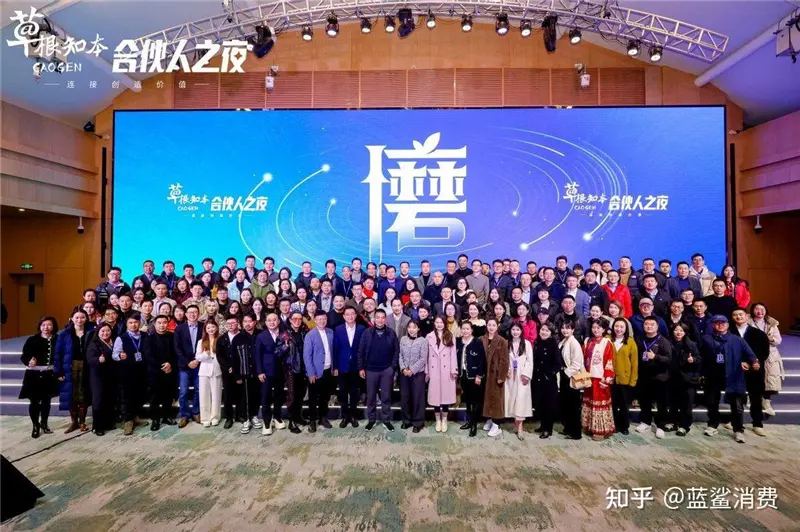
In terms of ecological construction, relying on the rich industrial resources and extensive business layout of Caogenziben, SCP deeply explores the supply chain needs of multiple industries such as food consumption and creates solutions that are suitable for actual scenarios.
By empowering key links such as cold chain logistics, we promote the standardized management and efficiency improvement of the supply chain and facilitate the collaborative development of the entire industrial chain.
In addition, we actively carry out in-depth cooperation with overseas partners, absorb international advanced experience and technologies, expand the international market, enhance the global influence of the enterprise, and build a supply chain technology ecosystem with international competitiveness.
From a long-term development perspective, with the vision of "Leading the technological upgrade of the supply chain and achieving extraordinary value for transformers", SCP integrates the concept of sustainable development into its corporate strategic planning and daily operations.
We not only focus on our own growth and profitability but also look to promote the green, intelligent, and efficient development of the industry. We build a more perfect supply chain collaboration system for future enterprises.
While achieving our own sustainable development, we create greater value for society and become a backbone force in promoting the sustainable development of the supply chain technology industry.
Deploying robotic fleets confidently under international safety compliance and localized response networks.
Deploying picking robot technologies globally requires adherence to local safety and electrical standards. Industrial robots must comply with regulatory matrices to protect human operators while maximizing runtime. Our platforms are designed, manufactured, and tested to meet international standards.
Our automated picking robot platforms conform to critical certification standards:
• CE Certification (Europe): Meeting Machinery Directive 2006/42/EC, EMC Directive 2014/30/EU, and Radio Equipment Directive (RED) 2014/53/EU for Laser SLAM communication assets.
• ISO 3691-4 Compliance: Defining safety criteria for driverless industrial trucks, ensuring obstacle detection, emergency brakes, and speed adjustments in dynamic zones operate safely.
• OSHA and ANSI/ITSDF B56.5 (North America): Meeting rigorous safety guidelines for automated guided industrial vehicles operating within proximity of pedestrian traffic.
To assist global manufacturing clients, SCP has built localized system integration nodes. This deployment strategy addresses two critical hurdles: local environmental calibration and round-the-clock maintenance agreements. Through localized support centers, we provide on-site calibration, coordinate custom WMS API mapping, and maintain parts warehouses to minimize logistics delays.
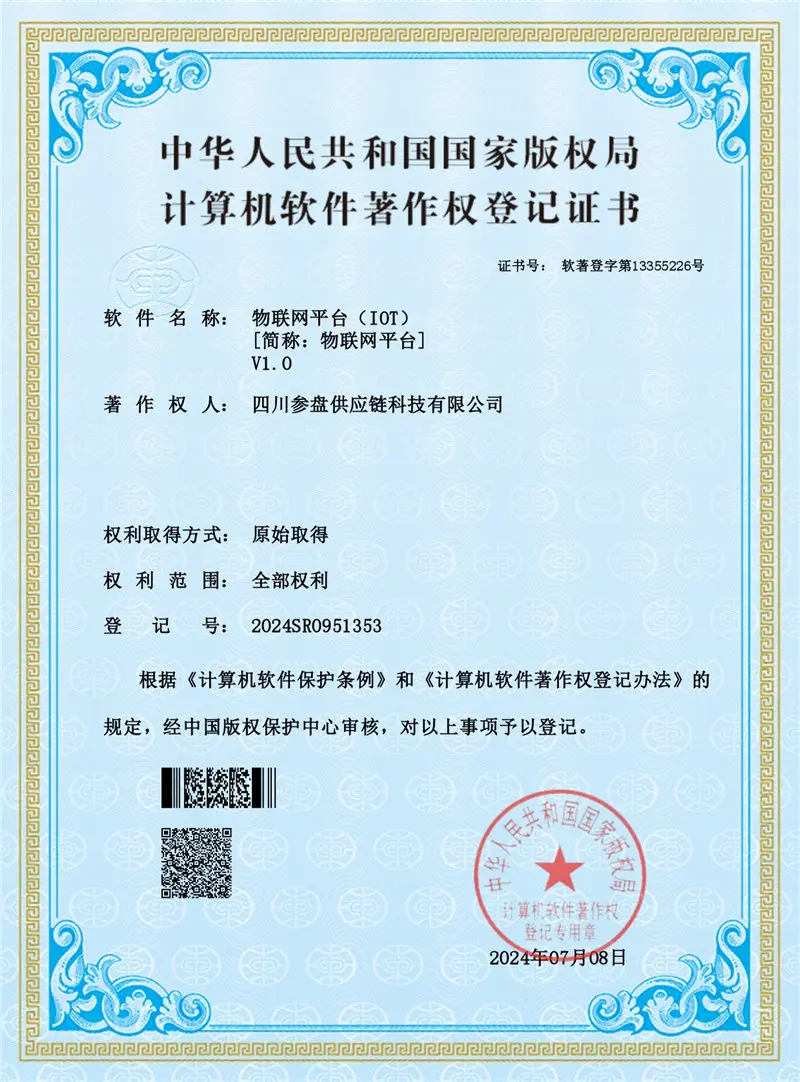
Our systems and components are audited, certified, and compliant with key global industrial safety standards.
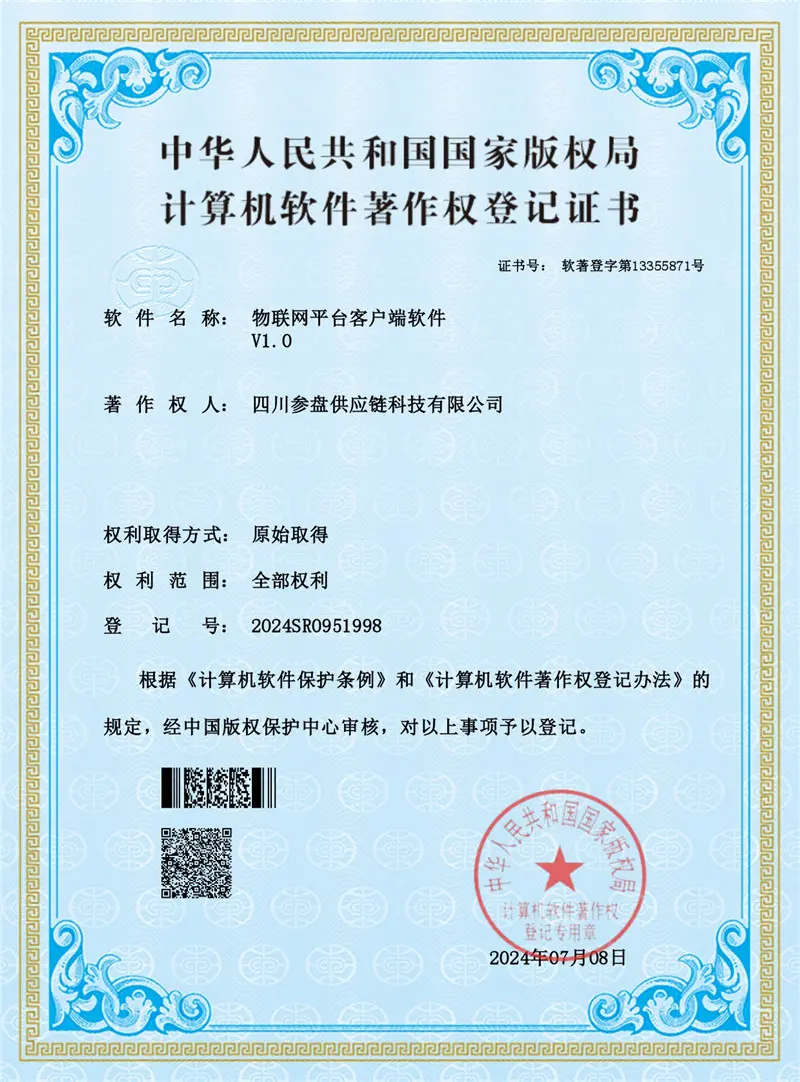
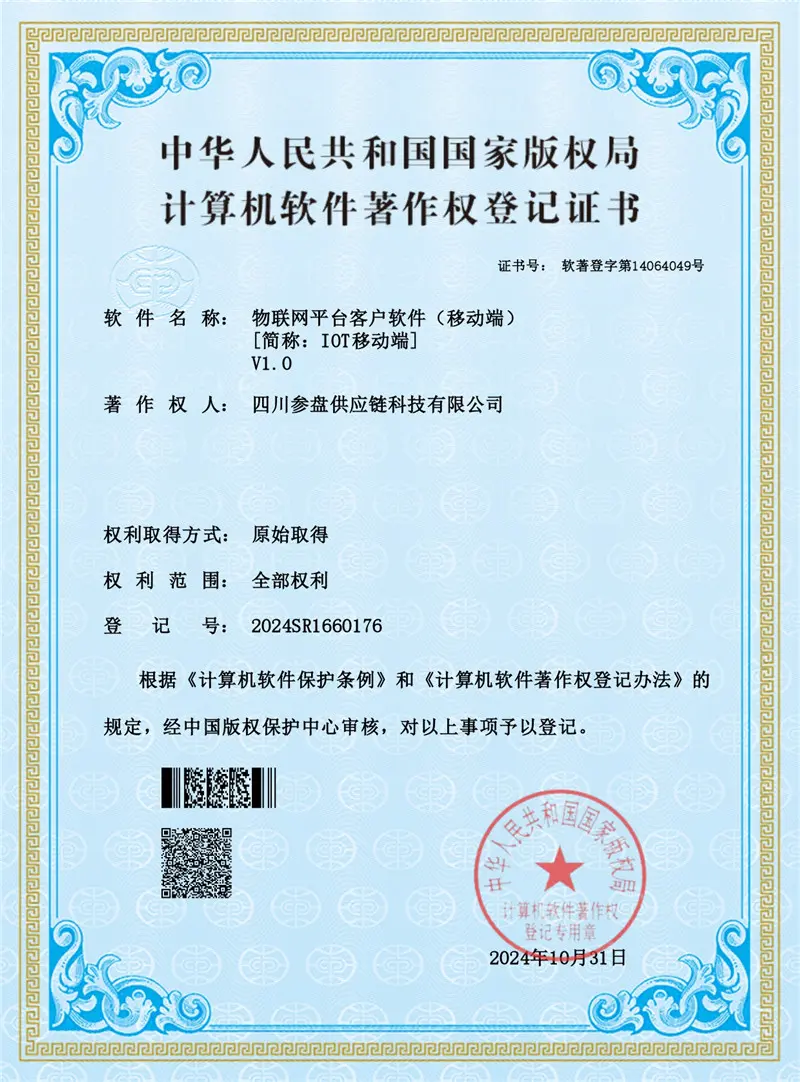
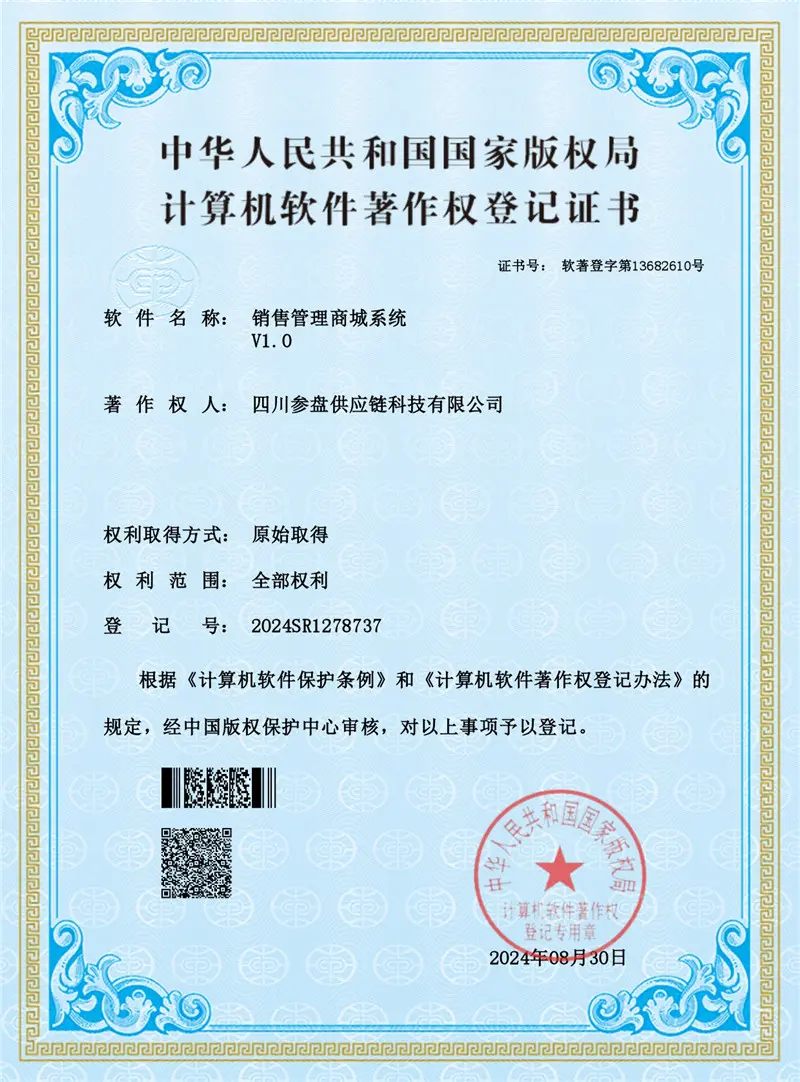
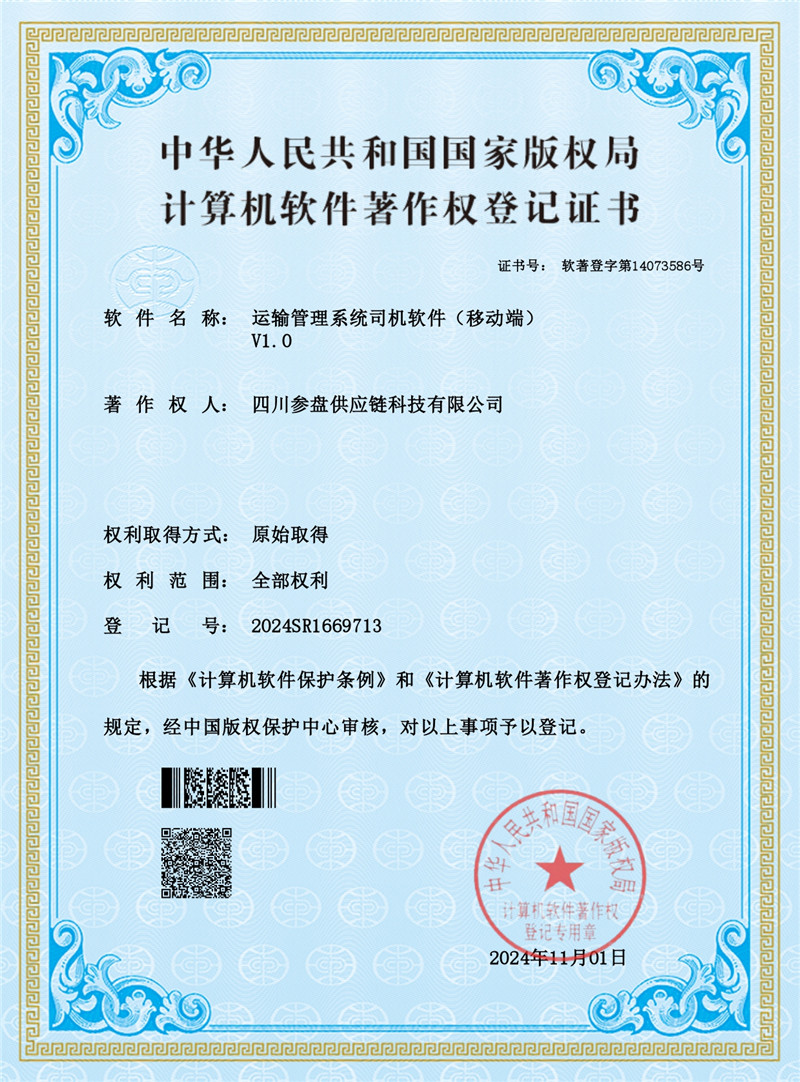
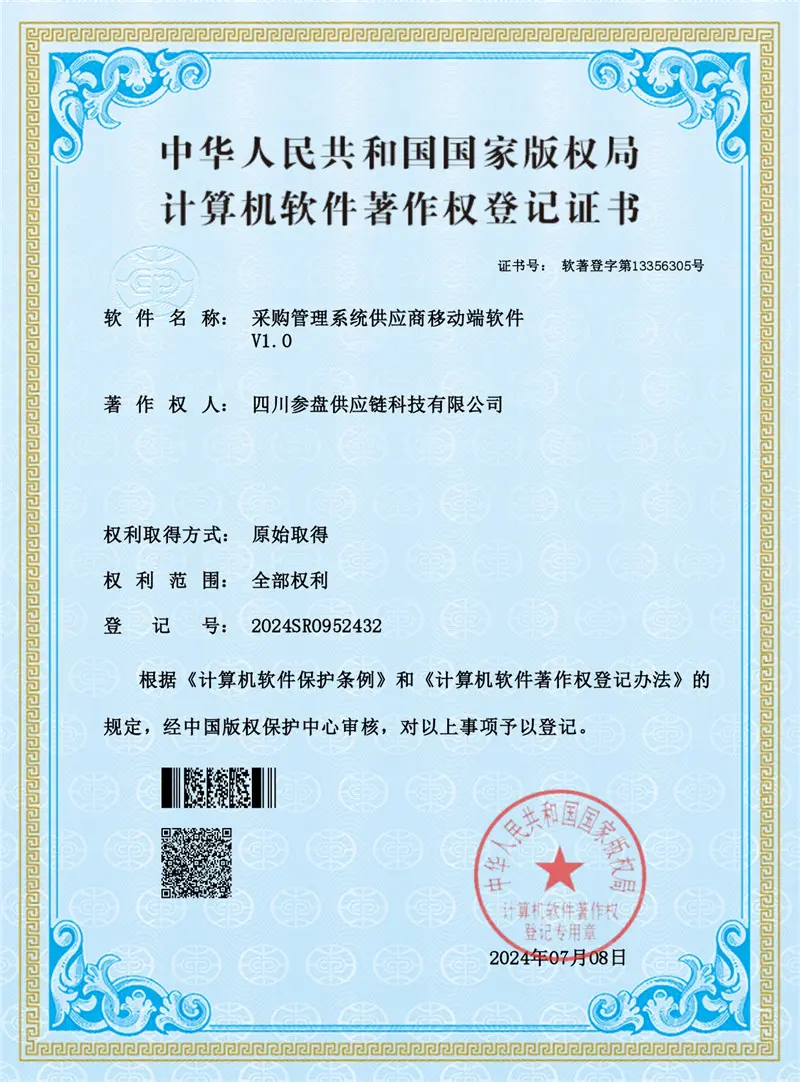
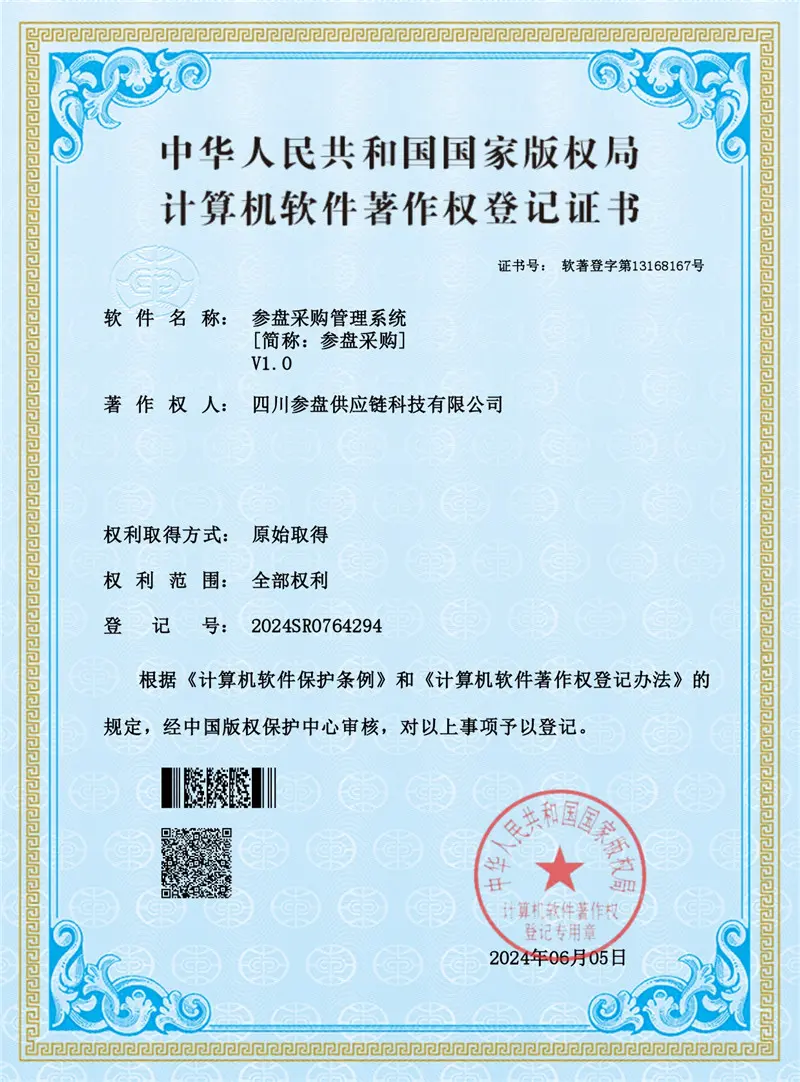
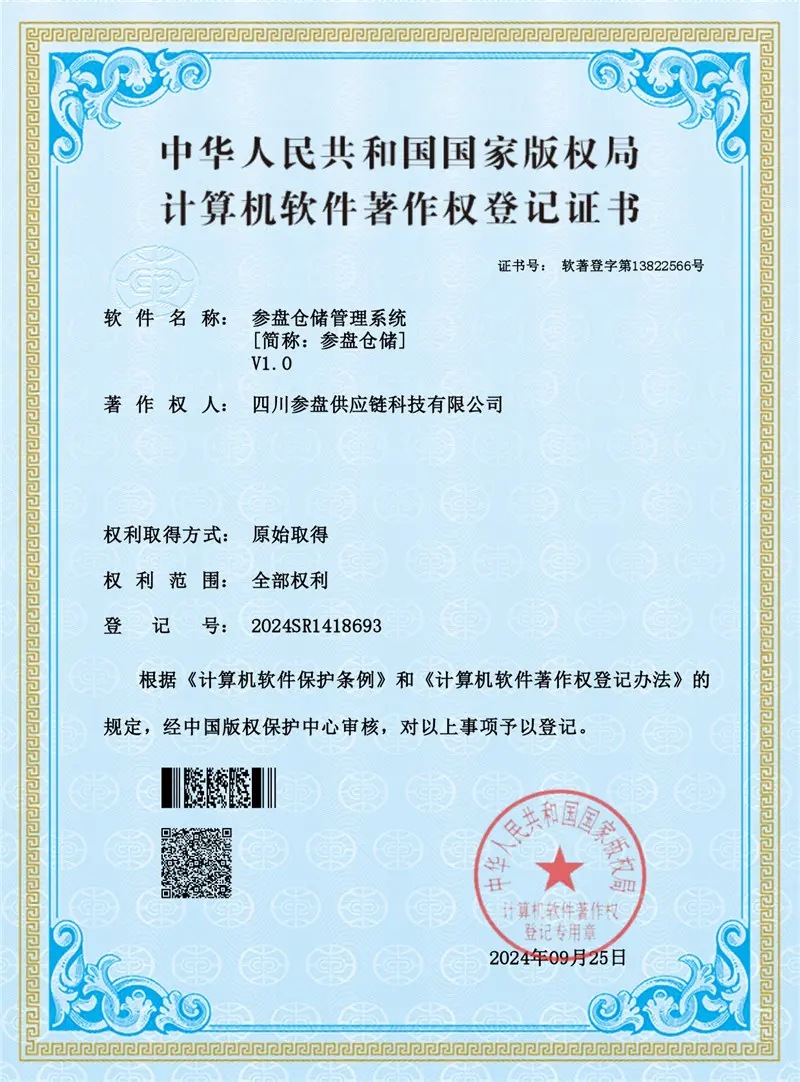
SCP focuses on providing comprehensive solutions for the food supply chain, as well as research and development of intelligent software and hardware products and services.
The company aims to be based on the Internet of Things AI, the comprehensive application of machine learning, intelligent devices and other technologies. Through automated, digitized, intelligent and systematic technology products and solution matrices, we enhance the overall operational efficiency of supply chain procurement, supply, and sales, helping upgrade the value of upstream and downstream industries.
Mapping the next five years of intralogistics development: from edge AI processing to cloud fleet orchestration.
The development of automated picking robots requires continuous adaptation to changing environments. The following roadmap outlines the milestones for our upcoming robotic releases:
While Laser SLAM navigation remains the standard for industrial mobile robotics, we are integrating hybrid localization systems that combine LiDAR data with 3D Stereo Vision SLAM. This multi-sensor approach improves tracking stability in environments subject to continuous layout changes, such as logistics hubs and cross-dock platforms.
By shifting processing loads from on-board industrial controllers to cloud-native platforms, we enable multi-fleet routing. Under 5G architectures, hundreds of laser SLAM forklifts, AMRs, and automatic packaging stations can operate collaboratively, reducing traffic congestion and adjusting path priorities in real-time.
Future iterations of our heavy-duty smart forklifts (e.g., SFL-CPD30-Y) will feature rapid charging battery chemistries, allowing robots to charge during brief operational pauses. This change improves continuous productivity and helps organizations reduce their overall carbon footprint.
Answers to common questions regarding deployment, technical integration, and system safety.
Laser SLAM mapping constructs a dynamic coordinate layout of the warehouse in real-time, removing the need for physical infrastructure modifications like magnetic tapes or markers. Changing warehouse configurations is done via software layout updates, saving weeks of downtime and infrastructure maintenance costs.
Our systems use API integration modules to communicate with WMS/ERP platforms. Orders generated in the ERP are converted to task routes via the Warehouse Control System (WCS), assigning work to appropriate AGVs/AMRs based on real-time availability and proximity.
Yes. Our platforms are designed in accordance with international safety standards, including ISO 3691-4, CE regulations, and ANSI/ITSDF B56.5. This design includes redundant safety sensors, physical bumpers, emergency stops, and dual-LiDAR obstacle detection.
Our product line ranges from the SFL-300L with a 300kg capacity for lighter bins and components up to the heavy-duty SFL-CPD30-Y with a 3000kg (3-ton) capacity, designed for demanding industrial pallet tasks.
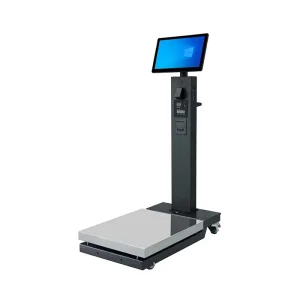
Review additional Laser SLAM configurations, mobile bases, and terminal scales for end-to-end supply chain tracking.
 SCP
SCP