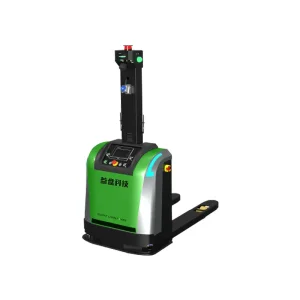
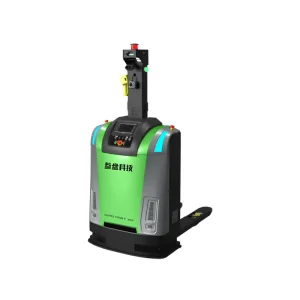
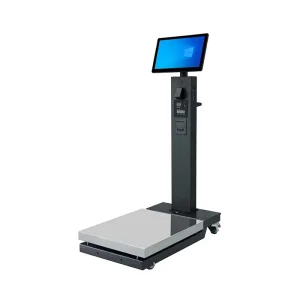
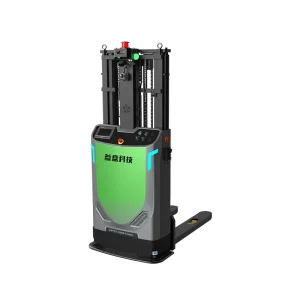
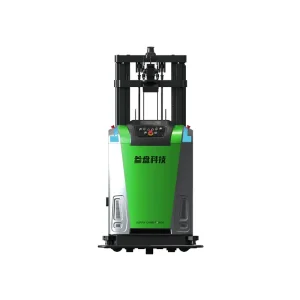
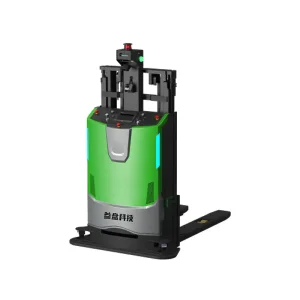
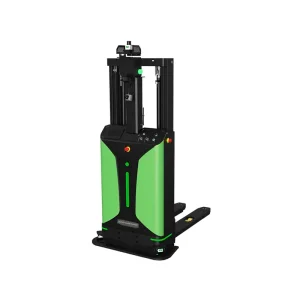
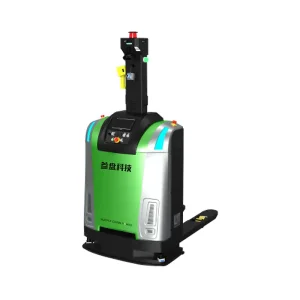
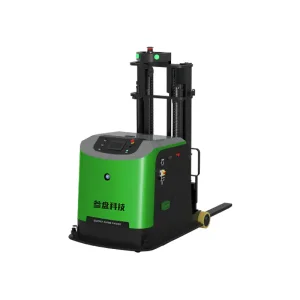
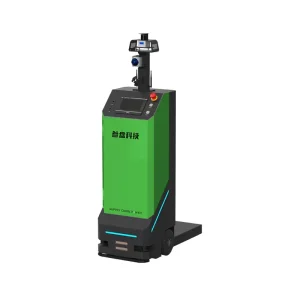
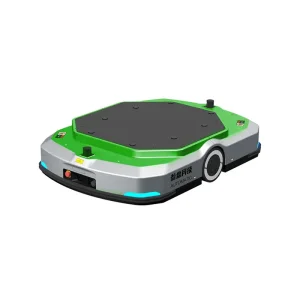
Discover our precision-engineered smart forklift systems and LiDAR-guided autonomous mobile robots, built for maximum throughput and reliability.
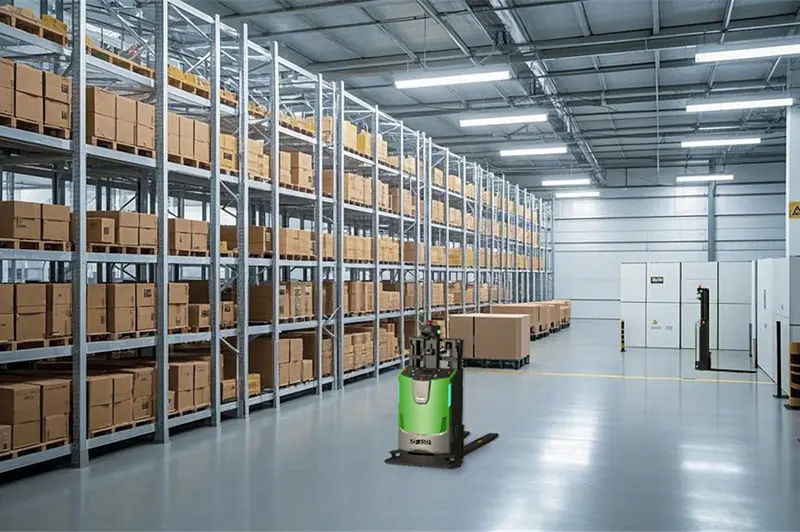
Modern warehouse logistics have reached a major turning point. The industry is transitioning from classic, static material transport systems to dynamic, flexible operations driven by Autonomous Mobile Robots (AMRs) and Laser SLAM automated forklifts. Globally, companies face a triple challenge: chronic forklift operator shortages, soaring industrial land costs requiring narrower aisles, and the rise of high-speed e-commerce demanding fast, error-free fulfillment. Traditional AGVs with magnetic tape or wire guidance cannot keep up with this pace because modifying paths requires interrupting operations and updating floor infrastructure.
As an industry-leading AMR warehouse manufacturer, SCP is at the forefront of this shift. By integrating natural feature Laser SLAM (Simultaneous Localization and Mapping) navigation, our smart forklifts and robotic chassis do not need expensive environment retrofits. They map your facility dynamically, plan paths in real-time, avoid obstacles, and seamlessly adjust to changing layouts. In dynamic industries like agricultural logistics, food manufacturing, and third-party logistics (3PL), this adaptability is key to reducing Total Cost of Ownership (TCO) and boosting facility throughput.
Product Architecture of SCP: Taking actual business needs as our cornerstone, SCP is committed to comprehensively innovating and enhancing overall enterprise supply chain planning. We provide comprehensive, end-to-end supply chain solutions, build multi-role and multi-dimensional intelligent supply chain collaboration systems, and achieve all-round efficient collaboration and process optimization.
Currently, SCP has established a strong product architecture supported by integrated software and hardware. This is supplemented by the top-level design of the supply chain control tower, creating an agile, flexible, and highly efficient supply chain ecosystem for modern enterprises globally. Under the backing of Caogenziben and as a strategic subsidiary within the New Hope Group ecosystem, we combine global industrial manufacturing scale with actual end-user deployment experience.
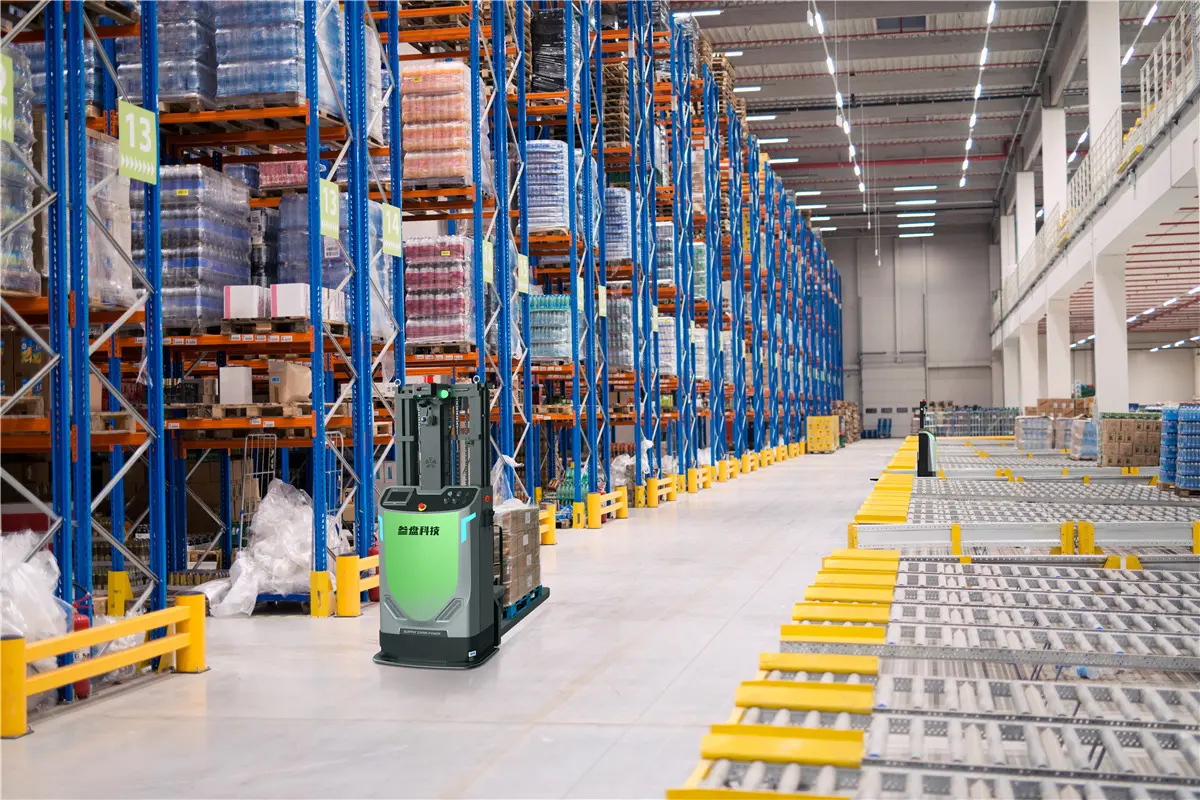
Benefiting farmers and bringing welfare to consumers by optimizing the core structural pathways of agricultural production and food distribution supply chains.
Leading the technological upgrade of the supply chain and achieving extraordinary value for transformers through AI-driven physical robotics and fleet orchestration.
Serving as the premier Alliance of Developers of New Quality Supply Chain Technology, engineering physical and software infrastructure that accelerates smart automation.
Building high-performance AMR systems requires deep industrial experience and actual deployment testing. SCP stands out by bridging the gap between hardware engineering and real-world deployment challenges.
As a subsidiary of New Hope Group, we possess a strong market reputation and proven execution capabilities. Our deep vertical expertise allows us to understand the production patterns and distribution challenges of complex industrial sectors.
Incubated directly from the internal digitization needs of the New Hope ecosystem, we have designed and optimized systems for real industrial sites. We understand structural layouts, narrow-aisle limits, and multi-SKU pick paths.
We own the complete intellectual property for our software and hardware integrations, spanning procurement, sales, and warehouse supply. We customize fleet management systems (FMS) and mapping layers to match your exact setup.
We provide light consulting alongside our projects, advising on material flow design, bottleneck analysis, process optimization, and digital key performance indicators (KPIs) to de-risk your automation investment.
With an experienced engineering and field team, we coordinate safety compliance validations, map generation, network checks, and WMS integrations. We focus on minimizing downtime and getting your system up and running quickly.
Sustainable industrial growth relies on continuous R&D investment, standardizing systems, and planning for long-term reliability.
SCP continues to invest heavily in expanding its R&D capabilities, improving both our physical AMR chassis and our top-level software solutions. By focusing on in-house development and system integration across procurement, sales, and warehouse supply, we keep our technology competitive and reliable.
At the same time, we actively explore cutting-edge AI and machine learning techniques to improve vehicle routing, system diagnostics, and warehouse slotting. This proactive development helps future-proof our clients' logistics investments.
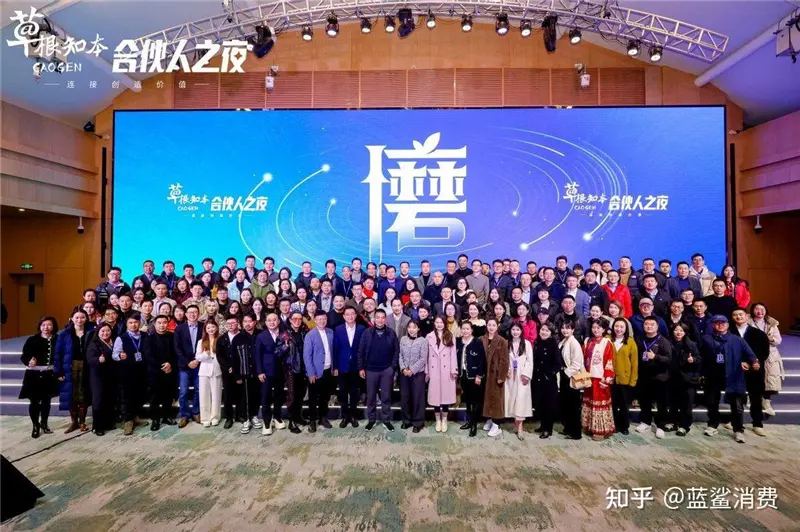
Leveraging Caogenziben's deep industrial networks, SCP builds solutions tailored to real food manufacturing and consumer logistics scenarios. By improving cold chain logistics, we help establish clean, efficient, and consistent supply chain operations.
Furthermore, we work closely with international technology partners, bringing global best practices and safety standards to our developments. This collaborative approach helps build an adaptable, globally competitive supply chain ecosystem.
Guided by our vision to "Lead the technological upgrade of the supply chain and achieve extraordinary value for transformers," we integrate sustainability into our long-term strategies. We look beyond quick metrics to help build energy-efficient, responsive, and reliable logistics operations.
By designing energy-efficient robotic hardware (including automatic opportunity charging and regenerative braking) and smart warehouse scheduling software, we help partners reduce their environmental impact and operational costs over time.
Our intelligent autonomous products comply with major global safety and manufacturing directives, including CE, ISO, and standard mechanical requirements.
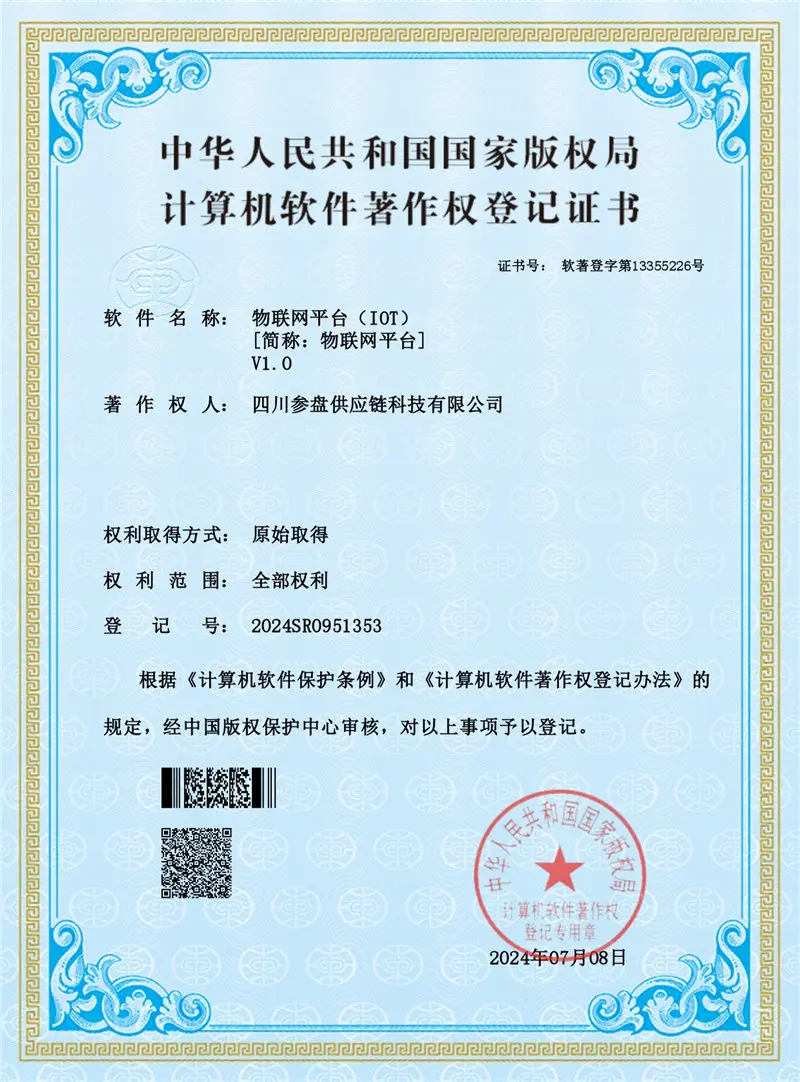
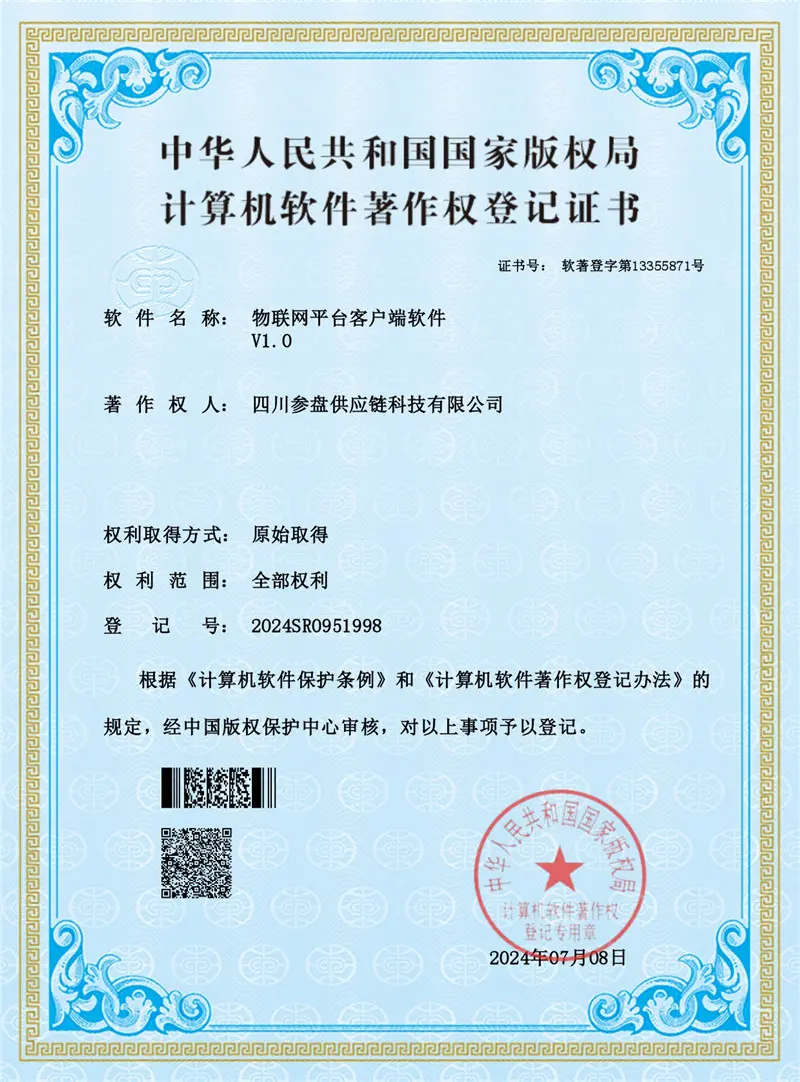
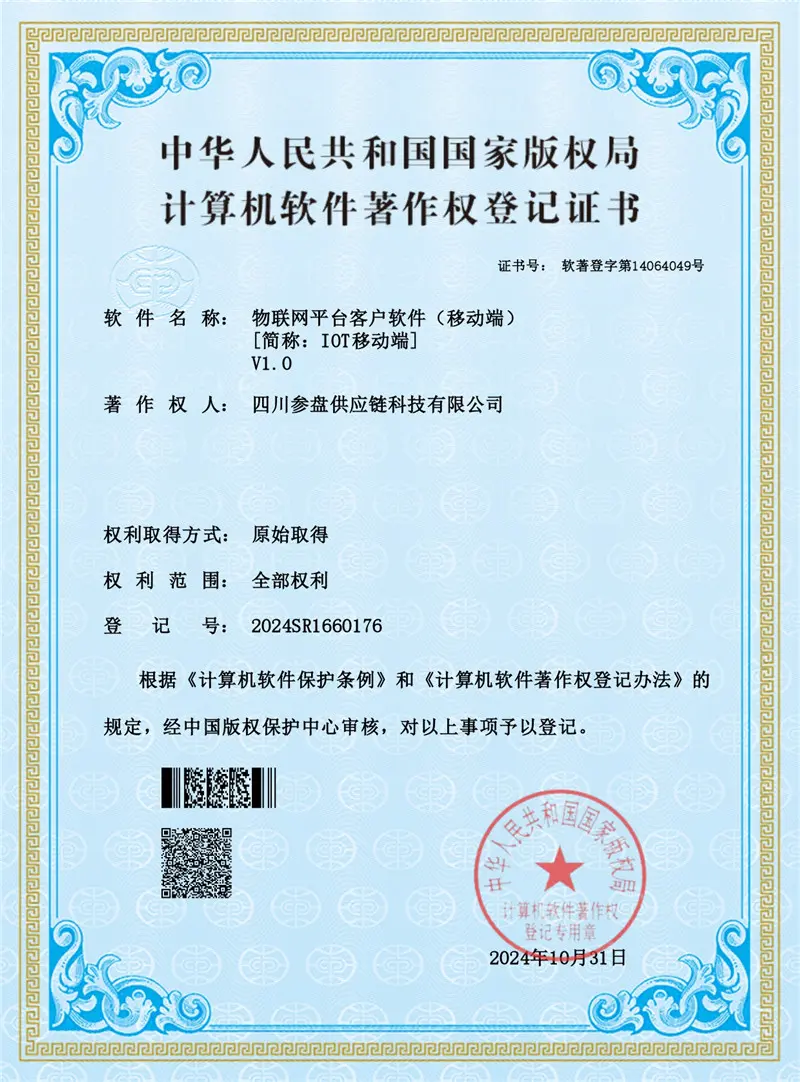
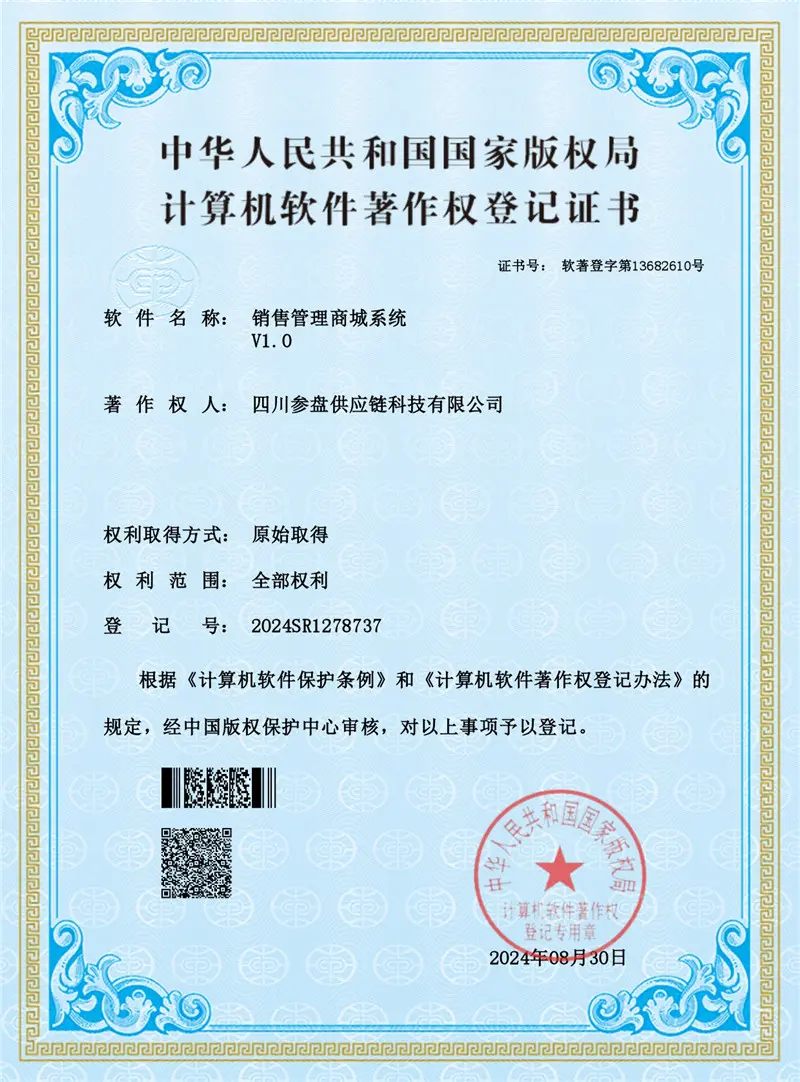
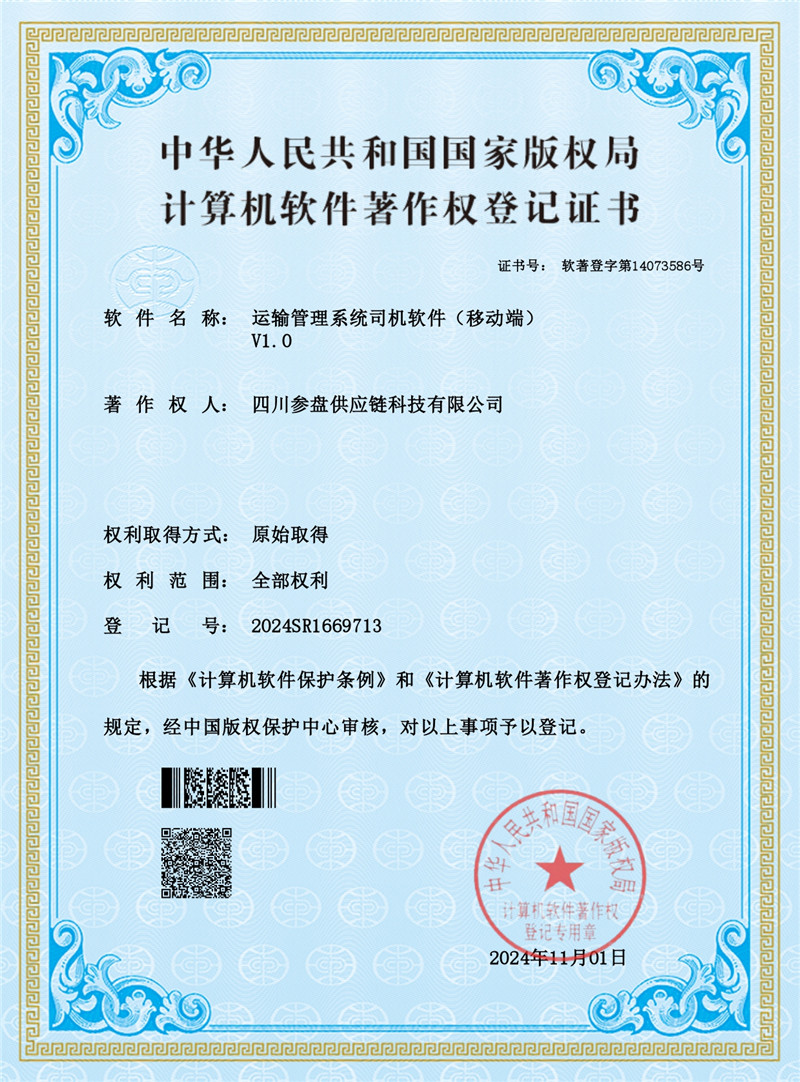
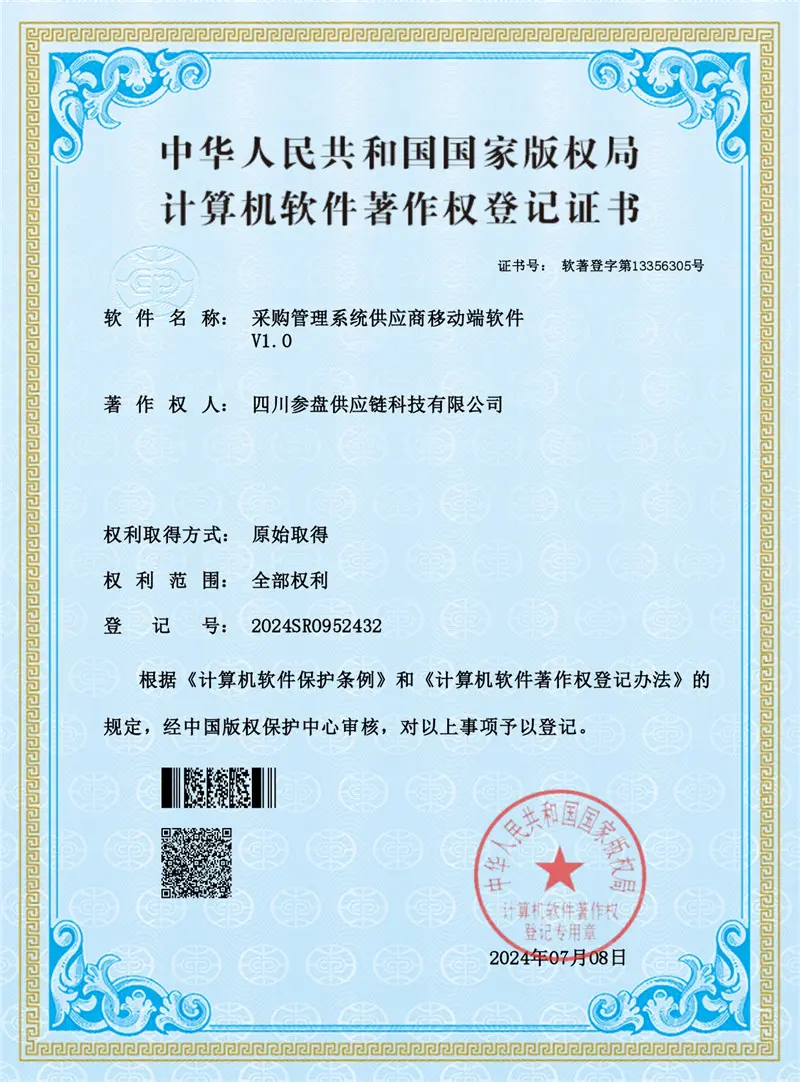
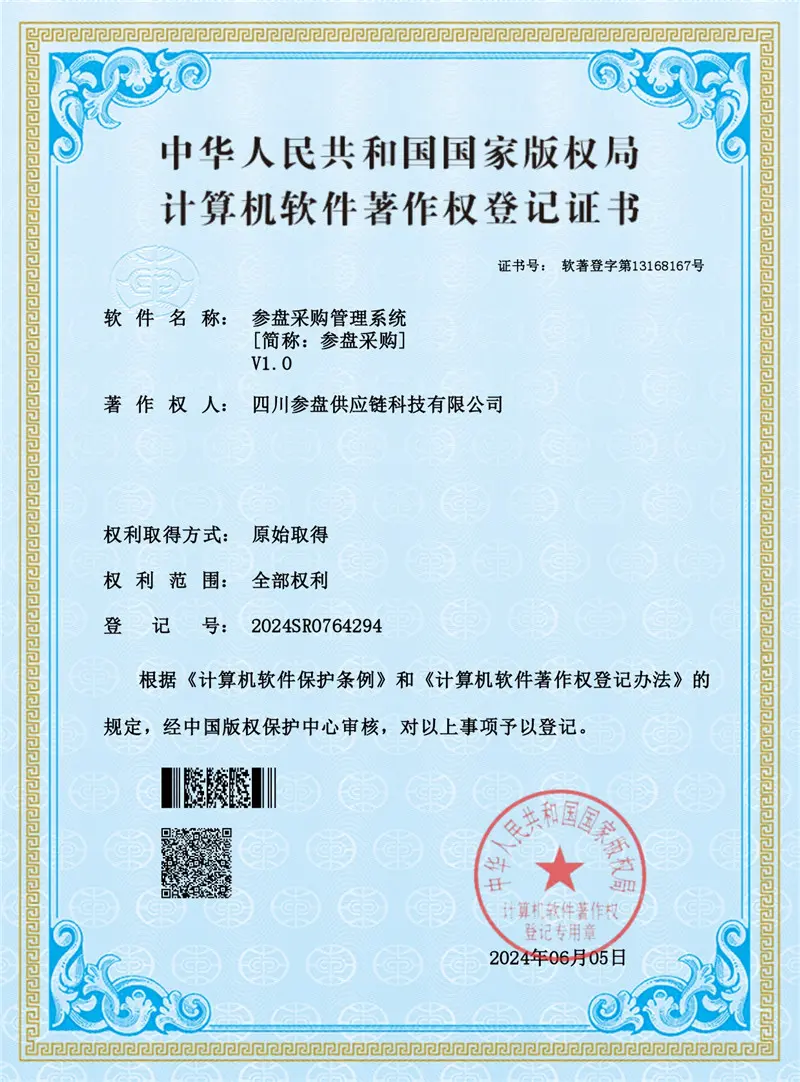
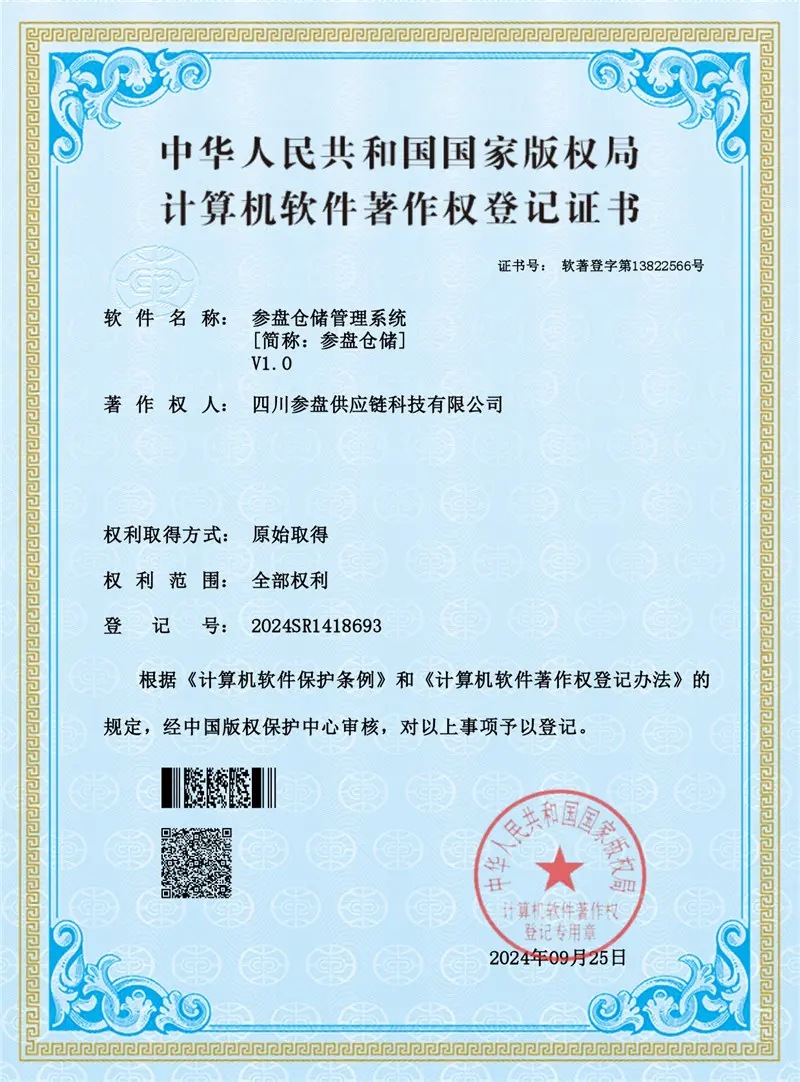
SCP focuses on providing comprehensive solutions for the food supply chain, alongside developing smart software and hardware systems. By utilizing Internet of Things (IoT), AI, machine learning, and rugged robotic platforms, we deliver automated, digital, and systematic solutions.
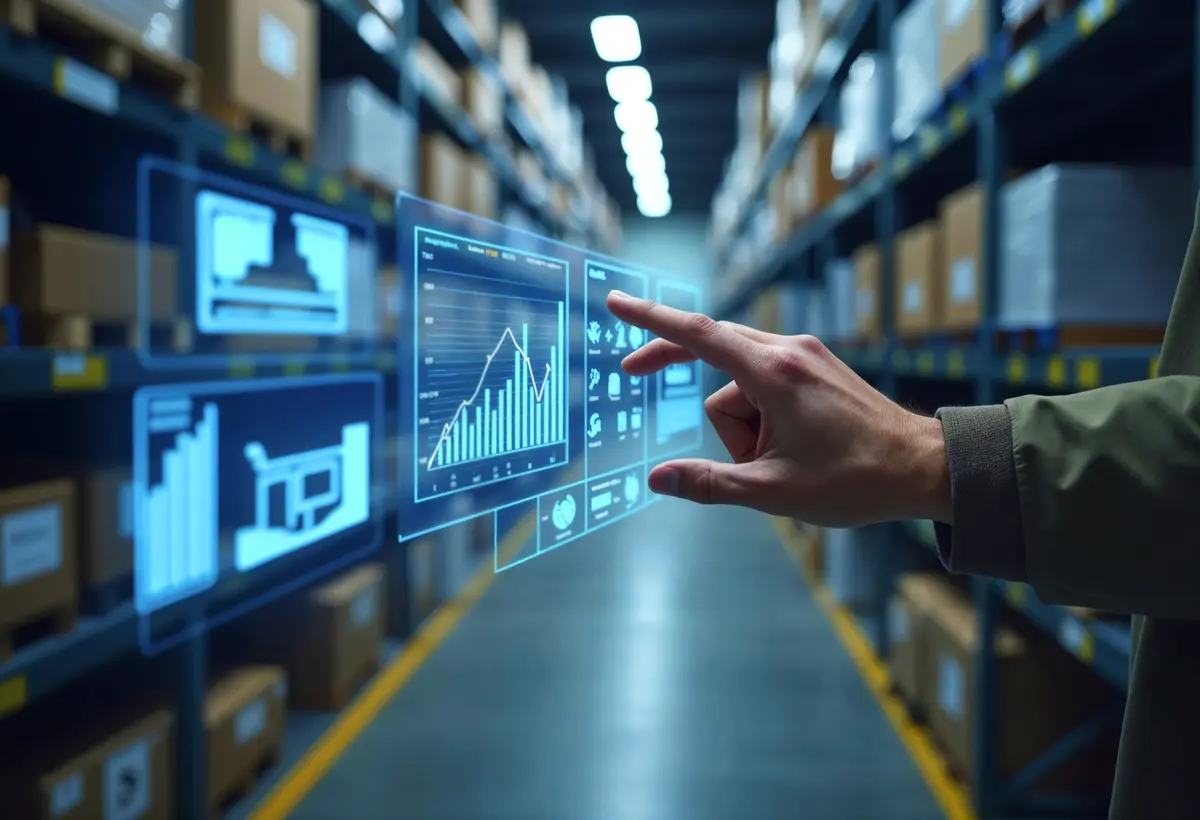
Our systems help improve operational efficiency across procurement, supply, and sales. By linking digital control towers with autonomous physical material transport, we help upstream and downstream partners drive long-term productivity gains.
As warehouse environments handle more high-mix, low-volume orders, material routing systems must adapt. Our technology roadmap focuses on three main developments:
By combining 3D LiDAR with vision-based SLAM, our robots can build deep semantic maps of their environments. This enables robust positioning and navigation even in highly dynamic warehouses where stored inventory changes daily.
We are expanding our fleet management systems to coordinate large fleets of mixed vehicles (such as counterbalanced forklifts, narrow-aisle stackers, and light chassis). By utilizing VDA 5050 communications protocol, we enable efficient multi-agent coordination.
By collecting performance metrics from our active AMR fleets, our software analyzes component conditions to predict maintenance needs. This helps warehouse managers address wear and tear before it impacts daily operations.
Answers to common questions regarding the technical setup, capabilities, and business case for AMR logistics deployments.
Traditional Automated Guided Vehicles (AGVs) rely on fixed paths, such as magnetic tape, painted lines, or under-floor wires, and stop when encountering an obstacle. Autonomous Mobile Robots (AMRs) use Laser SLAM (Simultaneous Localization and Mapping) to navigate dynamically. They map their surroundings in real-time and can navigate around obstacles, providing a flexible solution that doesn't require floor infrastructure modifications.
Our self-developed system connects with your warehouse management systems (WMS) and ERP software via standard API interfaces and database integrations. When a dispatch request is registered, our system coordinates vehicle assignments, monitors routing, and updates inventory statuses in real-time, helping keep warehouse data aligned across platforms.
Yes. We build specialized cold chain configurations for our Laser SLAM forklifts and AMR systems. These configurations include heated component enclosures, anti-condensation systems, and cold-tolerant battery options, allowing reliable operation in temperature-controlled spaces down to -20°C.
Our physical hardware is engineered to meet international safety directives, including ISO 3691-4. The vehicles are equipped with safety LiDAR sensors, 3D obstacle cameras, emergency stop controls, and automated acoustic and visual warnings to help prevent accidents in active workspaces.
Depending on facility dimensions and structural layout, initial laser mapping and fleet setup can often be completed in 3 to 7 working days. Because SLAM navigation maps the site dynamically without floor tape or reflectors, we can construct operational paths quickly with minimal disruption to your daily operations.
Explore our full range of automated logistics equipment, including specialized narrow-aisle stackers and robust mobile robot chassis built to optimize your warehouse operations.
 SCP
SCP