Explore our top-tier configurations for modern heavy industry, high-density warehousing, and agile manufacturing spaces.
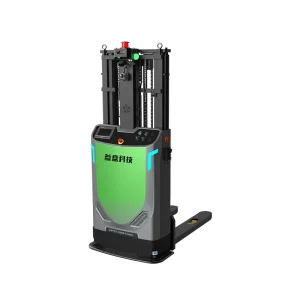
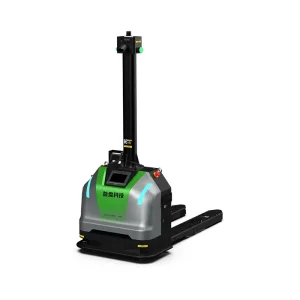
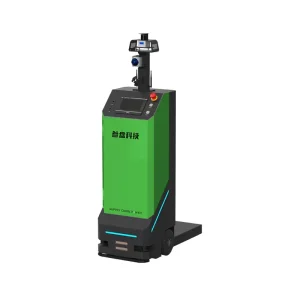
The global material handling sector is undergoing a rapid paradigm shift. Historically, Automated Guided Vehicles (AGVs) relied on physical infrastructure like magnetic striping, inductive wires, or physical QR grids applied directly to warehouse floors. These traditional methodologies created permanent structural rigidity, making system modifications highly disruptive and prohibitively expensive.
Modern smart logistics relies on Natural Navigation through Laser SLAM (Simultaneous Localization and Mapping). Equipped with advanced LiDAR sensors, dynamic pathfinding processors, and intelligent safety arrays, laser-navigated AGVs construct highly detailed spatial algorithms of their active workspaces. This eliminates infrastructure constraints and permits real-time navigation modifications.
Globally, manufacturers and warehouse operators are integrating Laser SLAM platforms to combat rising labor shortages, optimize vertical storage spaces, and meet strict safety standards like ISO 3691-4. The transition from basic automated machinery to intelligent, autonomous mobile fleets is essential for modern high-velocity distribution centers.
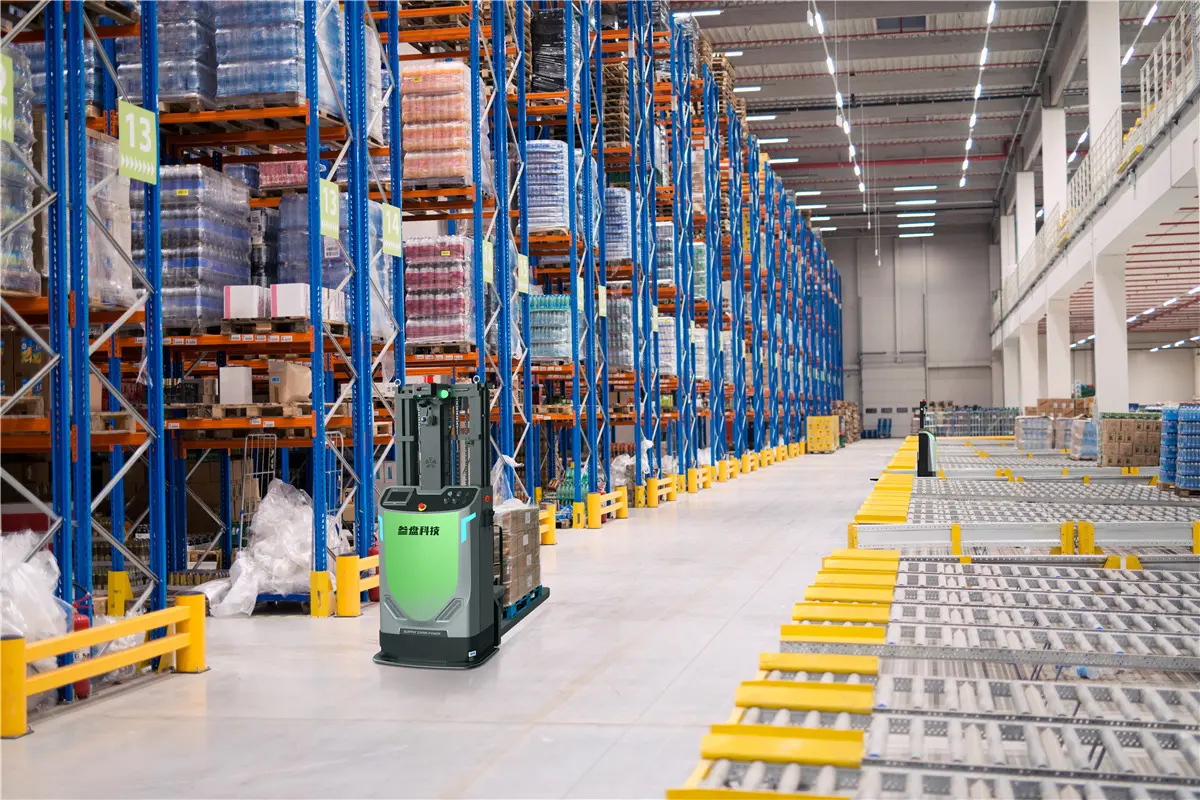
Understanding the trade-offs between navigation options is crucial for procurement teams evaluating AGV system integrations.
| Navigation Typology | Infrastructure Dependency | Installation Speed | Path Flexibility | Positioning Accuracy | Capital Cost (ROI Speed) |
|---|---|---|---|---|---|
| Magnetic Tape/Guide Wire | High (Physical Floor Tracks) | Slow (Requires Floor Mod) | Zero (Fixed Routes) | ±5 mm | Low Initial / High Maintenance |
| Reflector-Based Laser | Medium (Requires Wall Targets) | Medium (Requires Surveying) | Medium (Software Path Mod) | ±10 mm | High Initial / Stable |
| Natural Laser SLAM (Our Standard) | None (Uses Environmental Features) | Ultra-Fast (Software Mapping) | High (Dynamic Obstacle Avoidance) | ±5-10 mm | High Initial / Accelerated ROI |
China has established itself as the global epicenter for industrial robotics, driving major innovations in cost efficiency, supply chain speed, and custom engineering.
By optimizing components, structural fabrication, and assembly, Chinese manufacturers offer significant cost advantages without sacrificing quality.
From custom lifting chassis to specialized fork architectures, Chinese factories adapt designs to meet specific logistics demands.
Highly integrated domestic component clusters enable rapid prototyping and swift volume production cycles.
Our manufacturing network leverages advanced industrial clusters in key robotic hubs across China. We integrate premium components, including safety LiDAR sensors, reliable motor controllers, and long-lasting LiFePO4 batteries, with local engineering to deliver cost-effective automated guided vehicles worldwide.
From complex industrial spaces to precise material handling tasks, explore our core application scenarios.
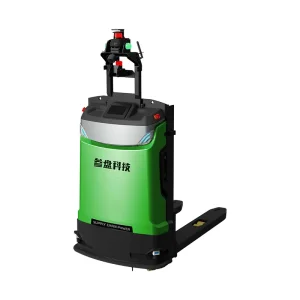
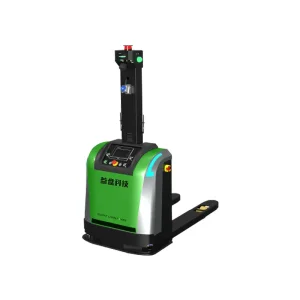
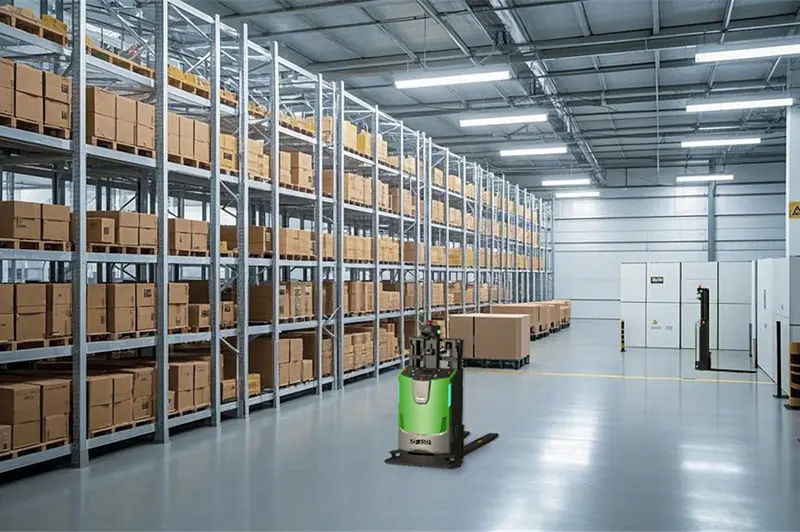
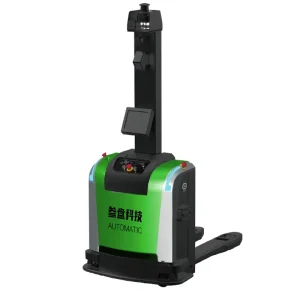
Our narrow-chassis models, such as the SFL-CBD15-ZL, operate with minimum turning radiuses as tight as 600mm. These units excel in high-density rack storage, safely handling payloads up to 3000kg without manual operator intervention.
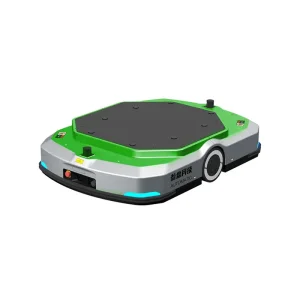
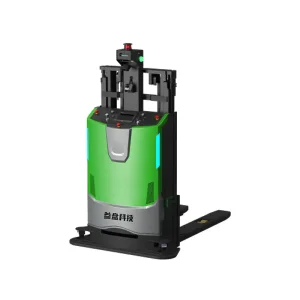
The high-performance robot chassis series, including the AMB-CSW10-BH 1T load capacity base unit, provides a stable, modular core for customized conveyor tops, robotic arm interfaces, and bulk material transport.
Integrated with our SCP Supply Chain Planning software, our systems help food and agricultural processing facilities automate temperature-sensitive zones. This maintains continuous throughput and supports reliable, hygiene-compliant operations.
Taking the actual business needs as the cornerstone, SCP is committed to comprehensively innovating and enhancing the overall supply chain planning of enterprises. We provide enterprises with comprehensive end-to-end supply chain solutions, build a multi-role and multi-dimensional intelligent supply chain collaboration system, and achieve all-round efficient collaboration and process optimization. At present, SCP has established a product architecture supported by software and hardware, and supplemented by the top-level design of the supply chain control tower to create an agile, flexible and efficient end-to-end supply chain system for enterprises.
Our corporate culture guides our daily work, development initiatives, and technological partnerships:
As a subsidiary of New Hope Group, we have a good market reputation and execution ability. Moreover, we have an in-depth understanding of multiple industries.
We were incubated based on the digital needs of the business side within the New Hope system, and have participated in many projects of the same type. Therefore, we have a better understanding of the actual business scenarios and demands.
We possess the self-development and integration capabilities for various systems in procurement, sales, and supply. We can well meet the individual needs of different customers.
We provide certain light consulting services alongside projects, covering multiple dimensions such as process optimization and assessment weight, to assist customers in the construction of digital transformation of their supply chains.
We have a professional delivery team for commercial projects. We actively respond to the personalized needs of customers and can ensure fast and high-quality delivery according to customer requirements.
Combining advanced software with robust hardware components helps reduce emissions and improve overall supply chain efficiency.
In terms of technology research and development, SCP continues to increase its investment and constantly optimize the product architecture supported by software and hardware and the top-level design of the supply chain control tower.
By strengthening the self-development and integration capabilities of various systems in procurement, sales, and supply, we continuously improve the technical level and competitiveness of our products and services. We build a solid foundation for the sustainable development of enterprises and the industry with leading technologies.
At the same time, we actively explore the application of cutting-edge technologies in the supply chain field, promote technological iteration and upgrading, and maintain a leading position in the industry in terms of technology.
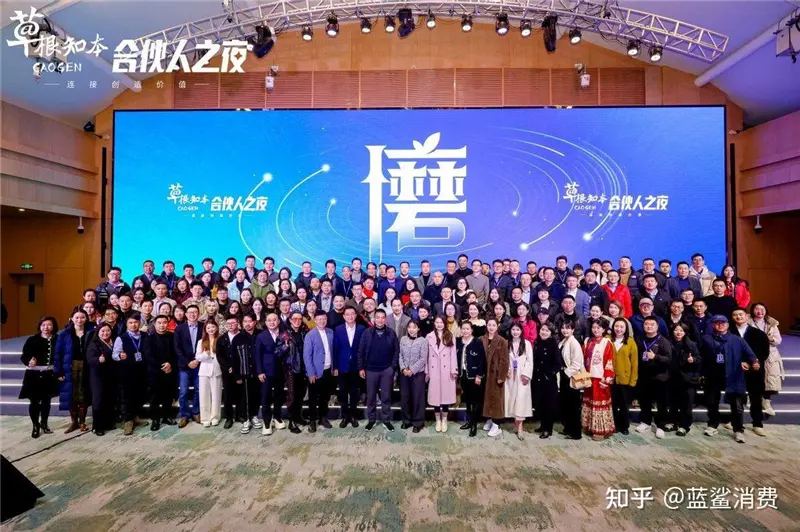
In terms of ecological construction, relying on the rich industrial resources and extensive business layout of Caogenziben, SCP deeply explores the supply chain needs of multiple industries such as food consumption and creates solutions that are suitable for actual scenarios.
By empowering key links such as cold chain logistics, we promote the standardized management and efficiency improvement of the supply chain and facilitate the collaborative development of the entire industrial chain.
In addition, we actively carry out in-depth cooperation with overseas partners, absorb international advanced experience and technologies, expand the international market, enhance the global influence of the enterprise, and build a supply chain technology ecosystem with international competitiveness.
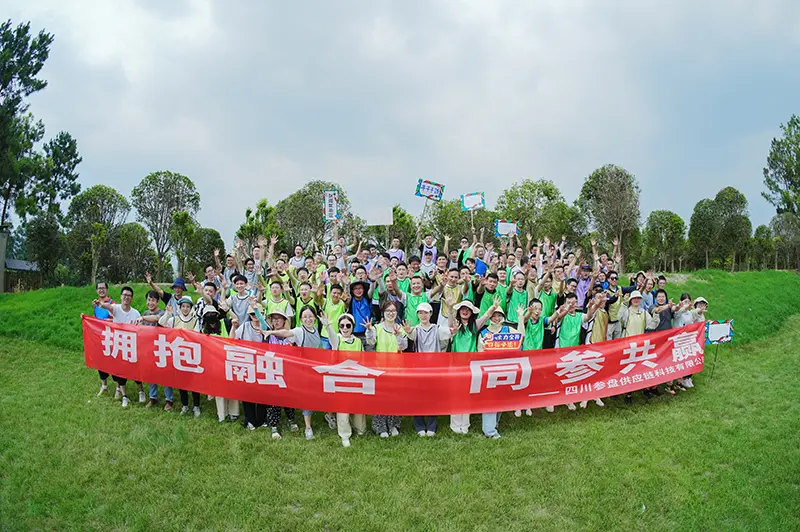
From a long-term development perspective, with the vision of "Leading the technological upgrade of the supply chain and achieving extraordinary value for transformers", SCP integrates the concept of sustainable development into its corporate strategic planning and daily operations.
We not only focus on our own growth and profitability but also look to promote the green, intelligent, and efficient development of the industry. We build a more perfect supply chain collaboration system for future enterprises.
While achieving our own sustainable development, we create greater value for society and become a backbone force in promoting the sustainable development of the supply chain technology industry.
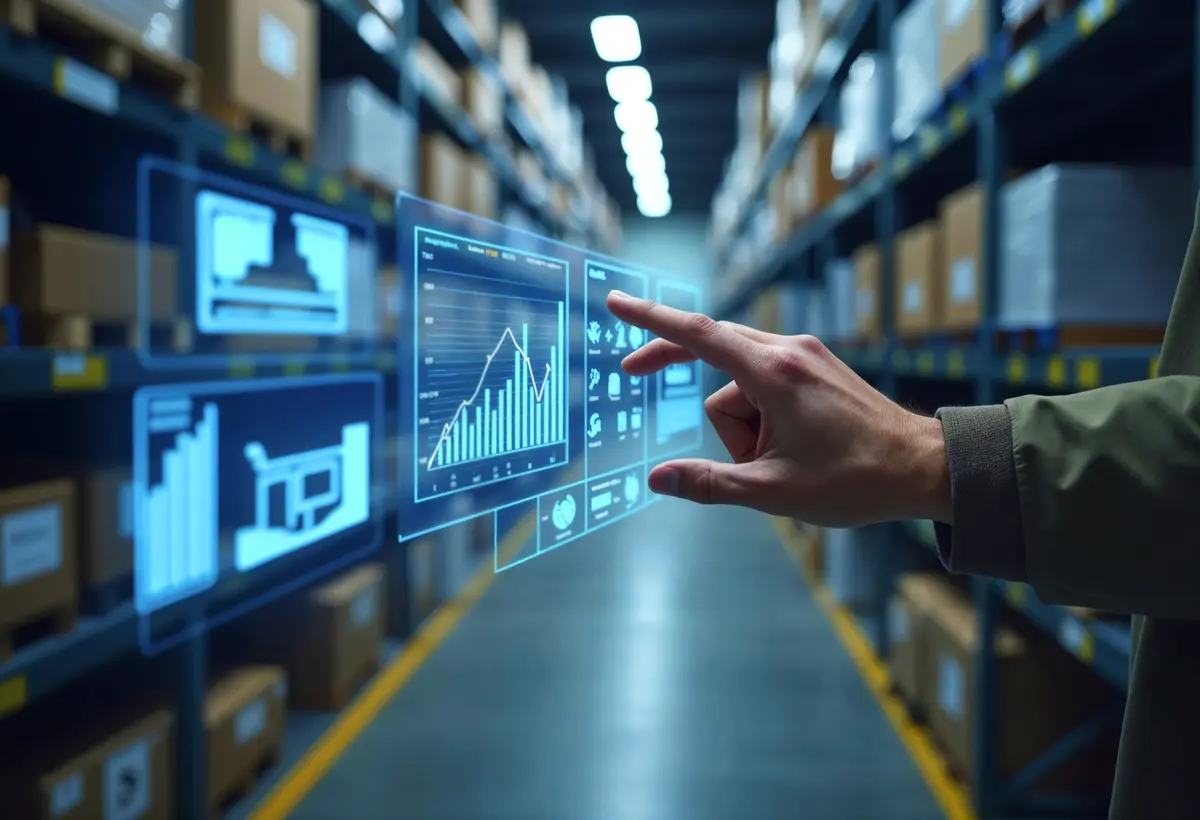
SCP focuses on providing comprehensive solutions for the food supply chain, as well as research and development of intelligent software and hardware products and services. The company aims to be based on the Internet of Things AI, the comprehensive application of machine learning, intelligent devices and other technologies. Through our automated, digitized, intelligent and systematic technology products and solution matrices, we enhance the overall operational efficiency of supply chain procurement/supply/sales, and help upgrade the value of upstream and downstream industries.
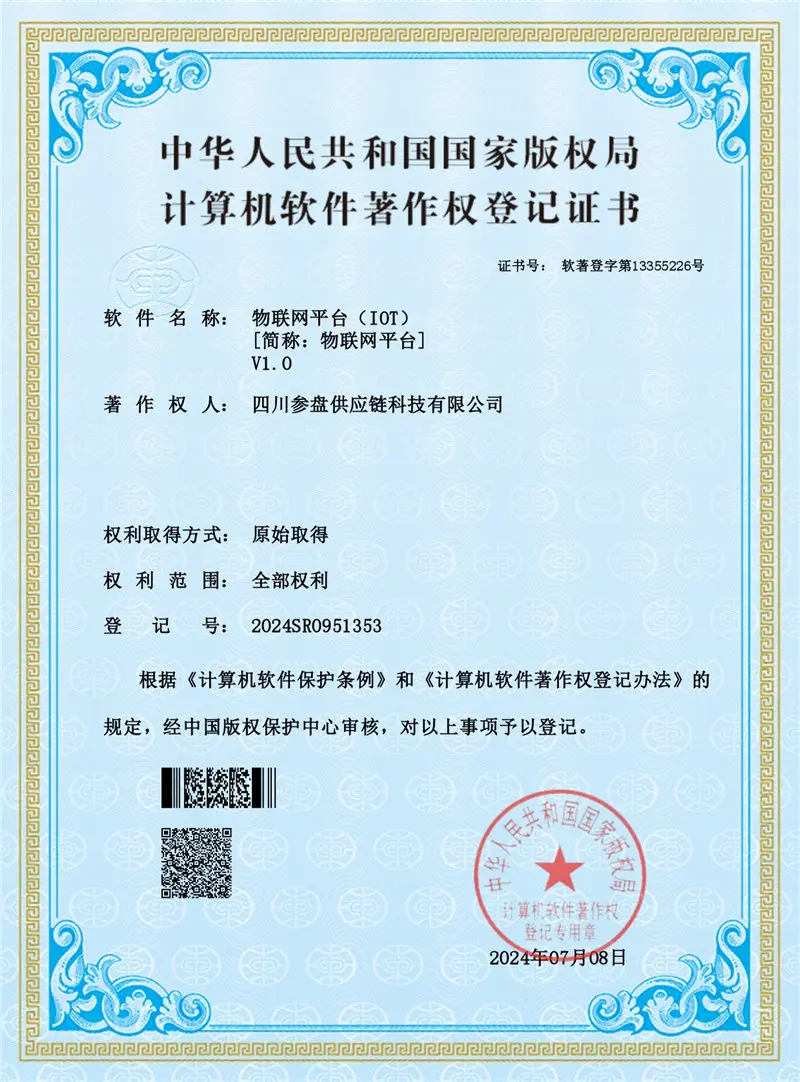
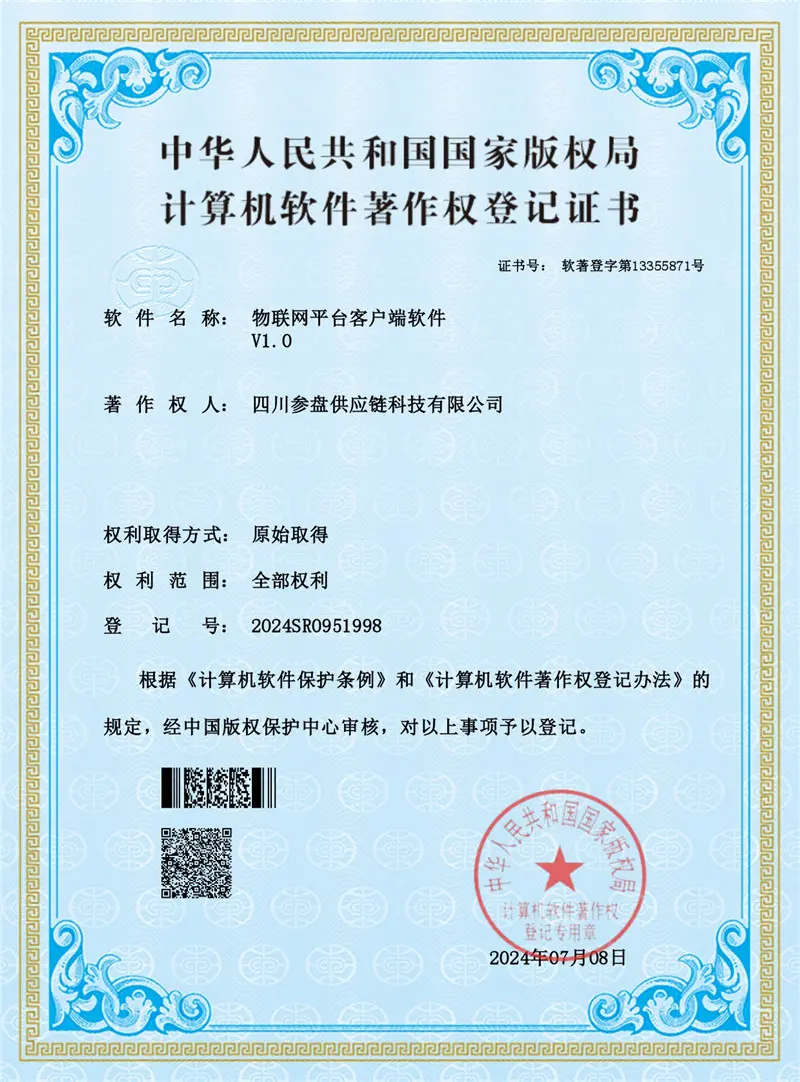
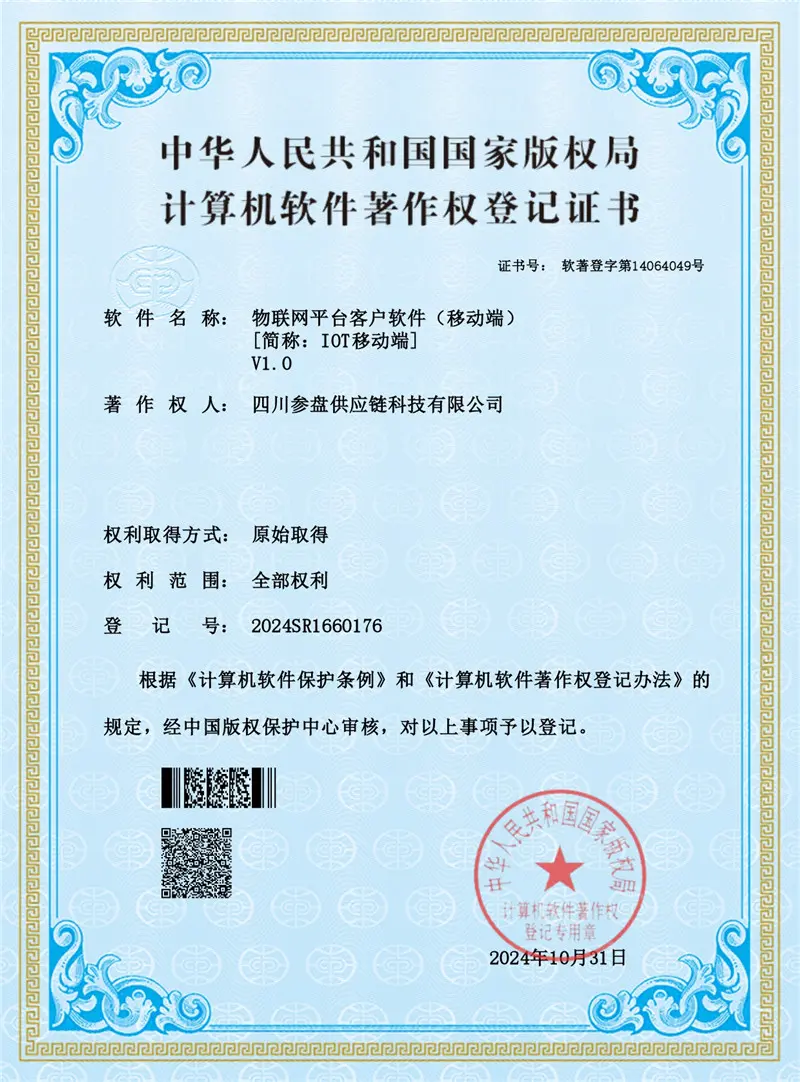
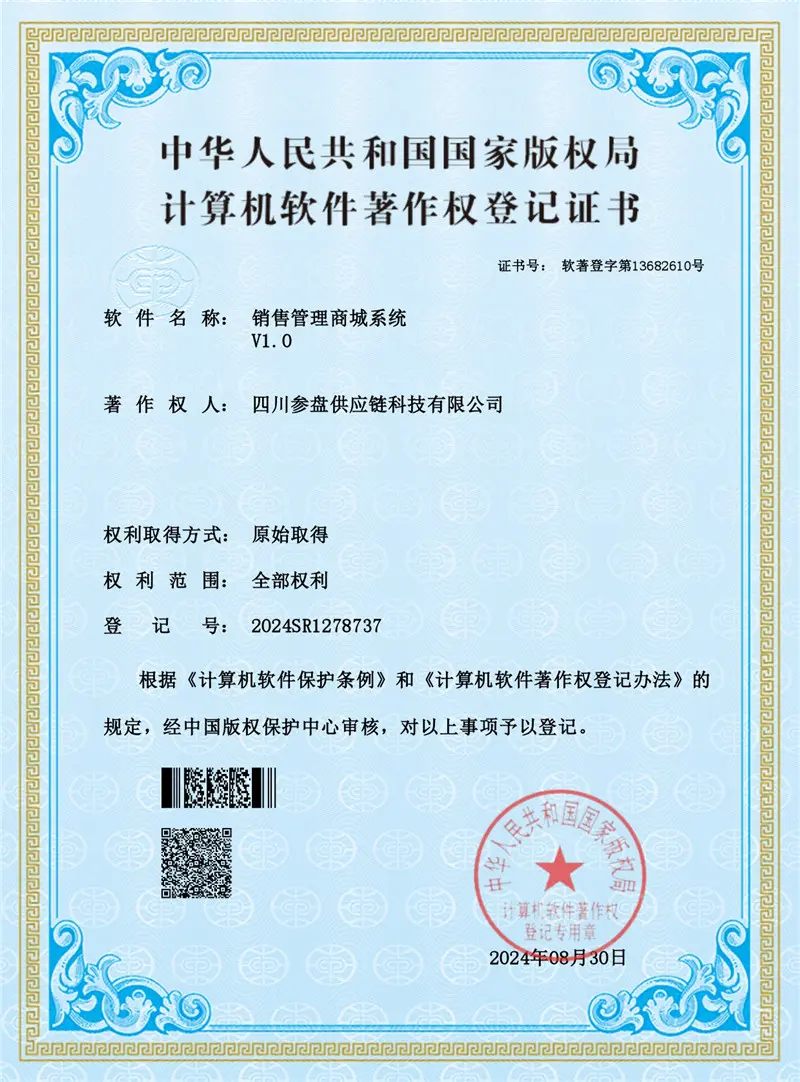
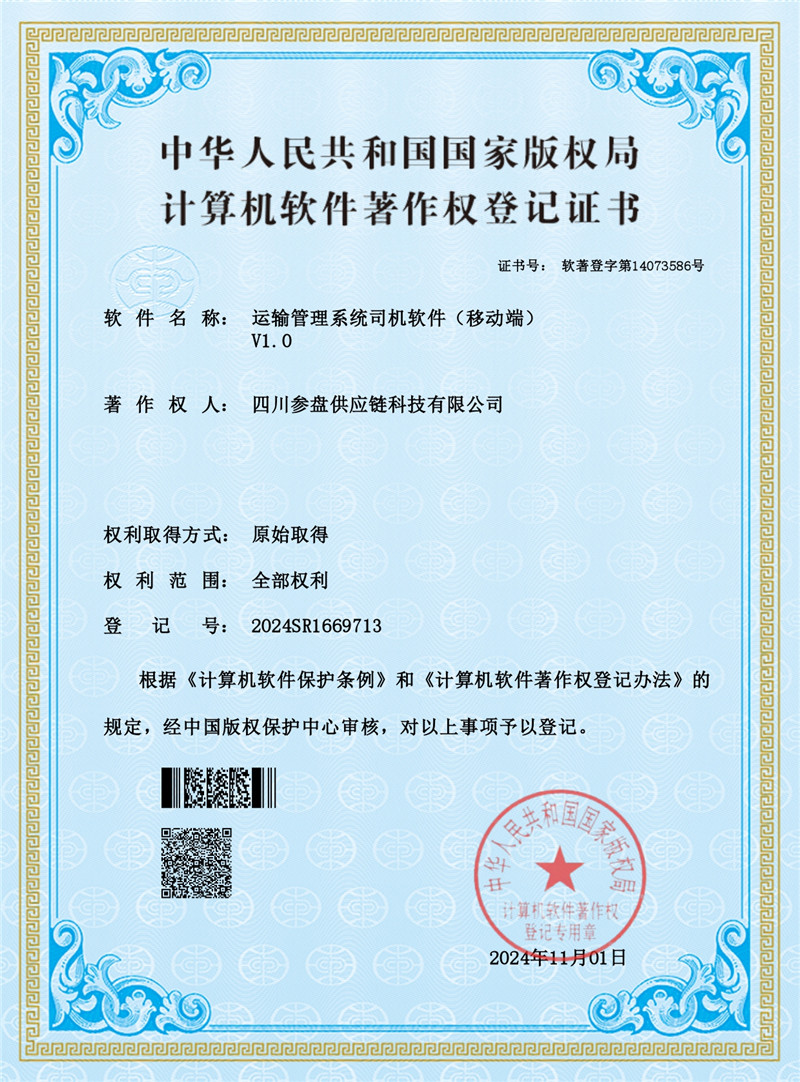
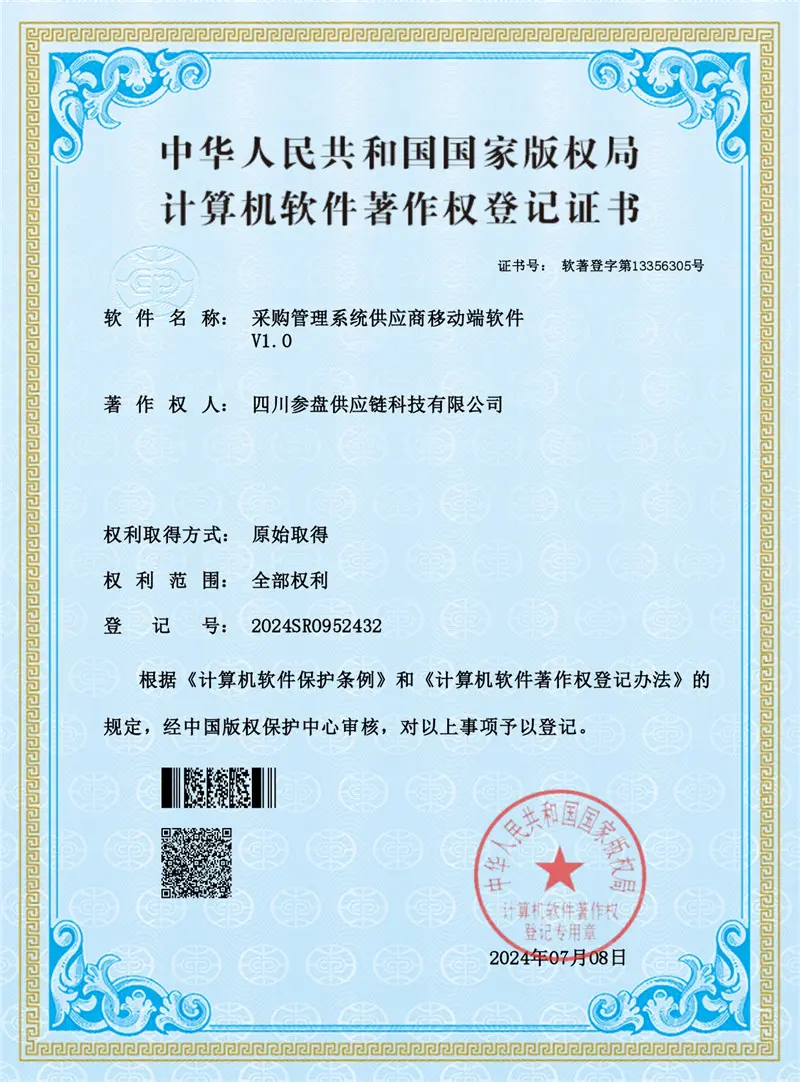
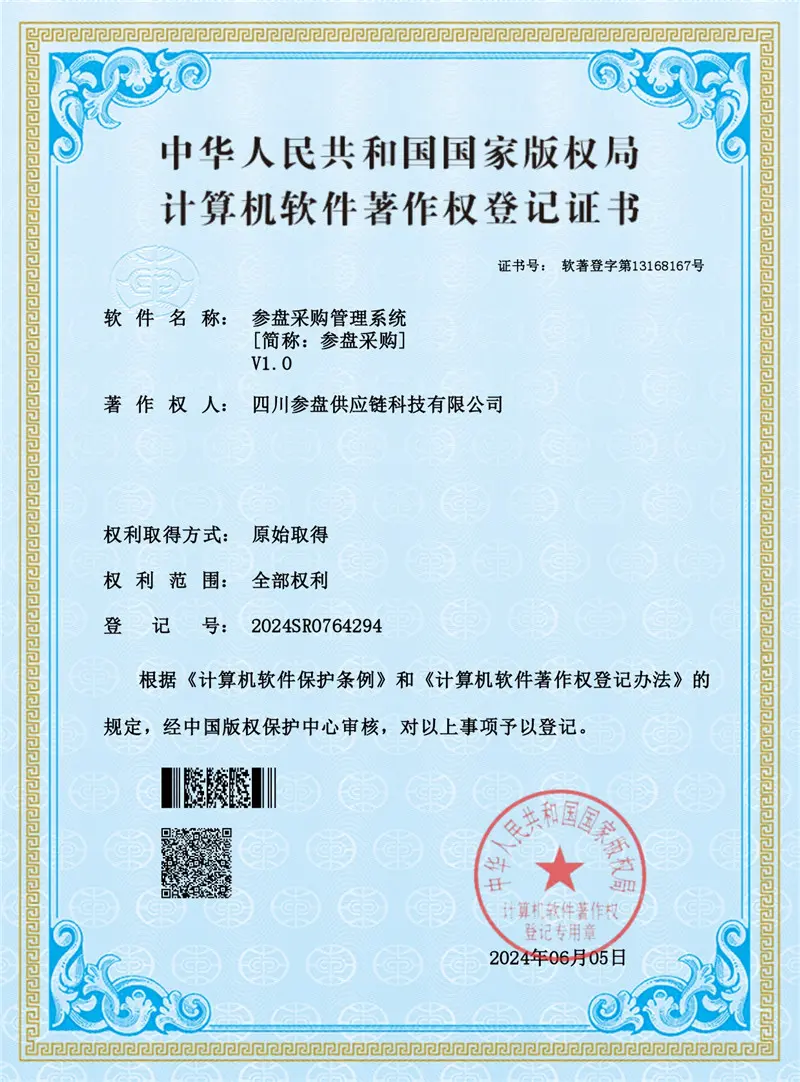
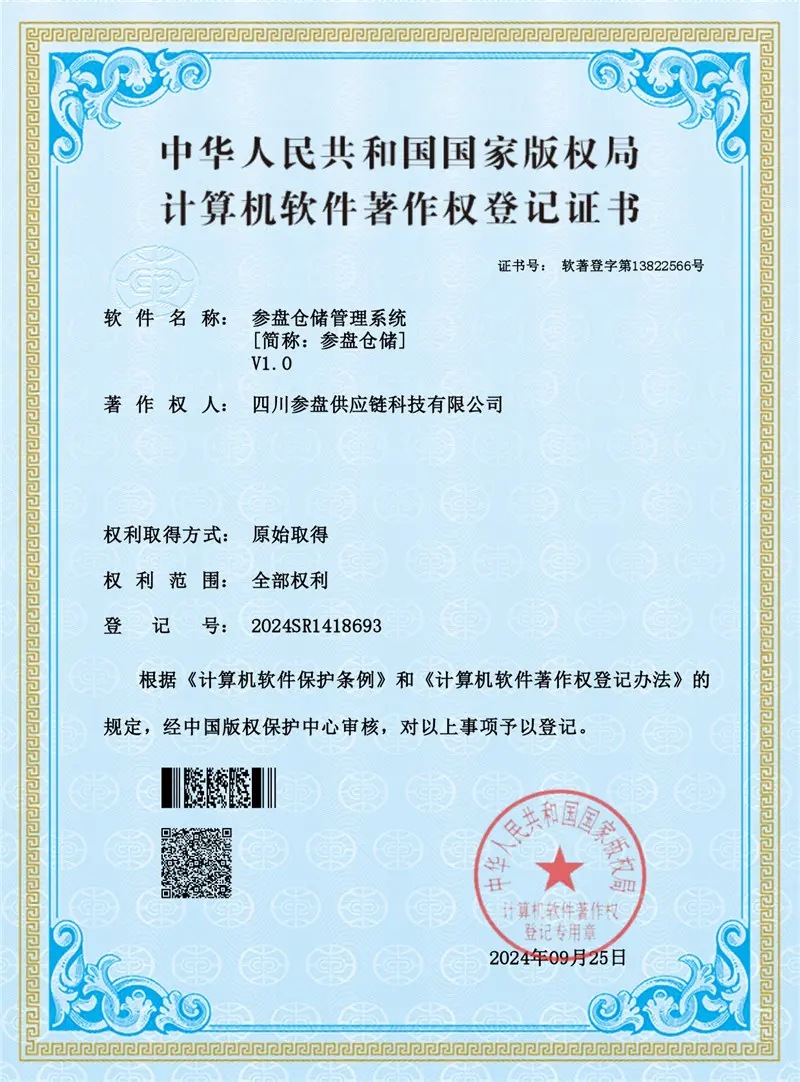
Our components, factory processes, and systems comply with strict international regulatory frameworks.
Explore answers to common questions about implementing, integrating, and procuring Laser SLAM AGVs.
Natural Laser SLAM (Simultaneous Localization and Mapping) uses the surrounding environment—such as pillars, walls, and structural features—to build its navigation map. This eliminates the need to install physical reflectors or wall markers, saving commissioning time and cost. It also allows users to dynamically update paths in the software when warehouse layouts change, avoiding operational downtime.
Our solutions connect directly with standard WMS, MES, and ERP systems using APIs, Modbus, and web service protocols. The SCP architecture works as a middle-tier coordinator, translating inventory orders into task commands for our AGV fleet management software. This ensures accurate dispatching, real-time routing, and continuous status tracking.
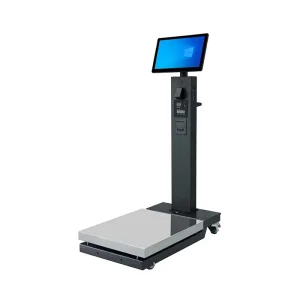
Yes. The floor scales (SCP101 & SCP100), powered by Intel J4125 processors and Android operating systems, integrate into your local network. When an AGV deposits a load onto the scale platform, weight data is automatically logged and sent to the central ERP/WMS database, streamlining operations and ensuring traceabilities.
Our AGVs feature multi-layered safety systems, including dual safety-rated LiDAR sensors, physical contact bumpers, emergency stop buttons, and acoustic warning signals. These systems comply with the ISO 3691-4 international industrial standard, protecting personnel and infrastructure by automatically slowing down or stopping when detecting unexpected obstacles.
We analyze your target cargo parameters, including weight, center of gravity, container geometry, and local height limitations. Based on this, we can customize parameters such as chassis width, fork design, lift height, and sensor placement on models from the SFL-300L (300kg) up to heavy-duty 3000kg transport units.
Review the rest of our lineup, including high-capacity material movers and specialized system elements.
 SCP
SCP