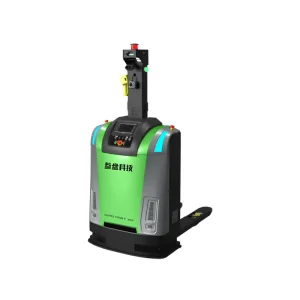
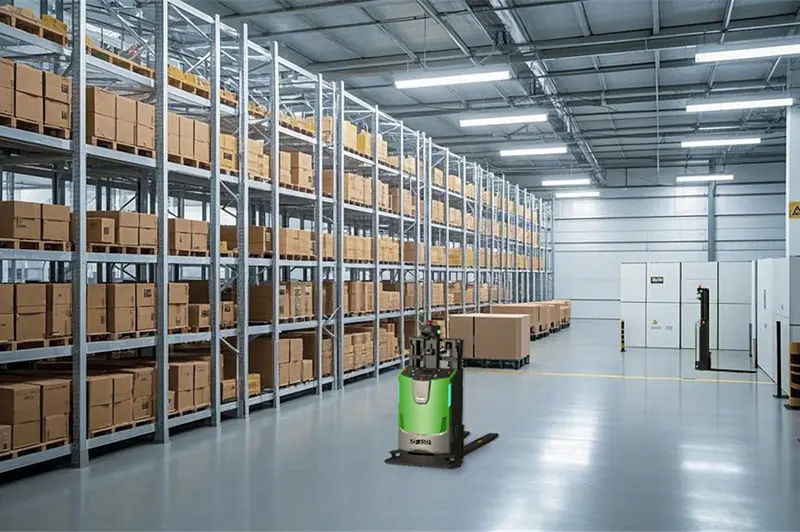
Explore our top-performing Laser SLAM navigation automatic guided vehicles (AGVs) engineered to optimize warehouse throughput, minimize labor cost, and secure 24/7 operational continuity.
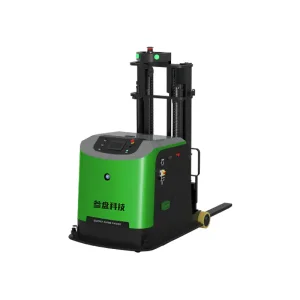
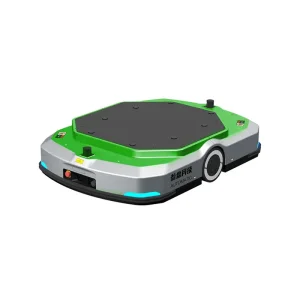
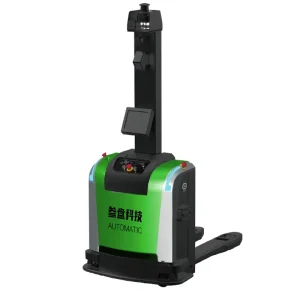
Taking actual business needs as our structural cornerstone, SCP is committed to comprehensively innovating and enhancing the global supply chain planning and logistics operation of modern enterprises. We provide enterprises with comprehensive end-to-end supply chain solutions, building a multi-role and multi-dimensional intelligent supply chain collaboration system. Through automated robotic systems, custom software platforms, and real-time fleet analytics, we achieve all-round efficient collaboration and process optimization.
At present, SCP has established an integrated product architecture supported by high-precision hardware (such as Laser SLAM Forklifts, AMRs, and custom AGV chassis) and cutting-edge software suites. These are augmented by the top-level design of the supply chain control tower to create an agile, flexible, and resilient supply chain system capable of weathering global supply chain shifts.
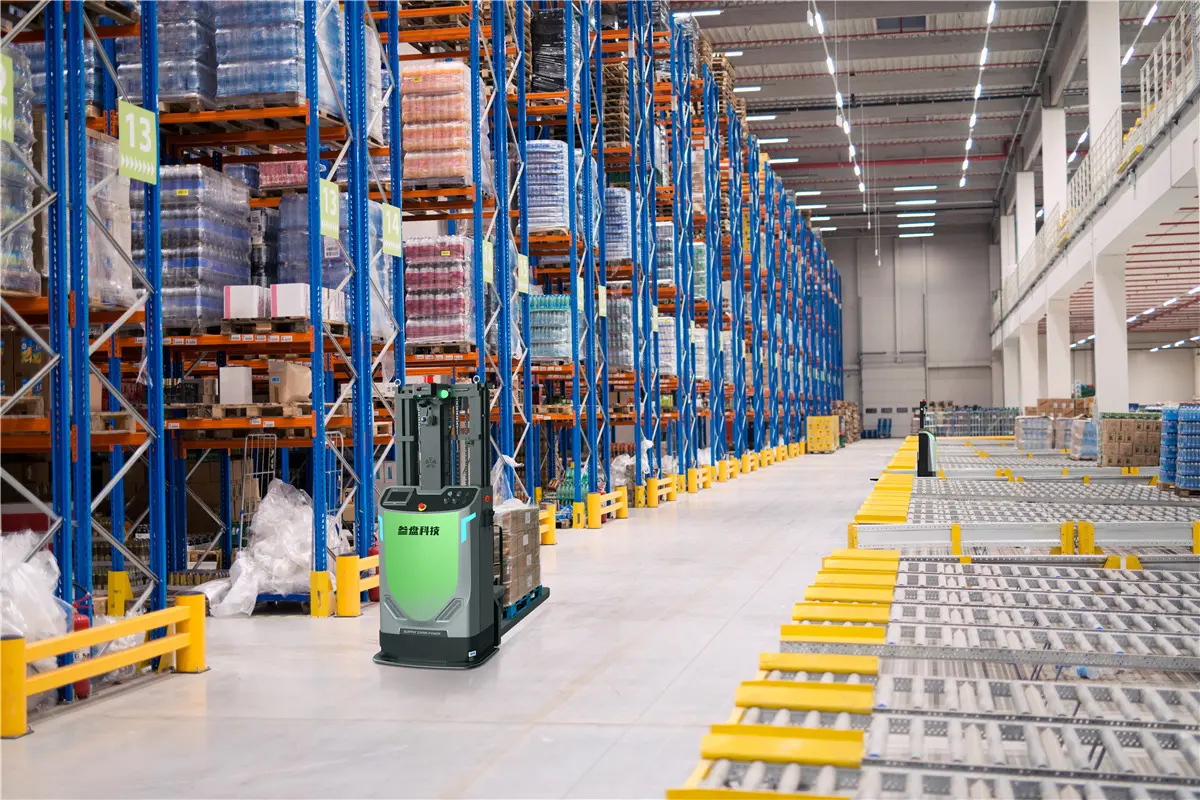
How next-generation automated guided vehicles are transforming high-density warehouses and dynamic production floors under Industry 4.0 paradigms.
The global logistics and manufacturing sectors are experiencing structural shifts characterized by demographic challenges, soaring warehousing rents, and the rise of multi-channel distribution. Standard manual pallet handling is no longer economically viable or operationally safe for large-scale facilities. As a result, Automated Guided Vehicles (AGVs) and Autonomous Mobile Robots (AMRs) have evolved from simple point-to-point transfer mechanisms into intelligent, collaborative assets integrated with Warehouse Management Systems (WMS).
By implementing advanced Laser SLAM (Simultaneous Localization and Mapping) navigation, modern AGVs bypass the need for disruptive physical infrastructure such as magnetic tapes or reflective mirrors. This ensures near-zero downtime deployment and allows rapid path re-routing. From the heavy manufacturing industries of Germany to the massive e-commerce fulfillment hubs of North America and East Asia, intelligent robotic fleets are establishing new benchmarks for throughput accuracy and personnel safety.
Our strategic direction is shaped by a deep sense of social responsibility and technical leadership in supply chain modernization.
Benefiting farmers and bringing sustainable welfare to consumers by engineering lean, highly traceable, and cost-effective digital supply chains.
Leading the technological upgrade of global supply chains and achieving extraordinary value for industry transformers and supply operators.
Acting as the leading Alliance of Developers of New Quality Supply Chain Technology, uniting top software engineers and advanced mechanical designers.
From consulting to implementation, we deliver fully customized digital integrations powered by deep industry experience.
As a subsidiary of New Hope Group, we command a strong market reputation and unmatched execution ability. We possess in-depth structural knowledge across multiple complex industries.
Incubated directly from the digital transformation needs of the business side within the New Hope system, we design AGV products with a practical understanding of warehouse floors.
We possess robust self-development and integration capabilities for various enterprise platforms in procurement, sales, and supply, tailoring layouts to individual needs.
We deliver expert light consulting services alongside our hardware deployment, targeting process optimization, safety standards, and performance evaluation indicators.
With an experienced and agile delivery team for commercial projects, we address personalized customer needs and ensure secure, high-quality, and rapid on-site commissioning.
How SCP merges green manufacturing processes, ecological collaborations, and long-term tech roadmap planning.
SCP continues to increase its investment in engineering R&D to optimize our hardware and software architecture. By strengthening self-development and integration capabilities of procurement, sales, and supply networks, we build a solid foundation for sustainable growth.
Our focus includes high-capacity LiFePO4 batteries with smart battery management systems (BMS), lowering total energy footprint while ensuring safe charging cycles inside automated industrial facilities.
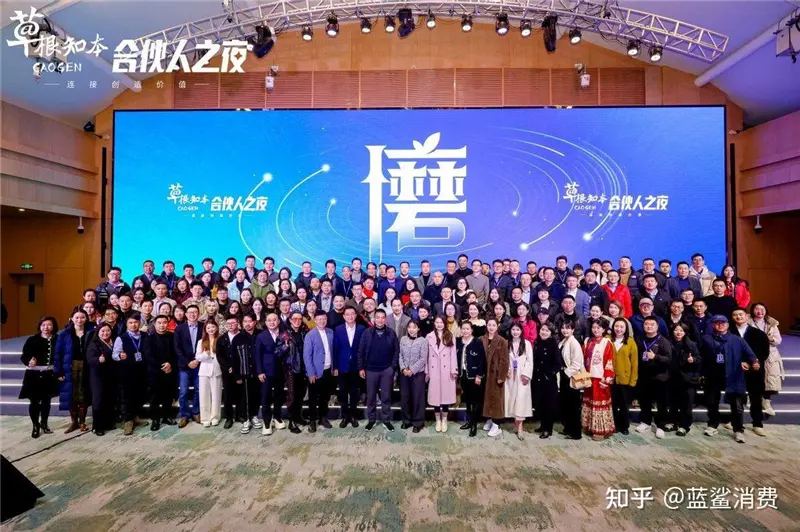
Relying on the industrial resources of Caogenziben, SCP addresses the supply chain needs of multiple industries, including food consumption, cold chain logistics, and heavy warehousing. We enhance logistics standardization and support key industry links.
Through deep collaborations with international partners, we share advanced technological insights, expand our global footprint, and build a competitive global ecosystem.
We integrate sustainable practices into our long-term planning, aiming to drive green, intelligent, and efficient supply chain transformations. Our solutions help reduce manufacturing emissions through optimized pathfinding algorithms that minimize AGV travel times and battery consumption.
By designing systems built for future modular expansions, we safeguard customer investments and promote a sustainable, low-carbon future for industrial robotics.
How our vehicles meet stringent international safety, electric, and mechanical standards across different regions.
Deploying automated guided vehicles across international borders requires strict adherence to regional safety frameworks. Our entire product line is designed and built to comply with major global safety directives, securing smooth integration on target facility floors:
Governs driverless industrial trucks, ensuring strict compliance with safety laser scanner fields, active obstacle detection, and speed control.
Adherence to North American standards for guided industrial vehicles, covering steering safety, load controls, and path markers.
Full conformity with the EU Machinery Directive (2006/42/EC), electromagnetic compatibility (EMC), and low-voltage electrical designs.
Meeting safety standards for automated mobile platforms, covering risk of fire, shock, and mechanical failure under heavy use.
To ensure local implementation, we maintain localized technical service hubs staffed with specialized engineers. This network supports rapid deployment, compliance audits, local training, and immediate on-site maintenance.
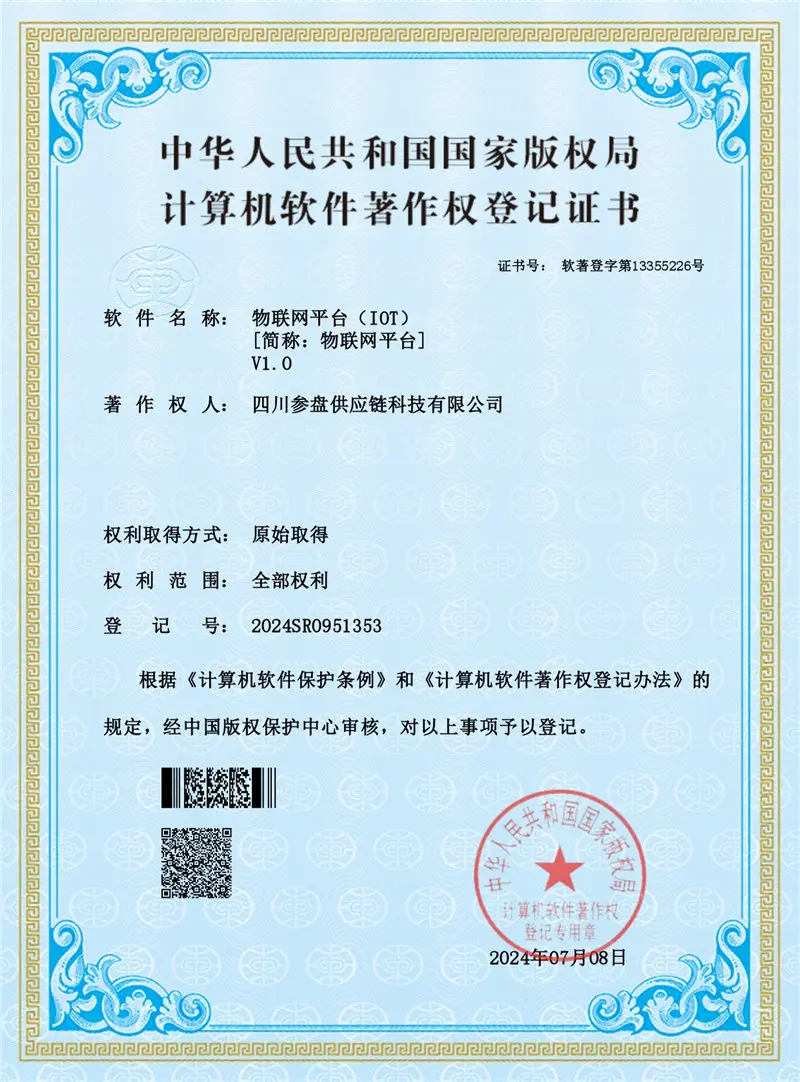
Our engineering, structural designs, and production systems are verified by international testing agencies.
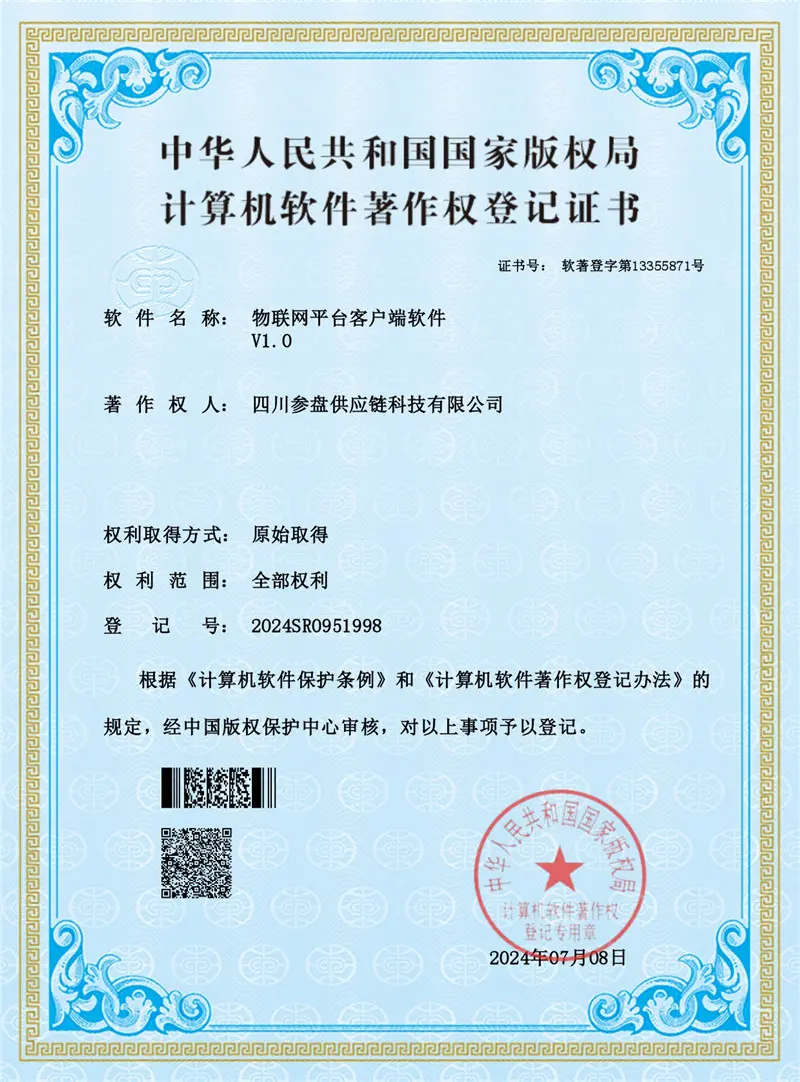
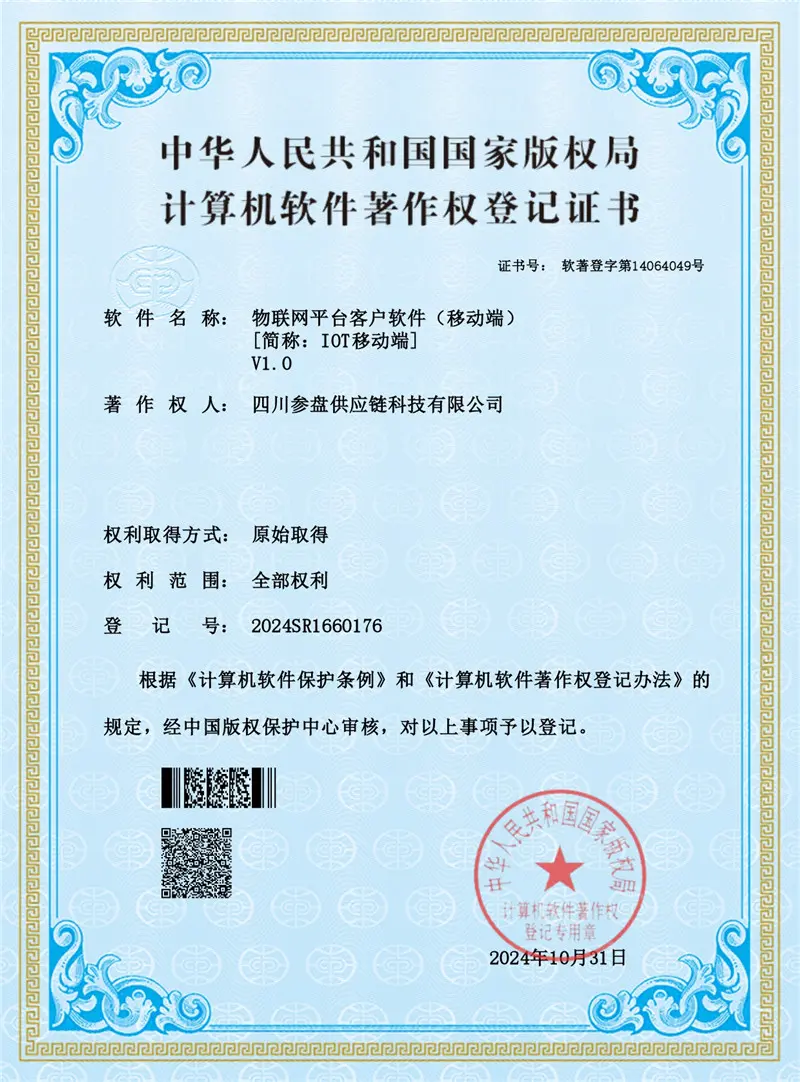
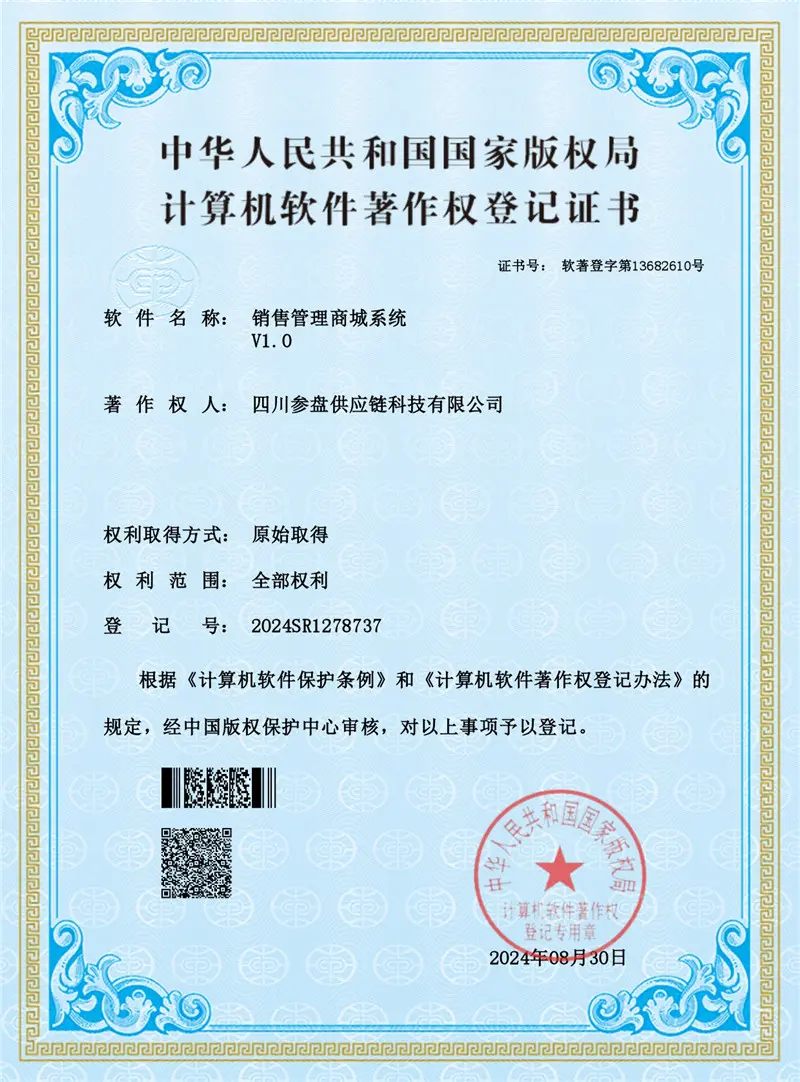
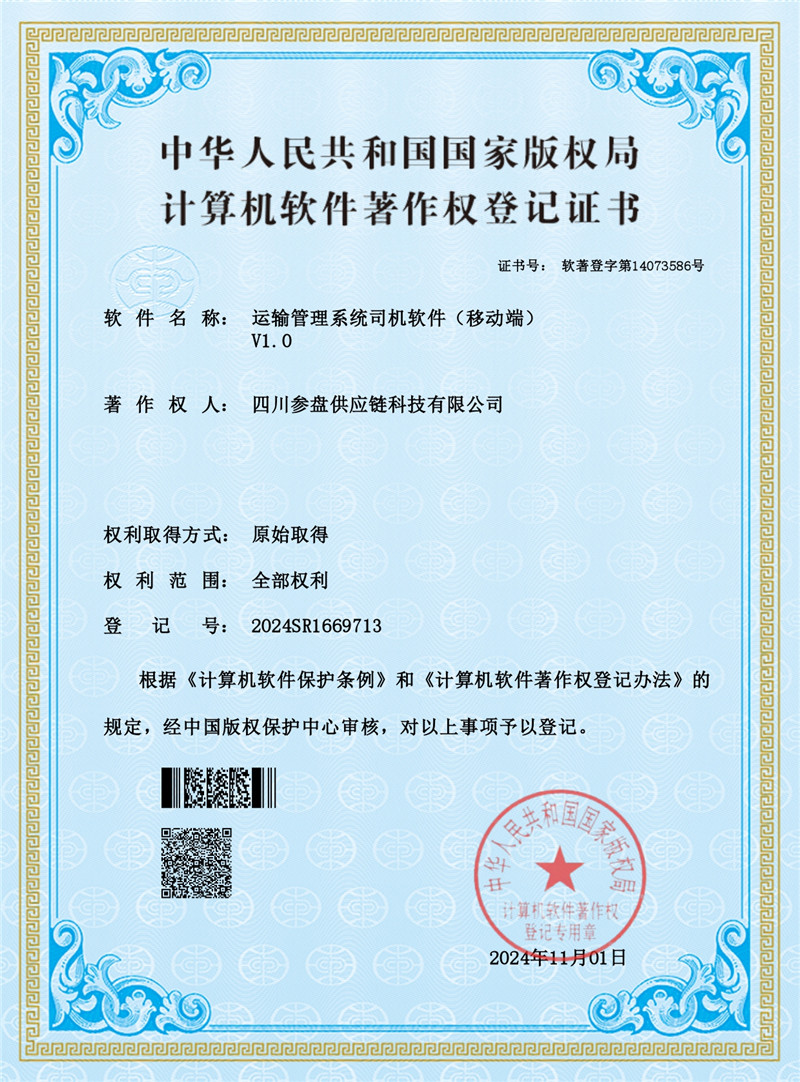
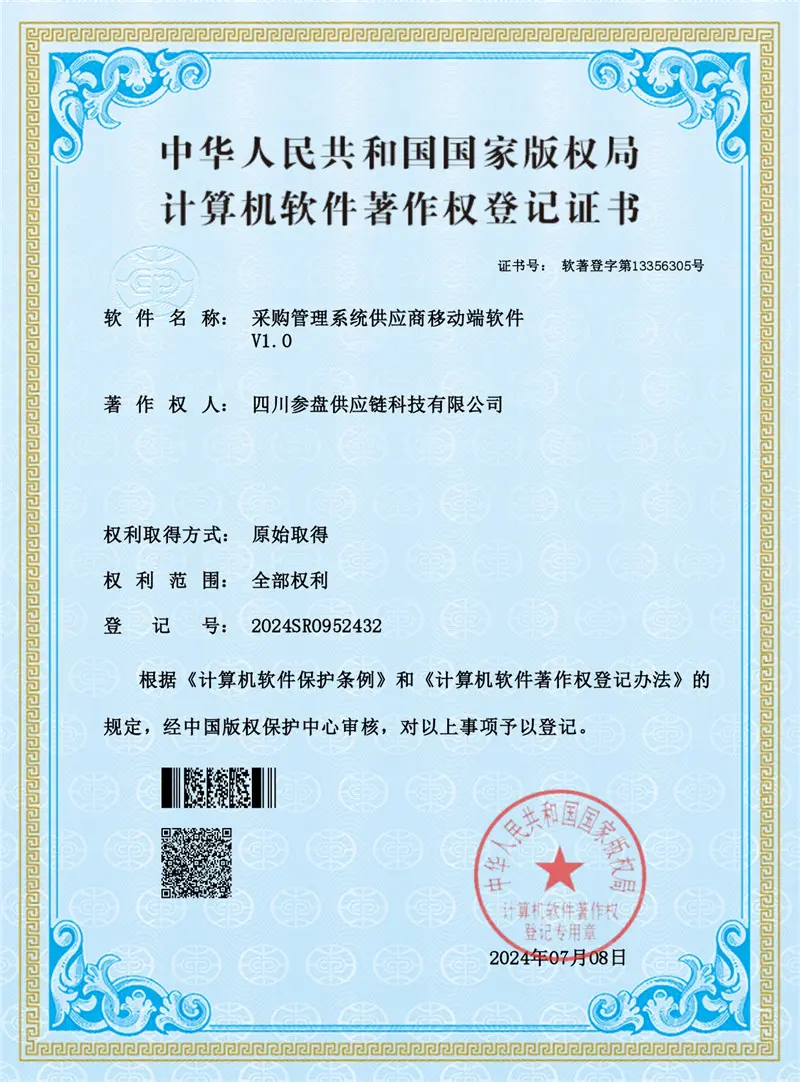
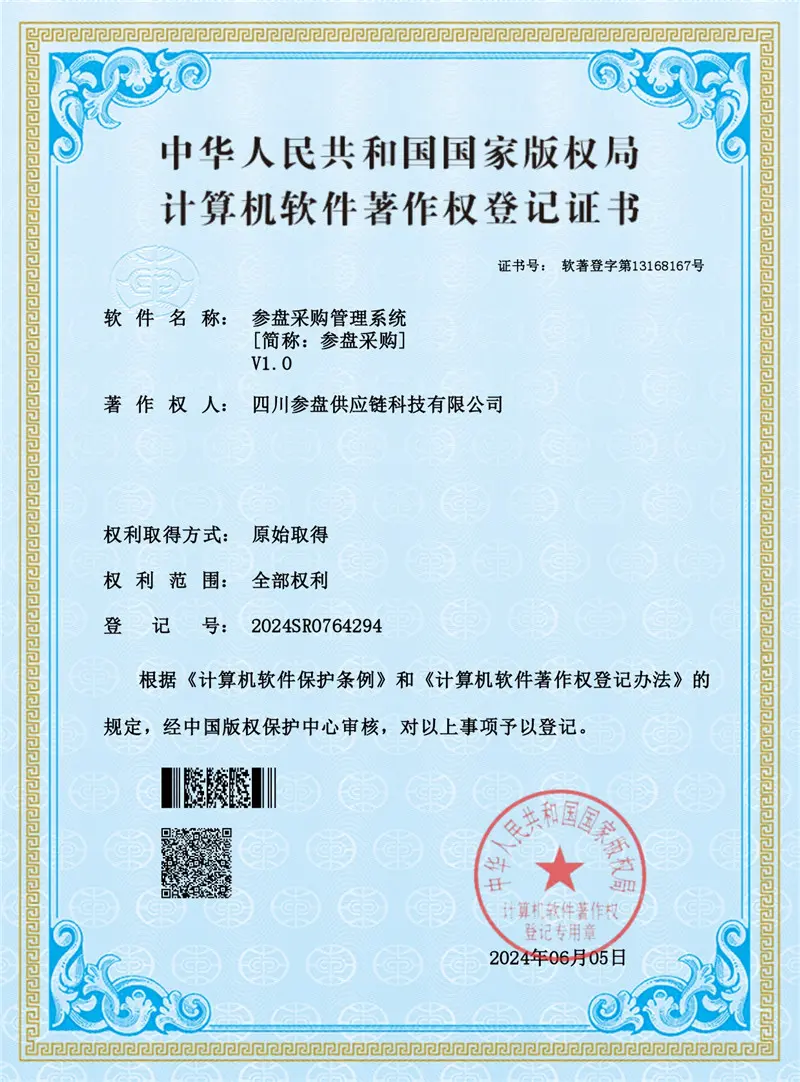
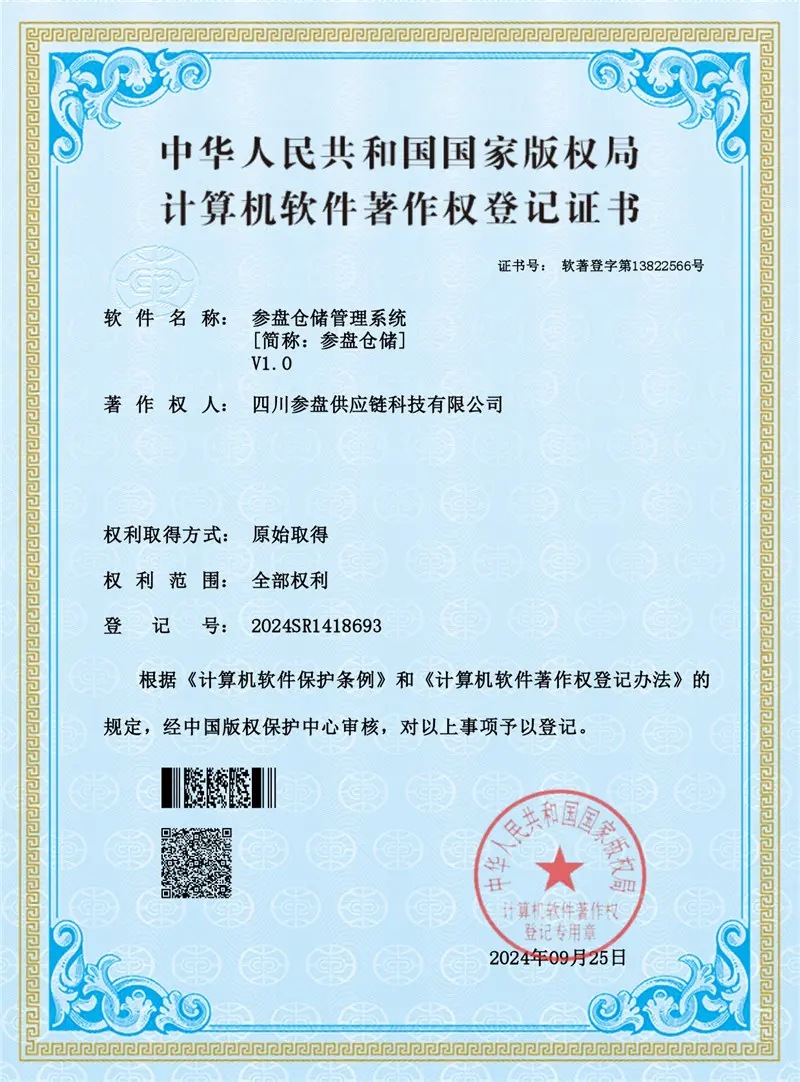
SCP focuses on providing comprehensive solutions for the food supply chain, alongside the R&D of intelligent software and hardware products. Leveraging technologies like the Internet of Things (IoT), AI, machine learning, and smart devices, we enhance operational efficiency across procurement, supply, and sales networks to boost upstream and downstream value.
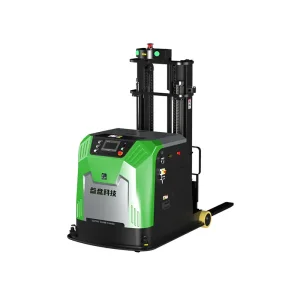
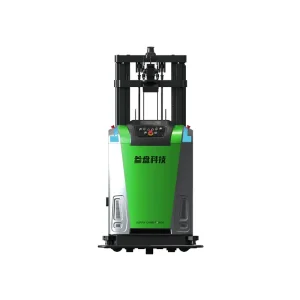
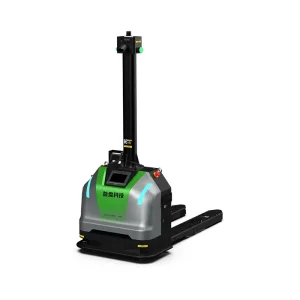
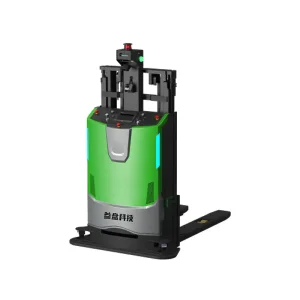
Handling food and beverage logistics requires high hygiene, precise temperature tracking, and careful pallet management. Our Laser SLAM forklifts, such as the SFL-CPD20-Y and SFL-CBD15-ZL, feature clean electric drives and compact designs, making them ideal for temperature-controlled cold rooms and tight spaces. Using automated warehouse control systems (WCS), our vehicles transport perishable stock efficiently to reduce waste and optimize storage space.

Our strategic projection for next-generation AGV/AMR navigation, hardware durability, and multi-agent coordination.
Transitioning from 2D Laser SLAM to multi-sensor fusion. By integrating dual-LiDAR setups with 3D Time-of-Flight (ToF) depth cameras, our vehicles achieve real-time semantic environment mapping. This setup allows robots to recognize, classify, and navigate around static and dynamic obstacles.
Deploying centralized fleet scheduling algorithms using high-bandwidth, low-latency 5G networks. This development supports smooth cooperation for 100+ robots in a single space, reducing traffic bottlenecks and enabling dynamic job reassignment.
Using machine learning on the edge to predict component wear, mechanical issues, and battery cycle drops. Real-time diagnostic data is sent directly to the supply chain control tower to minimize unplanned maintenance downtime.
Critical technical and business factors to consider when deploying automated guided vehicles on the factory floor.
Reflector navigation requires installing retroreflective tape or targets at surveyed locations, which can be costly and difficult to change. 2D/3D Laser SLAM uses natural features in the environment to build a digital map, allowing AGVs to adapt to layout updates with simple software adjustments.
Our automated forklifts use a standardized API layer and intermediate WCS (Warehouse Control System) software. This platform supports clean integration with major ERP and WMS platforms (like SAP, Oracle, and Infor) via RESTful APIs, TCP/IP sockets, or Modbus protocols.
Our AGVs feature multi-level safety systems, including safety PLCs, physical bumper strips, warning horns, visual status lights, and safety laser scanners (meeting PLd/SIL2 standards). These components establish warning, slowdown, and emergency stop zones around the vehicle.
We offer capacities tailored to different load requirements: portable units handle 1500kg, stackers manage 1400kg to 1600kg, and heavy-duty counterbalanced forklifts carry up to 3000kg. Additionally, the AMB-CSW10-BH mobile robot chassis supports payloads of 1000kg (1 Ton).
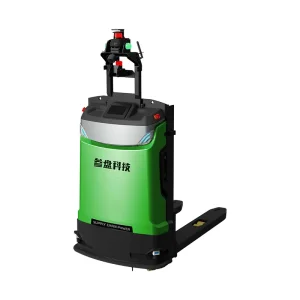
Discover our secondary line of high-performance robotic chassis and narrow-aisle pallet jacks designed for specialized spatial challenges.
 SCP
SCP