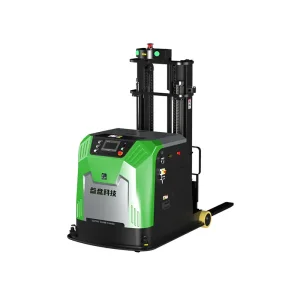
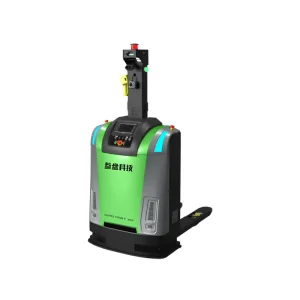
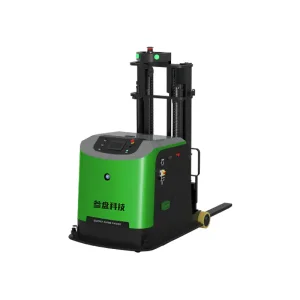
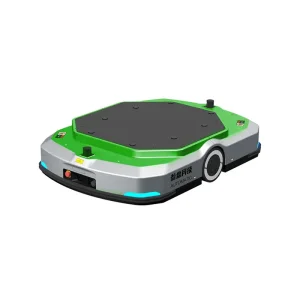
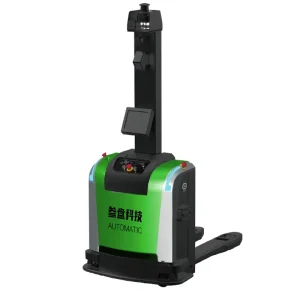
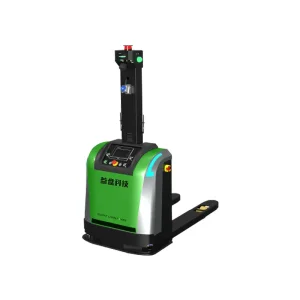
In the rapidly evolving landscape of smart manufacturing and automated warehousing, Laser Guided Vehicles (LGVs) and Autonomous Mobile Robots (AMRs) have transformed from luxury capital investments into operational necessities. As modern production lines necessitate unparalleled agility, safety, and precision, businesses must understand the technical frameworks that drive efficient automated material handling.
This comprehensive document presents an analytical deep-dive into China's advanced Laser SLAM (Simultaneous Localization and Mapping) forklift capabilities, mobile robot chassis design, and integrated supply chain management platforms. By analyzing mechanical topologies, software intelligence, and hardware integrations, global buyers can align procurement criteria with standard-setting automation technologies.
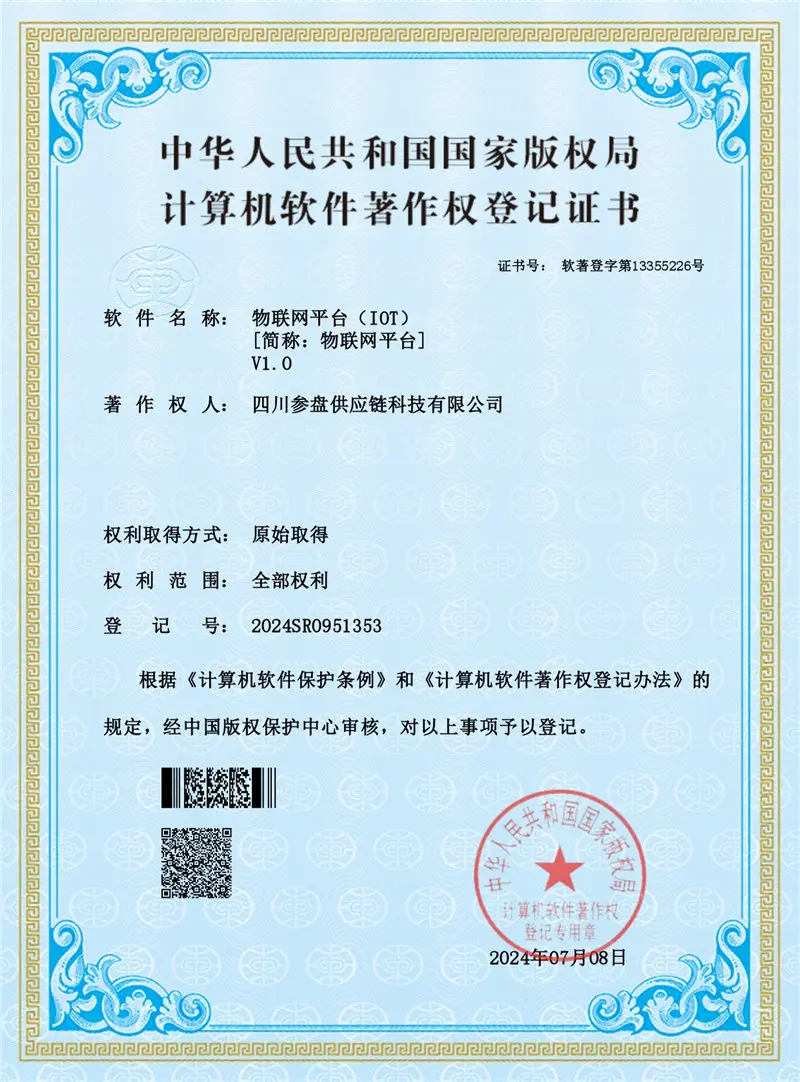
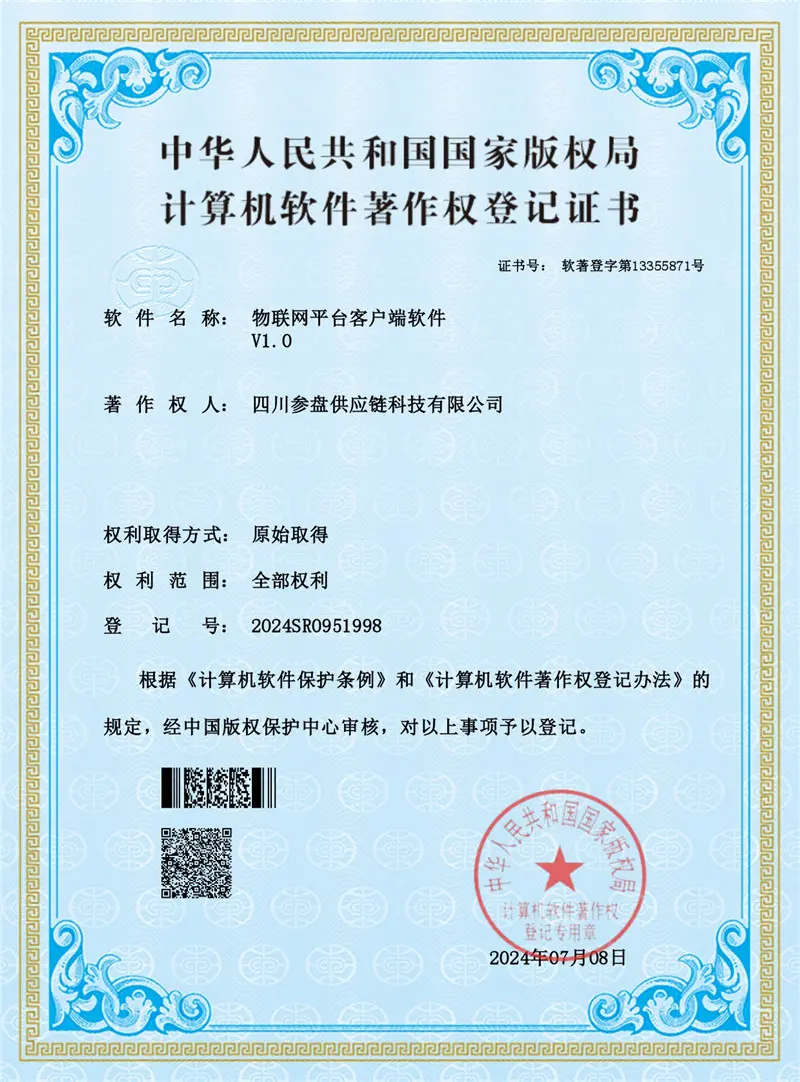
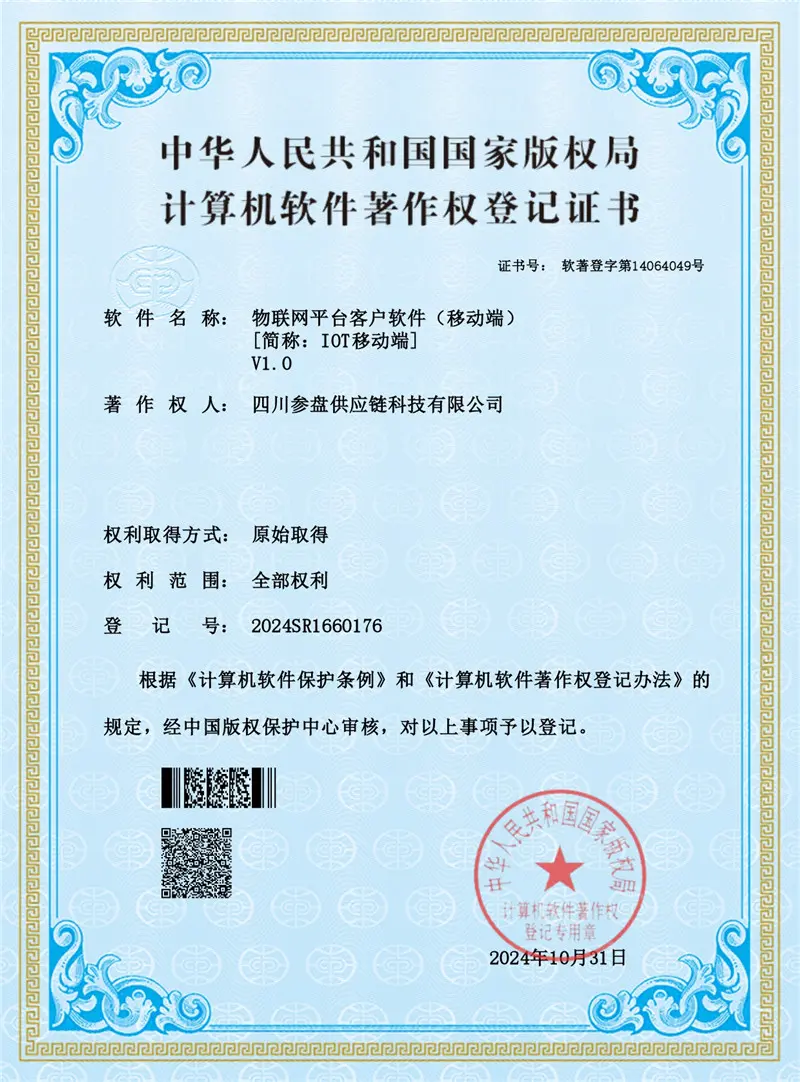
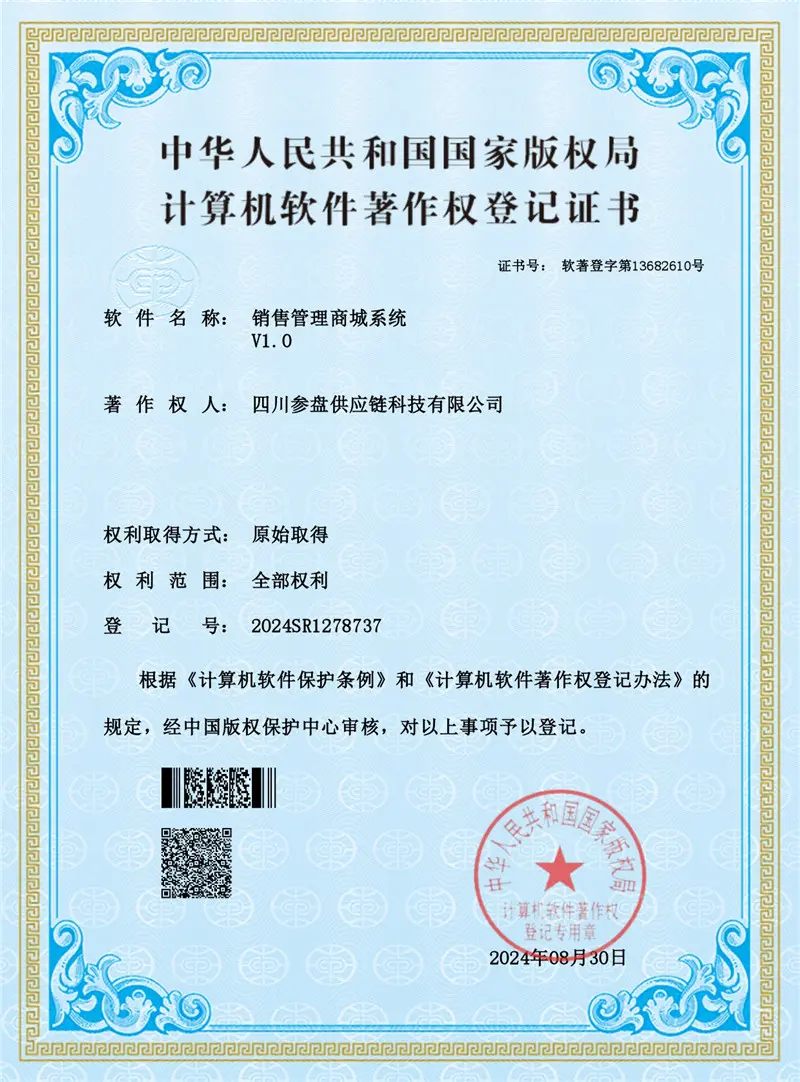
Taking actual business needs as the cornerstone, SCP is committed to comprehensively innovating and enhancing the overall supply chain planning of enterprises. We provide enterprises with comprehensive end-to-end supply chain solutions, build a multi-role and multi-dimensional intelligent supply chain collaboration system, and achieve all-round efficient collaboration and process optimization.
At present, SCP has established a product architecture supported by software and hardware, and supplemented by the top-level design of the supply chain control tower to create an agile, flexible and efficient end-to-end supply chain system for enterprises. As a key subsidiary of the New Hope Group, our solutions leverage vast agricultural and food processing environments, validating our equipment in high-demand, real-world facilities.
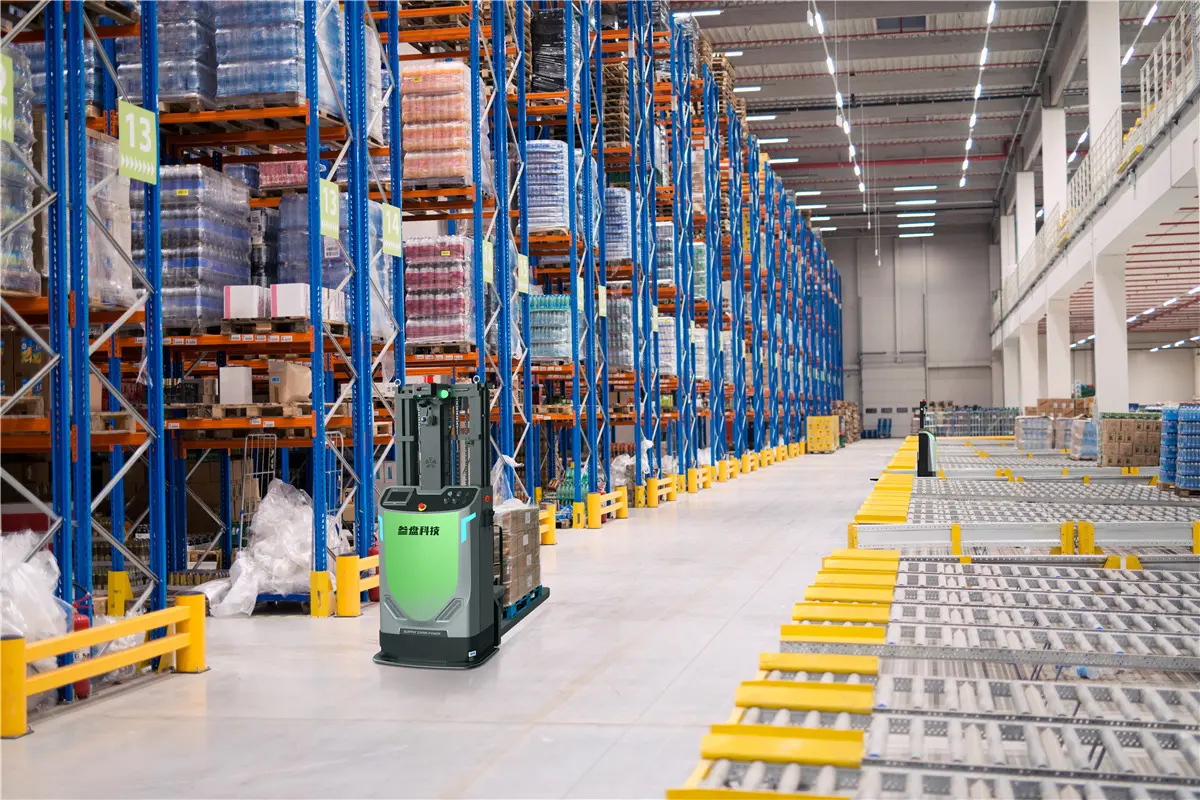
Benefiting farmers and bringing welfare to consumers by optimizing material movements and refining supply chain pipelines from the field to the distribution center.
Leading the technological upgrade of the supply chain and achieving extraordinary value for transformers through smart hardware and scalable robotic fleets.
Forming the Alliance of Developers of New Quality Supply Chain Technology, providing robust technical platforms for modern factory structures.
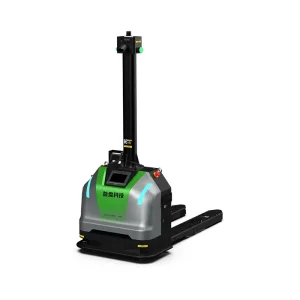
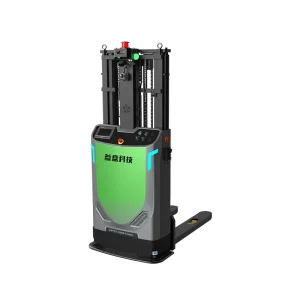
Industrial logistics systems rely heavily on guidance reliability. The modern choice lies between conventional reflector-based Laser Guided Vehicles (LGVs) and natural-feature Laser SLAM (Simultaneous Localization and Mapping) configurations. Understanding the parameters of these platforms is essential for selecting the correct solution.
| Feature Metric | Standard Laser Guided Vehicle (LGV) | Natural-Feature Laser SLAM Forklift |
|---|---|---|
| Navigation Mechanism | Reflective targets (prisms or tape) with fixed coordinates. | Environmental contour mapping via LiDAR scanning. |
| Precision / Accuracy | Up to ±5 mm (highly consistent). | ±10 mm (natural target matching). |
| Deployment Time | High; requires physical installation of reflectors. | Low; virtual mapping via software initialization. |
| Adaptation to Change | Rigid layout; changes require moving reflectors. | Dynamic layout changes updated via software. |
| Hardware Cost | Moderate; basic scanning sensors. | Higher; premium LiDAR sensors and processors. |
Advanced Chinese laser-guided systems feature hybrid navigation topologies. By combining multi-line 2D/3D LiDAR with Inertial Measurement Units (IMUs), wheel encoders, and depth cameras, vehicles compute spatial positions in real-time. In dynamic environments, moving obstacles trigger real-time route adjustments. Safety features include PLd/SIL2 category safety laser scanners, custom safety zones, and active obstacle avoidance, minimizing downtime in busy factories.
Deploying autonomous machinery requires engineering expertise, robust software systems, and deep integration with existing warehouse processes.
As a subsidiary of New Hope Group, we maintain a strong market reputation and execution capabilities, backed by an in-depth understanding of multiple heavy industries and agricultural logistics pipelines.
Incubated to meet the digital needs within the New Hope ecosystem, we have executed numerous complex projects. This hands-on experience ensures we understand actual business scenarios and requirements.
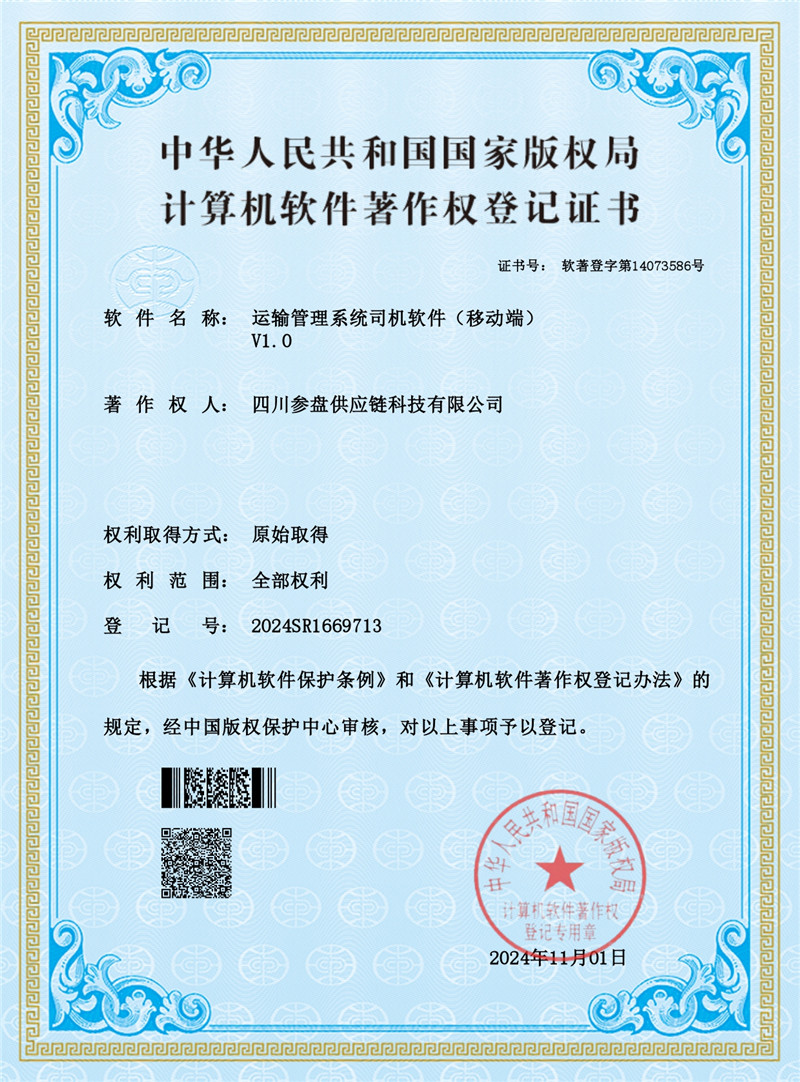
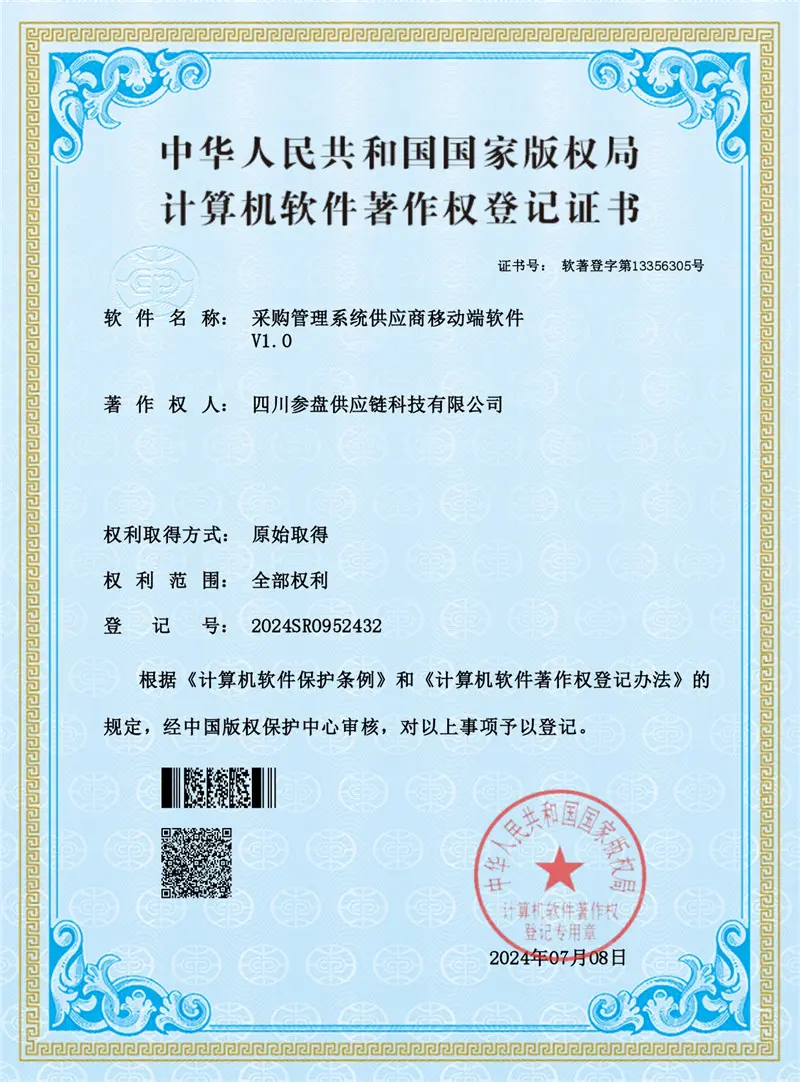
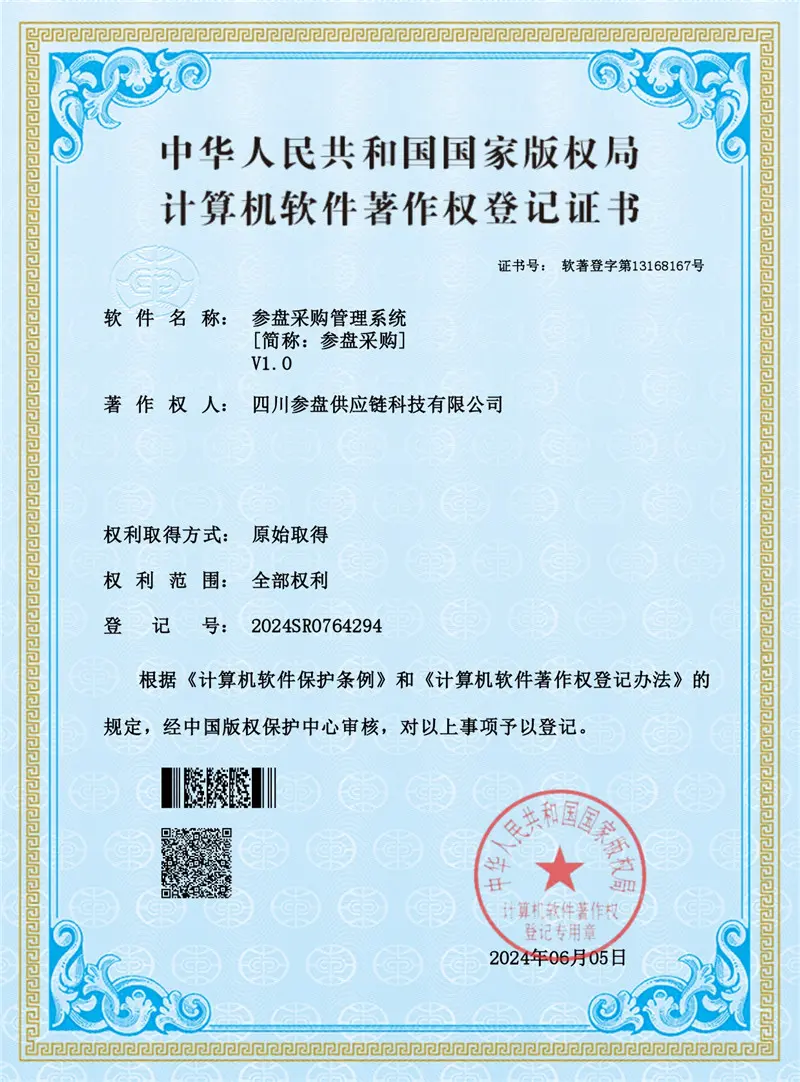
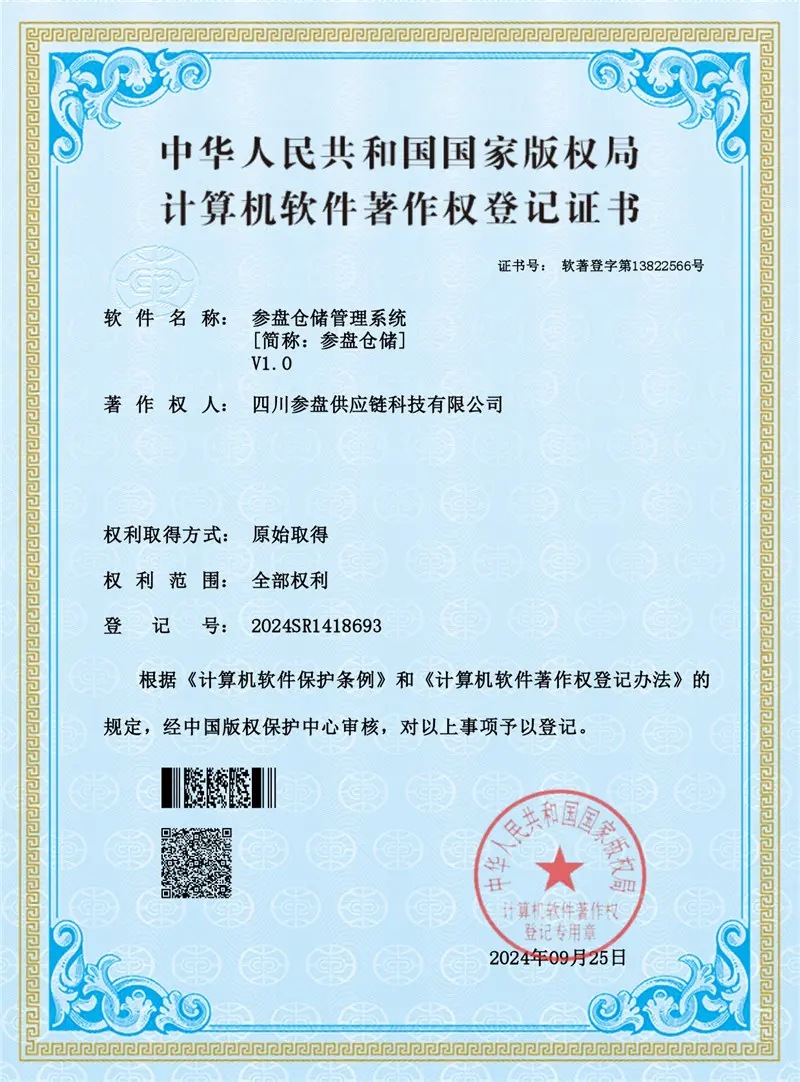
We build and integrate systems across procurement, sales, and supply chain logistics, enabling customization of both software frameworks and AGV control modules to meet client needs.
We provide consulting services alongside technical implementation, advising on process optimization and metrics configuration to support digital transformation efforts.
Our dedicated delivery team coordinates site evaluations, hardware configuration, safety testing, and software integration to ensure timely project delivery.
In terms of technology research and development, SCP continues to increase its investment and constantly optimize the product architecture supported by software and hardware and the top-level design of the supply chain control tower. By strengthening the self-development and integration capabilities of various systems in procurement, sales, and supply, we continuously improve the technical level and competitiveness of our products and services. We build a solid foundation for the sustainable development of enterprises and the industry with leading technologies. At the same time, we actively explore the application of cutting-edge technologies in the supply chain field, promote technological iteration and upgrading, and maintain a leading position in the industry in terms of technology.
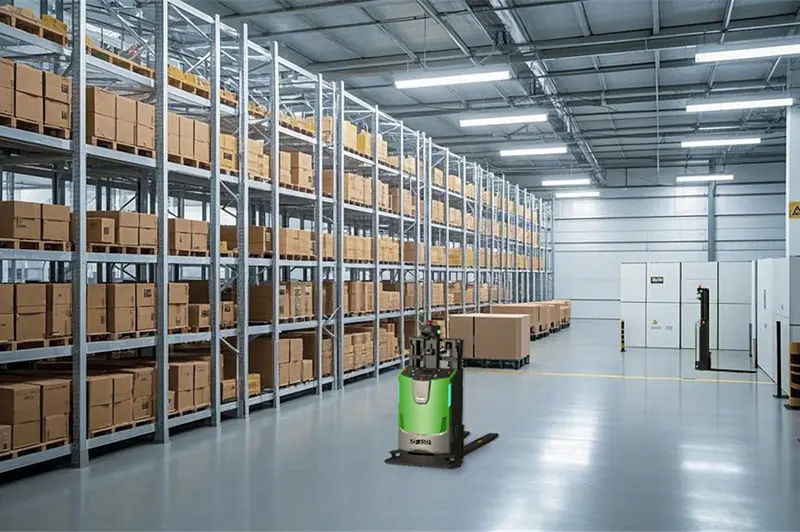
In terms of ecological construction, relying on the rich industrial resources and extensive business layout of Caogenziben, SCP deeply explores the supply chain needs of multiple industries such as food consumption and creates solutions that are suitable for actual scenarios. By empowering key links such as cold chain logistics, we promote the standardized management and efficiency improvement of the supply chain and facilitate the collaborative development of the entire industrial chain. In addition, we actively carry out in-depth cooperation with overseas partners, absorb international advanced experience and technologies, expand the international market, enhance the global influence of the enterprise, and build a supply chain technology ecosystem with international competitiveness.
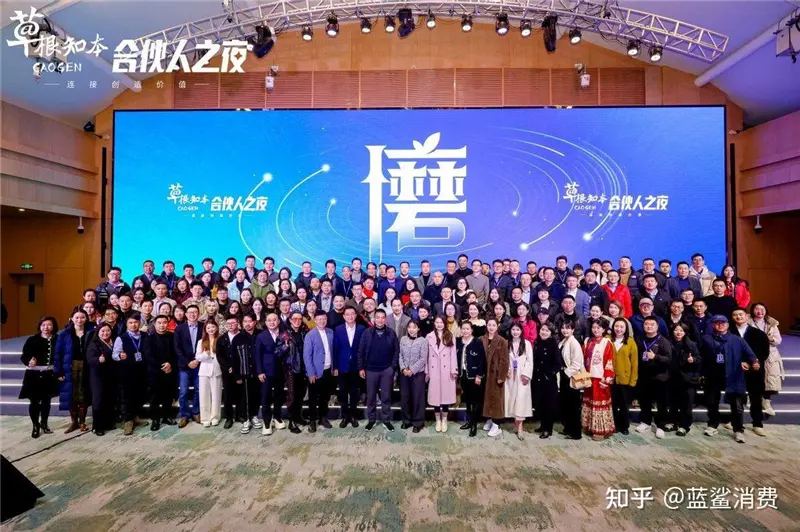
From a long-term development perspective, with the vision of "Leading the technological upgrade of the supply chain and achieving extraordinary value for transformers", SCP integrates the concept of sustainable development into its corporate strategic planning and daily operations. We not only focus on our own growth and profitability but also look to promote the green, intelligent, and efficient development of the industry. We build a more perfect supply chain collaboration system for future enterprises. While achieving our own sustainable development, we create greater value for society and become a backbone force in promoting the sustainable development of the supply chain technology industry.
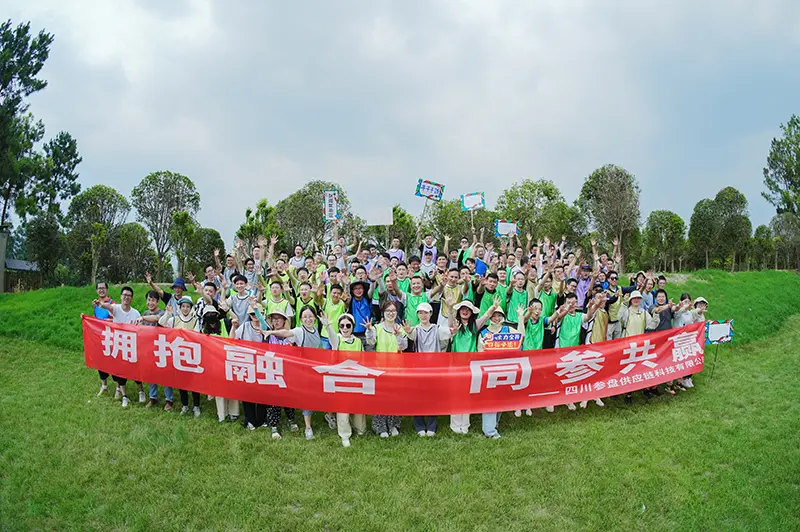
The convergence of artificial intelligence, high-bandwidth communications, and battery chemistry is defining the next generation of Laser Guided Vehicles and AMRs. Key development directions include:
Moving from 2D plane scanners to 3D LiDAR and stereo cameras enables vehicles to identify and classify objects, improving navigation safety in busy facilities.
High-speed, low-latency 5G connectivity supports centralized fleet dispatch. Central servers coordinate multi-agent systems to optimize path planning and traffic management.
Lithium Iron Phosphate (LiFePO4) systems with high-rate charging capability allow automated docking and opportunity charging, enabling 24/7 continuous operation.
SCP focuses on providing comprehensive solutions for the food supply chain, as well as research and development of intelligent software and hardware products and services.
The company aims to be based on the Internet of Things AI, the comprehensive application of machine learning, intelligent devices and other technologies, through automated, digitized, intelligent and systematic technology products and solution matrices, enhances the overall operational efficiency of supply chain procurement/supply/sales, and helps upgrade the value of upstream and downstream industries.
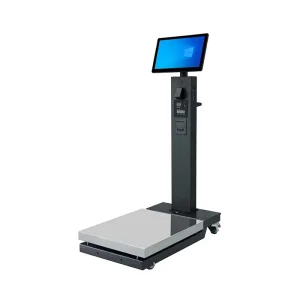
Integrating weighing assets, like the SCP101 Floor Scale, with AGV/AMR fleets allows automated inventory validation during material transport, minimizing human error and streamlining data transfer to Enterprise Resource Planning (ERP) systems.
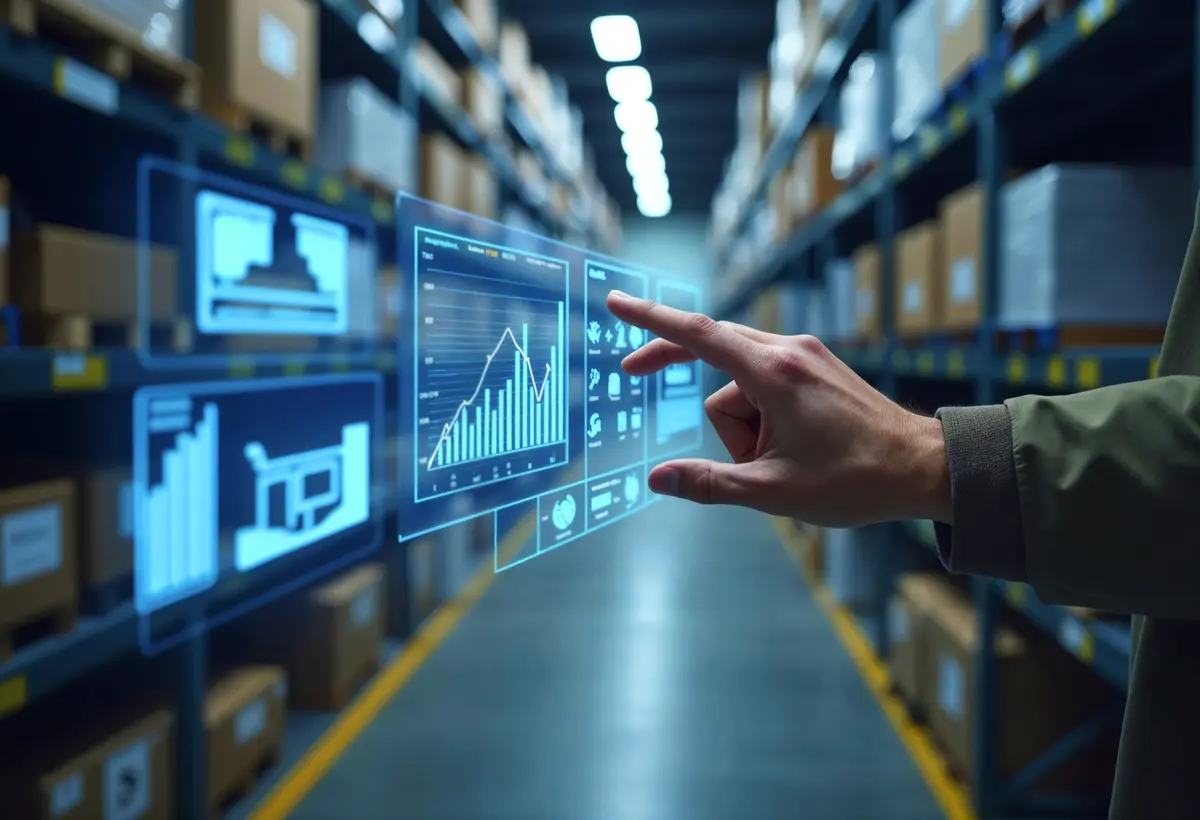
Our manufacturing processes align with global safety directives and quality control standards, ensuring compliant integration with international factory standards.
Procuring automated mobile fleets involves several key technical considerations:
 SCP
SCP