Explore our flagship catalog of Laser SLAM automated guided forklifts, optimized for high load-capacities, safety compliance, and robust battery lifespans directly from our manufacturing facilities.
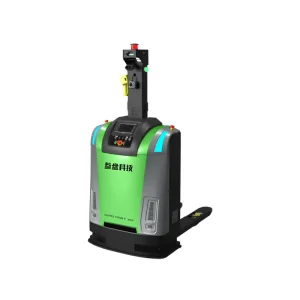
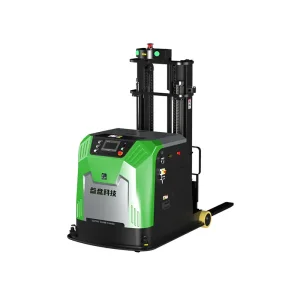
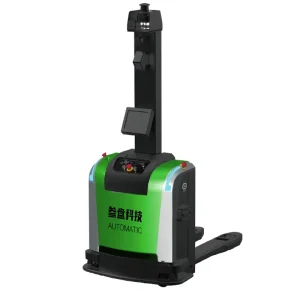
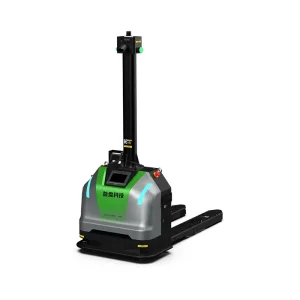
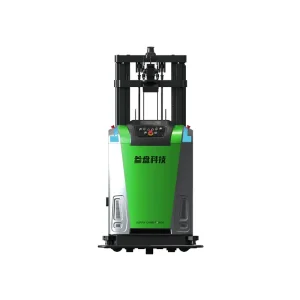
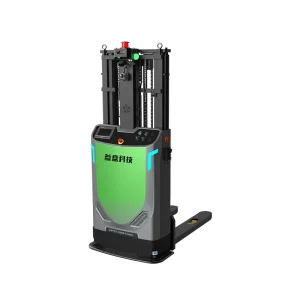
Modern industrial distribution channels demand an unprecedented degree of agility, safety, and performance. As a prominent China AGV Device Manufacturer & Factory alliance, we design enterprise-grade solutions integrating both software layers and custom hardware components to optimize modern warehousing workflows.
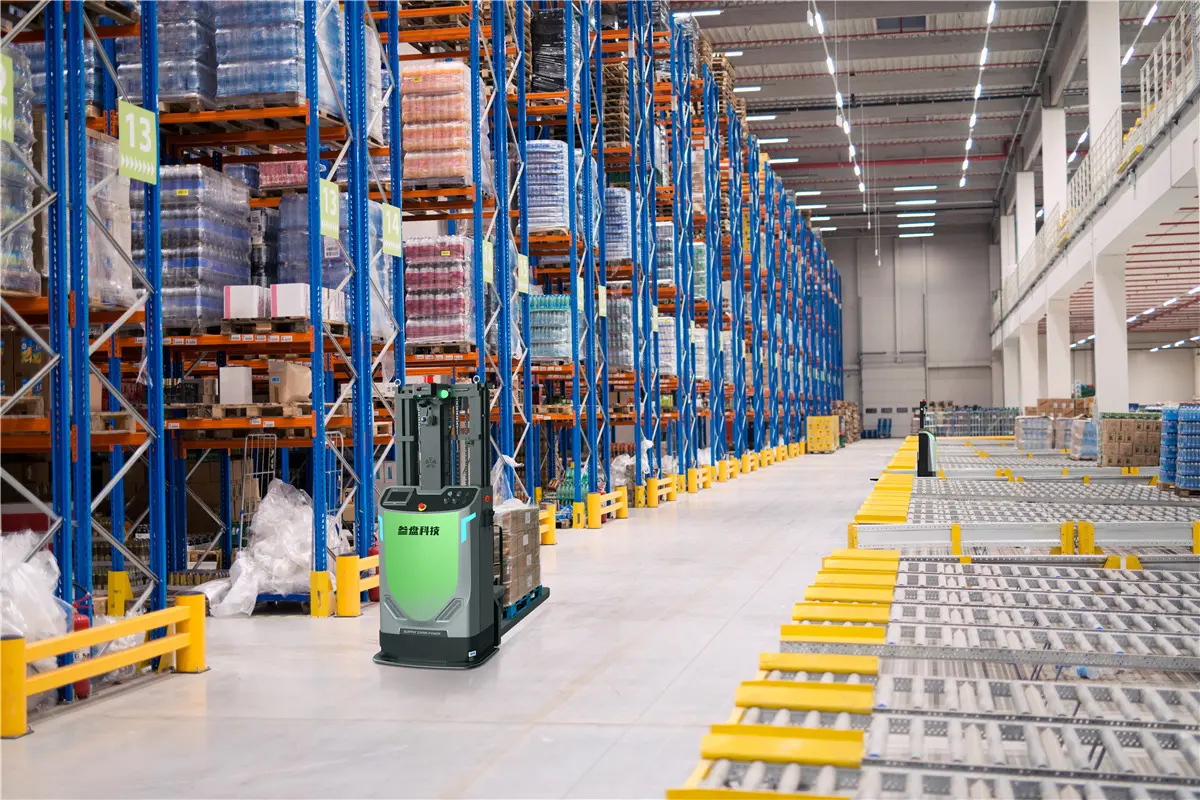
Our solutions target high-throughput sectors such as food manufacturing, cold-chain operations, automotive assembly, and chemical industries. By utilizing dynamic SLAM navigation without requiring physical magnetic guides, we enable fast path routing changes and reduce layout implementation costs by up to 60%.
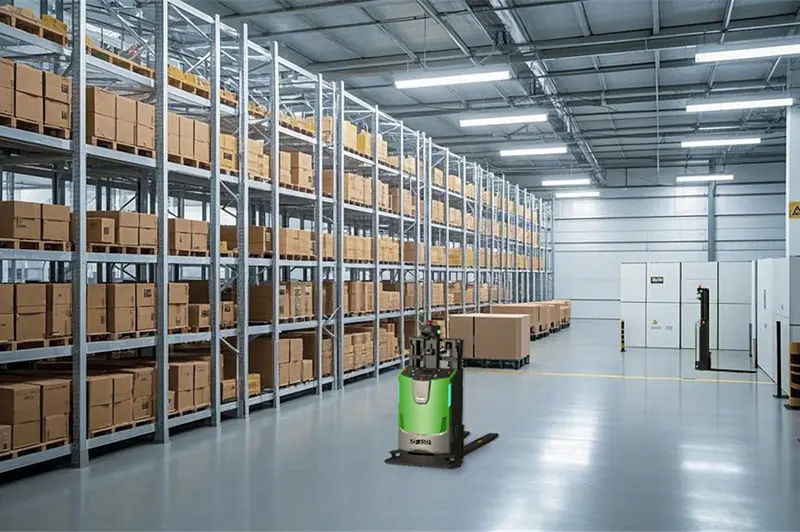
From reception to final dispatch, our fleet handles continuous payload transportation, high-density warehousing, and double-deep stack storage, helping facilities lower product damage risks while optimizing overall space usage.
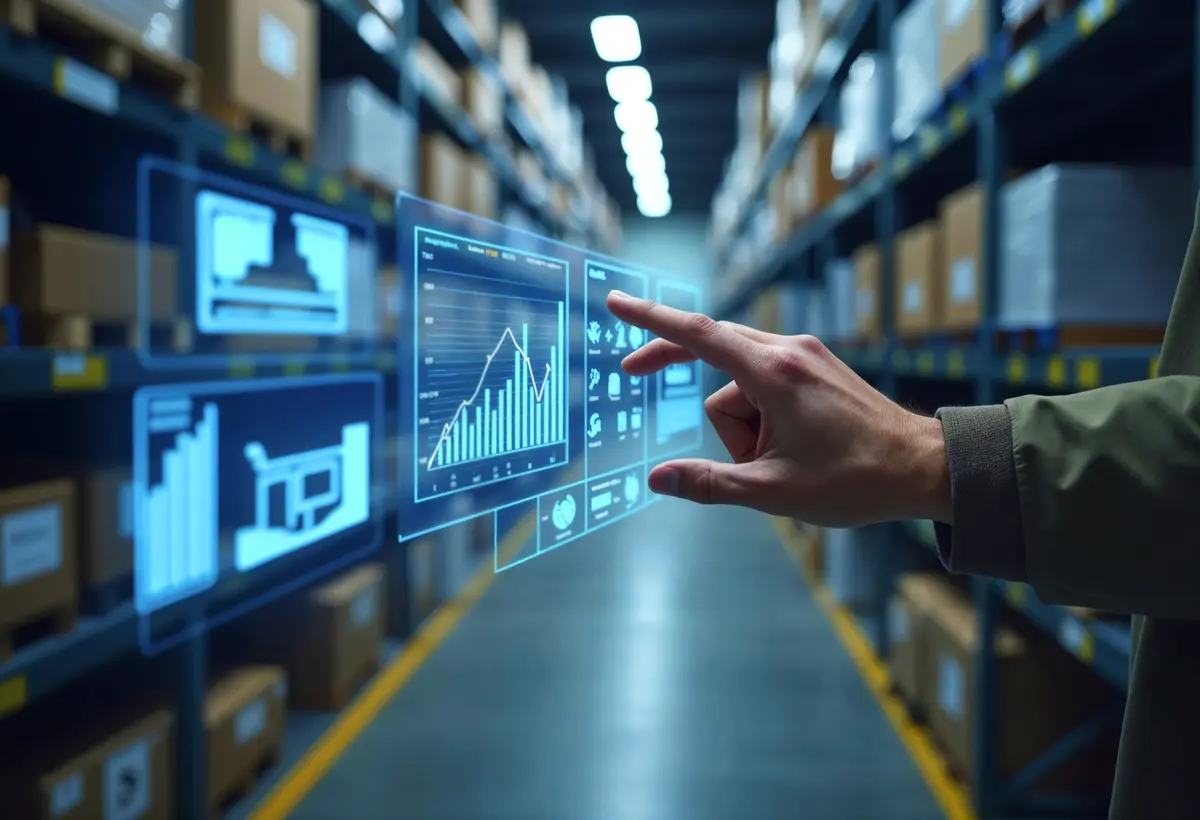
Analyzing key market drivers and the growing role of Chinese AGV engineering within the global supply chain landscape.
Logistics hubs in North America, Western Europe, and Asia-Pacific face ongoing shortages of certified forklift operators. Our autonomous mobile robots (AMRs) and automated guided forklifts (AGVs) provide 24/7 reliability, minimizing dependency on manual material handling and lowering operating expenses.
Advanced sensor suites, including high-precision 2D/3D LiDAR, safety scanners, and depth cameras, were historically cost-prohibitive. By manufacturing these devices in China, we leverage local supply chains to offer enterprise-grade automated systems at a competitive total cost of ownership (TCO).
Modern smart factories require deep integration between physical transport layers and digital enterprise software (ERP, WMS, and MES). Through proprietary APIs and standard industrial fieldbus interfaces, our systems help bridge physical and digital logistics workflows.
Taking the actual business needs as the cornerstone, SCP is committed to comprehensively innovating and enhancing the overall supply chain planning of enterprises. We provide enterprises with comprehensive end-to-end supply chain solutions, build a multi-role and multi-dimensional intelligent supply chain collaboration system, and achieve all-round efficient collaboration and process optimization.
At present, SCP has established a product architecture supported by software and hardware, and supplemented by the top-level design of the supply chain control tower to create an agile, flexible and efficient end-to-end supply chain system for enterprises. Backed by our ecosystem partners, we develop and manufacture intelligent AGV units configured specifically to bridge physical shop-floor routing with digital cloud management solutions.
Our operational framework is built on practical industry expertise, digital system self-development, and a long-term approach to sustainability.
Benefiting farmers and bringing welfare to consumers. We focus on optimizing food logistics channels to ensure high hygiene standards, reduce food waste, and support agricultural efficiency globally.
Leading the technological upgrade of the supply chain and achieving extraordinary value for transformers. We aim to empower traditional logistics operations with flexible, high-precision automated solutions.
Alliance of Developers of New Quality Supply Chain Technology. Bridging hardware engineering with software design to deliver integrated warehouse automation solutions.
As a subsidiary of New Hope Group, we have a good market reputation and execution ability. Moreover, we have an in-depth understanding of multiple industries, including agriculture, food processing, cold chain logistics, and automated manufacturing.
We were incubated based on the digital needs of the business side within the New Hope system, and have participated in many projects of the same type. Therefore, we have a better understanding of the actual business scenarios and demands.
We possess the self-development and integration capabilities for various systems in procurement, sales, and supply. We can well meet the individual needs of different customers.
We provide certain light consulting services alongside projects, covering multiple dimensions such as process optimization and assessment weight, to assist customers in the construction of digital transformation of their supply chains.
We have a professional delivery team for commercial projects. We actively respond to the personalized needs of customers and can ensure fast and high-quality delivery according to customer requirements.
Our roadmap prioritizes continuous R&D investment, ecological integration, and green technology practices.
In terms of technology research and development, SCP continues to increase its investment and constantly optimize the product architecture supported by software and hardware and the top-level design of the supply chain control tower.
By strengthening the self-development and integration capabilities of various systems in procurement, sales, and supply, we continuously improve the technical level and competitiveness of our products and services. We build a solid foundation for the sustainable development of enterprises and the industry with leading technologies.
At the same time, we actively explore the application of cutting-edge technologies in the supply chain field, promote technological iteration and upgrading, and maintain a leading position in the industry in terms of technology.
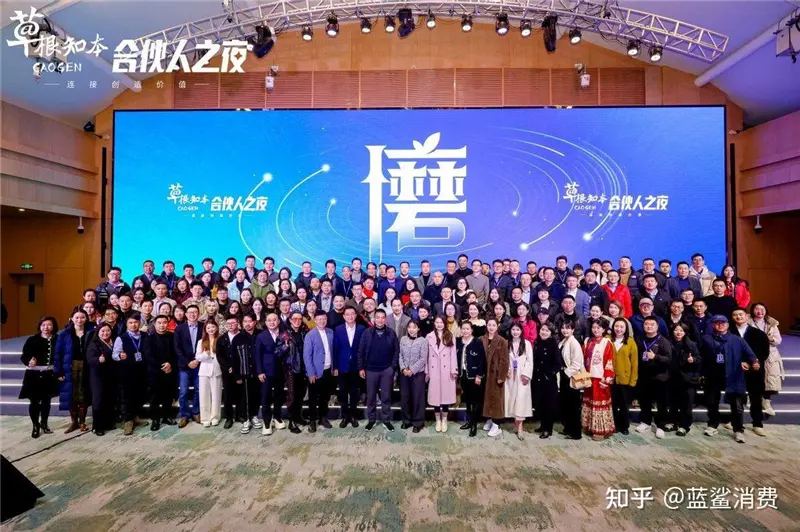
In terms of ecological construction, relying on the rich industrial resources and extensive business layout of Caogenziben, SCP deeply explores the supply chain needs of multiple industries such as food consumption and creates solutions that are suitable for actual scenarios.
By empowering key links such as cold chain logistics, we promote the standardized management and efficiency improvement of the supply chain and facilitate the collaborative development of the entire industrial chain.
In addition, we actively carry out in-depth cooperation with overseas partners, absorb international advanced experience and technologies, expand the international market, enhance the global influence of the enterprise, and build a supply chain technology ecosystem with international competitiveness.
From a long-term development perspective, with the vision of "Leading the technological upgrade of the supply chain and achieving extraordinary value for transformers", SCP integrates the concept of sustainable development into its corporate strategic planning and daily operations.
We not only focus on our own growth and profitability but also look to promote the green, intelligent, and efficient development of the industry. We build a more perfect supply chain collaboration system for future enterprises. While achieving our own sustainable development, we create greater value for society and become a backbone force in promoting the sustainable development of the supply chain technology industry.
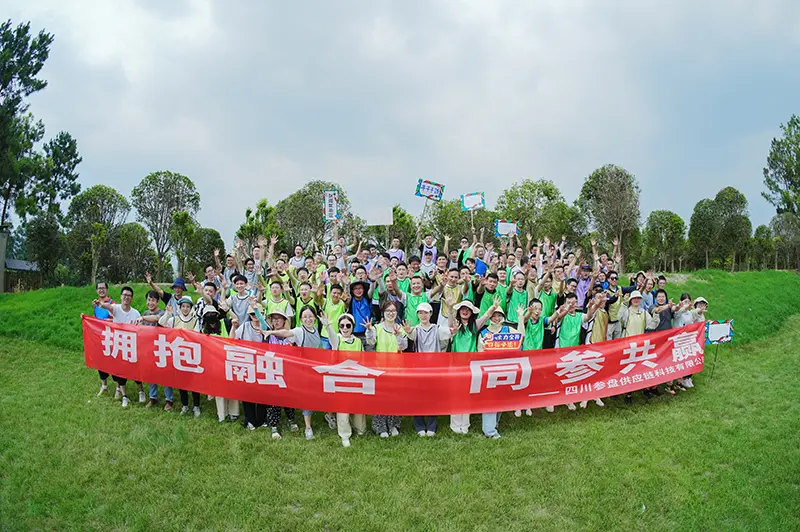
Ensuring compliance with global regulatory bodies and offering reliable system support in major industrial markets.
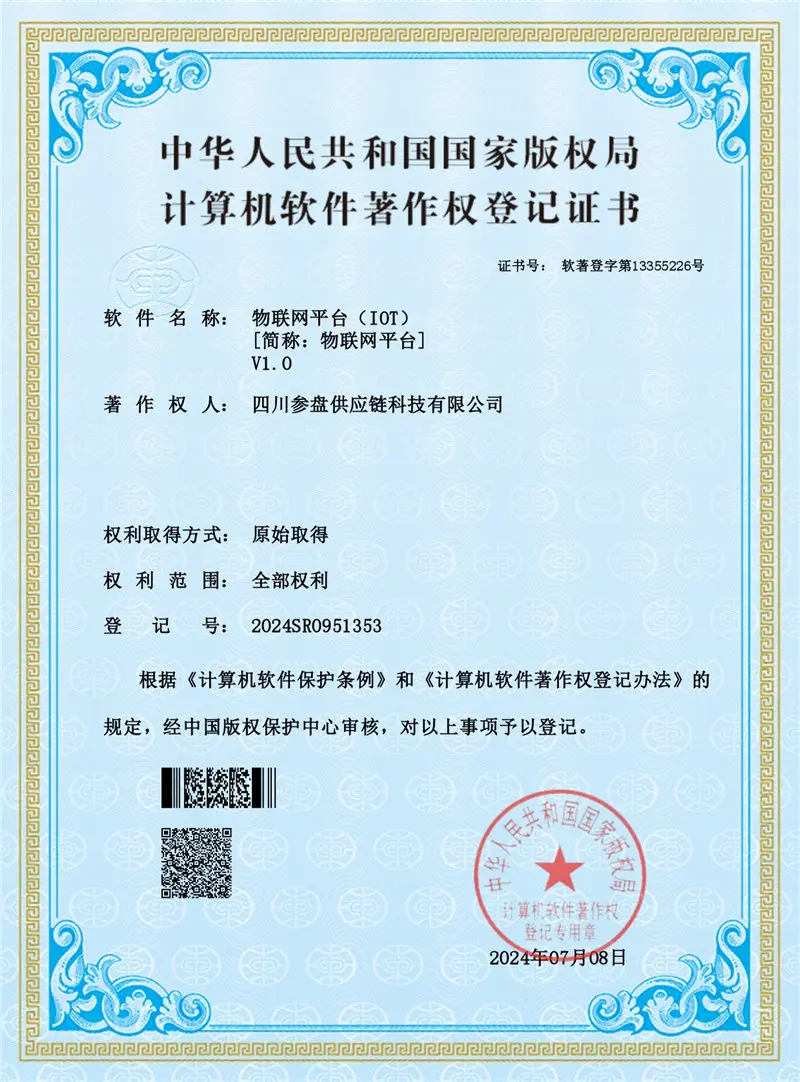
To successfully integrate AGVs into global production environments, compliance with international safety and electromagnetic directives is required. Our manufacturing pipelines conform to ISO 9001, ISO 14001, CE Mark directives, and ANSI/ITSDF B56.5 specifications for unmanned industrial vehicles.
Our localization support strategy ensures clients receive tailored technical assistance:
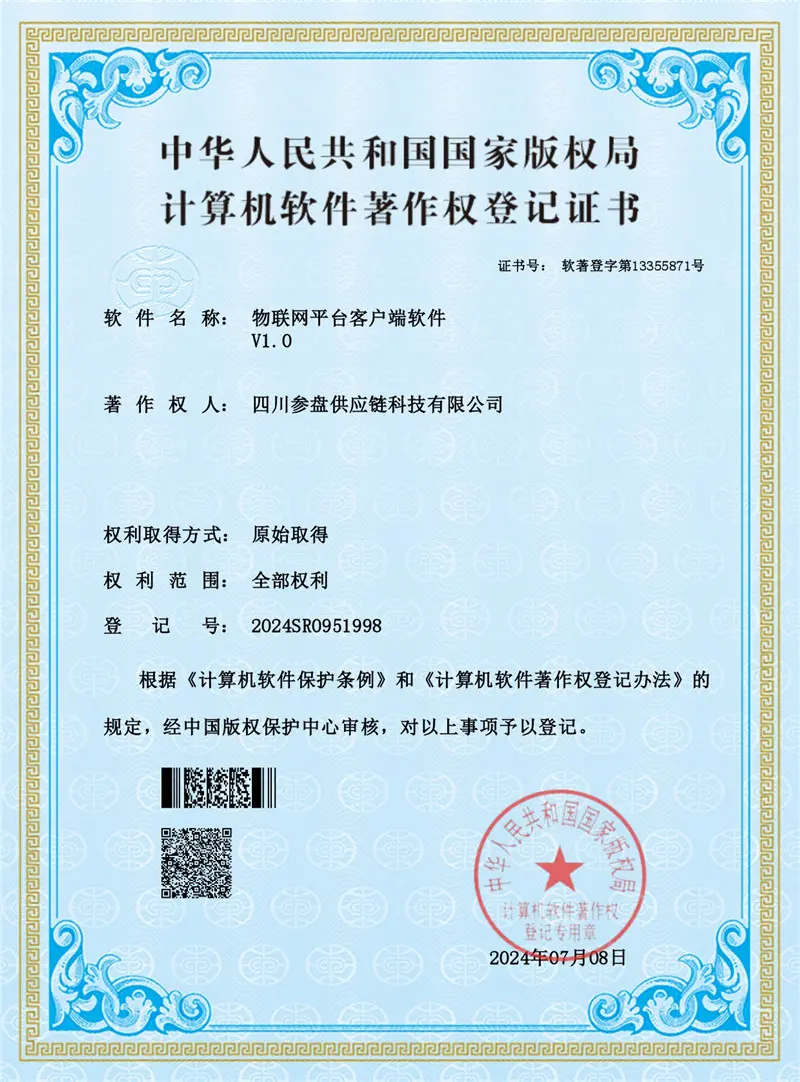
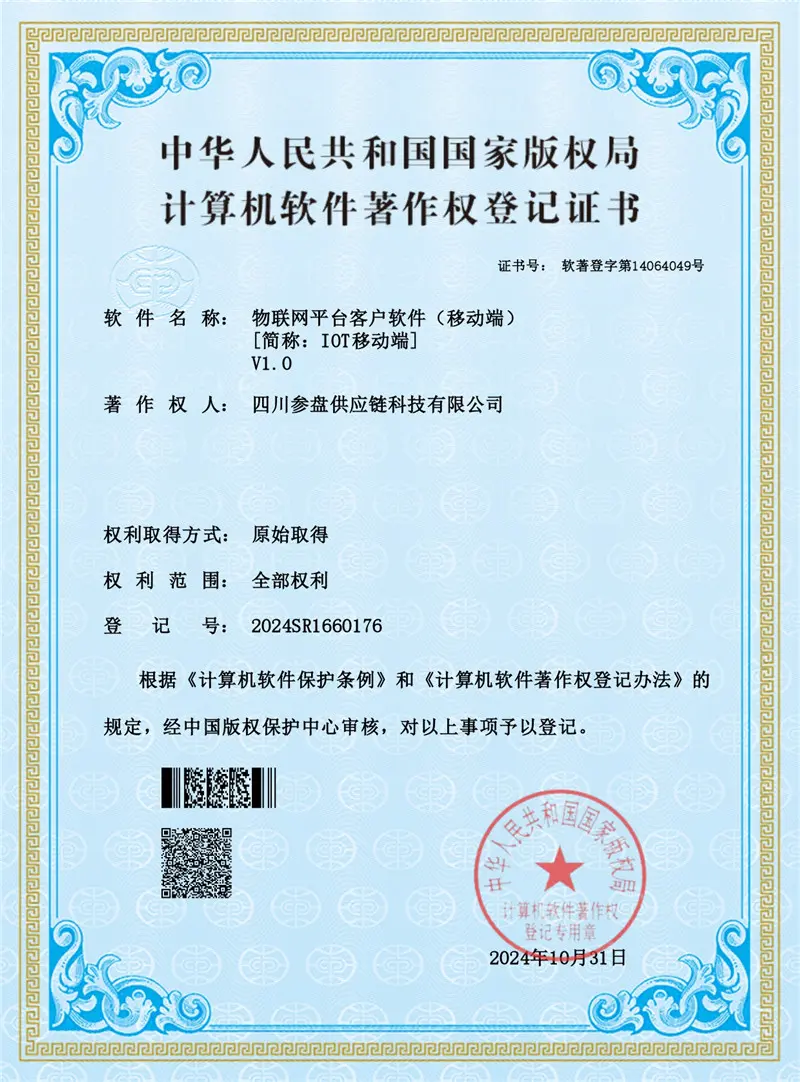
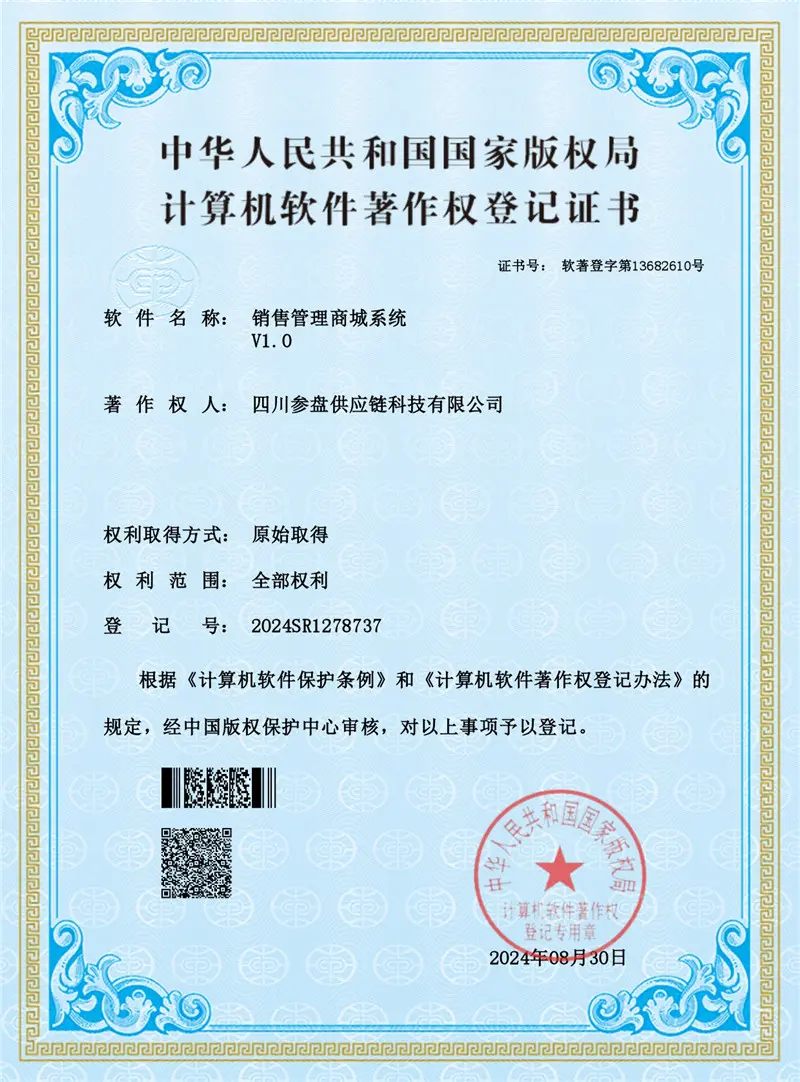
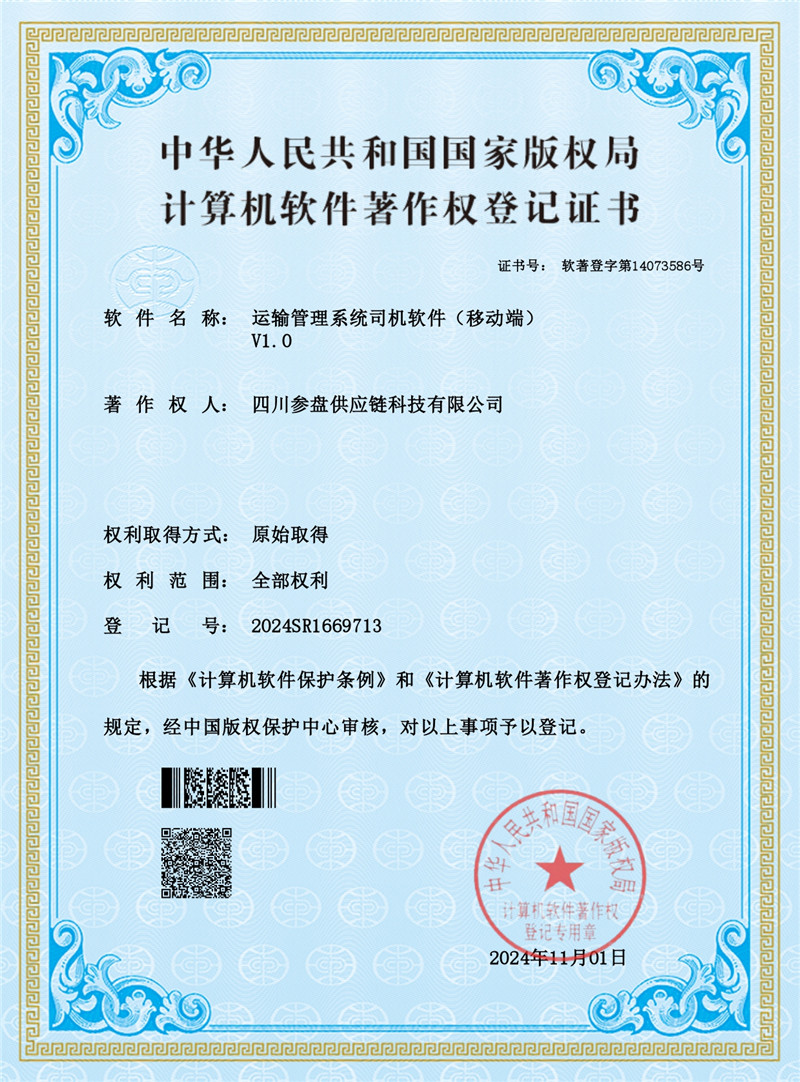
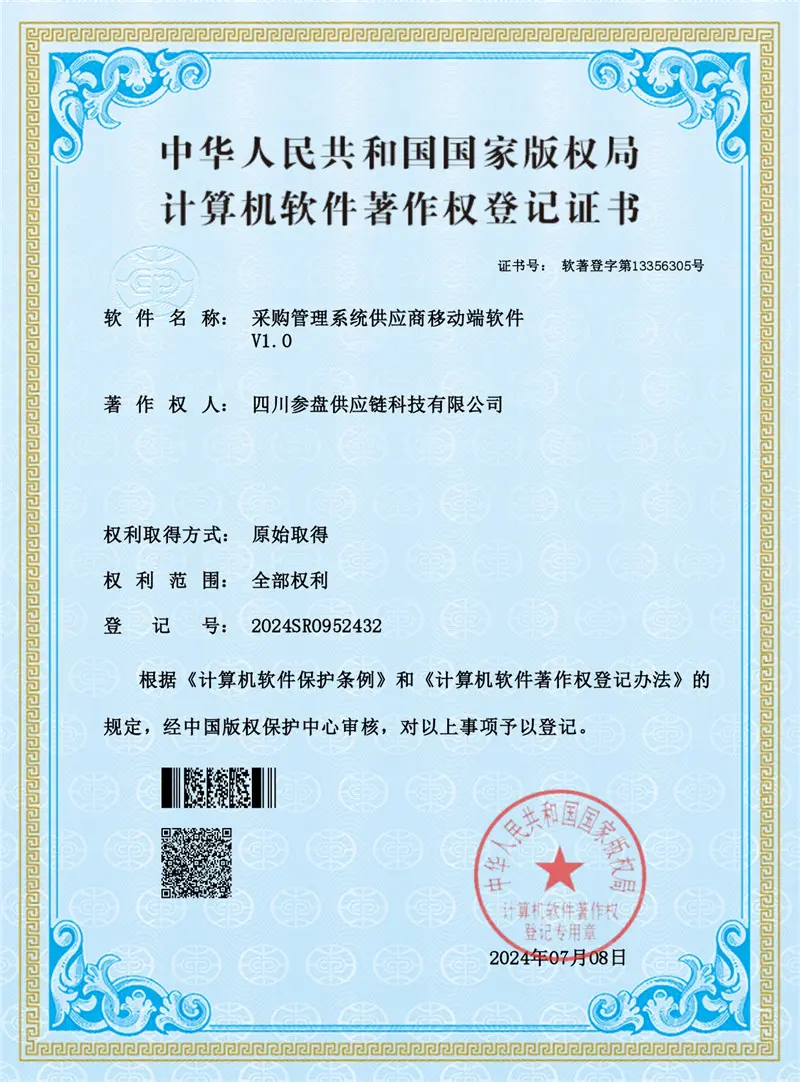
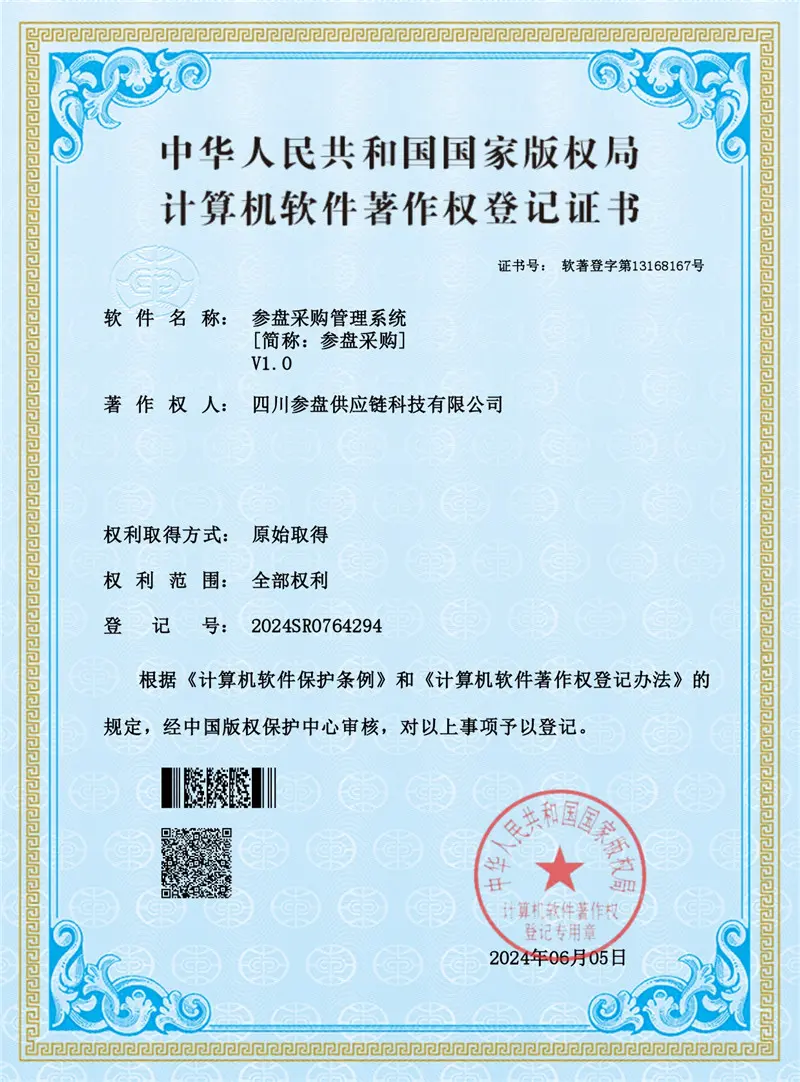
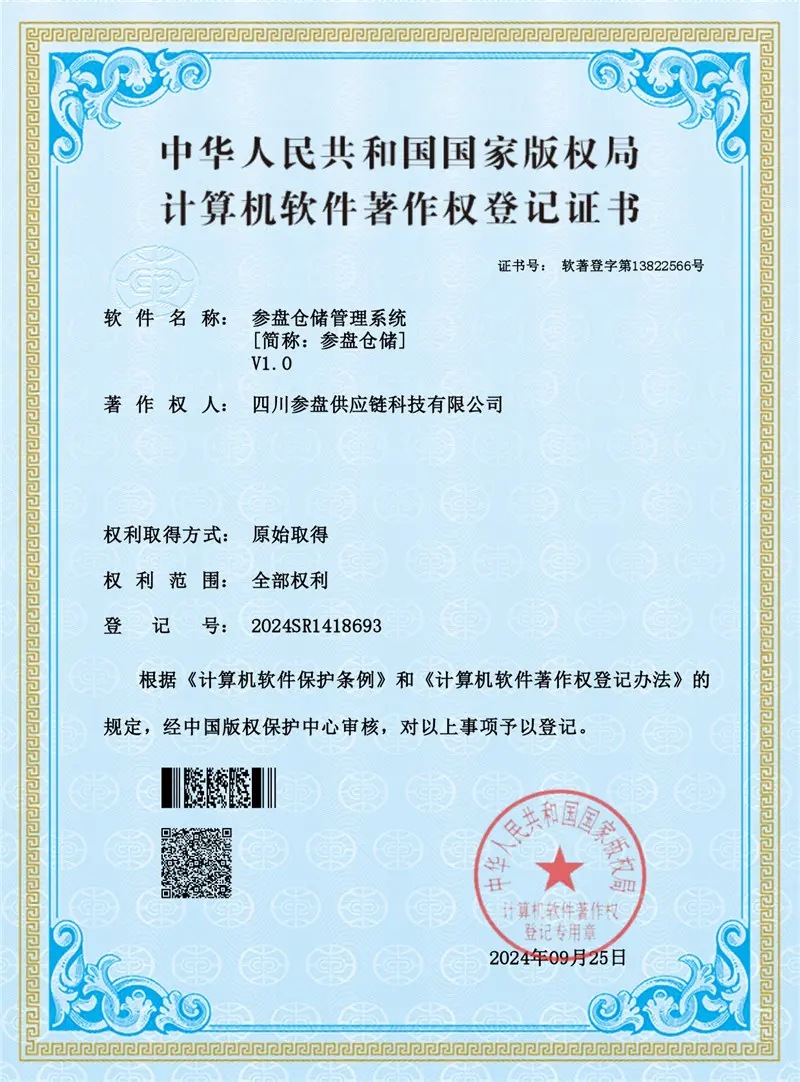
From custom storage setups to AI-driven multi-agent dispatching, explore the future of automated material handling.
Our units can operate in temperatures down to -20°C. With sealed hardware components preventing condensation and IP54-rated electrical enclosures, these AGVs support automated transport in temperature-controlled environments.
Through our central dispatch system, multiple AGVs can coordinate traffic paths, prioritize charging tasks automatically, and dynamically reroute to resolve layout bottlenecks in real time.
Our R&D roadmap integrates hybrid navigation combining LiDAR, visual SLAM, and inertial guidance. This dual-localization approach helps maintain navigation accuracy in large open spaces or dense, high-traffic corridors.
Addressing the technical, operational, and integration queries of logistics directors and automation engineers.
Laser SLAM (Simultaneous Localization and Mapping) constructs a digital reference map of the facility using LiDAR scans, eliminating the need to install physical magnetic tapes or floor reflectors. This allows for faster deployment, dynamic obstacle avoidance, and simple path changes via software updates.
Our AGVs communicate through a standardized RESTful API and WebSockets interface. This enables seamless connection with warehouse management software (WMS) and ERP platforms like SAP, Oracle, and custom legacy systems, allowing automated dispatching based on real-time inventory tasks.
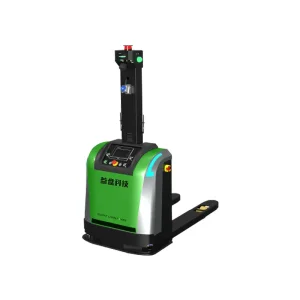
Our standard catalog offers load capacities ranging from 1,500 kg (1.5T) to 3,000 kg (3.0T). Forklift models like the SFL-CDD16 support stacking operations at height, depending on the mast configurations selected for the facility layout.
All units feature multi-level safety setups, including CE-certified safety LiDARs, physical obstacle bumpers, 3D camera sensors, and audible/visual alarms. Safe zone configurations can adapt dynamically based on travel speeds and payload weights, complying with ISO 3691-4 standards.
We use high-capacity Lithium Iron Phosphate (LiFePO4) battery packs, which offer long lifecycles and rapid charging. The vehicles utilize automated opportunity charging, returning to designated contact docks during idle periods to support 24/7 operations.
Yes, we build specialized cold-chain configurations equipped with internal heating elements, low-temperature lubricants, and condensation prevention coatings. This ensures stable performance in refrigerated logistics environments down to -20°C.
Explore our specialized range of balanced-power and high-lift automated forklifts tailored for diverse pallet handling configurations.
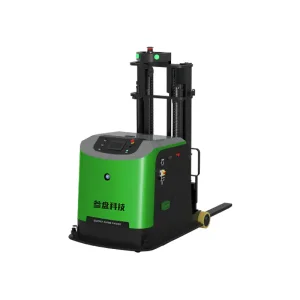
 SCP
SCP