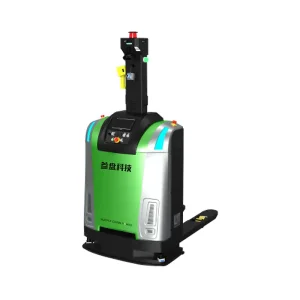
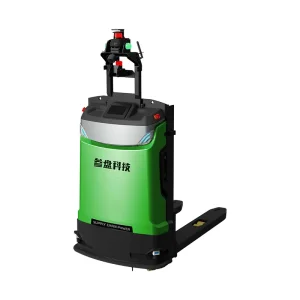
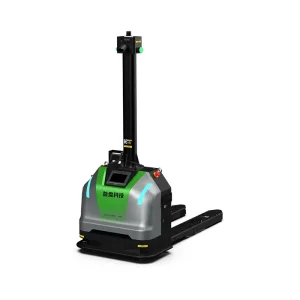
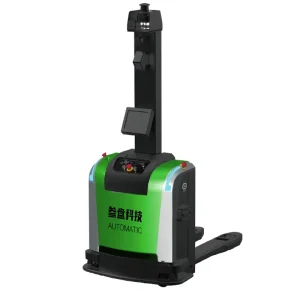
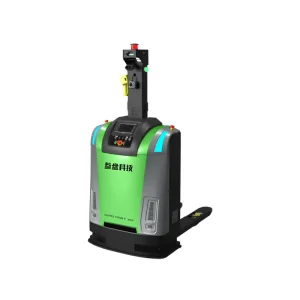
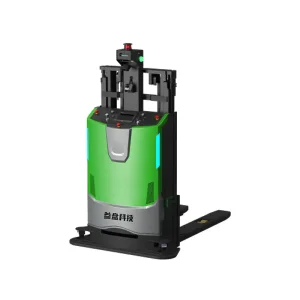
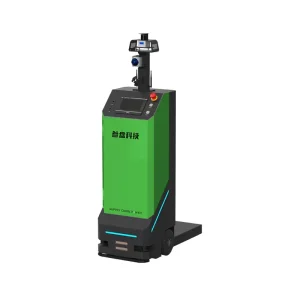
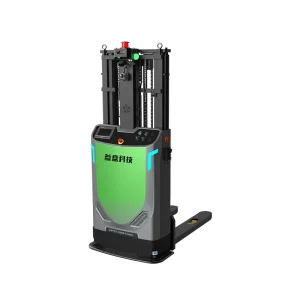
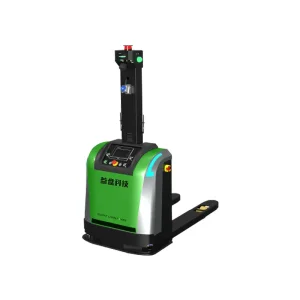
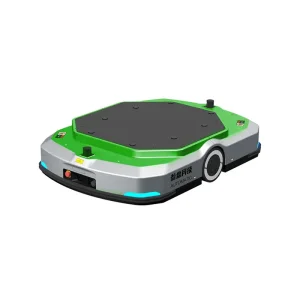
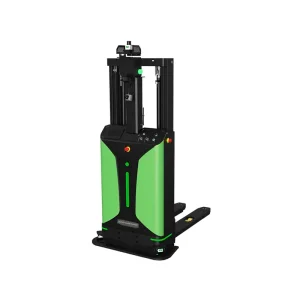
Industrial-grade smart navigation, high-load capacities, and robust chassis bases suitable for heavy-duty autonomous UV disinfection integration.
An in-depth look at how next-generation autonomous mobile bases form the backbone of highly reliable, clinical-grade sanitization systems.
In modern industrial, pharmaceutical, and hospitality settings, bio-safety and pathogen mitigation have transitioned from auxiliary tasks to mission-critical operations. The market for UV Disinfection Robots (Ultraviolet Germicidal Irradiation - UVGI) has undergone rapid growth, pivoting from simple, manually pushed carts to advanced Autonomous Mobile Robots (AMRs). At the center of this technological revolution is the robust integration of Laser SLAM (Simultaneous Localization and Mapping) navigation chassis.
The success of UV-C disinfection depends on one core law of physics: the Inverse-Square Law. The intensity of radiation is inversely proportional to the square of the distance from the source. For a UV robot to kill 99.99% (4-log reduction) of pathogens such as MRSA, Norovirus, or SARS-CoV-2, it must deliver a precise, calculated dosage (measured in Joules per square meter, J/m²) to every surface in a room.
If a UV robot navigates too quickly, the target surfaces receive an insufficient dosage. Conversely, if it stalls or navigates erratically, it wastes energy and risks damaging sensitive polymers through overexposure. Therefore, a high-performance Laser SLAM platform—like the chassis technology seen in our SFL-300L or AMB-CSW10-BH series—is critical. These platforms guarantee millimeter-level path repeatability, allowing the robot to execute slow, uniform sweeps and precise station-to-station positioning within sterilized environments.
China has established itself as the global manufacturing powerhouse for AMR bases and fully integrated UV disinfection systems. The competitive advantages offered by Chinese factories can be categorized into four primary areas:
Taking the actual business needs as the cornerstone, SCP is committed to comprehensively innovating and enhancing the overall supply chain planning of enterprises. We provide enterprises with comprehensive end-to-end supply chain solutions, build a multi-role and multi-dimensional intelligent supply chain collaboration system, and achieve all-round efficient collaboration and process optimization. At present, SCP has established a product architecture supported by software and hardware, and supplemented by the top-level design of the supply chain control tower to create an agile, flexible and efficient end-to-end supply chain system for enterprises.
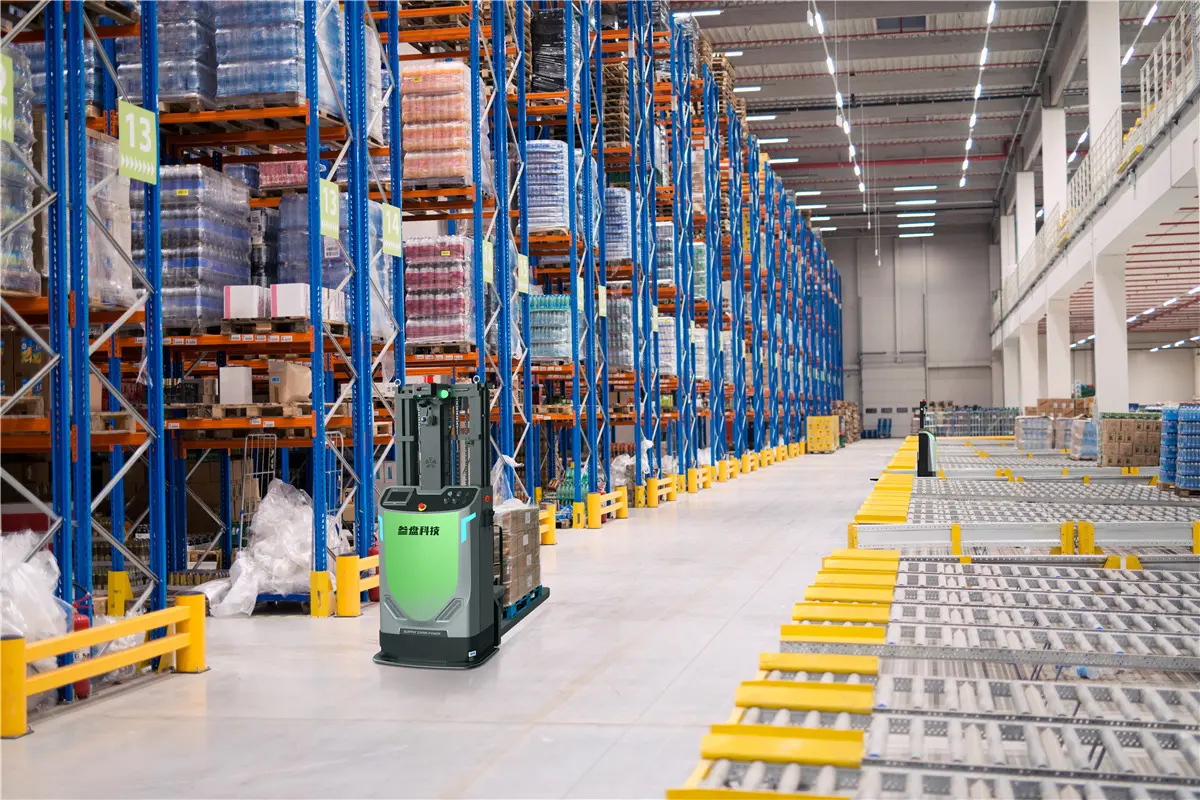
Benefiting farmers and bringing welfare to consumers through advanced automated technologies and seamless cold chain and supply-chain logistics protection.
Leading the technological upgrade of the supply chain and achieving extraordinary value for transformers in the automation era.
Alliance of Developers of New Quality Supply Chain Technology, fusing autonomous hardware with industrial cloud architecture.
We blend software-driven intelligence with heavy-duty robotic engineering to build reliable, high-yield solutions.
As a subsidiary of New Hope Group, we have a good market reputation and execution ability. Moreover, we have an in-depth understanding of multiple industries.
We were incubated based on the digital needs of the business side within the New Hope system, and have participated in many projects of the same type. Therefore, we have a better understanding of the actual business scenarios and demands.
We possess the self-development and integration capabilities for various systems in procurement, sales, and supply. We can well meet the individual needs of different customers.
We provide certain light consulting services alongside projects, covering multiple dimensions such as process optimization and assessment weight, to assist customers in the construction of digital transformation of their supply chains.
We have a professional delivery team for commercial projects. We actively respond to the personalized needs of customers and can ensure fast and high-quality delivery according to customer requirements.
How SCP blends safety, green design, and technological scalability for long-term industrial optimization.
In terms of technology research and development, SCP continues to increase its investment and constantly optimize the product architecture supported by software and hardware and the top-level design of the supply chain control tower.
By strengthening the self-development and integration capabilities of various systems in procurement, sales, and supply, we continuously improve the technical level and competitiveness of our products and services. We build a solid foundation for the sustainable development of enterprises and the industry with leading technologies.
At the same time, we actively explore the application of cutting-edge technologies in the supply chain field, promote technological iteration and upgrading, and maintain a leading position in the industry in terms of technology.
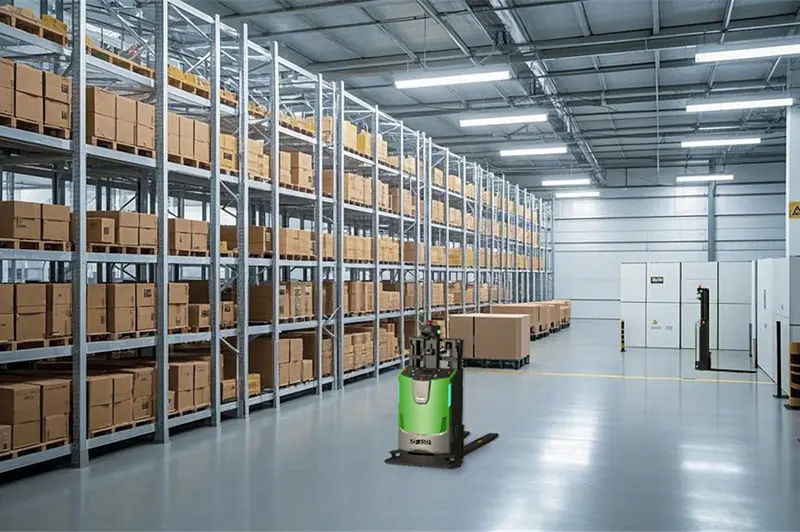
In terms of ecological construction, relying on the rich industrial resources and extensive business layout of Caogenziben, SCP deeply explores the supply chain needs of multiple industries such as food consumption and creates solutions that are suitable for actual scenarios.
By empowering key links such as cold chain logistics, we promote the standardized management and efficiency improvement of the supply chain and facilitate the collaborative development of the entire industrial chain.
In addition, we actively carry out in-depth cooperation with overseas partners, absorb international advanced experience and technologies, expand the international market, enhance the global influence of the enterprise, and build a supply chain technology ecosystem with international competitiveness.
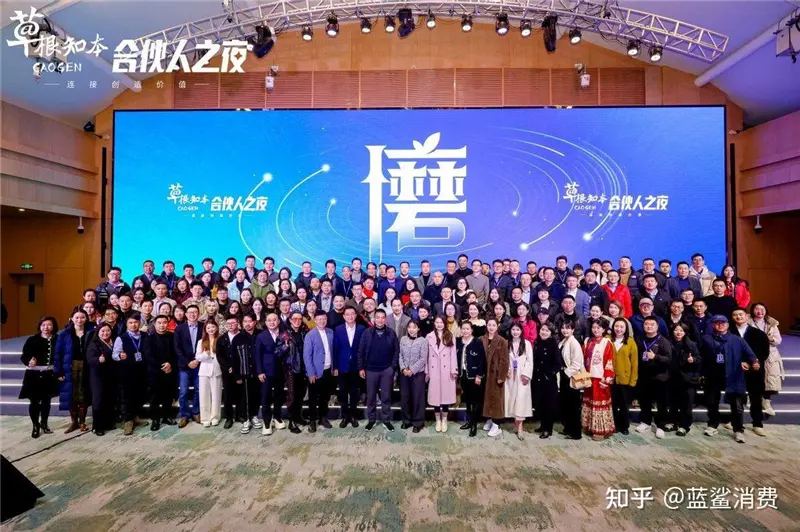
From a long-term development perspective, with the vision of "Leading the technological upgrade of the supply chain and achieving extraordinary value for transformers", SCP integrates the concept of sustainable development into its corporate strategic planning and daily operations.
We not only focus on our own growth and profitability but also look to promote the green, intelligent, and efficient development of the industry. We build a more perfect supply chain collaboration system for future enterprises.
While achieving our own sustainable development, we create greater value for society and become a backbone force in promoting the sustainable development of the supply chain technology industry.
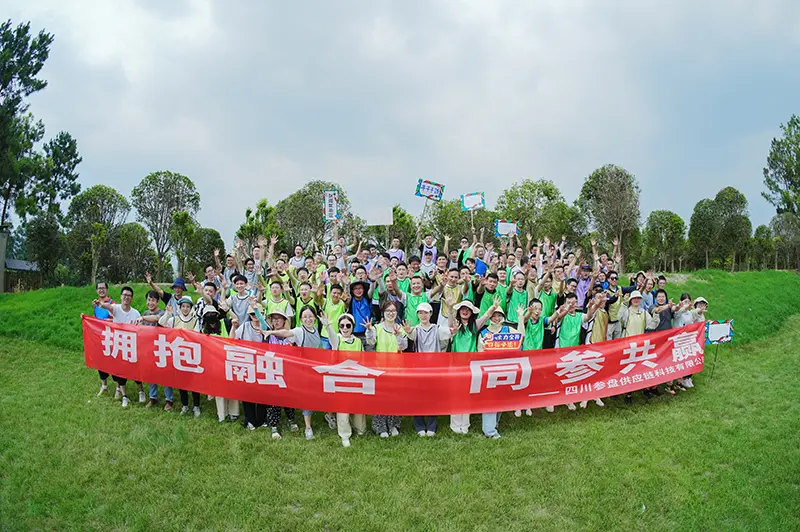
Our manufacturing protocols are certified under international management and safety systems, ensuring reliability in healthcare and warehouse settings.
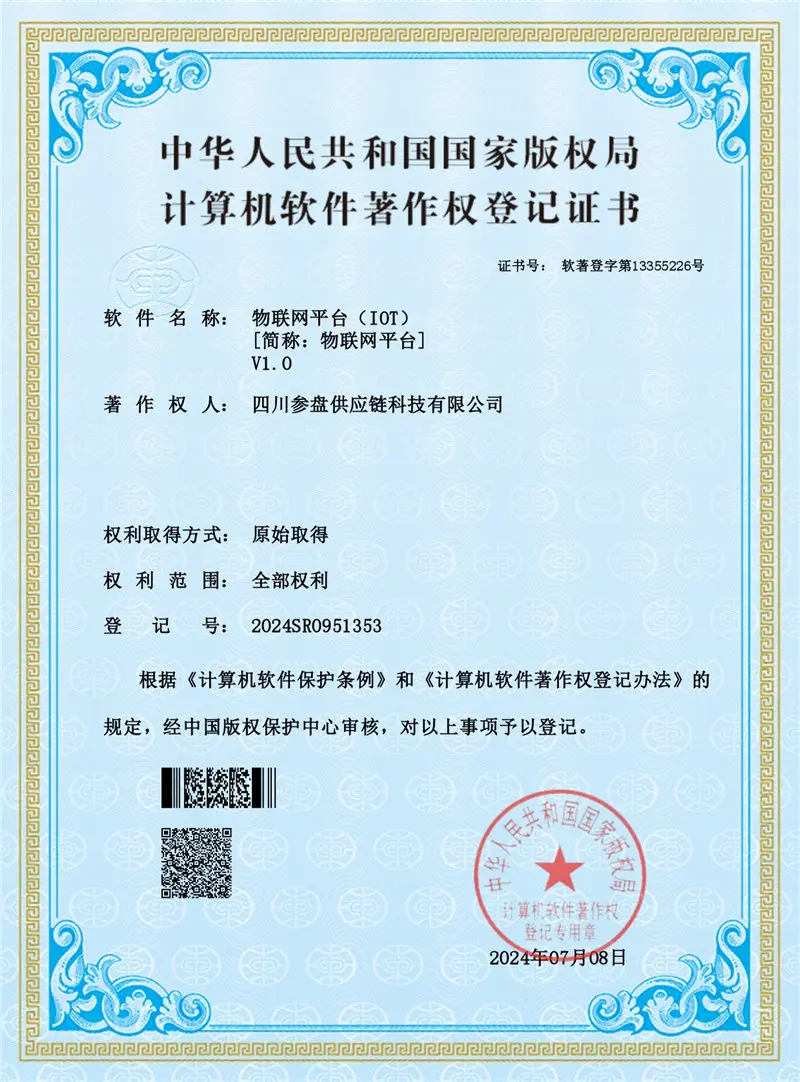
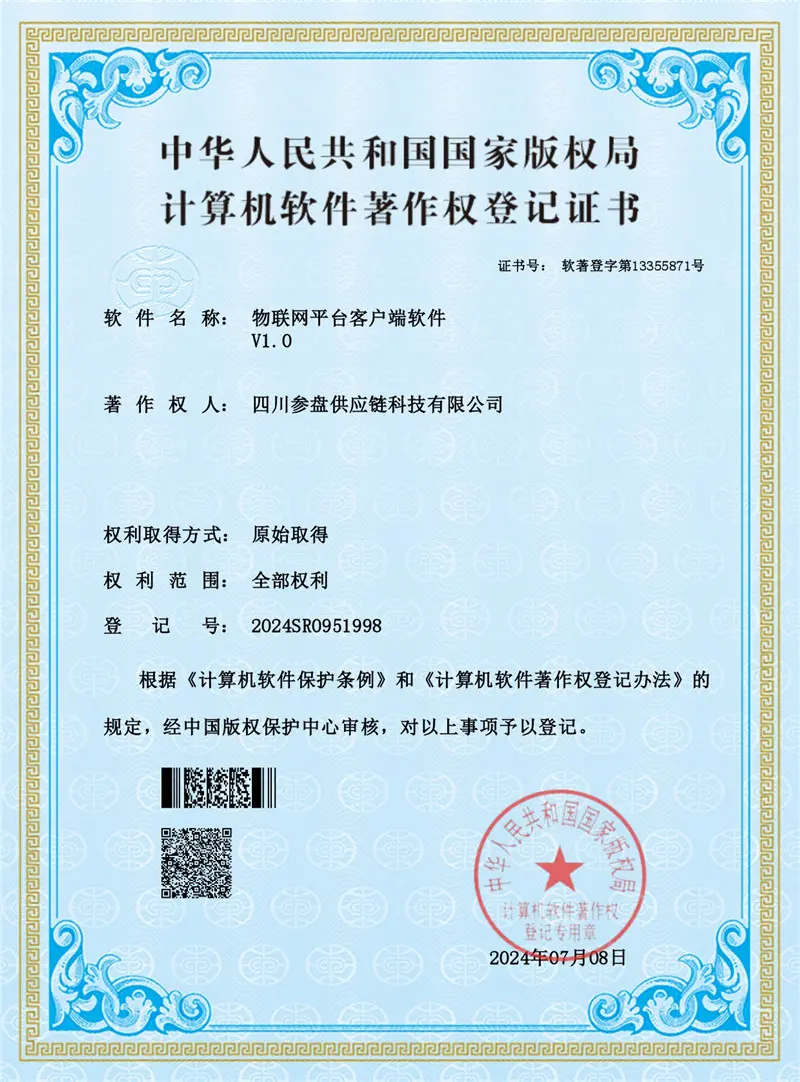
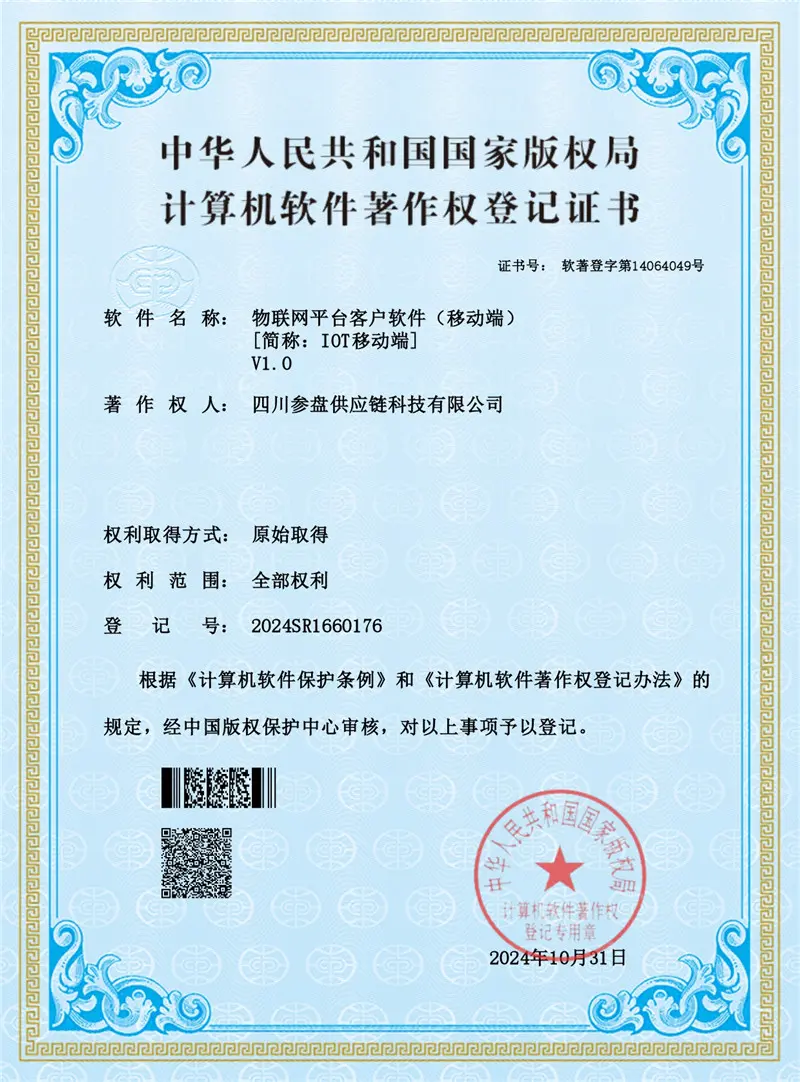
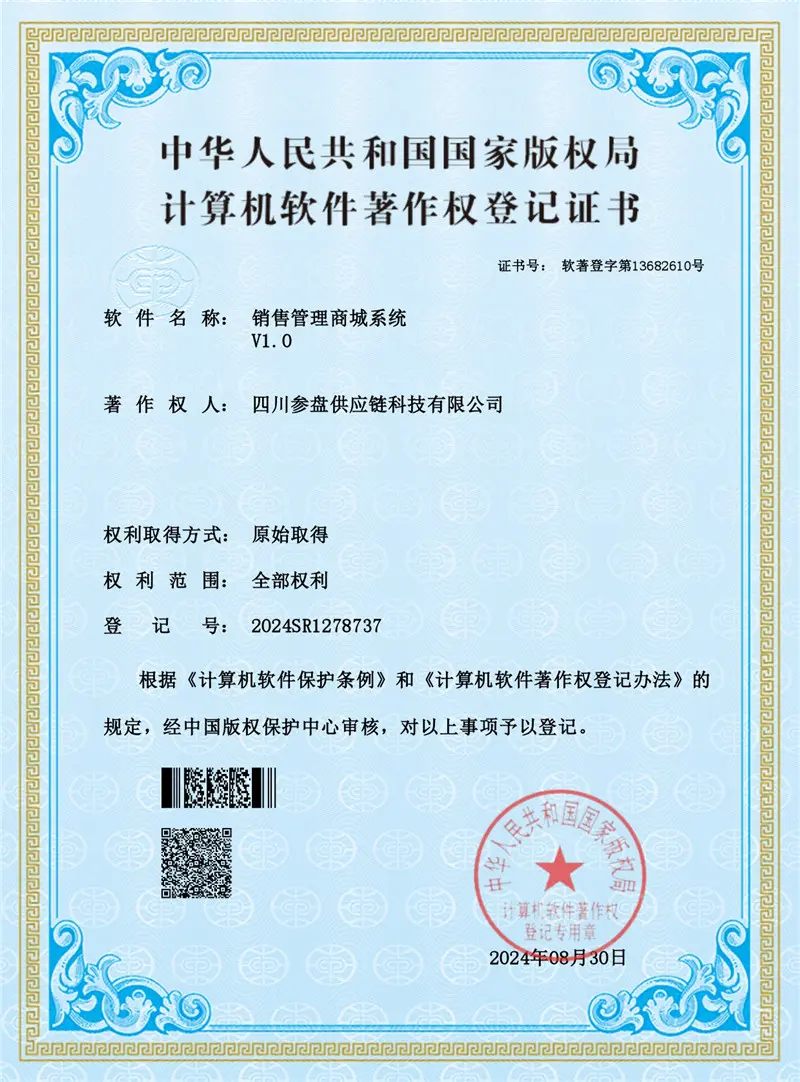
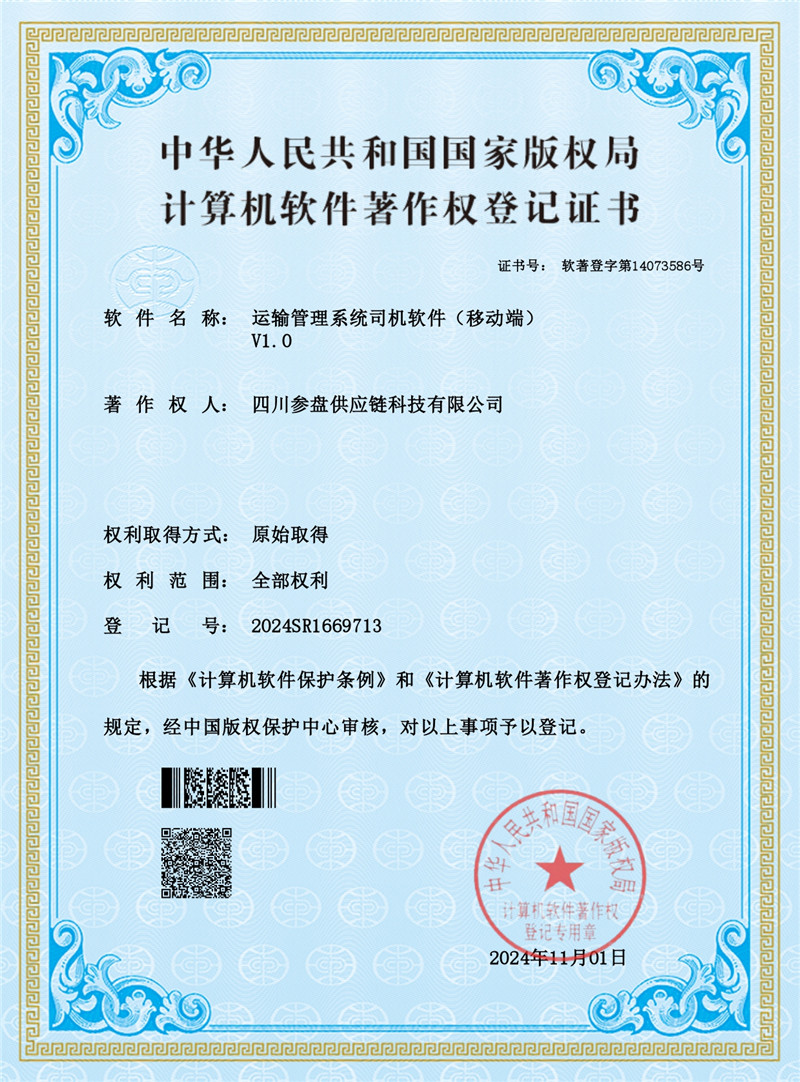
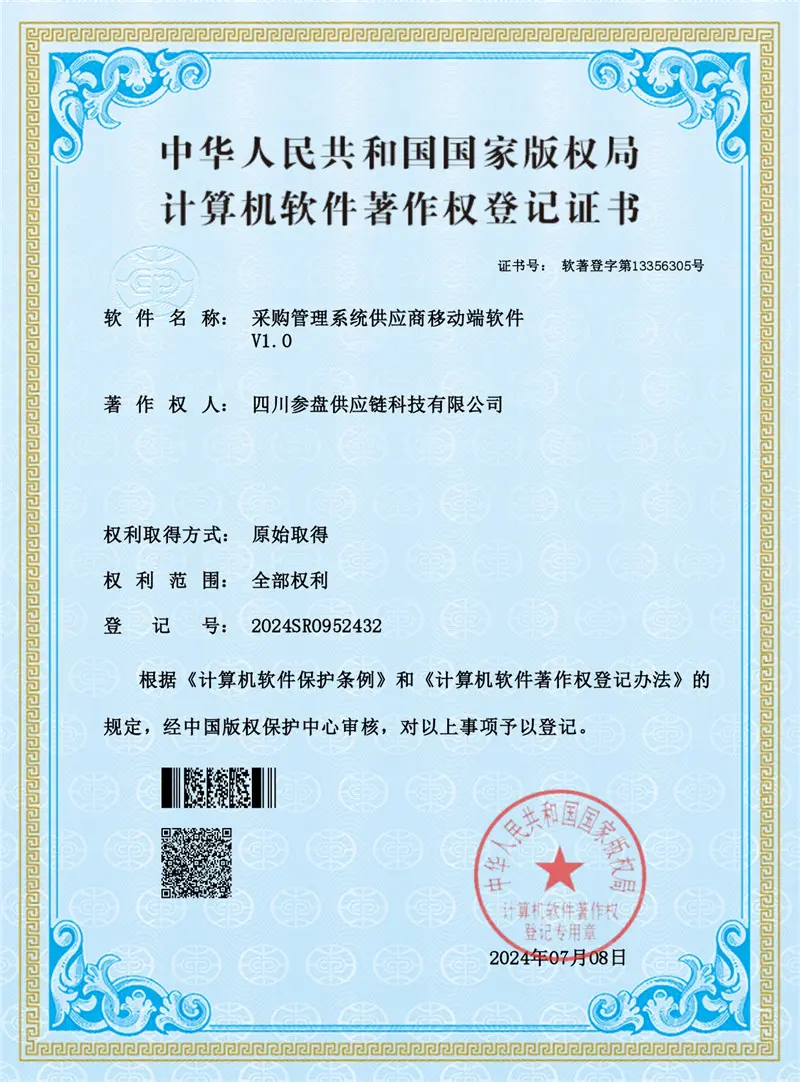
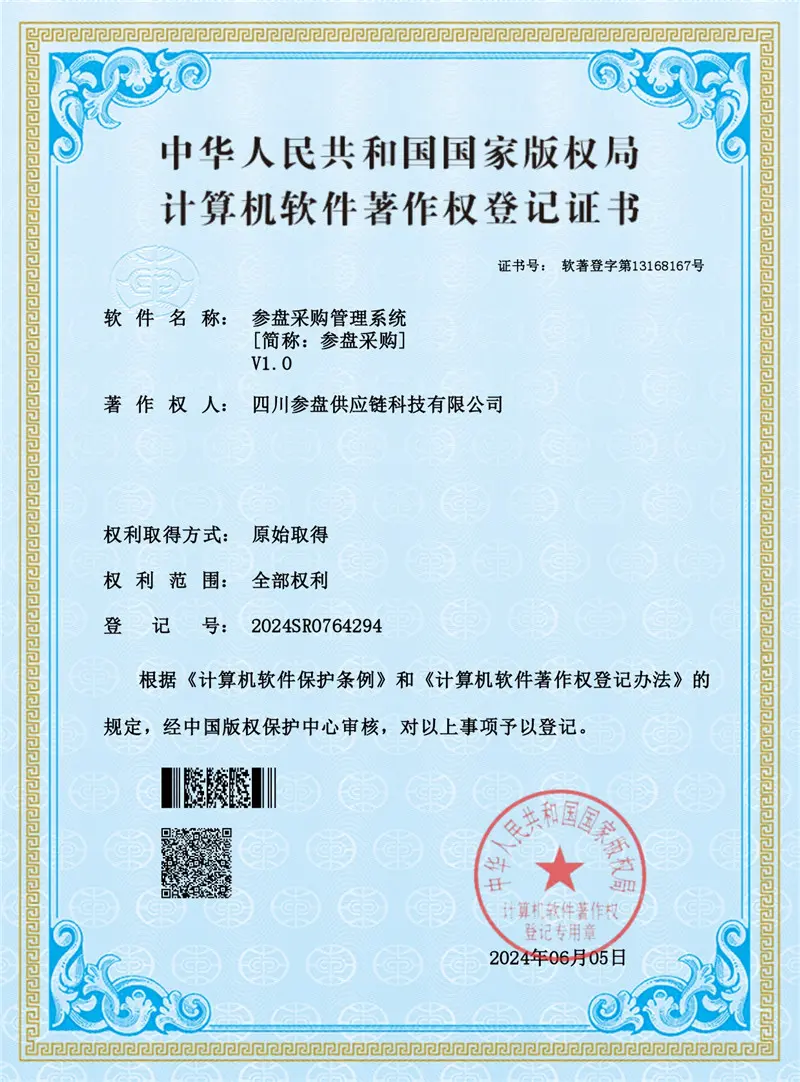
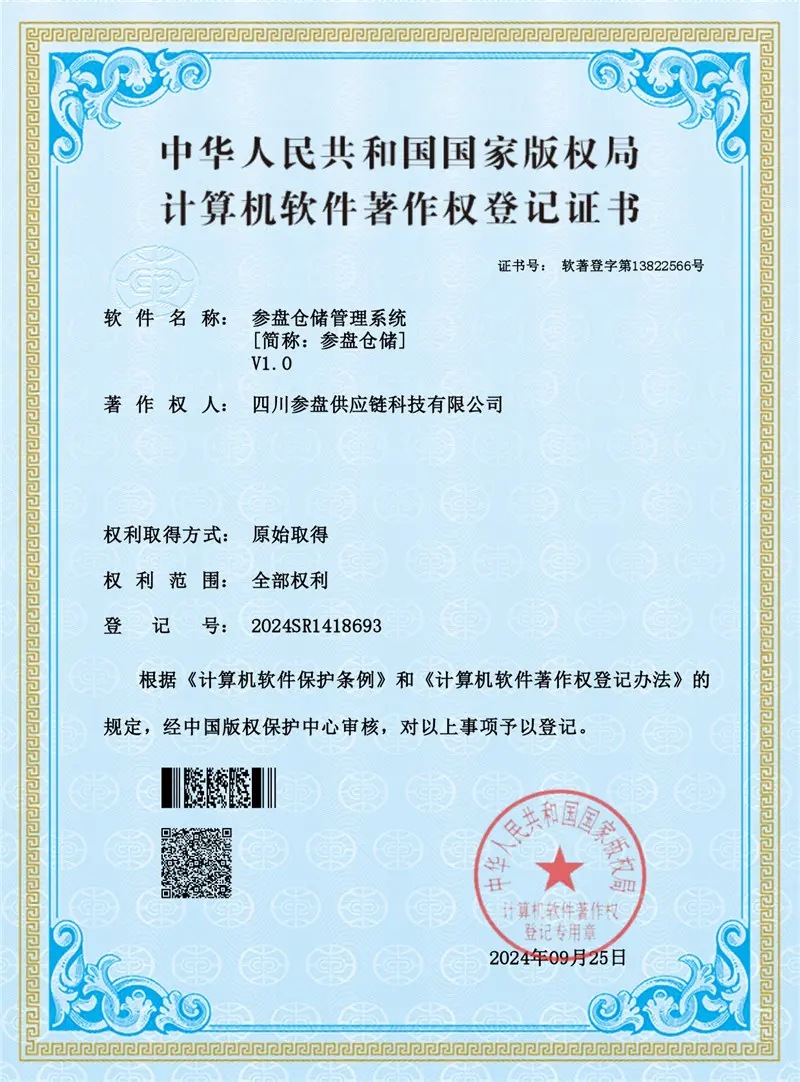
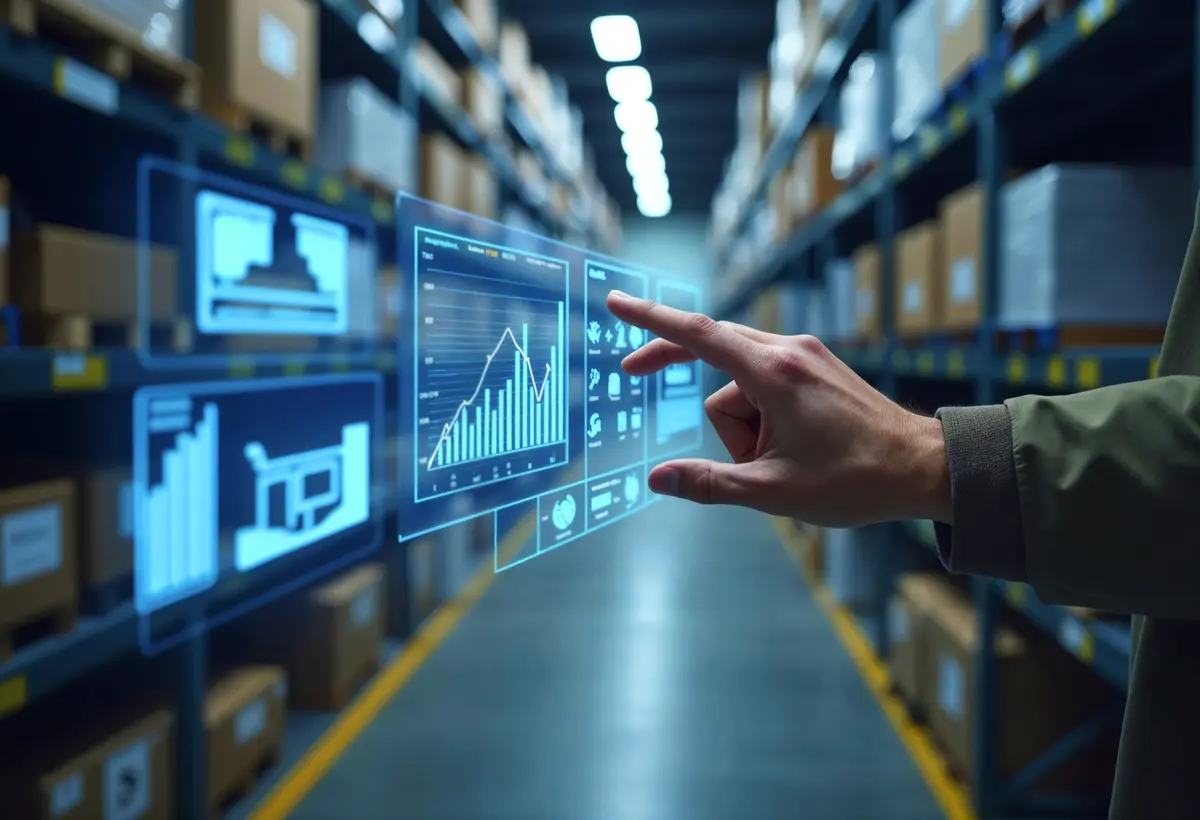
SCP focuses on providing comprehensive solutions for the food supply chain, as well as research and development of intelligent software and hardware products and services. The company aims to be based on the Internet of Things AI, the comprehensive application of machine learning, intelligent devices and other technologies, through automated, digitized, intelligent and systematic technology products and solution matrices, enhances the overall operational efficiency of supply chain procurement/supply/sales, and helps upgrade the value of upstream and downstream industries.
Our heavy-duty Laser SLAM AGVs and AMRs serve as the core physical transport platform. In high-care food processing zones and pharmaceutical cold chain facilities, specialized UV-C light fixtures are integrated directly onto these mobile bases, executing sterile path loops without requiring manual intervention, thereby achieving continuous bio-safety operations.
A comprehensive framework for evaluation, software integration, and hardware configuration.
When selecting a manufacturing partner for UV Disinfection Robots, enterprise procurement teams must look beyond unit costs and evaluate the factory's technical capabilities across three core dimensions:
Because UV-C light is harmful to human tissue and vision, the mobile platform must be equipped with active and passive safety features. High-quality manufacturers design their platforms with multi-sensor fusion: LiDAR for primary navigation, 3D Depth Cameras (Time-of-Flight) to detect low-lying obstacles, ultrasonic sensors for transparent materials (such as glass walls), and high-sensitivity motion sensors. If a human enters the disinfection zone, the robot must instantly shut down its UV-C light source within milliseconds.
Disinfection cycles are typically scheduled between operational shifts. To maximize coverage, the robot chassis must support high-rate fast-charging and feature deep-cycle lithium-ion batteries. An enterprise-class UV AMR should deliver at least 3 to 4 hours of continuous navigation and UV illumination on a single charge and support automated dock charging to achieve zero-human intervention.
A single robot cannot cover large industrial complexes. Factories must provide robust fleet management systems compatible with standard industrial communication protocols (VDA 5050, RESTful APIs, or ROS/ROS2 nodes). This allows the UV robot fleet to coordinate with automated doors, elevators, HVAC air handling units, and the central Warehouse Management System (WMS) or supply chain control tower.
Addressing the technical, operational, and procurement queries of global engineering and operations managers.
Laser SLAM (Simultaneous Localization and Mapping) enables the robot to navigate dynamically without requiring magnetic tape, QR codes, or reflectors on walls. This flexibility is crucial in cleanrooms, hospitals, and warehouse facilities where physical markings cannot be installed. The robot adapts to path changes in real-time, preventing collisions with moving equipment or inventory.
Industrial UV robots utilize a multi-layered safety architecture. High-sensitivity PIR (Passive Infrared) sensors and 360-degree LiDAR continuously scan for human presence. If motion or human thermal signatures are detected, the system immediately cuts power to the UV lamp ballasts. Additionally, physical safety bumpers, manual emergency stop buttons, and cloud-based software override switches provide multiple levels of fail-safe protection.
Yes. Our heavy-duty chassis structures (such as the AMB-CSW10-BH or SFL-300L series) are designed as open AMR development bases. OEM designers can easily mount custom UV-C lamp arrays, power regulators, and auxiliary control sensors to the high-payload platform, relying on the pre-calibrated navigation system for safe path planning.
The SCP Supply Chain Planning platform functions as a high-level coordination hub. It integrates hardware APIs from warehouse AMRs, forklifts, and UV-C robots, allowing the facility to schedule sanitization routines during downtime, direct robots to areas with high traffic, and track disinfection completion logs for compliance audits.
For global import and operational compliance, factories must provide certifications such as CE (for European markets), FCC (for electromagnetic compliance in the USA), RoHS (restricting hazardous materials), and ISO 9001 quality management standards. All electrical panels and battery systems must also carry corresponding industrial safety certifications.
High-precision mobile chassis and forklift platforms designed for customization and integration into automated facility management workflows.
 SCP
SCP