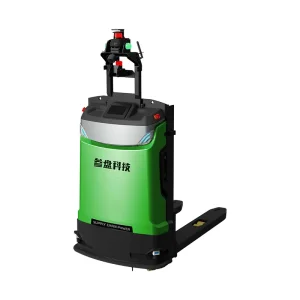
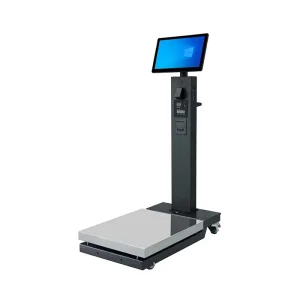
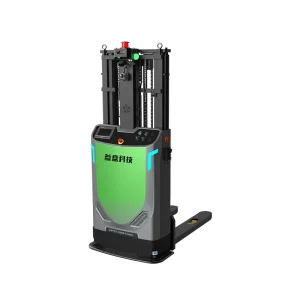
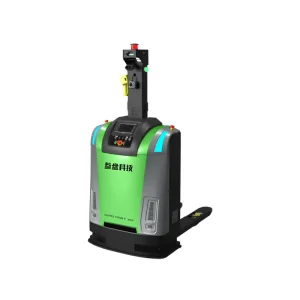
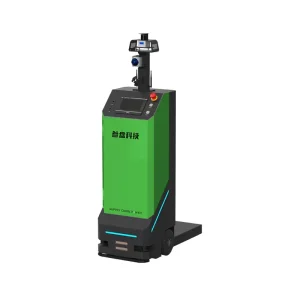
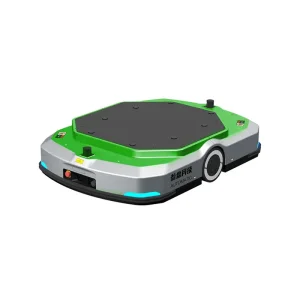
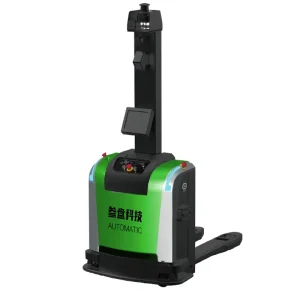
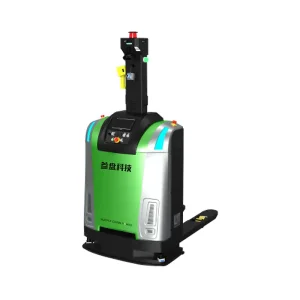
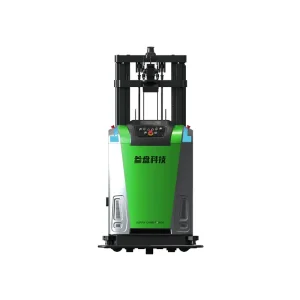
Direct from advanced manufacturing lines: High-load capacity smart forklifts, Laser SLAM navigation systems, and IoT integrated industrial weighing scales.
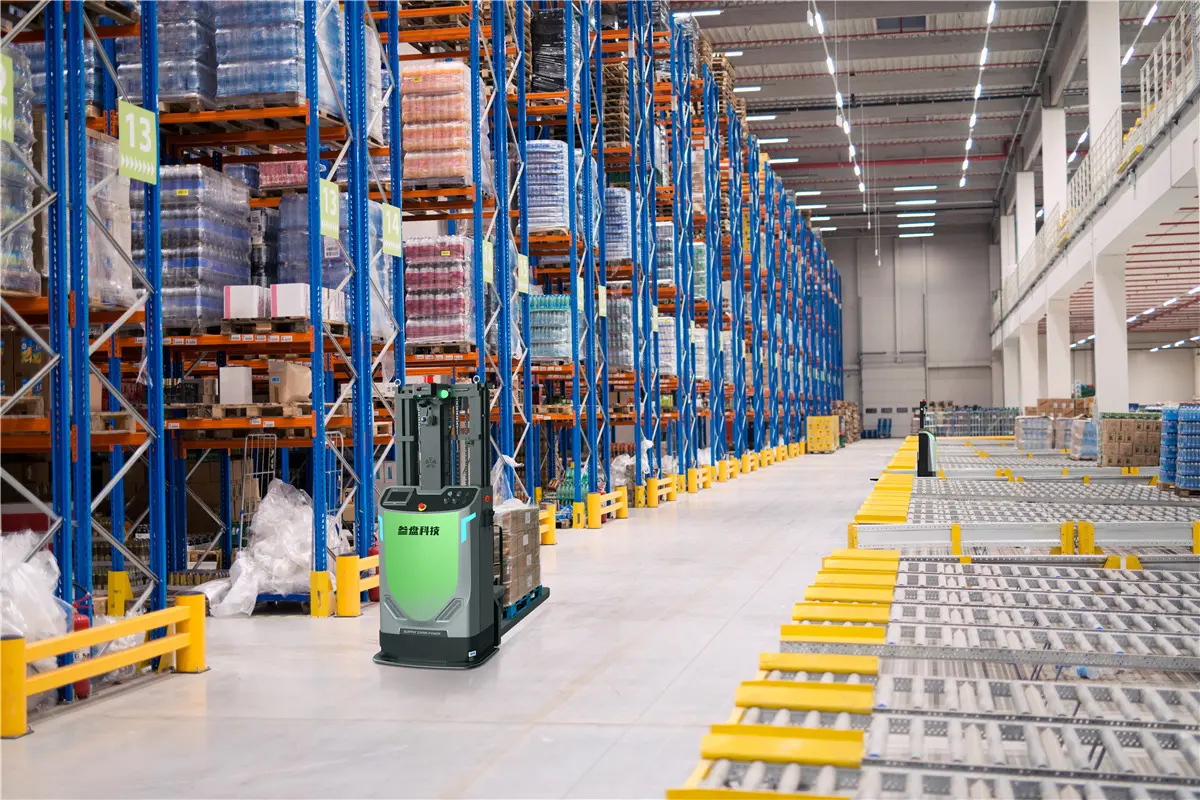
At the center of this transformation lies the deployment of AMRs (Autonomous Mobile Robots), intelligent forklifts, and sensor-driven data architectures. As modern warehouses grow vertically and supply chains demand agile responses, traditional AGVs with physical guiding lines are no longer sufficient.
Instead, advanced factories are integrating Laser SLAM (Simultaneous Localization and Mapping) technologies, allowing fleet systems to construct virtual maps of environment dynamics instantly. This shift permits safe human-robot collaboration, dynamic path planning, and layout adaptability without shutting down current floor lines.
Furthermore, the integration of high-resolution digital scales into these material handling structures provides double-sided value: combining movement with real-time payload tracking. This establishes the structural framework for a modern, digital warehouse ledger system.
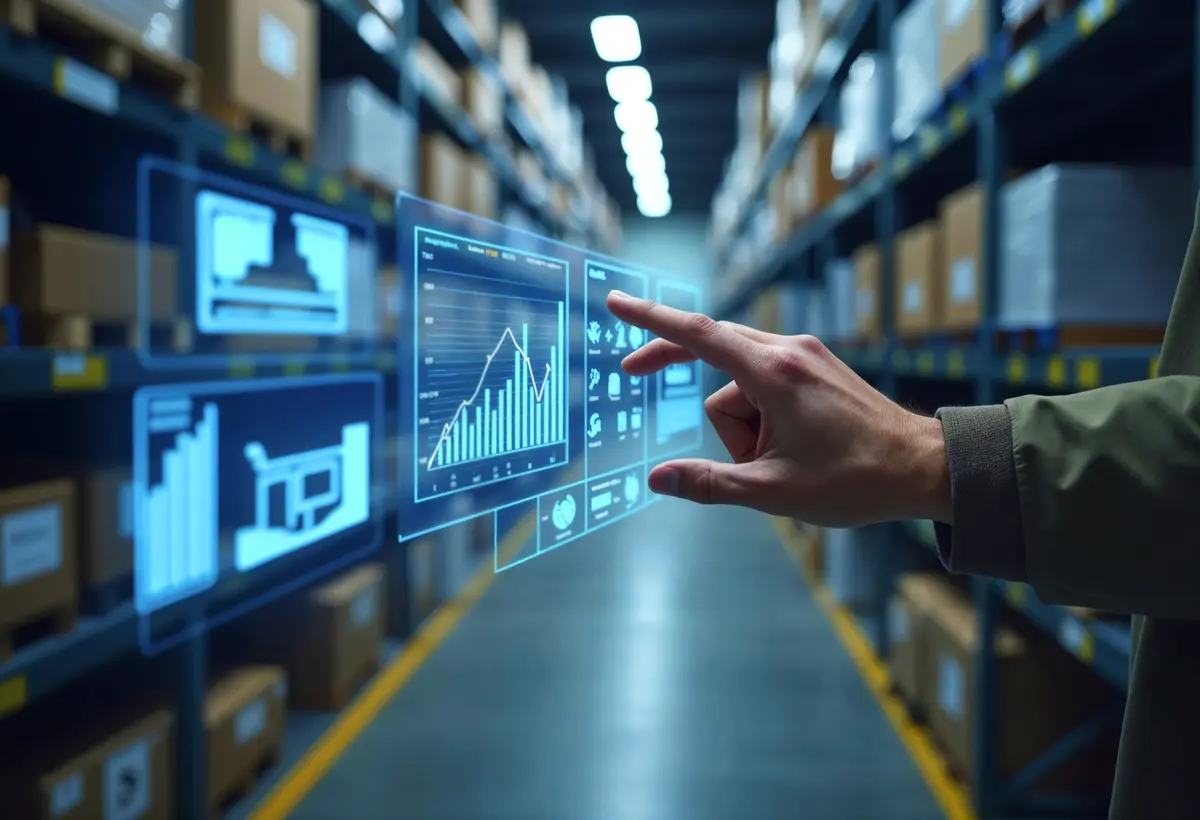
We provide enterprises with comprehensive end-to-end supply chain solutions, build a multi-role and multi-dimensional intelligent supply chain collaboration system, and achieve all-round efficient collaboration and process optimization.
At present, SCP has established a robust product architecture supported by integrated software and hardware, supplemented by the top-level design of the Supply Chain Control Tower. This creates an agile, flexible, and efficient end-to-end supply chain system ready for modern operational scales.
Backed by the industrial footprint of New Hope Group and Caogenziben, SCP translates large-scale logistics operations and agricultural supply chain necessities into reliable software modules and robust automated hardware designs.
Guiding technological progress with a focus on delivering value to agricultural, retail, and manufacturing sectors globally.
Mission: Benefiting farmers and bringing welfare to consumers.
Vision: Leading the technological upgrade of the supply chain and achieving extraordinary value for transformers.
Alliance of Developers: Building a community of new quality supply chain technologies, integrating physical material handling with advanced cloud computing networks.
As a subsidiary of New Hope Group, we possess an extensive market reputation and deep operational context, understanding multiple industrial challenges intimately.
We were incubated based on the digital needs within the New Hope system. Because we participate in real-world scenarios, we deeply understand the requirements of warehouse floors.
We possess custom integration capabilities spanning procurement, sales, and supply modules. This flexibility allows us to meet specific localized customer requirements.
Our dedicated global projects team ensures swift setup, system calibration, and SLA maintenance agreements directly aligned with your KPIs.
Bridging software and hardware to resolve standard physical bottlenecks in logistics operations.
Cold storage presents challenging conditions for electronic sensors and battery performance. Our automated forklifts leverage insulated thermal covers, sensor-lens defogging elements, and dynamic opportunity charging to operate in temperatures as low as -20°C.
By connecting floor scale weight nodes with high-speed Laser SLAM forklift navigation, systems update warehouse inventory ledgers the moment products leave temperature-controlled docks.
Through our central Fleet Management System (FMS) and Material Control Systems (MCS), multiple robot variations—such as the AMB-CSW10-BH high-load chassis and SFL-CDD20-Y stacker forklift—operate on a shared map coordinate layer, preventing traffic lockups and prioritizing high-demand tasks.
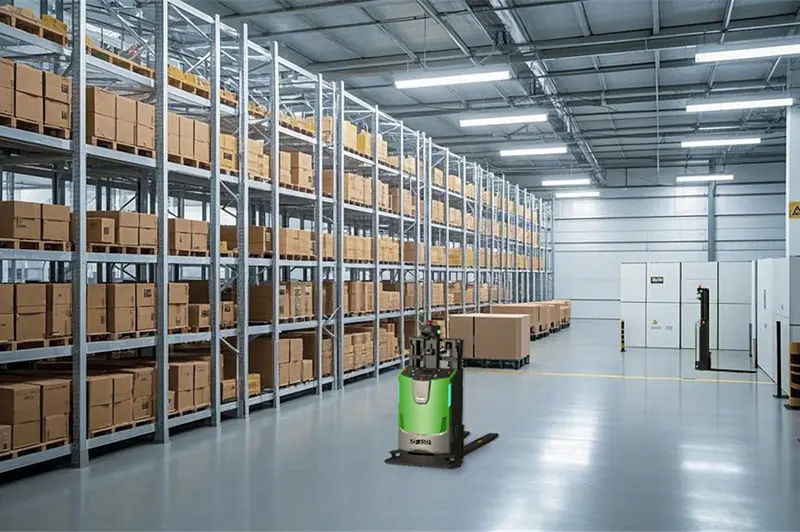
Traditional Automated Guided Vehicles rely heavily on magnetic tape, QR code paths, or physical floor grids. Modifying a path requires re-taping or drilling floors, leading to costly facility downtime.
Our Laser SLAM Stack-Height Forklifts utilize LIDAR scanners to map the warehouse structure, referencing static features (walls, pillars, structural racking) to locate themselves within millimeters. Operational changes are handled via software updates, allowing paths to be adjusted in minutes.
Ensuring green, intelligent, and socially responsible supply chain technologies for the future.
We continuously invest in refining the software-hardware integration of our supply chain control towers. By developing in-house procurement and supply modules, we ensure system independence, high reliability, and adaptation to emerging logistics technologies.
Leveraging the agricultural resources of Caogenziben, we optimize cold chain systems and develop projects with international partners to expand automated technology globally.
We work to integrate carbon-reducing battery architectures and low-emission logistics methods to foster green, efficient industrial operations across the supply chains we optimize.
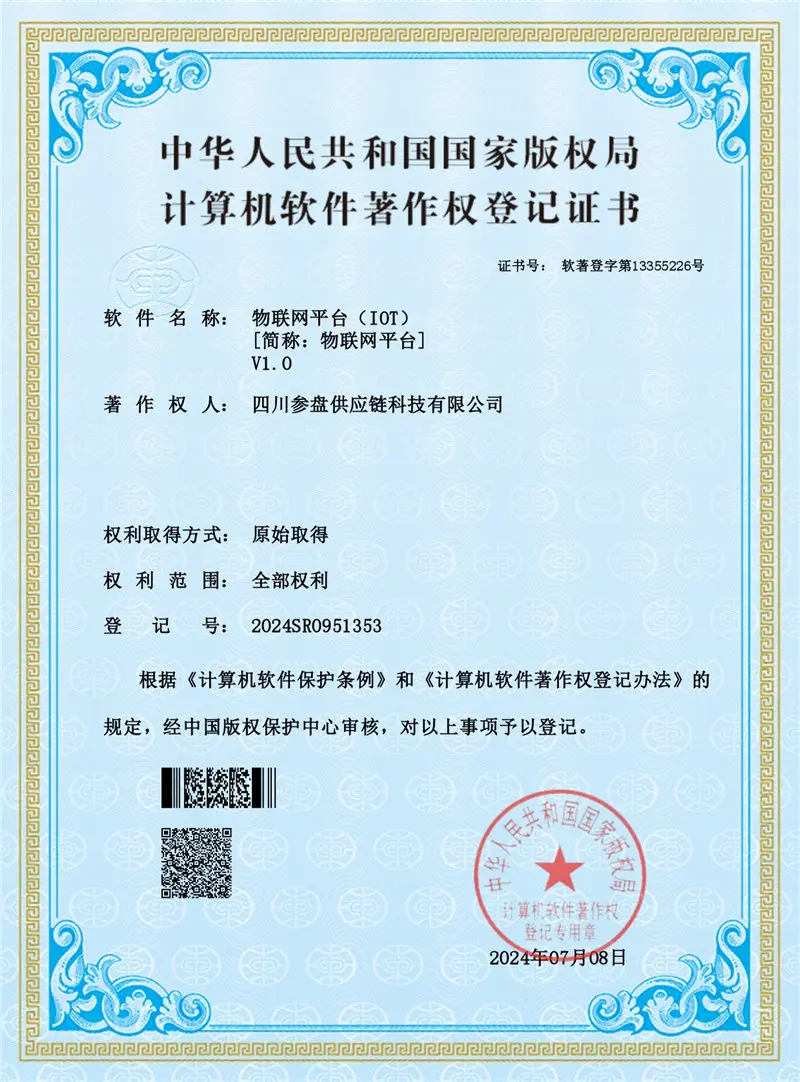
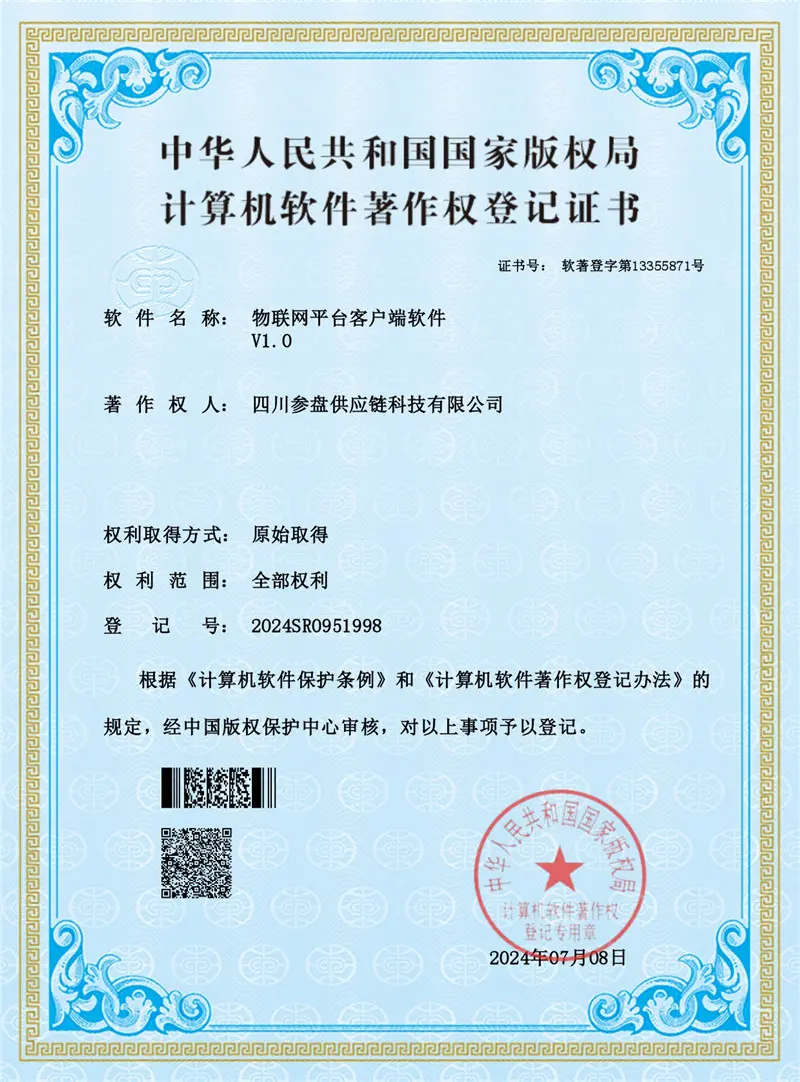
Manufacturing facilities utilize ISO 9001 and ISO 14001 guidelines to maintain production quality and environmental responsibility.
Our smart AGVs and forklifts adhere to EN ISO 3691-4 safety requirements, using dual safety LIDAR sensors, active PL-d level bumpers, and emergency shutdown circuits.
Android-powered floor scales are built to meet OIML R76 accuracy criteria, ensuring reliable measurements for billing and weight-based logistics.
Our mobile chassis platforms are fully CE and FCC certified, guaranteeing low electromagnetic interference and compatibility with modern industrial power grids.
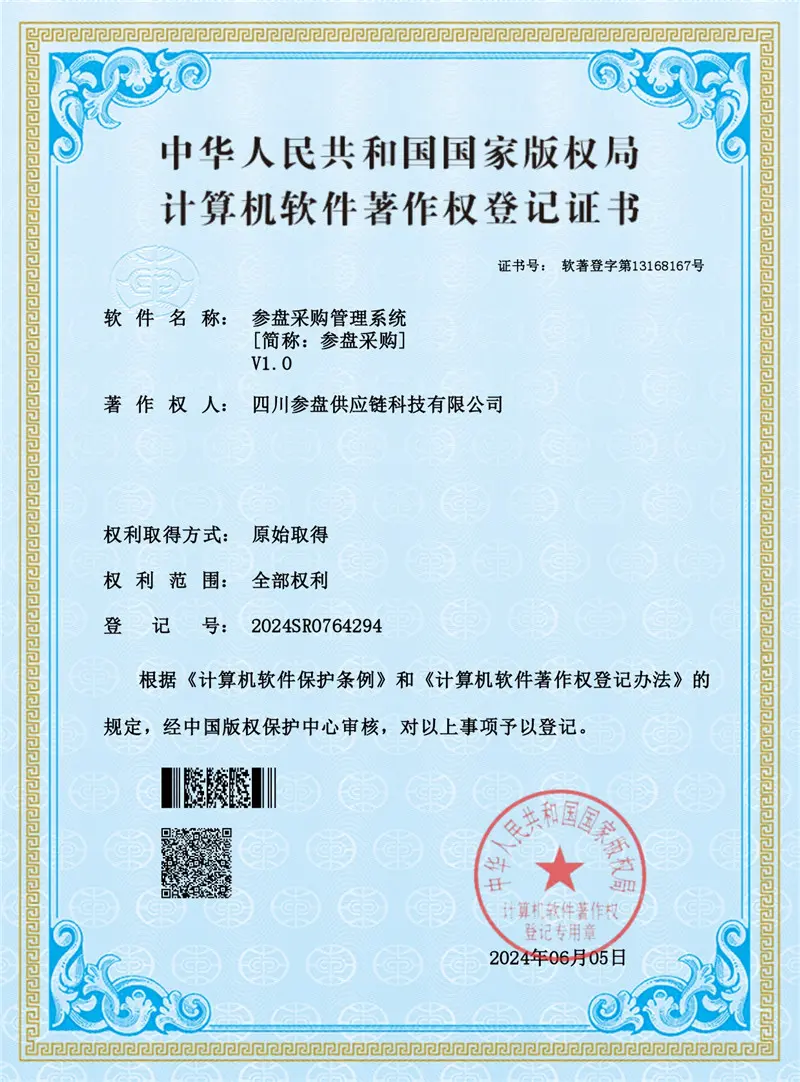
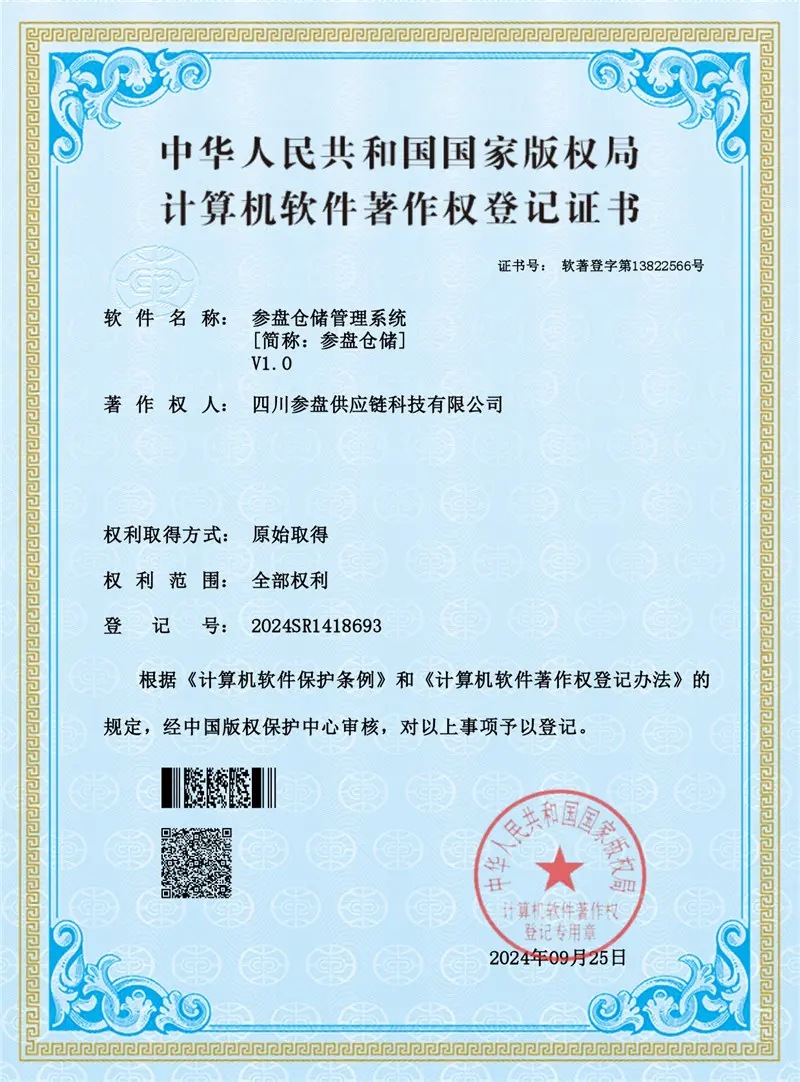
Browse our heavy-duty mobile robot bases and high-capacity floor scale solutions, engineered for demanding factory environments.
Reflector navigation requires installing reflective tape or cylinders on walls and columns, which must remain unobstructed. Laser SLAM (Simultaneous Localization and Mapping) does not require physical retroreflectors; it uses structural elements of the environment (such as concrete columns or racking) to build real-time positioning maps.
This allows vehicles like our SFL-CDD20-Y to operate in dynamic environments where structural views change, reducing setup time and maintaining flexibility when changing warehouse layouts.
The AMB-CSW10-BH chassis features a suspension design and localized weight-sensor feedback. The drive system adjusts torque distribution based on payload measurements, preventing slippage during acceleration and deceleration.
This enables a consistent 1-ton capacity payload carrying capability, even when the load's center of gravity is slightly offset.
Our SCP101 & SCP100 Floor Scales feature an industrial Android processor that connects to network structures via Wi-Fi, Ethernet, or Bluetooth. By utilizing local API endpoints or MQTT protocols, they transmit weight data directly to your WMS/ERP databases without requiring dedicated PC bridges, reducing potential integration latency.
Safety is managed through multiple hardware and software layers. The vehicles are equipped with safety LIDAR scanners that project configurable detection zones. If a person or object enters the warning zone, the forklift slows down; entering the inner safety zone triggers an immediate stop.
Physical contact bumpers and optical alert indicators provide secondary safety protection, meeting international safety requirements for automated industrial trucks (EN ISO 3691-4).
 SCP
SCP