Global Industrial Automation Whitepaper

Best Robotic Palletizing Systems Suppliers & Factory

Robotic Palletizing Systems: The Digital Backbone of Next-Generation Warehousing

In today's fast-moving industrial environment, the demand for throughput speed, precision, and workspace optimization has surpassed what manual warehousing and legacy systems can handle. In response, modern logistics operations are deploying advanced robotic palletizing systems. These are no longer isolated mechanical arms; instead, they operate as fully integrated, intelligent systems that connect physical automation with software-driven coordination.

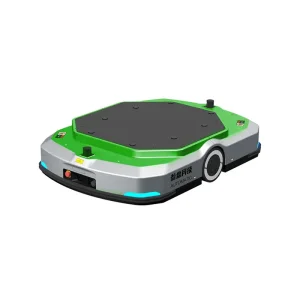
Key Market Shift: The transition from fixed gantry automation to flexible, mobile robotic palletizing systems (such as high-payload Laser SLAM AGVs) represents a major advancement in supply chain operations. Businesses can now scale layout capacities up or down without costly adjustments to floor-anchored infrastructure.

Core Technology: The Synergy of Laser SLAM and Robotics

Laser SLAM (Simultaneous Localization and Mapping) technology allows heavy-duty warehouse equipment to operate without the need for physical magnets, embedded wire tracks, or reflector tape. By using LiDAR sensors, these intelligent units dynamically map their surroundings, adapt to moving hazards, and plot optimal paths.

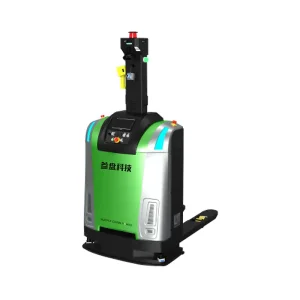
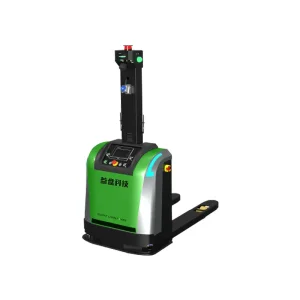
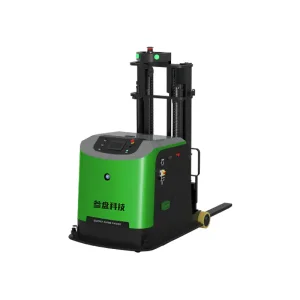
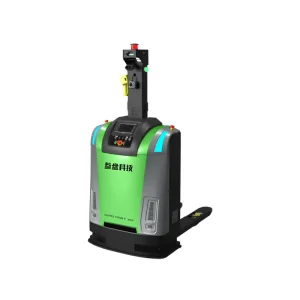
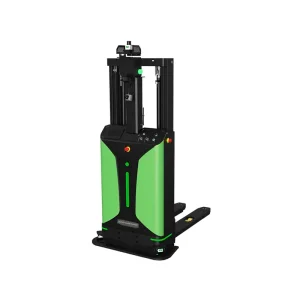
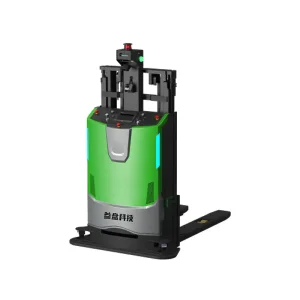
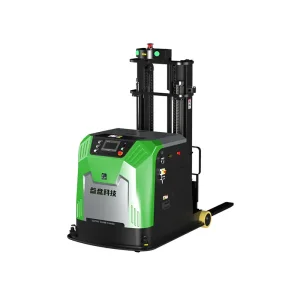
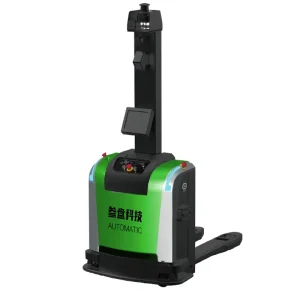
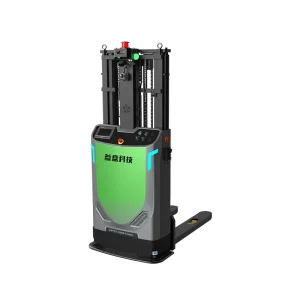
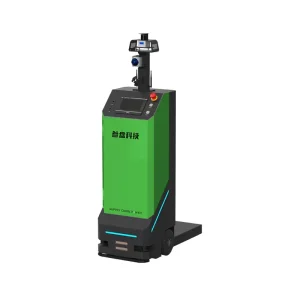
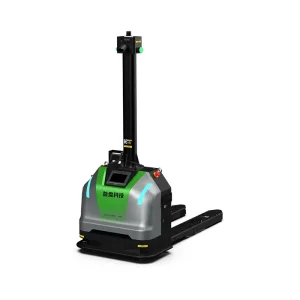
When combined with robotic palletizing systems, Laser SLAM smart forklifts (ranging from 300kg light-duty transporters to 3-ton capacity heavy-lifters) act as the mobile links in a continuous processing chain. They move raw materials to robot stations and transport finished, palletized loads directly to shipping lanes, maintaining a smooth, automated workflow.

Why Global Enterprises Choose Chinese Factories for Automation Systems

China's manufacturing sector has transitioned from simple component assembly to leading-edge technological innovation. Several key factors explain why top companies source their robotic palletizing and smart forklift solutions from China:

  • Complete Industrial Supply Chains: Chinese production hubs concentrate key suppliers of LiDAR sensors, precision gearboxes, structural steel, and battery components nearby. This reduces lead times and supports rapid system customization.
  • Integrated R&D and Production: Facilities like the SCP-affiliated plants combine software design, hardware manufacturing, and real-world system testing under one roof, accelerating the path from design to deployment.
  • Cost-Effective Innovation: Leveraging local manufacturing networks allows Chinese factories to deliver robust Laser SLAM and robotic configurations at a lower total cost of ownership (TCO).
  • Proven Scale: Chinese developers regularly deploy large-scale AGV fleets and robotic cells in high-volume industries like food processing, cold-chain logistics, electronics, and e-commerce, ensuring systems are field-tested before export.
99.9%
Navigation Accuracy
3000kg
Max AGV Payload
30%+
Space Optimization
<18 Mos
Average ROI Period

Industry Trends: The Future of End-of-Line Automation

Five primary trends are shaping the future of robotic palletizing and material handling:

  1. AI-Driven Fleet Orchestration: Standard warehouse control systems are shifting to AI-powered managers that balance task loads, optimize travel paths, and predict traffic bottlenecks in real time.
  2. Hybrid Navigation Models: Modern systems combine 3D LiDAR SLAM, visual SLAM, and inertial guidance to maintain high reliability in challenging environments, such as dust, steam, or sub-zero cold storage.
  3. Sustainable Energy Management: Next-generation forklifts and robots feature high-density lithium iron phosphate (LiFePO4) batteries with rapid opportunity charging, minimizing downtime and energy usage.
  4. Flexible Gripper Technology: End-of-arm tooling (EOAT) is evolving with adaptive servo-grippers and vacuum lifters, allowing robots to handle delicate bags, rigid boxes, and heavy drums with the same system.
  5. Human-Robot Collaboration: Compliance with safety standards like ISO 3691-4 enables cobot-style palletizers and AGVs to operate alongside human workers without safety fences, reducing the required footprint.

SCP Supply Chain Solutions

Backed by the industrial resources of New Hope Group, SCP integrates intelligent software and hardware to optimize supply chain flows from production to dispatch.
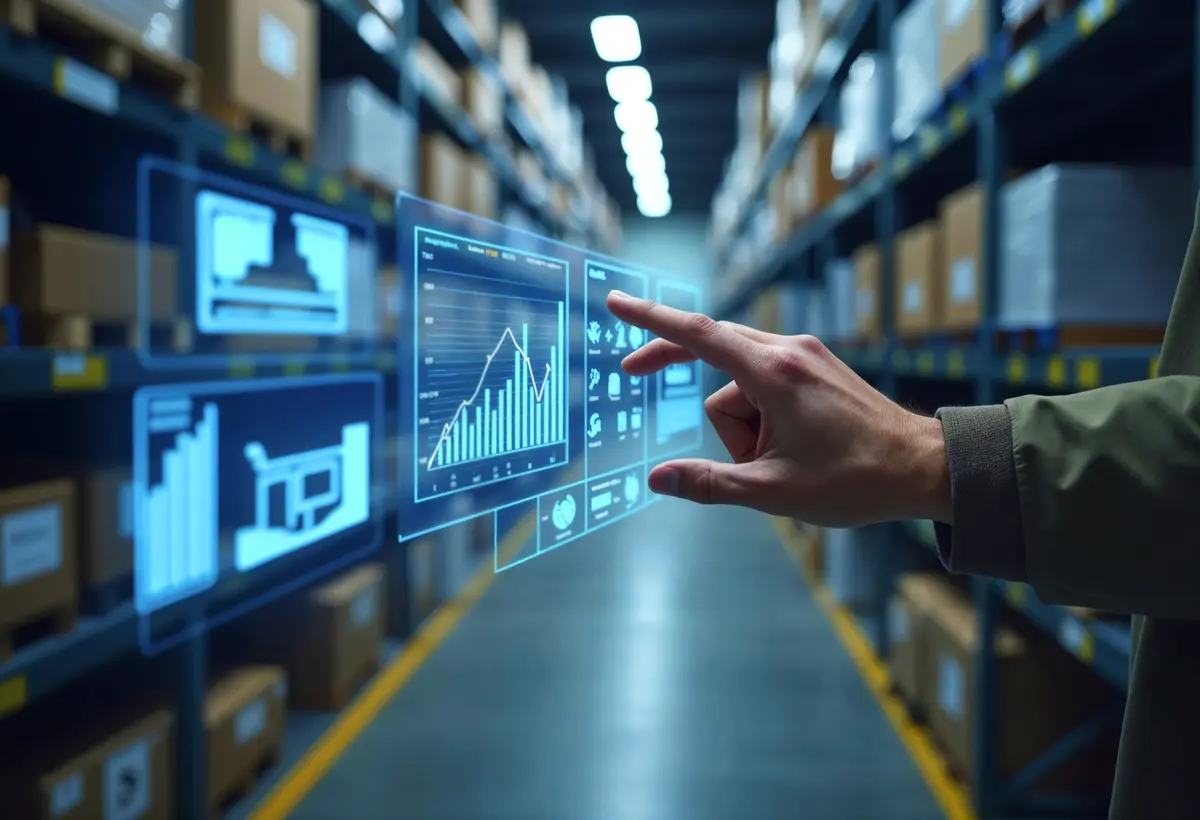
SCP Solution Architecture

SCP's technology matrix applies IoT, AI, and machine learning to build agile, end-to-end supply chain systems for modern enterprise operations.

System Capacities

  • Light Duty AGV: 300 kg Payload
  • Medium Forklift: 1.6T - 2.0T Payload
  • Heavy Forklift: 3.0T Payload Capacity
  • Navigation Type: Reflectorless Laser SLAM
  • Chassis Options: AMB-CSW10-BH (1T)
  • Safety Standards: CE & ISO Compliant

About Us

Product Architecture of SCP

Taking actual business needs as our cornerstone, SCP is committed to innovating and enhancing the overall supply chain planning of enterprises. We provide organizations with comprehensive, end-to-end supply chain solutions, building a multi-role and multi-dimensional intelligent supply chain collaboration system that achieves all-round efficient collaboration and process optimization.

Presently, SCP has established a product architecture supported by software and hardware, and supplemented by the design of our supply chain control tower to create an agile, flexible, and efficient end-to-end supply chain system for enterprise clients worldwide.
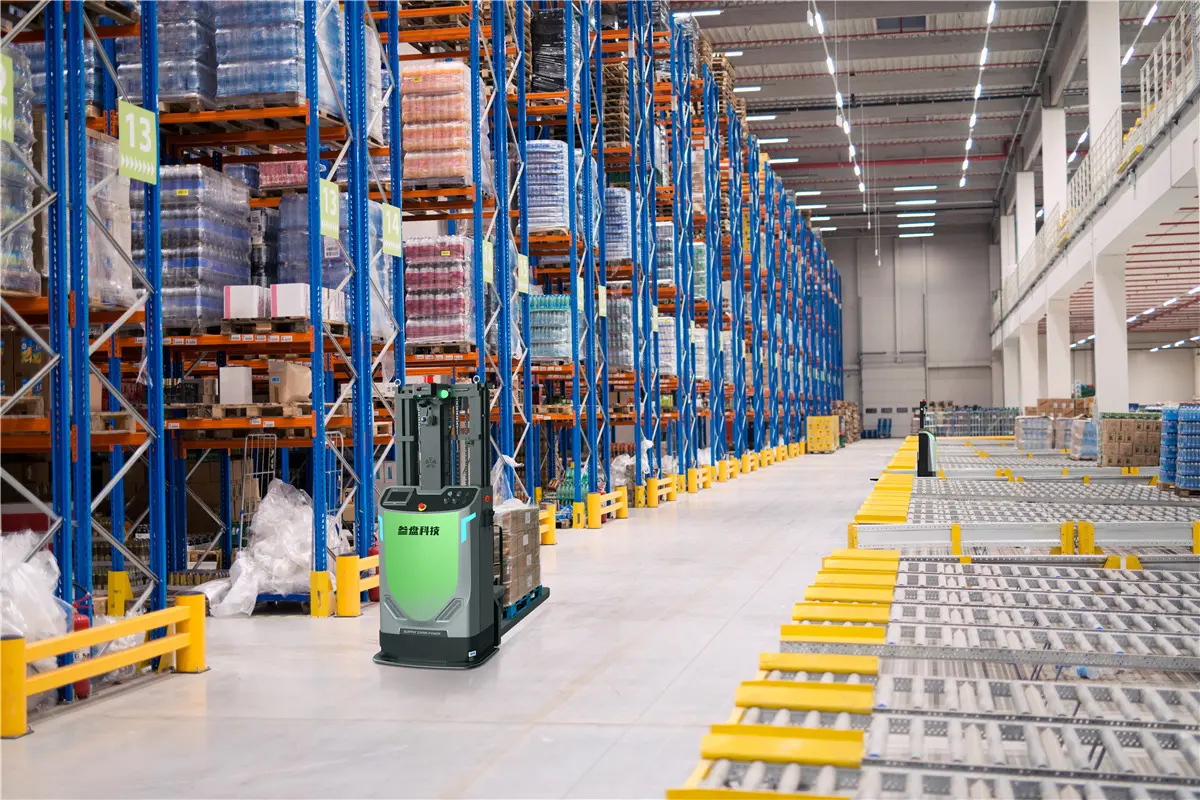
SCP Supply Chain Architecture diagram

Mission

Benefiting farmers and bringing welfare to consumers

Vision

Leading the technological upgrade of the supply chain and achieving extraordinary value for transformers

Positioning

Alliance of Developers of New Quality Supply Chain Technology

Our Strategic Capabilities

Providing specialized supply chain planning and logistics automation services backed by deep industry experience.

Industry Accumulation

As a subsidiary of New Hope Group, we maintain a strong market reputation and execution ability. Moreover, we have an in-depth understanding of multiple industries.

Business Comprehension

We were incubated based on the digital needs within the New Hope system, and have participated in many projects of the same type, giving us a deep understanding of actual business scenarios.

Self-developed System

We possess self-development and integration capabilities for various systems in procurement, sales, and supply, allowing us to meet the individual needs of different customers.

Consulting Ability

We provide light consulting services alongside project implementation, covering process optimization and assessment weight to assist customers in their digital transformation.

Implementation and Delivery

We have a professional delivery team for commercial projects. We respond to the personalized needs of customers and ensure fast, high-quality project delivery.

Sustainable Development Initiatives

How SCP integrates environmental, social, and technological sustainability into our long-term business strategy.

Technology Research and Development

In terms of technology research and development, SCP continues to increase its investment and optimize its hardware-software product architectures alongside the design of the supply chain control tower.

By strengthening the self-development and integration capabilities of systems in procurement, sales, and supply, we improve the technical level and competitiveness of our products and services. We build a solid foundation for the sustainable development of enterprises and the industry with leading technologies.

At the same time, we explore the application of cutting-edge technologies in the supply chain field, promote technology iteration, and maintain an active role in industry developments.
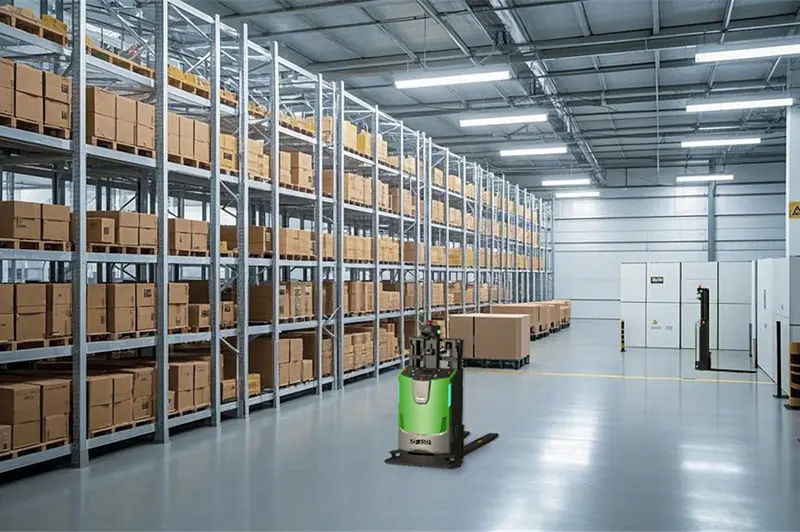
Technology Research and Development at SCP

🌿 Ecological Construction

Relying on the industrial resources and extensive business layout of Caogenziben, SCP explores the supply chain needs of multiple industries, such as food consumption, to design solutions for actual scenarios.

By supporting key links such as cold chain logistics, we help improve supply chain standardization and operational efficiency, aiding the collaborative development of the entire industrial chain.

In addition, we work with overseas partners, integrate international operational experiences, expand our presence in global markets, and build a supply chain technology ecosystem designed to be competitive internationally.
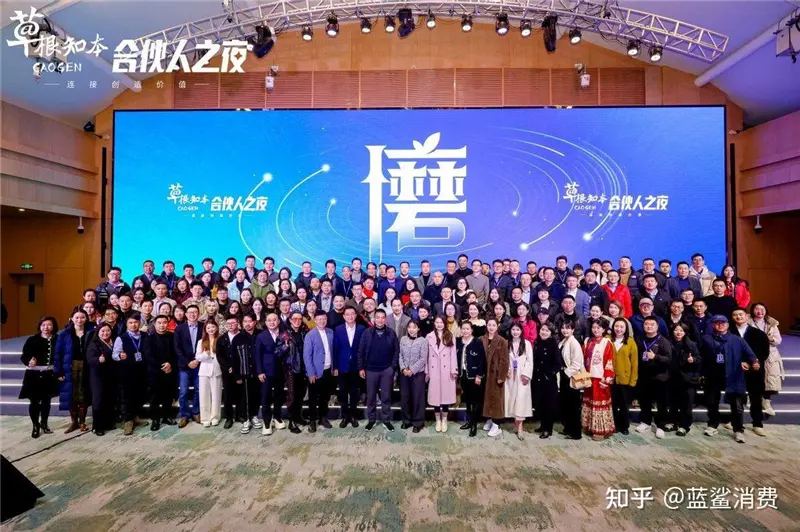
Ecological Construction and Partner Network

💡 Long-term Development Perspective

With the vision of "Leading the technological upgrade of the supply chain and achieving extraordinary value for transformers", SCP integrates the concept of sustainable development into its strategic planning and daily operations.

We focus on business growth while supporting the development of efficient, intelligent, and green industry supply chains. We build robust supply chain collaboration systems for future enterprise needs.

While pursuing sustainable development, we aim to create long-term value for society and support the advancement of the supply chain technology sector.
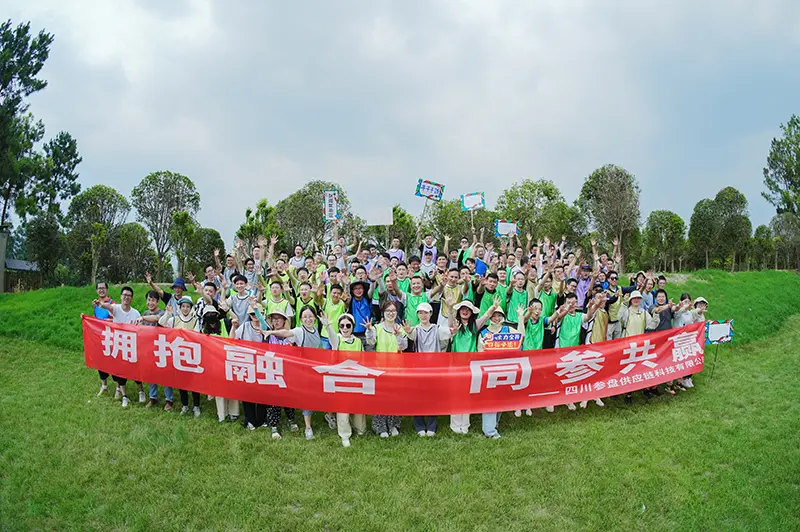
Long-term Development Perspective

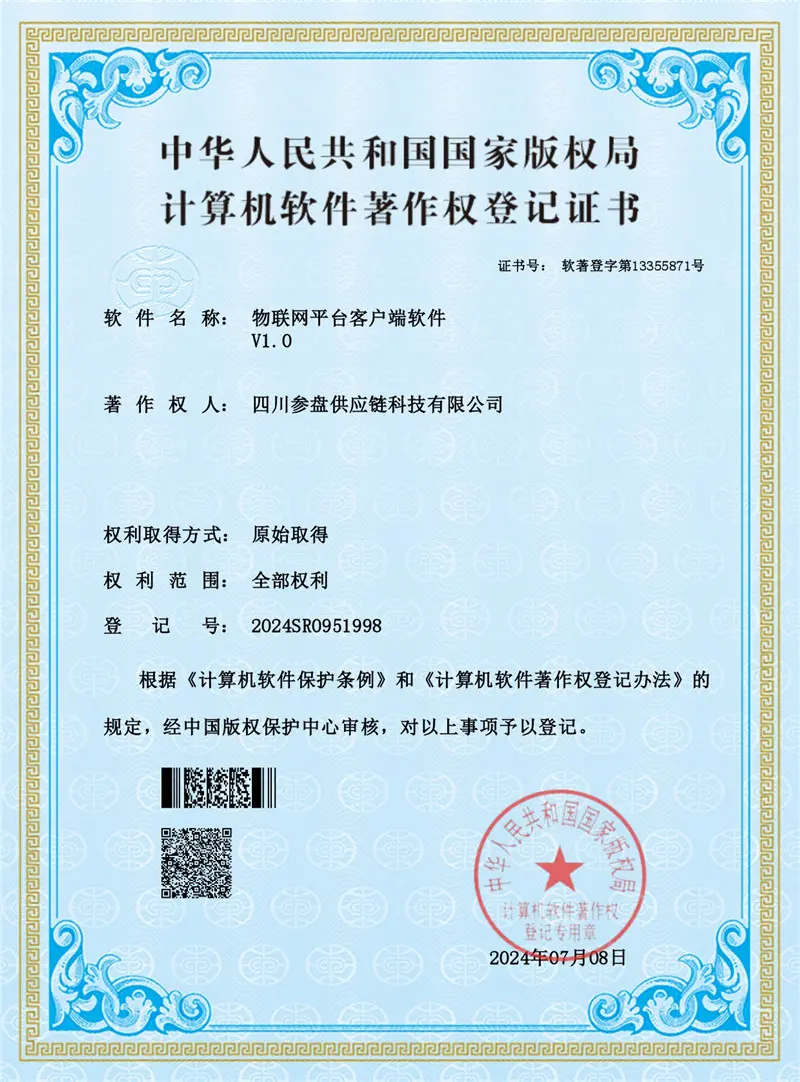
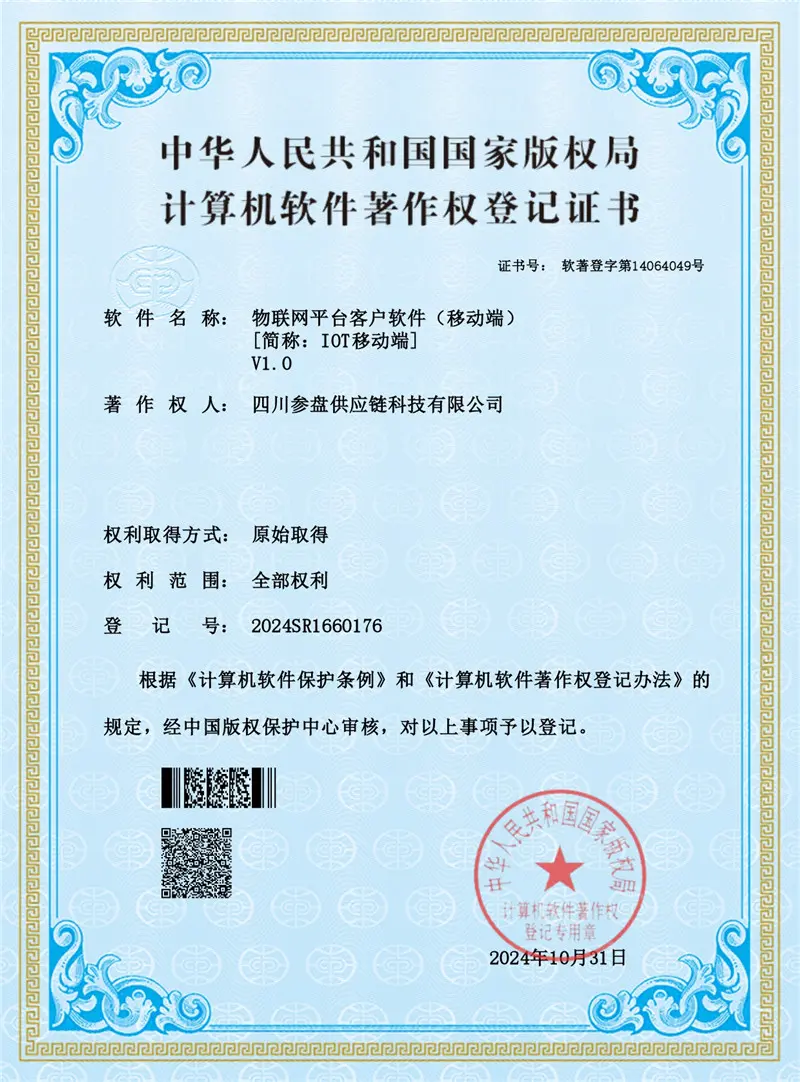
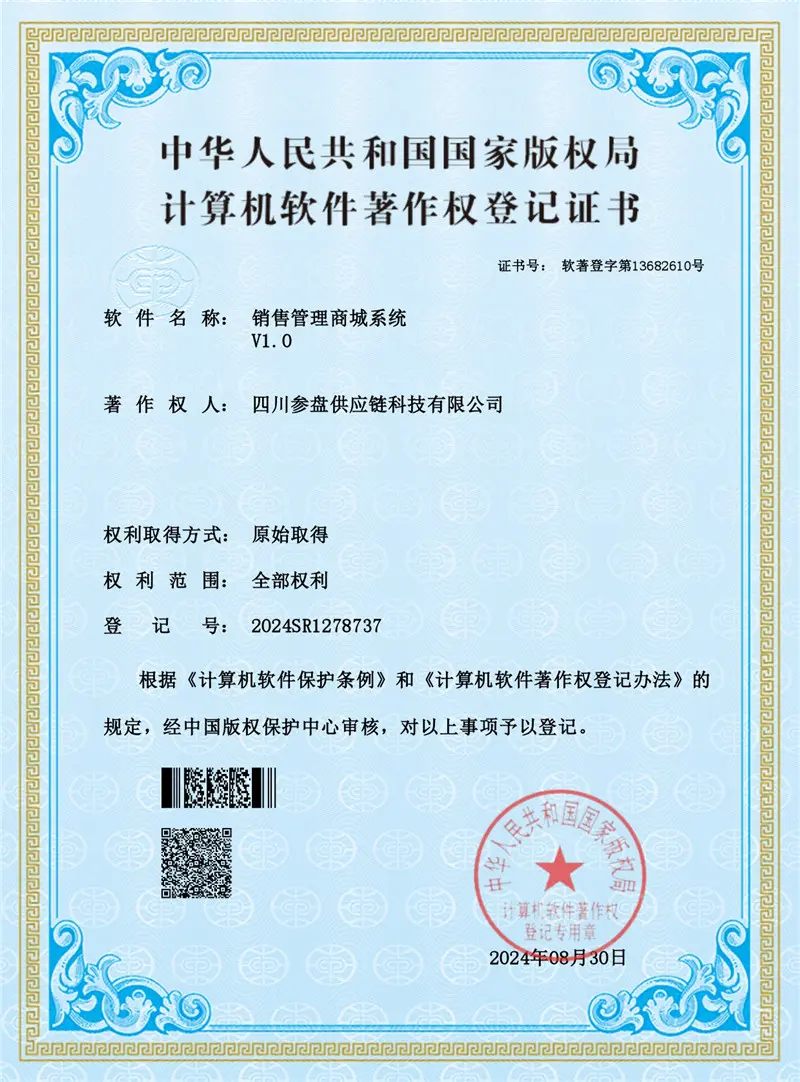
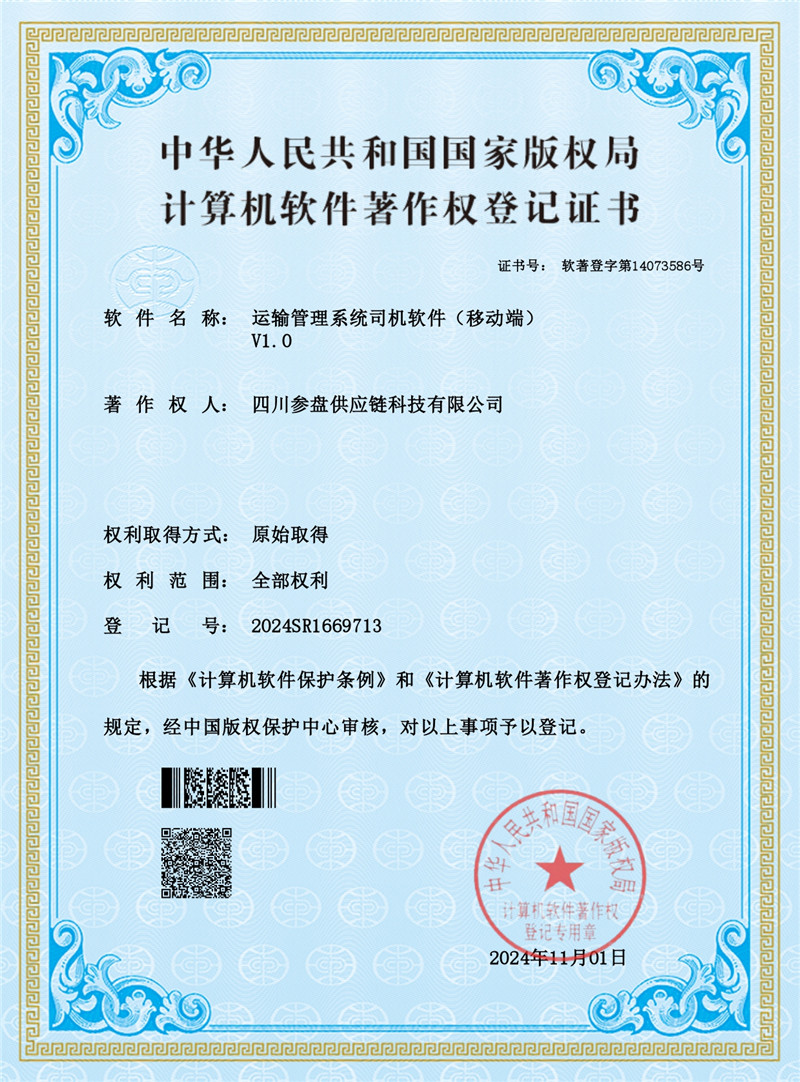
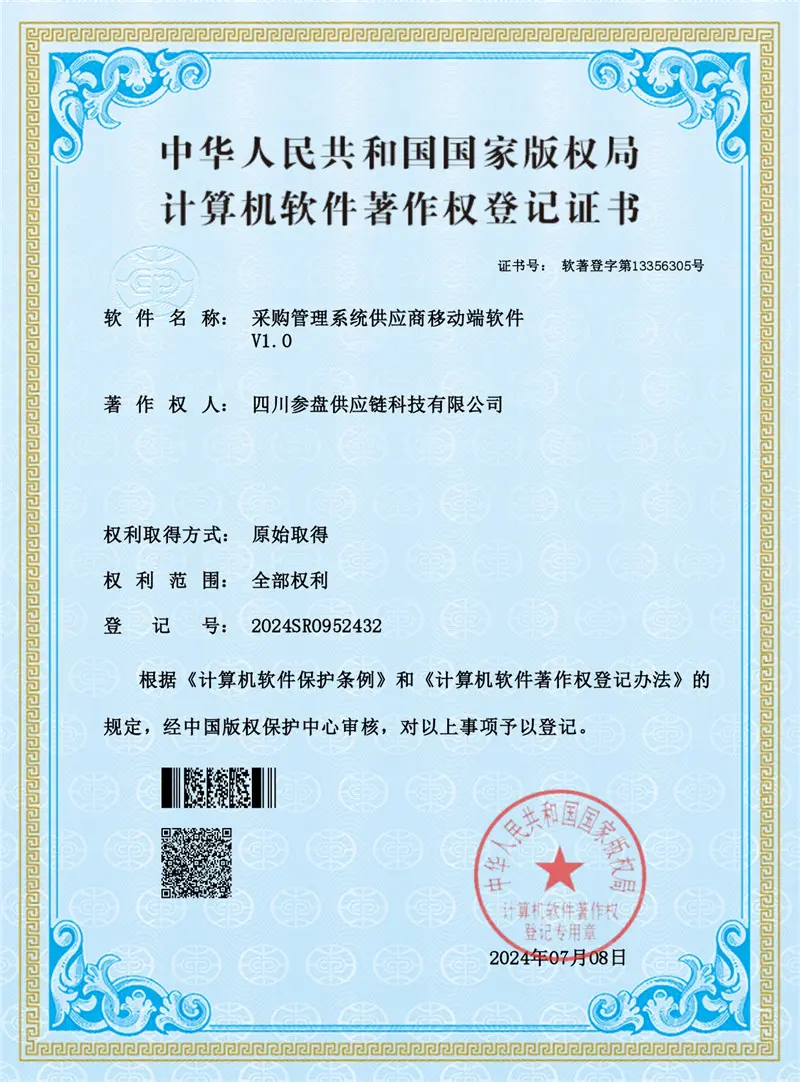
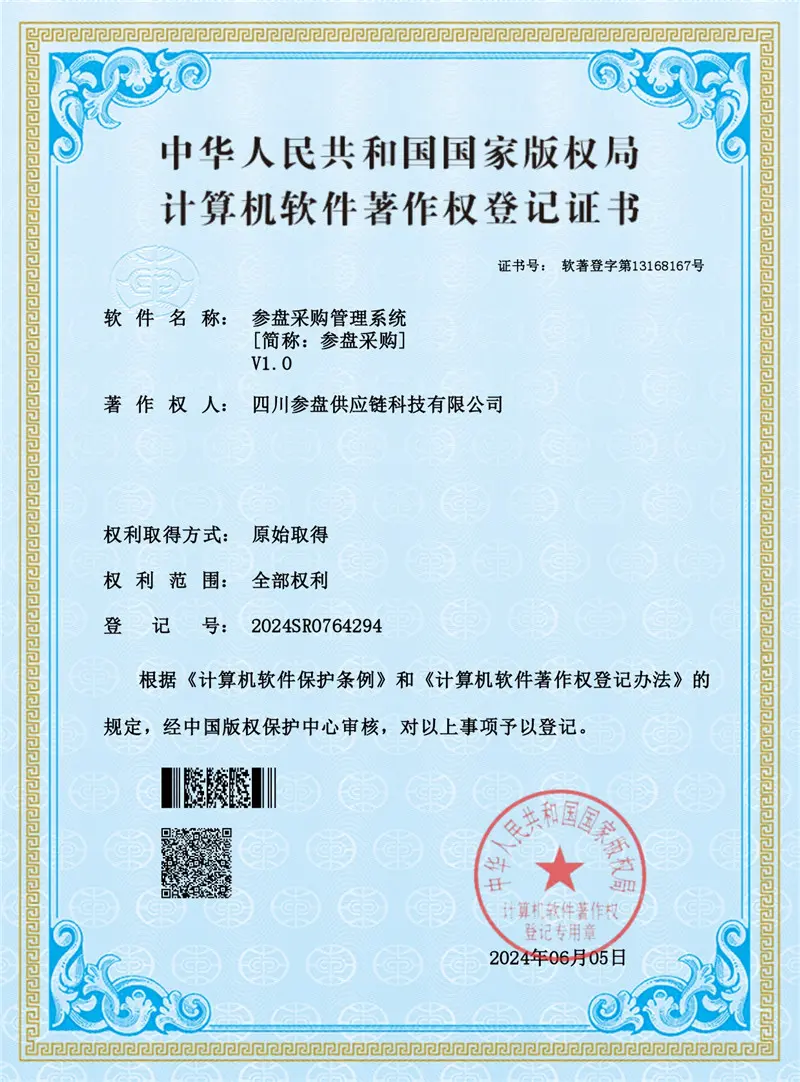
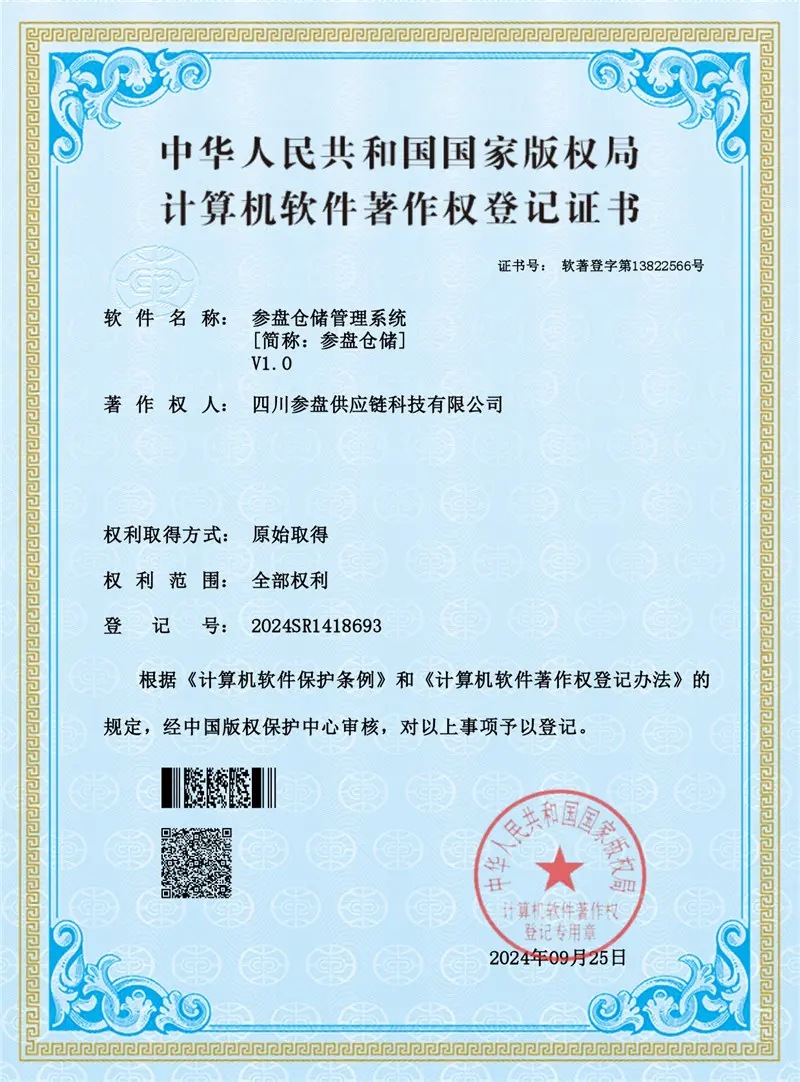
Our Certificates & Credentials

Demonstrating compliance with global quality, safety, and manufacturing standards.
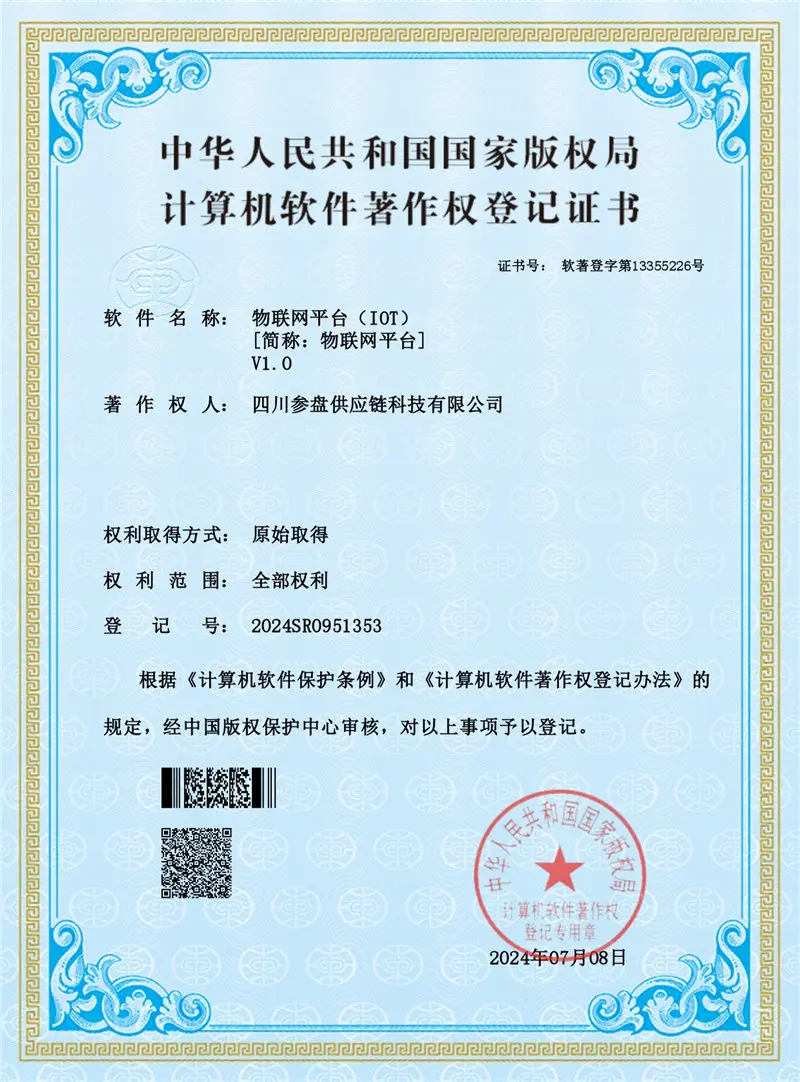
SCP Certificate 1
SCP Certificate 2
SCP Certificate 3
SCP Certificate 4
SCP Certificate 5
SCP Certificate 6
SCP Certificate 7
SCP Certificate 8

Expert Q&A: Robotic Palletizing Systems

Technical answers to common deployment, safety, and integration questions from procurement professionals.

Q1: What is the main operational difference between Laser SLAM navigation and traditional magnetic tape AGVs?
Traditional AGVs require physical paths like magnetic tapes or QR codes fixed to the warehouse floor. If you change your layout, you must rebuild the physical infrastructure. Laser SLAM (Simultaneous Localization and Mapping) uses onboard LiDAR to map the environment dynamically. This allows the forklift or robot to calculate routes on its own and navigate around obstacles without modifying your facility's floor.
Q2: How do your robotic palletizing systems handle narrow-aisle storage configurations?
We offer specialized models like the SFL-CDD14 and SFL-CDD15, which are engineered with compact chassis designs specifically for narrow-aisle warehouses. These systems use high-accuracy LiDAR mapping to operate safely in tight spaces, allowing facilities to increase storage density without sacrificing automated handling speed.
Q3: Can these mobile robots integrate with our existing WMS or ERP systems?
Yes. SCP systems feature API integration layers designed to connect with major warehouse management systems (WMS), enterprise resource planning (ERP) systems, and factory execution software. This connection allows the robots to receive material requests, coordinate tasks, and report inventory data automatically.
Q4: What is the payload capacity range of the SCP smart forklift lineup?
Our material handling options cover a wide range of payloads. For lighter applications, the SFL-300L supports up to 300kg. For mid-range industrial tasks, we offer models in the 1.4-ton to 2.0-ton range, such as the SFL-CDD14 and SFL-CBD20. For heavy industrial use, our SFL-CBD30 series handles loads up to 3 tons (3000kg).
Q5: How do the systems handle cold storage environments for food and beverage operations?
Backed by our experience under the New Hope Group, we supply modified components specifically for cold-chain facilities. These systems include features like condensation prevention systems, low-temperature batteries, and specialized lubricants to ensure reliable operation in sub-zero environments.
Q6: What safety features are integrated into the automated forklift systems?
Our automated forklifts feature 360-degree safety systems. These include safety LiDAR sensors, mechanical collision bumpers, emergency stop controls, and acoustic-optic warning signals. The systems are designed to detect obstacles, slow down, and stop automatically to protect personnel and equipment.
Q7: What is the typical battery lifespan and charging time for the mobile chassis?
Equipped with modern Lithium Iron Phosphate (LFP) batteries, our systems support fast opportunity charging. A typical unit can operate for 6 to 8 hours on a full charge and can be topped up during brief work breaks. The battery packs are rated for up to 3,000 charging cycles, providing long-term reliability.
Q8: How do we customize systems for unusual pallet dimensions or packaging types?
We provide custom engineering services during our consulting phase. Our engineers can design custom fork dimensions, specialized clamp systems, or specific end-of-arm tooling to handle unusual pallet designs, drums, or bulk containers.