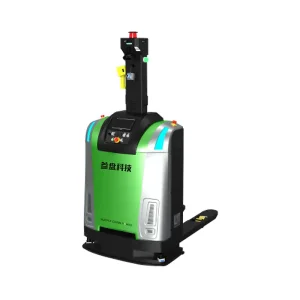
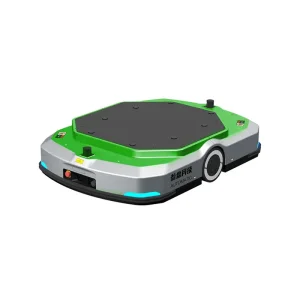
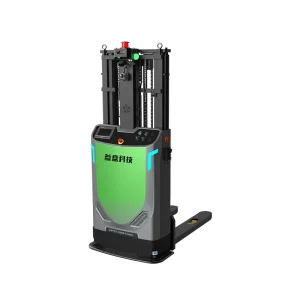
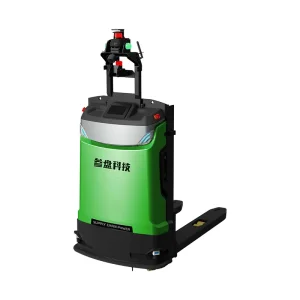
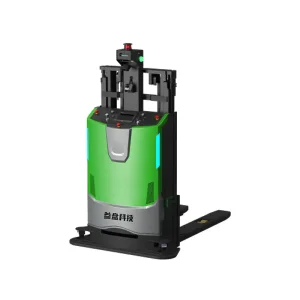
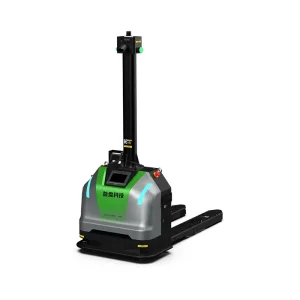
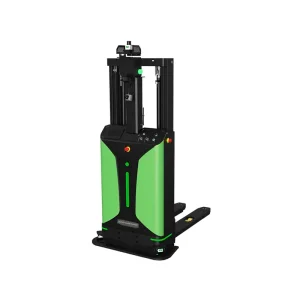
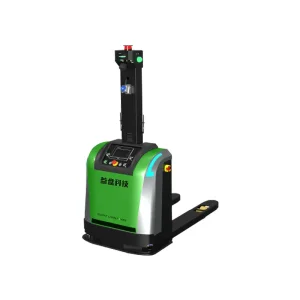
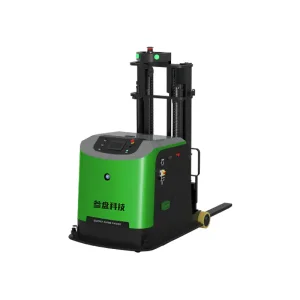
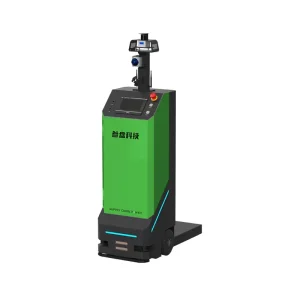
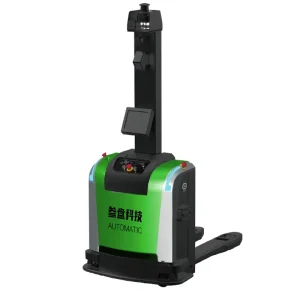
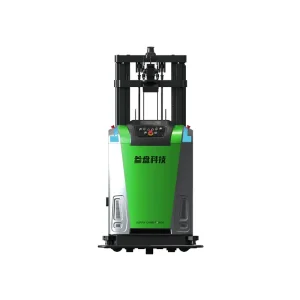
In the rapidly evolving landscape of material handling automation, selecting the appropriate navigation methodology is critical for achieving optimal throughput, safety, and total cost of ownership (TCO). While newer methods like Laser SLAM (Simultaneous Localization and Mapping) and visual guidance are expanding rapidly, Magnetic Tape Navigation remains a highly robust, reliable, and cost-effective standard for countless warehouse and manufacturing workflows.
Operating through a continuous path of magnetic tape affixed to the facility floor, this system provides highly deterministic routing. It is immune to environmental lighting changes, dust, and visual obstructions that can often degrade the performance of optical or LiDAR-based sensors. For organizations requiring repetitive, high-frequency, point-to-point transfers along fixed pathways, magnetic navigation delivers unmatched operational stability.
Leading global manufacturers and factories leverage magnetic tape navigation systems in combination with hybrid tracking systems. By integrating digital markers, RFID tags, or auxiliary SLAM systems, modern Automated Guided Vehicles (AGVs) can cross-reference physical magnetic paths with virtual maps. This approach ensures maximum spatial accuracy and redundancy in critical operating zones.
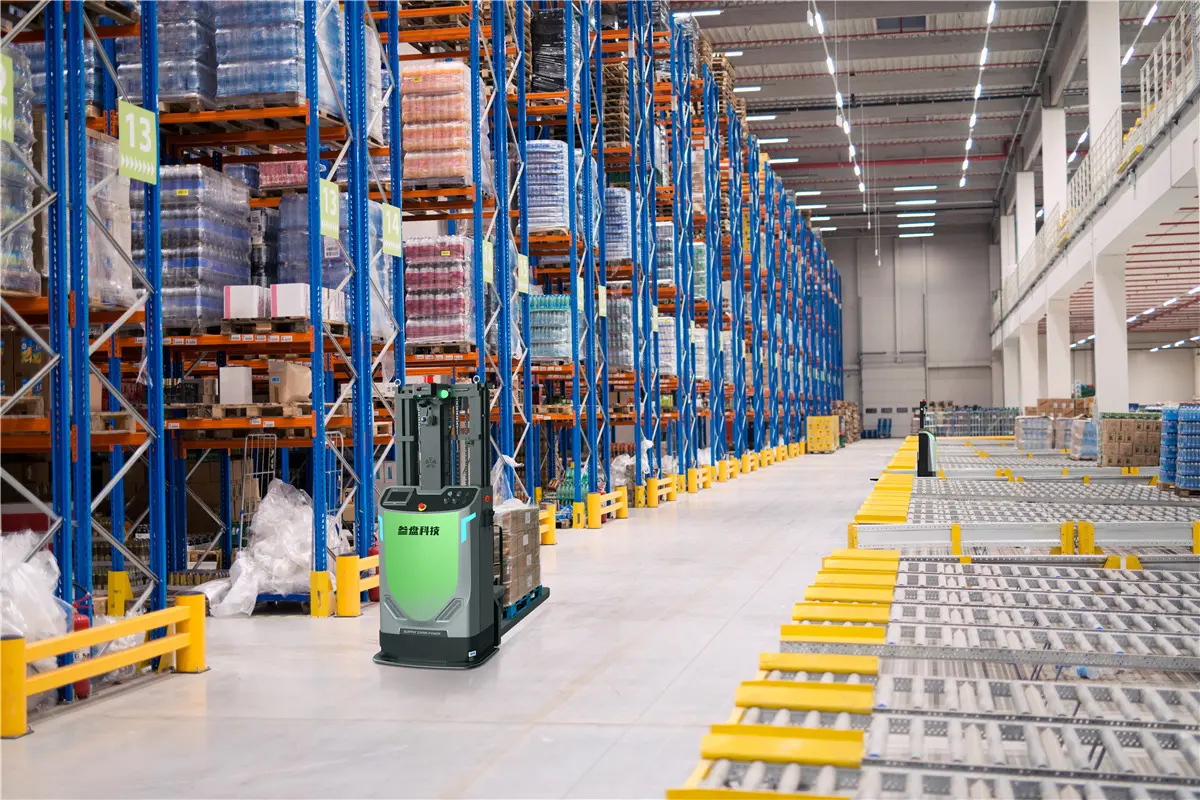
As manufacturing entities across the Americas, Europe, and Asia transition towards Industry 4.0 paradigms, procurement directors prioritize specific capabilities when choosing a magnetic navigation partner.
Global buyers require modular platforms that adapt to fluctuating production lines. From lightweight chassis components to high-capacity heavy forklift variants, vehicles must dynamically configure navigation parameters to match varied floor conditions.
Industrial safety remains a primary concern. Enterprise-grade AGVs require advanced safety scanners, dynamic obstacle detection sensors, and certified emergency stop integration to comply with strict international regulatory directives.
Modern setups rarely rely on a single tracking method. The integration of Laser SLAM alongside magnetic tape systems offers a redundant layout, ensuring robots safely bypass obstacles and seamlessly reacquire primary guiding tracks.
Building on modern commercial requirements, SCP (Supply Chain Planning / Smart Control Platform) is dedicated to optimizing and transforming enterprise-wide logistics. We provide companies with end-to-end supply chain integration, deploying multi-role and multi-dimensional intelligent coordination architectures to optimize workflows and reduce cycle times.
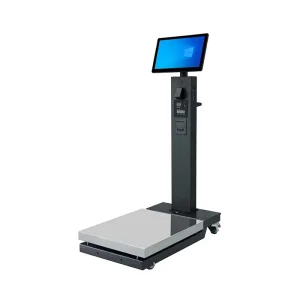
Today, SCP has successfully built an ecosystem backed by tight software-hardware integration. By combining physical automated hardware (such as AGVs, smart forklifts, and floor scales) with cloud-based control towers, we build agile, flexible, and resilient operational pathways. This ecosystem helps organizations optimize floor resources, lower material transport delays, and maintain real-time visibility across internal logistics networks.
By designing platforms around actual operations, we help businesses transition from static scheduling to responsive, event-driven execution models. This approach reduces overall warehouse congestion and boosts productivity.
Benefiting farmers and bringing welfare to consumers. We leverage automation technology to bridge rural sourcing networks with modern industrial processes, ensuring reliable and sustainable food value chains.
Leading the technological upgrade of the supply chain. We aim to create exceptional value for businesses undergoing digital and automated transformations worldwide.
Alliance of Developers of New Quality Supply Chain Technology. Building shared, high-efficiency logistics ecosystems using open-source, scalable architectures.
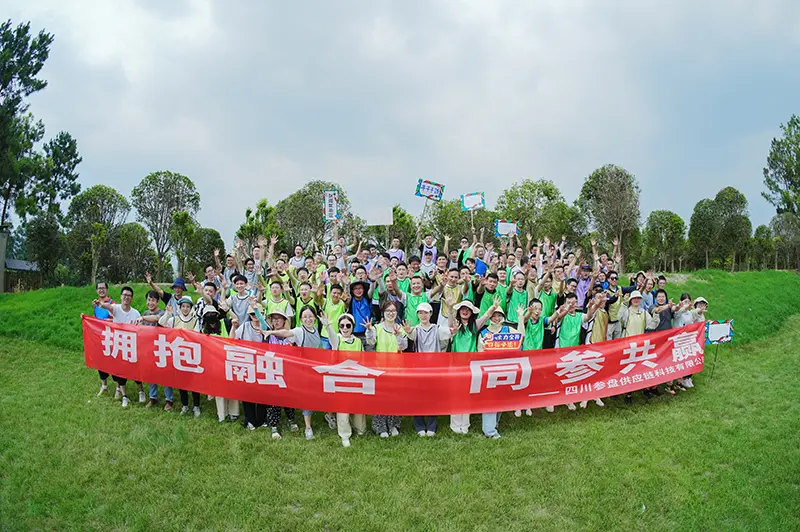
As a subsidiary of New Hope Group, we possess an established market reputation, strong execution capabilities, and a deep understanding of multi-industry manufacturing and processing requirements.
Incubated specifically to address the digital needs within the New Hope system, we have designed solutions for complex logistics scenarios, ensuring our platforms fit real-world requirements.
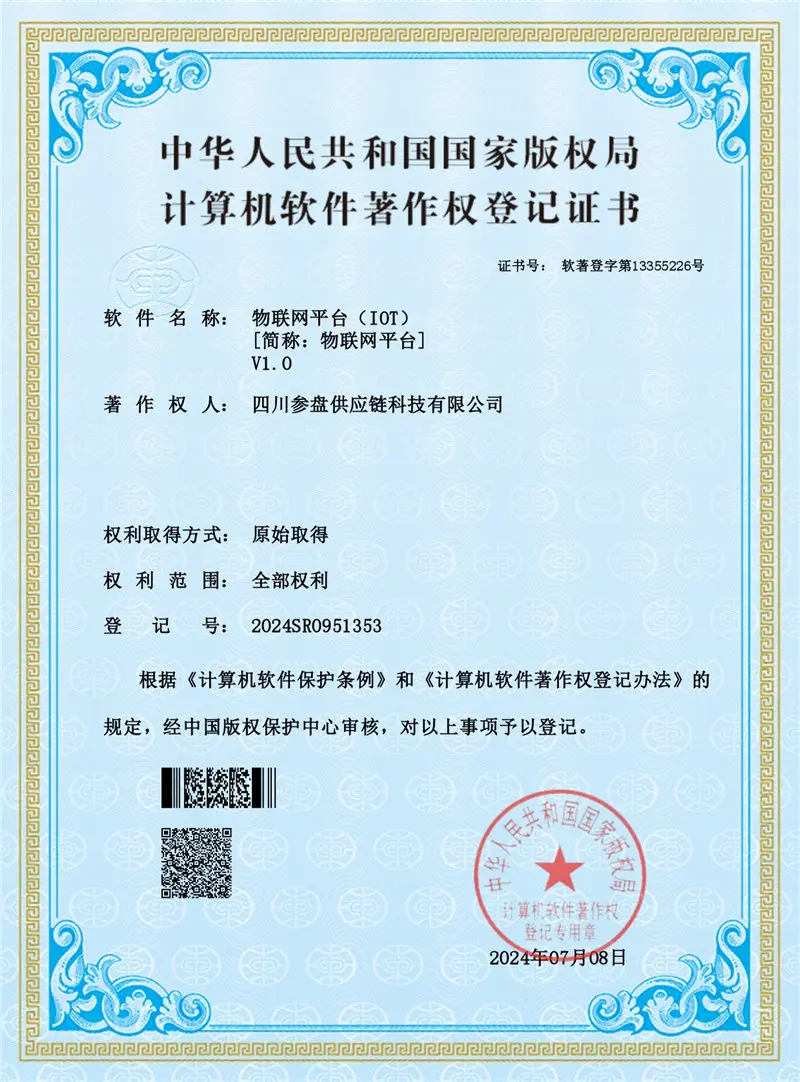
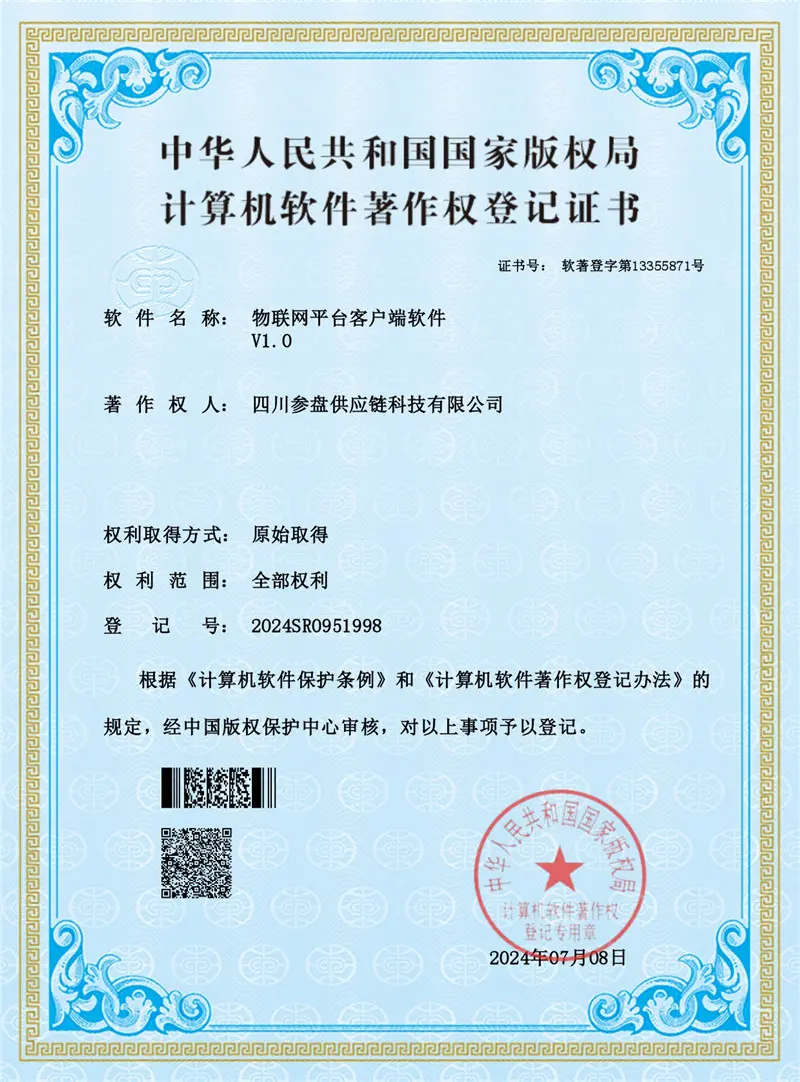
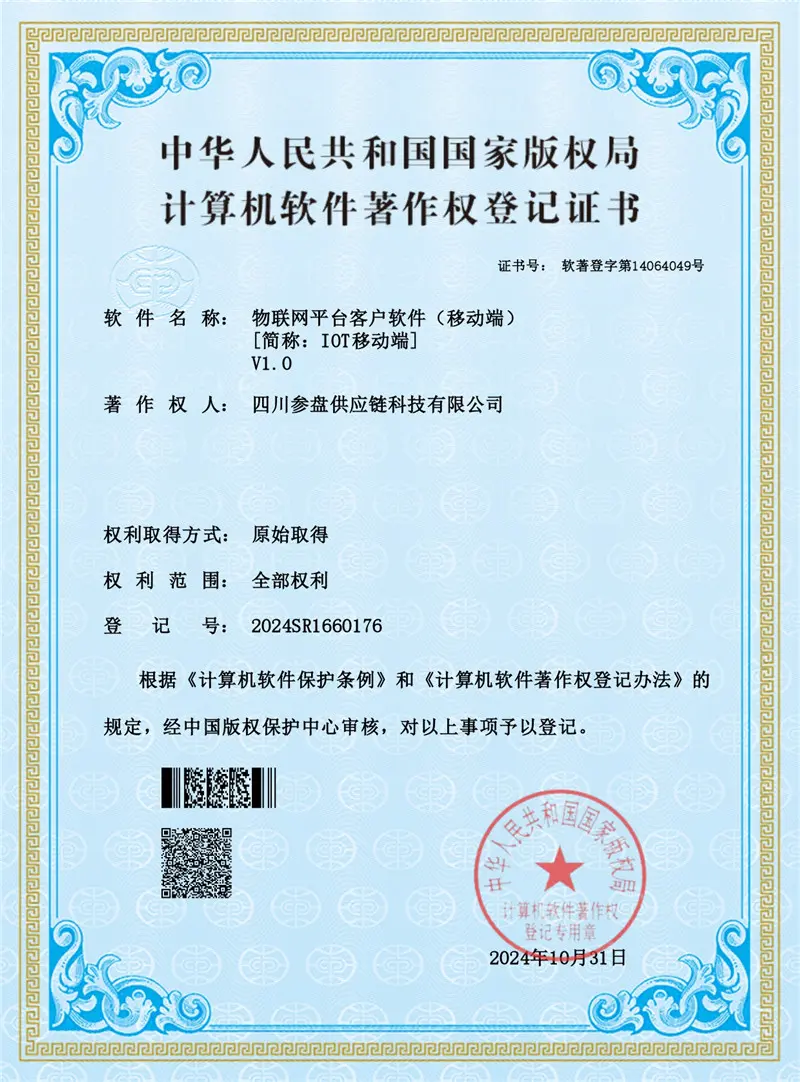
We maintain full design ownership and integration capabilities across software and hardware—including procurement, storage, and sales tools—allowing us to tailor systems to unique client workflows.
Alongside project execution, we provide light consulting services, guiding clients through workflow optimization, layout design, and operational metric definition to support their digital transformation.
Our dedicated delivery teams manage site configuration, sensor tuning, and software integration to ensure timely project handovers and fast ramp-up times.
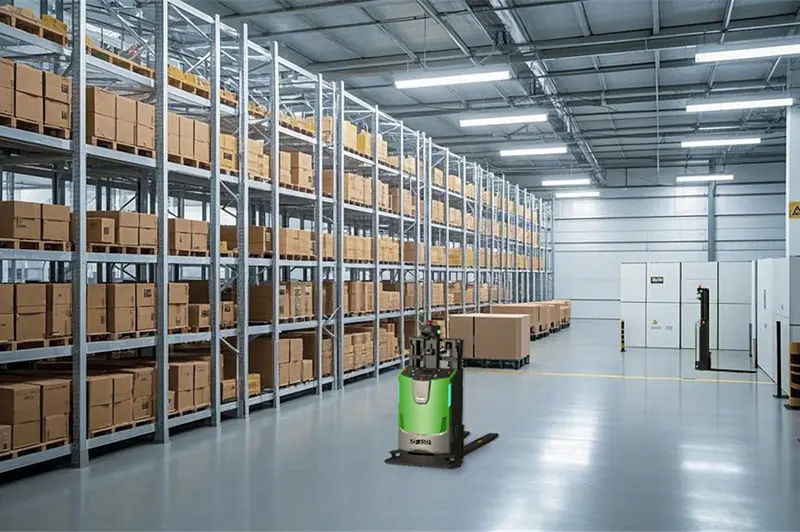
We continue to invest in expanding our hardware and software capabilities. By focusing on smart integration, sensor communication protocols, and cloud scheduling, we provide systems that scale alongside changing customer needs.
Our current development efforts focus on hybrid navigation modules. These modules combine the reliable tracking of magnetic tape with the flexibility of LiDAR-based systems, offering warehouses a gradual path to full automation.
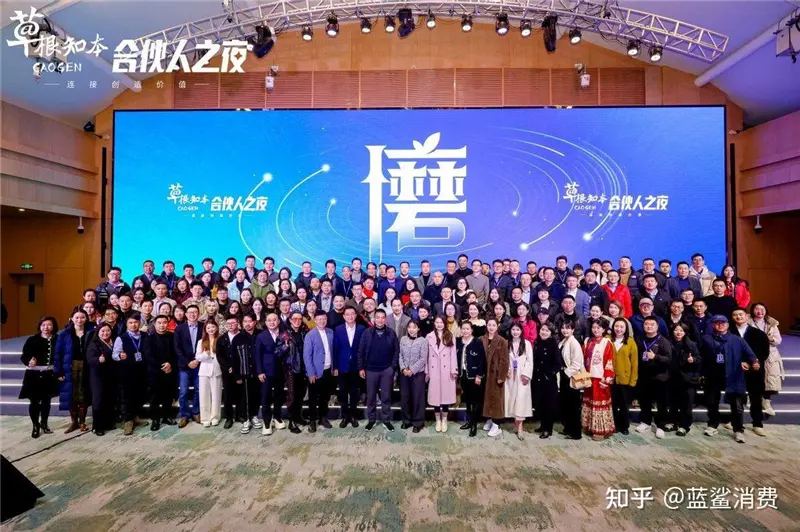
Leveraging the resources of Caogenziben, SCP develops supply chain solutions tailored for demanding sectors like food processing and cold-chain logistics.
We collaborate with international technology partners to incorporate reliable hardware components, safety sensors, and software tools. This global integration helps us deliver compliant, high-performing fleets for diverse operational environments.
We work to integrate sustainability into both our products and daily operations. By design, our AGVs optimize energy consumption through regenerative braking and smart battery charging systems, reducing overall energy draw in high-throughput facilities.
Through long-term system design and modular component construction, we extend the service life of our systems. This approach reduces electronic waste and keeps customer warehouse setups productive for years to come.
SCP provides end-to-end software and hardware systems designed for food logistics and temperature-controlled environments. By combining Internet of Things (IoT) sensors, machine learning models, and automated mobile robots, we build tracking and transport paths that protect product quality.
Our solutions integrate directly with warehouse control software, allowing automated forklifts to retrieve loads based on temperature profiles, batch ages, and shipping priorities. This approach ensures consistent stock rotation and high throughput.

 SCP
SCP