Explore our high-performance solutions for automatic material handling and industrial weighing integration.
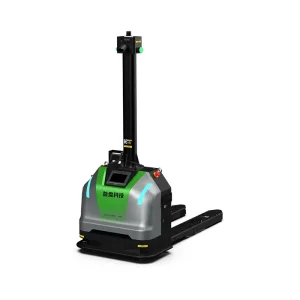
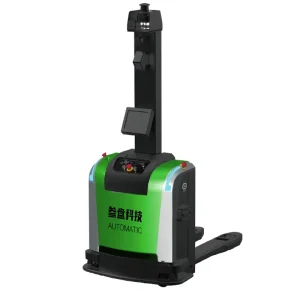
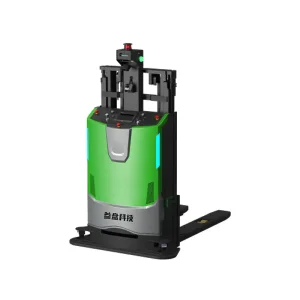
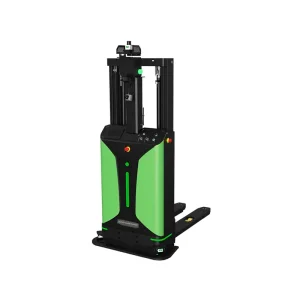
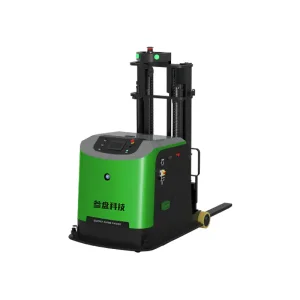
In the era of Industry 4.0, warehouse and manufacturing facilities are facing unprecedented headwinds—ranging from severe labor shortages and soaring real estate costs to strict occupational safety regulations. Consequently, global enterprises are transitioning from manual transport operations to automated systems. The choice between Automated Guided Vehicles (AGVs) and Laser Guided Vehicles (LGVs) represents one of the most critical decisions for modern operations managers.
Traditional AGVs often rely on physical path infrastructure, such as magnetic tape, optical lines, or inductive wires embedded in the floor. While highly reliable for fixed, unchanging workflows, they struggle with spatial flexibility. In contrast, modern LGVs and advanced Laser SLAM (Simultaneous Localization and Mapping) Forklifts utilize advanced light detection and ranging (LiDAR) sensors. They map surrounding architectural features in real-time, matching natural landscape cues or utilizing high-precision reflectors to calculate coordinate vectors with millimeter accuracy.
"By removing physical guidance lines, modern Laser SLAM and LGV setups cut integration timelines by up to 70%, allowing warehouses to modify routes on-the-fly via software instead of concrete reconstruction."
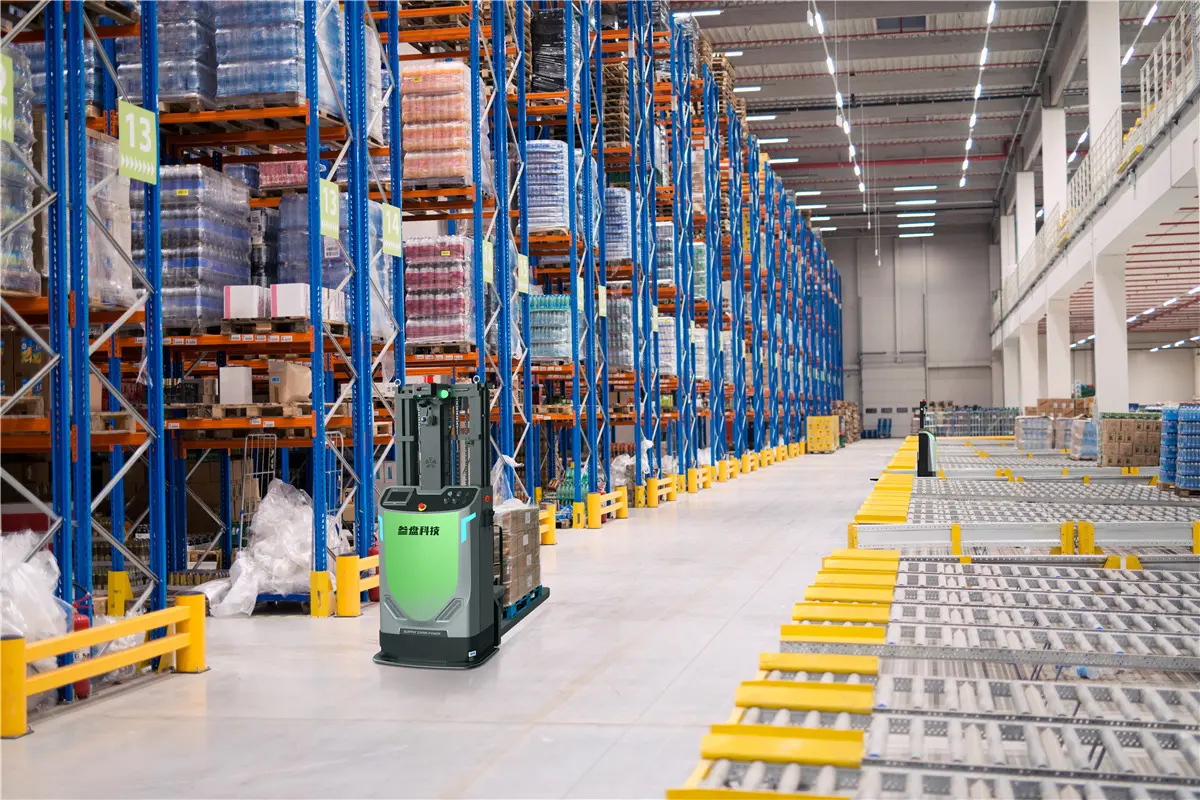
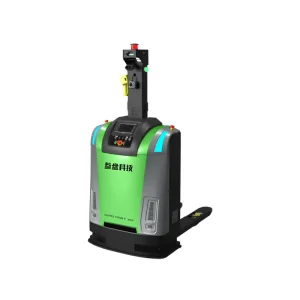
Our solutions target these specific industrial needs, matching global quality benchmarks while delivering hardware versatility. From high-capacity counterbalanced units to narrow-aisle stackers, our industrial vehicles navigate tight facilities securely and autonomously.
Maximum Handling Capacity
Laser SLAM Precision Navigation
Continuous Battery Autonomy
Digital Control Integration
Why procurement officers choose Chinese high-tech manufacturers for long-term automation roadmaps.
Global businesses require custom handling capacities, specialized attachment clamps, and complex mast builds. Chinese manufacturing hubs utilize highly modular frameworks, allowing fast mechanical adjustments without extensive re-engineering.
Hardware without sophisticated scheduling is inefficient. Leading suppliers deliver full fleet management software (FMS), warehouse control systems (WCS), and physical vehicles that interface with existing Enterprise Resource Planning (ERP) databases.
Operating under the China 4.0 strategy, factories benefit from a localized ecosystem of lidar providers, controller factories, and battery pack makers. This density keeps operations running smoothly despite global shipping delays.
A Strategic Advantage: Buying from established suppliers means procuring not just a piece of mobile metal, but gaining access to a highly optimized supply chain that delivers high availability, quick turnaround times, and extensive spare parts support.
Discover the organizational architecture, values, and strategic alignment of SCP.
Taking actual business needs as our cornerstone, SCP is committed to comprehensively innovating and enhancing the overall supply chain planning of modern enterprises. We provide organizations with comprehensive, end-to-end supply chain solutions, build multi-role and multi-dimensional intelligent supply chain collaboration systems, and achieve all-round efficient coordination and process optimization.
At present, SCP has established a robust product architecture supported by software and hardware, supplemented by the top-level design of the supply chain control tower. Together, these technologies create agile, flexible, and resilient supply chain frameworks for fast-growing businesses globally.
How we translate industrial expertise into measurable operational advantages.
As a subsidiary of New Hope Group, we have a strong market reputation and proven execution capabilities. Moreover, we maintain an in-depth understanding of logistics workflows across multiple industries.
We were incubated based on the internal digital needs of the business divisions within the New Hope system. Having participated in numerous large-scale deployments, we have a deep understanding of actual business scenarios and requirements.
We possess self-development and integration capabilities for various systems in procurement, sales, and supply. We can easily customize software layers to meet the individual needs of different customers.
We provide light consulting services alongside projects, covering multiple dimensions such as process optimization and assessment weights, to assist customers in their digital transformation journeys.
We maintain a professional delivery team for commercial projects. We respond dynamically to custom configurations and ensure fast, high-quality deployments that match customer requirements.
Supported by Internet of Things (IoT) AI, machine learning, and automated devices, we improve operational efficiencies across upstream and downstream logistics channels.
Our long-term developmental outlook focuses on technology research, green ecology, and persistent value creation.
SCP continues to increase its investment in technology R&D, constantly optimizing the product architecture supported by integrated hardware and software. By strengthening our self-development capabilities in procurement, sales, and supply, we improve the competitiveness of our products and services.
At the same time, we actively explore the application of cutting-edge technologies in the supply chain field, promote technological iterations, and maintain a leading position in the logistics industry.
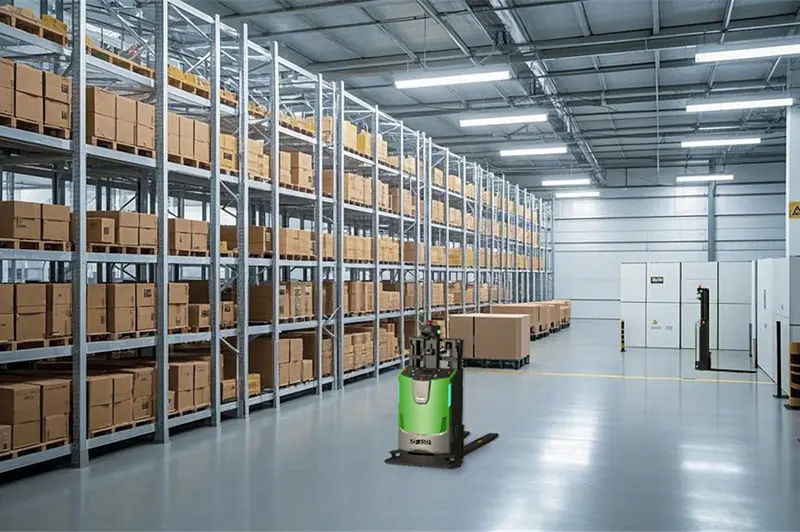
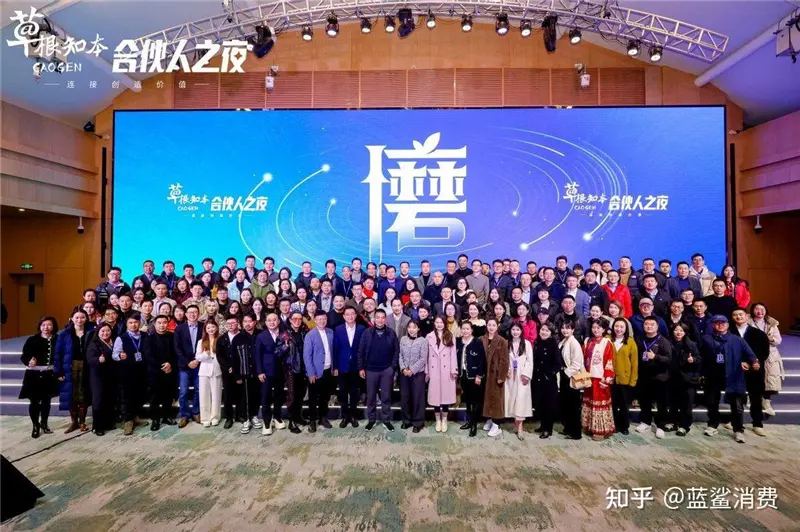
Relying on the rich industrial resources of Caogenziben, SCP explores the supply chain needs of multiple industries, such as food consumption, and creates solutions suitable for complex, real-world scenarios.
By empowering key links such as cold chain logistics, we promote standardized management and efficiency improvements. We also cooperate with overseas partners to absorb international experience and build a supply chain technology ecosystem with global competitiveness.
With our core vision of leading the technological upgrade of the supply chain, SCP integrates sustainable development concepts into daily corporate strategy. We focus not only on profitability, but also on promoting green, intelligent, and efficient practices across the wider industry.
While achieving our sustainable growth targets, we focus on creating value for society, establishing a reliable foundation for modern industrial supply chains.
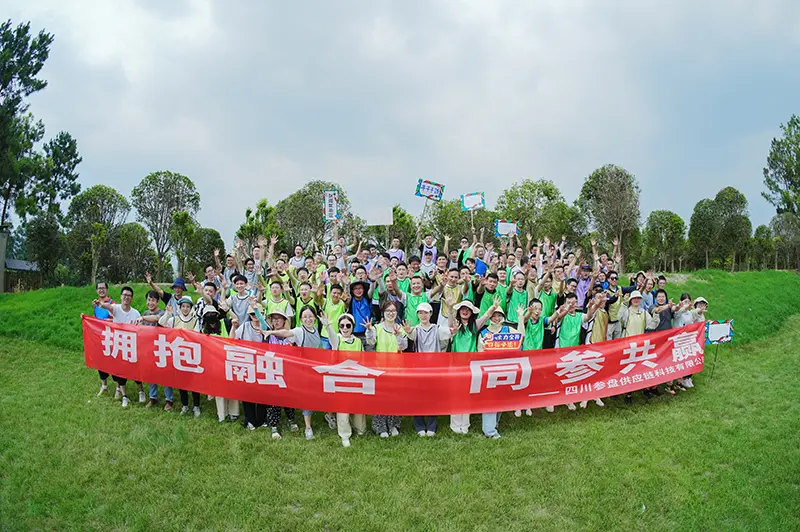
Compliance, safety, and quality control systems verified by third-party inspection firms.
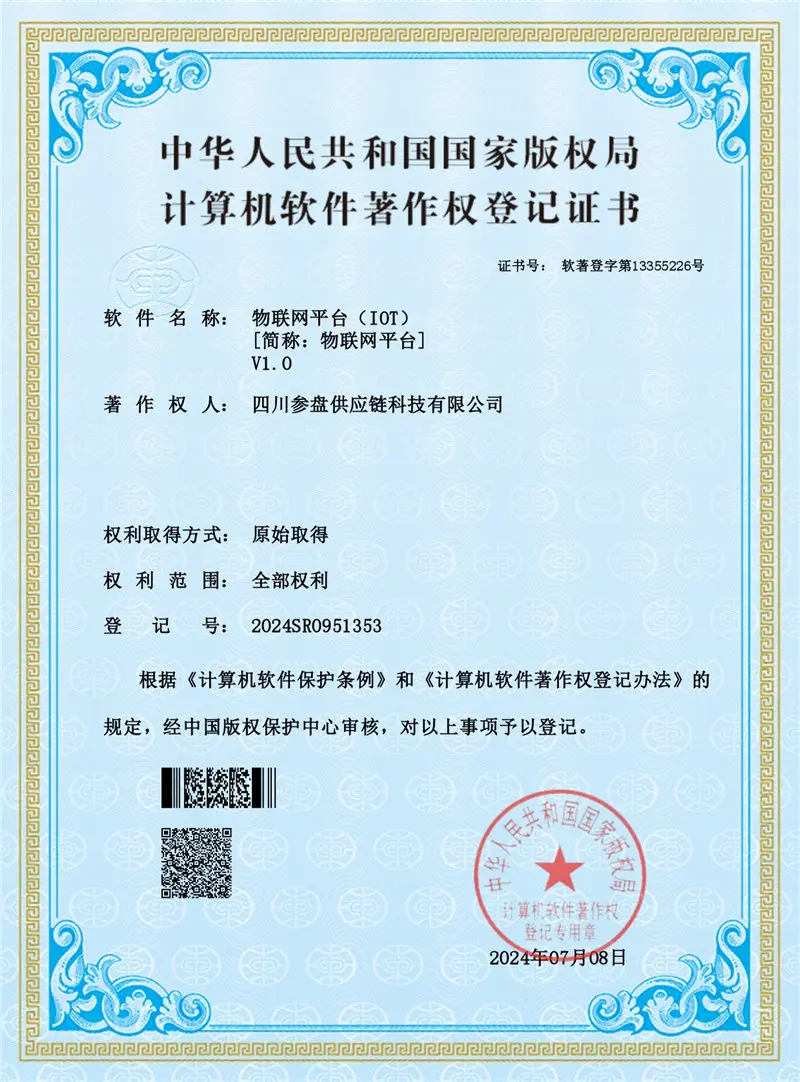
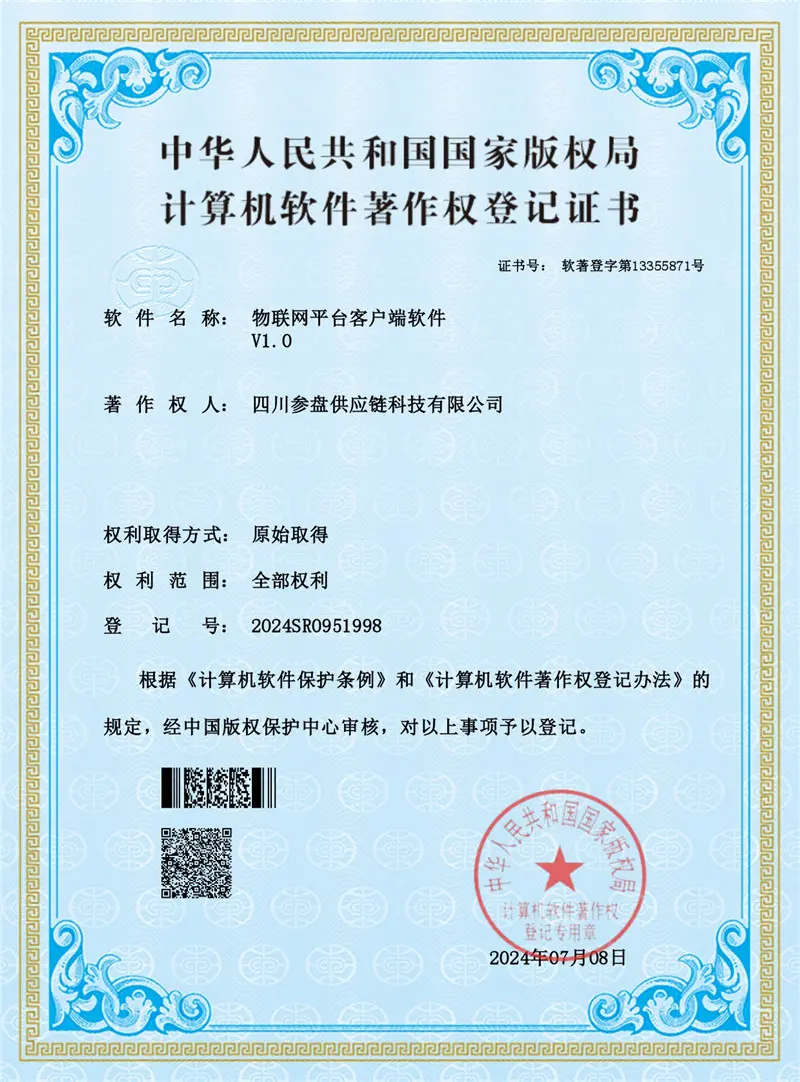
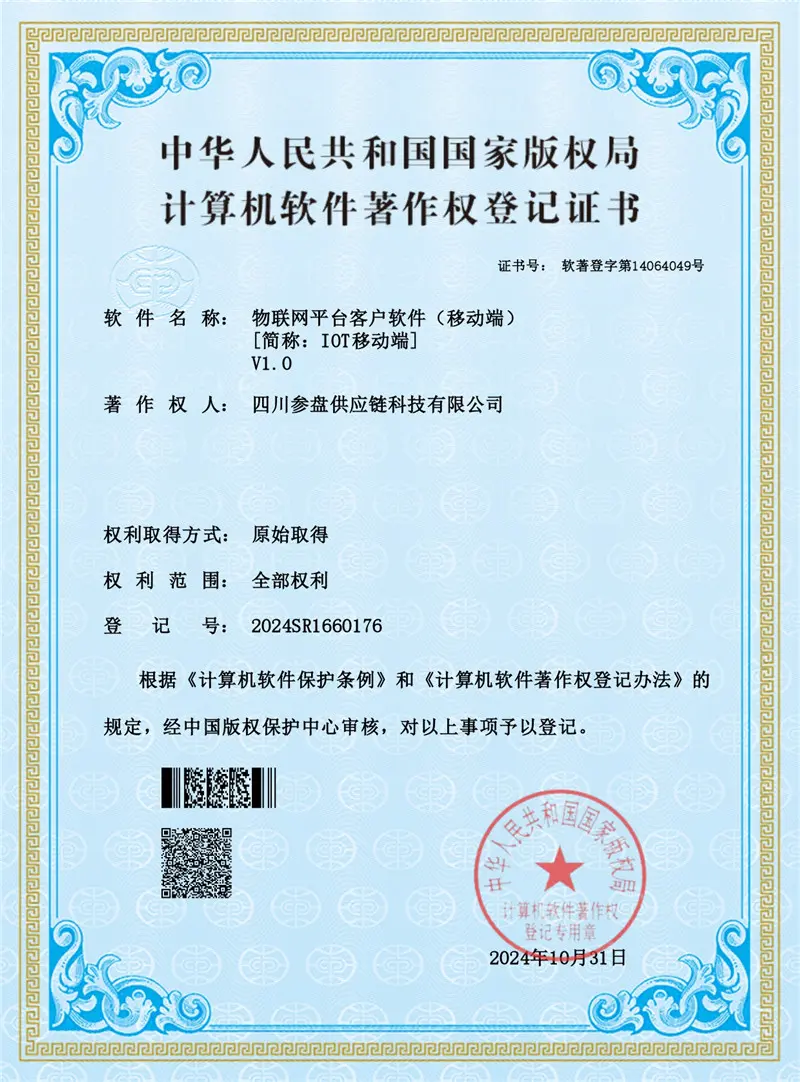
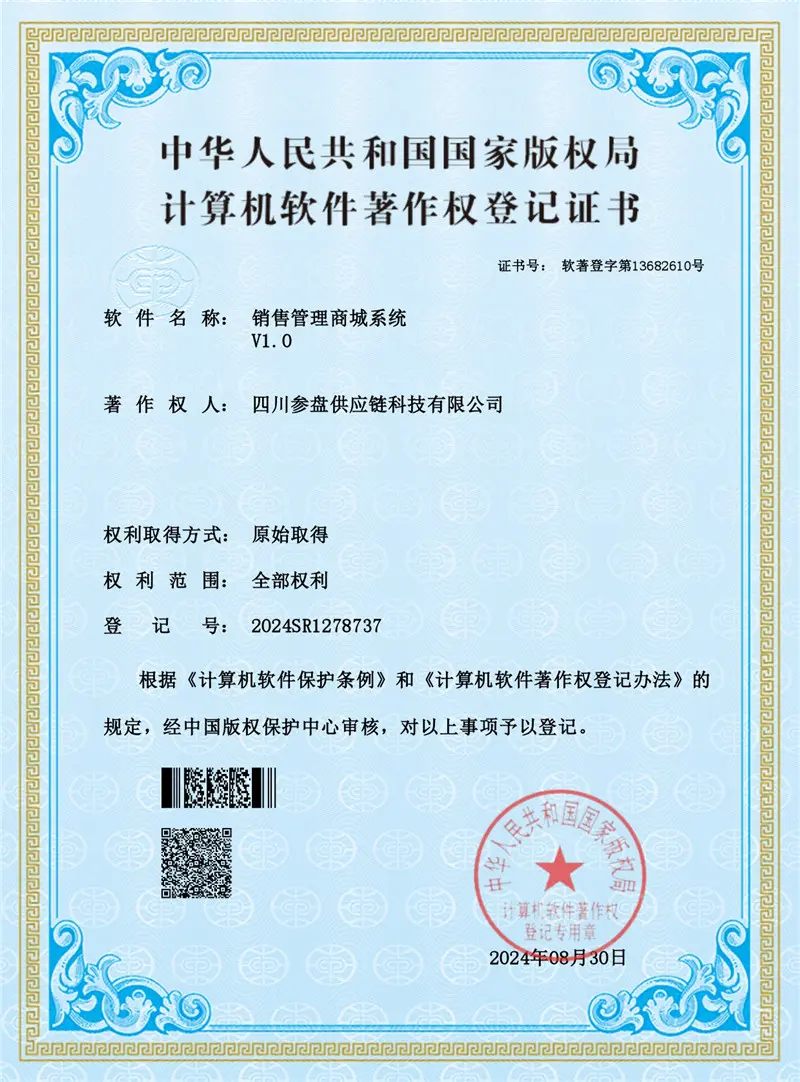
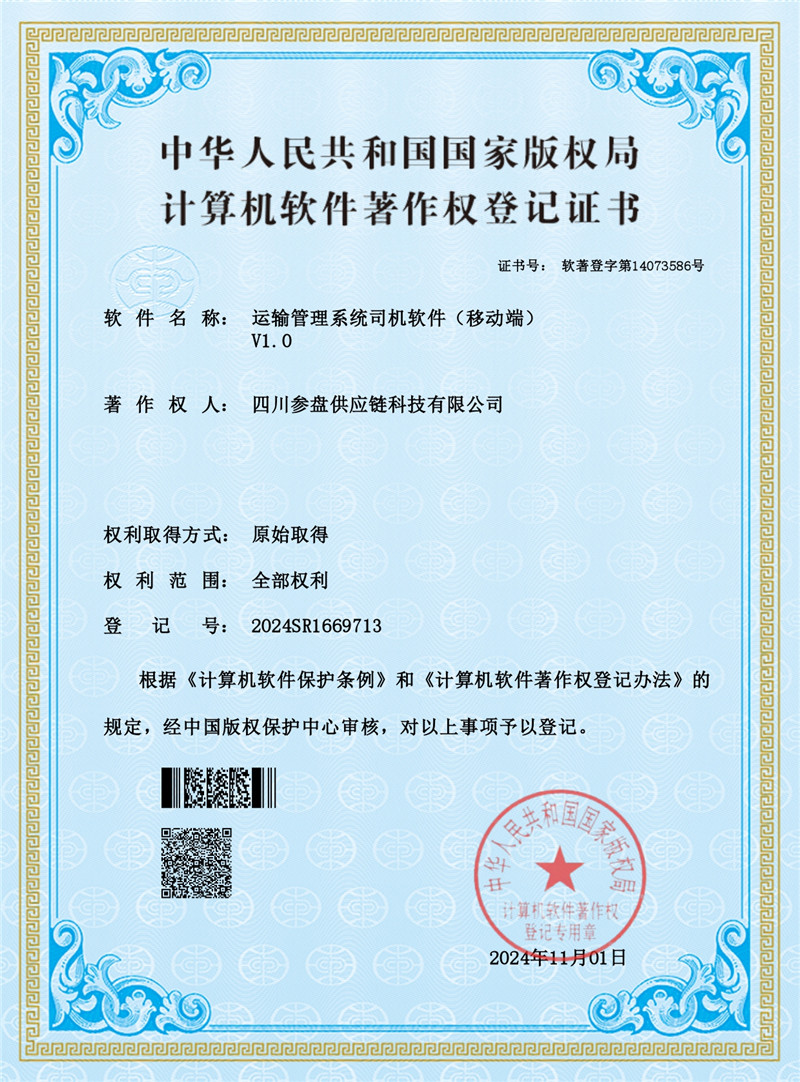
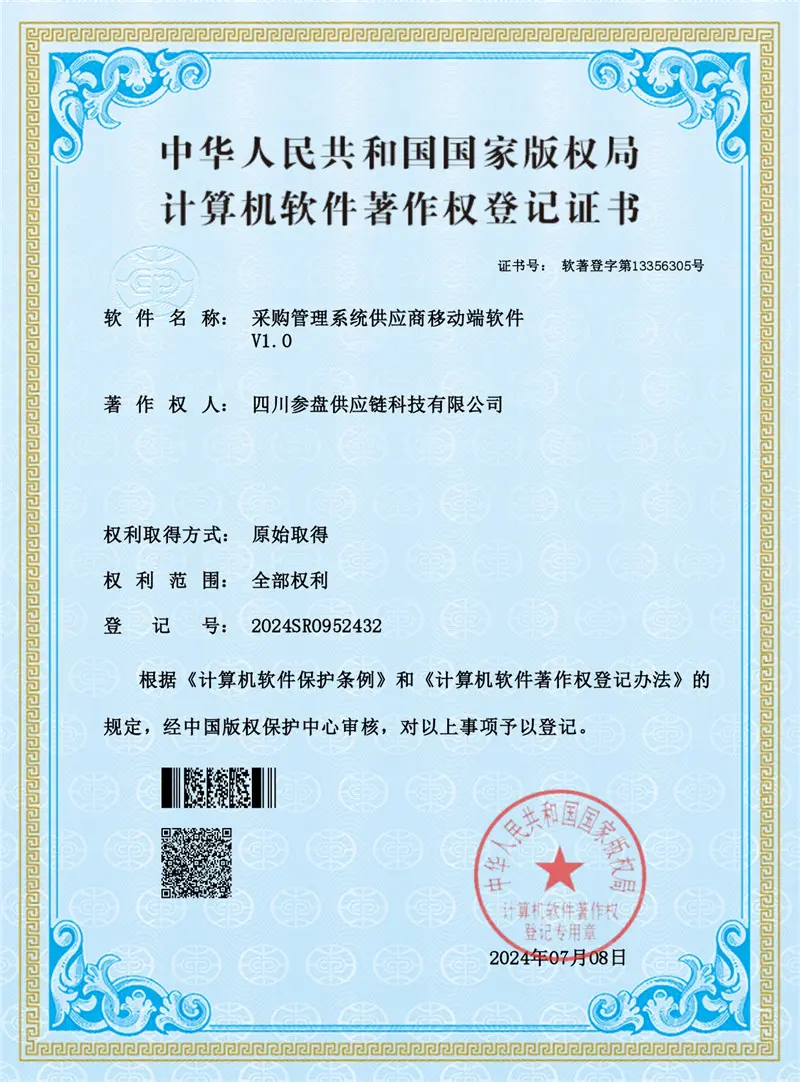
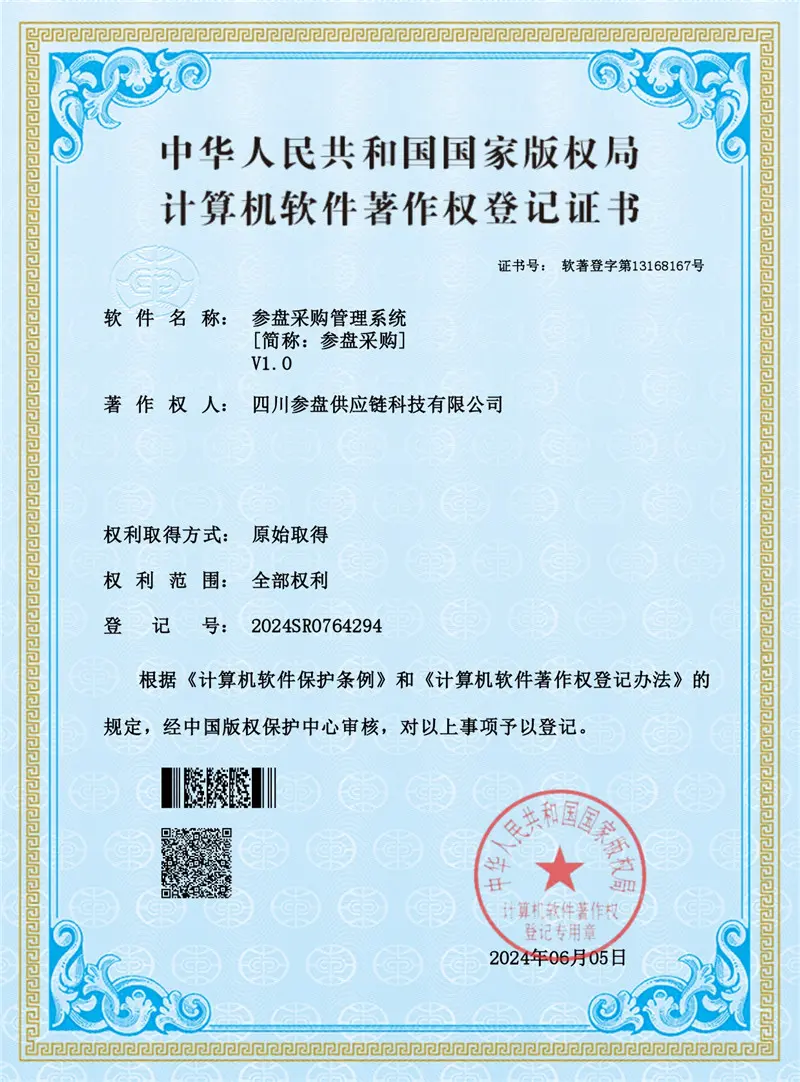
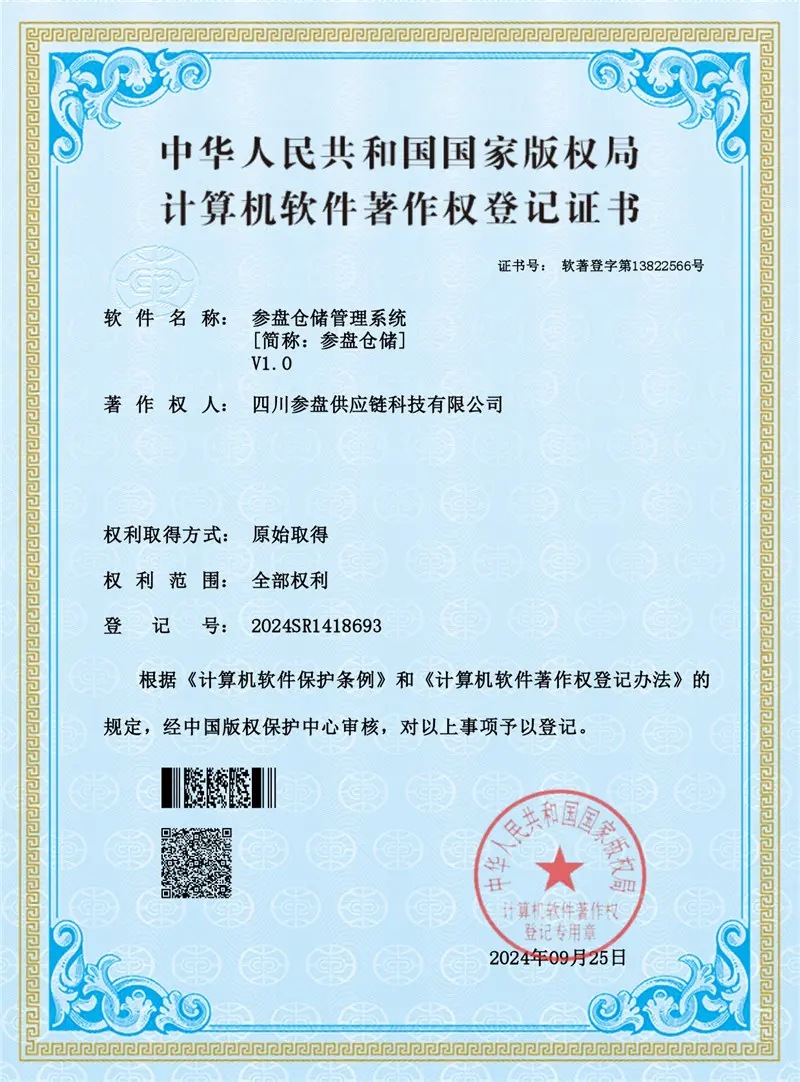

SCP focuses on providing comprehensive solutions for the food supply chain, alongside the R&D of intelligent software and hardware products. Through the application of IoT, AI, machine learning, and automated devices, we improve efficiency across procurement, supply, and sales workflows.
For example, in cold chain logistics, automated guided vehicles must run reliably in environments down to -25°C. Our specialized AGVs use thermal enclosures, anti-condensation systems, and cold-resistant batteries, allowing them to operate continuously where human drivers face physical limitations.
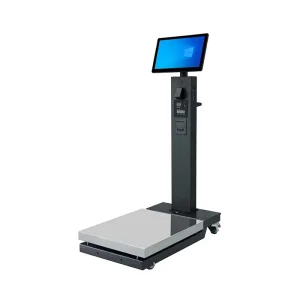
Additionally, by integrating modern industrial weighing scales (such as the SCP101 and SCP100) directly into the processing flow, we track materials automatically. This helps eliminate physical scanning errors and improves overall tracing efficiency.
Essential guidance on choosing, integrating, and maintaining AGV and LGV systems.
Automated Guided Vehicles (AGVs) generally refer to automated vehicles that follow fixed paths, such as magnetic tape, optical floor lines, or wires. Laser Guided Vehicles (LGVs) use laser-based systems (like LiDAR) to navigate. This laser system lets the vehicle calculate its position using wall-mounted reflectors or natural architectural features. LGVs do not require floor modifications, making route planning and software updates much simpler.
Laser SLAM (Simultaneous Localization and Mapping) dynamically tracks structural features like walls, columns, and racks. If dynamic obstacles like moving forklifts, workers, or temporary pallets block a sensor's view, the system filters out these temporary changes. It uses static environmental structures to maintain precise navigation without getting lost.
Our forklifts comply with international safety standards, including ISO 3691-4. They are equipped with multi-zone safety laser scanners, physical contact bumpers, warning lights, audible alarms, and emergency stop buttons. These systems allow the vehicle to slow down and stop safely if an obstacle enters its path.
Yes. Our systems feature API interfaces that connect with standard Warehouse Management Systems (WMS), Warehouse Execution Systems (WES), and Enterprise Resource Planning (ERP) databases. This integration enables automatic order generation, real-time tracking, and automated inventory updates.
The Return on Investment (ROI) period typically ranges from 12 to 24 months, depending on labor rates, shift patterns, and utilization rates. Savings generally come from lower labor costs, reduced product and rack damage, and optimized space usage.
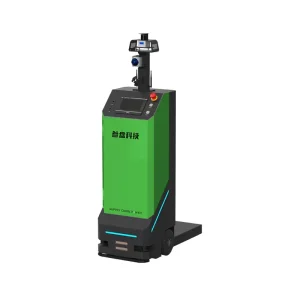
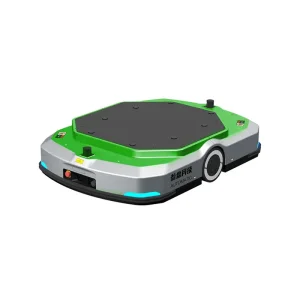
Explore our heavy-duty mobile chassis, compact smart stackers, and precision forklift options.
 SCP
SCP