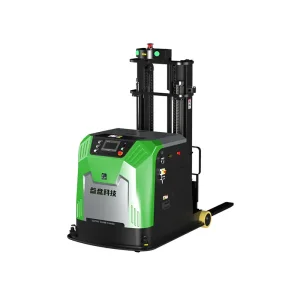
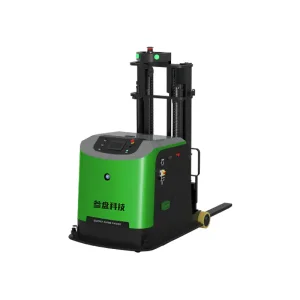
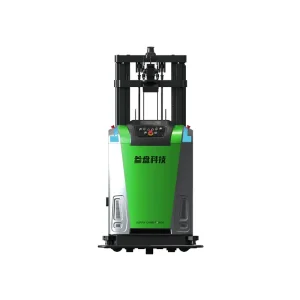
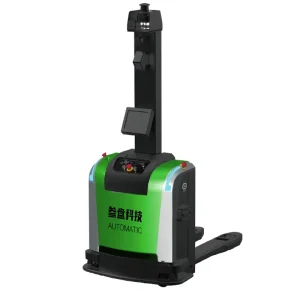
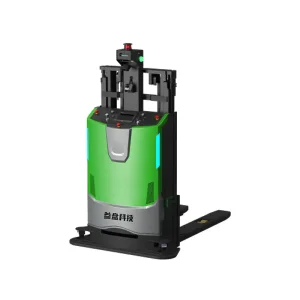
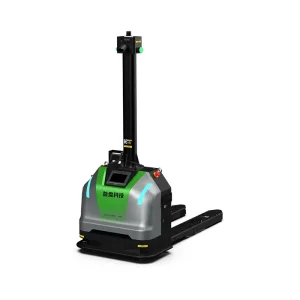
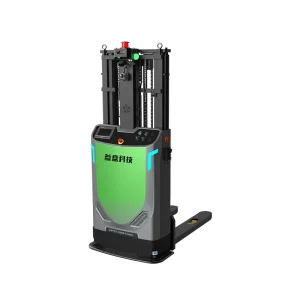
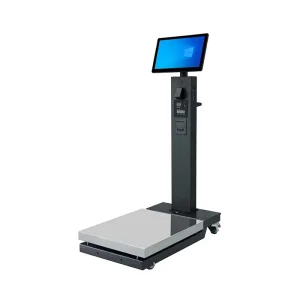
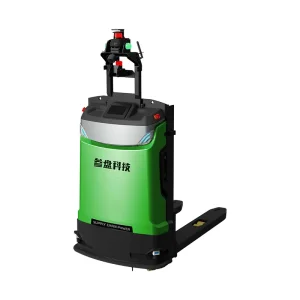
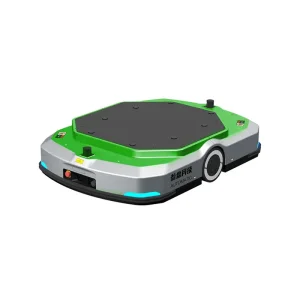
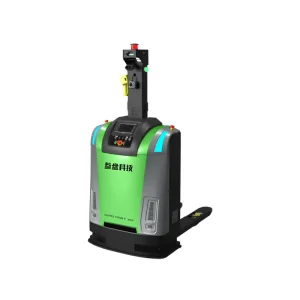
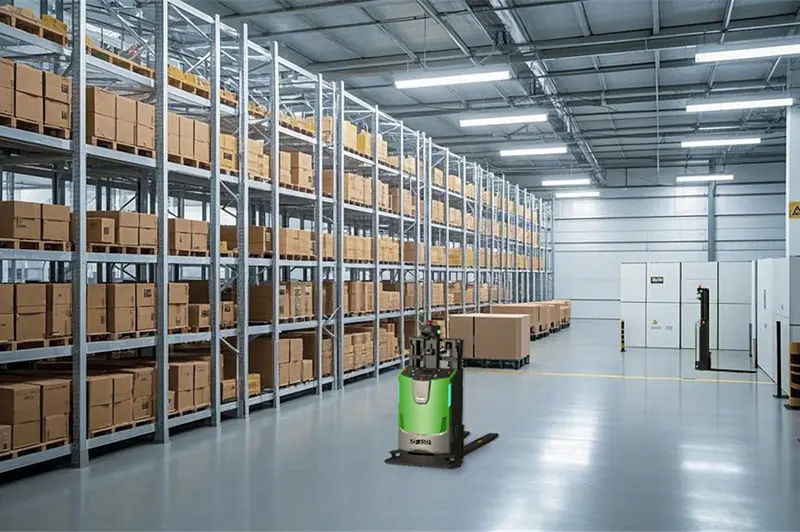
High-performance industrial autonomous forklifts engineered for precise, rapid, and resilient warehouse operations.
The global supply chain landscape is undergoing a structural paradigm shift driven by geopolitical dynamics, labor shortages, and the rapid expansion of digital commerce. At the forefront of this industrial metamorphosis is the implementation of high-tech robotic automation. Modern manufacturing enterprises and logistical corridors no longer view automation as a peripheral efficiency project. Instead, it is recognized as a core pillar of operational survival.
In this industry whitepaper, we dissect the systemic forces driving demand for Laser SLAM (Simultaneous Localization and Mapping) technology, the structural changes inside Chinese Factory 4.0 setups, and how end-to-end software integration platforms (such as the SCP architecture) bridge the physical gap between heavy-duty automated machinery and macro-level ERP execution layers. We investigate the critical parameters that procurement directors must audit, ranging from localized safety configurations to payload optimization strategies.
The technological evolution of material handling robots is shifting rapidly from guided vehicles (AGVs) requiring physical magnetic tapes or QR grids to autonomous mobile robots (AMRs) driven by Laser SLAM technology. This structural trend represents a critical inflection point for global warehouse topologies.
Unlike old-generation automated systems that relied heavily on ambient markers, modern laser SLAM-equipped forklifts calculate real-time spatial parameters dynamically. By constructing detailed 2D or 3D point cloud maps, the robot adapts to dynamic floor changes instantly, eliminating pathing delays.
Modern fleets leverage Lithium Iron Phosphate (LiFePO4) chemistries, allowing opportunity charging models. Industrial systems are designed to draw partial charges during micro-breaks, guaranteeing uninterrupted service profiles over multi-shift schedules.
Open framework architecture (such as ROS-based interfaces) allows mobile robot chassis platforms to interoperate dynamically. Unified traffic controllers manage diversified operations, coordinating high-capacity fork lifters alongside lightweight carrier chassis.
Strategic sourcing departments must move beyond basic payload metrics when evaluating overseas suppliers. The complexity of dynamic warehouses requires comprehensive technical verification.
Safety parameters must scale linearly with payload capacities. SFL-CPD30-Y series forklifts, for example, must demonstrate precise millimeter-level positioning at maximum heights. Sourcing teams should audit spatial deviation tolerance under full load (up to 3000kg) to ensure dynamic safety boundaries are kept.
High-reliability environments require multi-layered sensor fields: LiDAR scanners for navigation, obstacle detection sensors, 3D camera matrices for spatial tracking, and physical safety bumpers. Systems must meet ISO 13849-1 standards to operate alongside human workers.
The strategic advantage of sourcing from advanced Chinese automation hubs is rooted in supply chain clustering. The tight integration of raw metal fabrication, sensor manufacturers, driver developers, and assembly lines within industrial districts enables unprecedented agility.
From steel chassis machining to high-accuracy optical assemblies, the manufacturing pipeline resides within regional ecosystems, buffering against global raw material volatility.
Whether adapting a standard stacker frame to a custom height requirement (like SFL-CDD14-H) or embedding special software interfaces, Chinese engineering units deploy custom adaptations rapidly.
Every product undergoes extensive load cycle tests, laser calibration diagnostics, and continuous path mapping simulation before container loading, ensuring fast deployment upon receipt.
Directing supply chain breakthroughs through technological excellence and community commitment.
Benefiting farmers and bringing welfare to consumers
Leading the technological upgrade of the supply chain and achieving extraordinary value for transformers
Alliance of Developers of New Quality Supply Chain Technology
As a subsidiary of New Hope Group, we have a good market reputation and execution ability. Moreover, we have an in-depth understanding of multiple industries.
We were incubated based on the digital needs of the business side within the New Hope system, and have participated in many projects of the same type. Therefore, we have a better understanding of the actual business scenarios and demands.
We possess the self-development and integration capabilities for various systems in procurement, sales, and supply. We can well meet the individual needs of different customers.
We provide certain light consulting services alongside projects, covering multiple dimensions such as process optimization and assessment weight, to assist customers in the construction of digital transformation of their supply chains.
We have a professional delivery team for commercial projects. We actively respond to the personalized needs of customers and can ensure fast and high-quality delivery according to customer requirements.
In terms of technology research and development, SCP continues to increase its investment and constantly optimize the product architecture supported by software and hardware and the top-level design of the supply chain control tower.
By strengthening the self-development and integration capabilities of various systems in procurement, sales, and supply, we continuously improve the technical level and competitiveness of our products and services. We build a solid foundation for the sustainable development of enterprises and the industry with leading technologies.
At the same time, we actively explore the application of cutting-edge technologies in the supply chain field, promote technological iteration and upgrading, and maintain a leading position in the industry in terms of technology.
In terms of ecological construction, relying on the rich industrial resources and extensive business layout of Caogenziben, SCP deeply explores the supply chain needs of multiple industries such as food consumption and creates solutions that are suitable for actual scenarios.
By empowering key links such as cold chain logistics, we promote the standardized management and efficiency improvement of the supply chain and facilitate the collaborative development of the entire industrial chain.
In addition, we actively carry out in-depth cooperation with overseas partners, absorb international advanced experience and technologies, expand the international market, enhance the global influence of the enterprise, and build a supply chain technology ecosystem with international competitiveness.
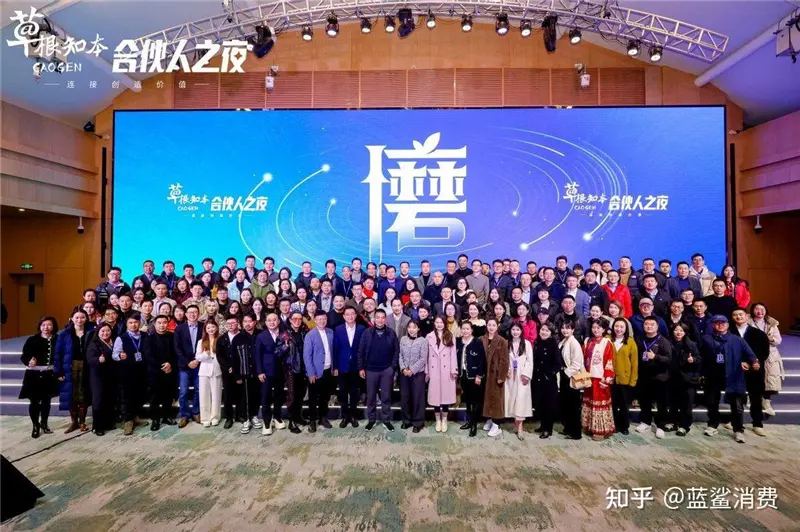
From a long-term development perspective, with the vision of "Leading the technological upgrade of the supply chain and achieving extraordinary value for transformers", SCP integrates the concept of sustainable development into its corporate strategic planning and daily operations.
We not only focus on our own growth and profitability but also look to promote the green, intelligent, and efficient development of the industry. We build a more perfect supply chain collaboration system for future enterprises.
While achieving our own sustainable development, we create greater value for society and become a backbone force in promoting the sustainable development of the supply chain technology industry.
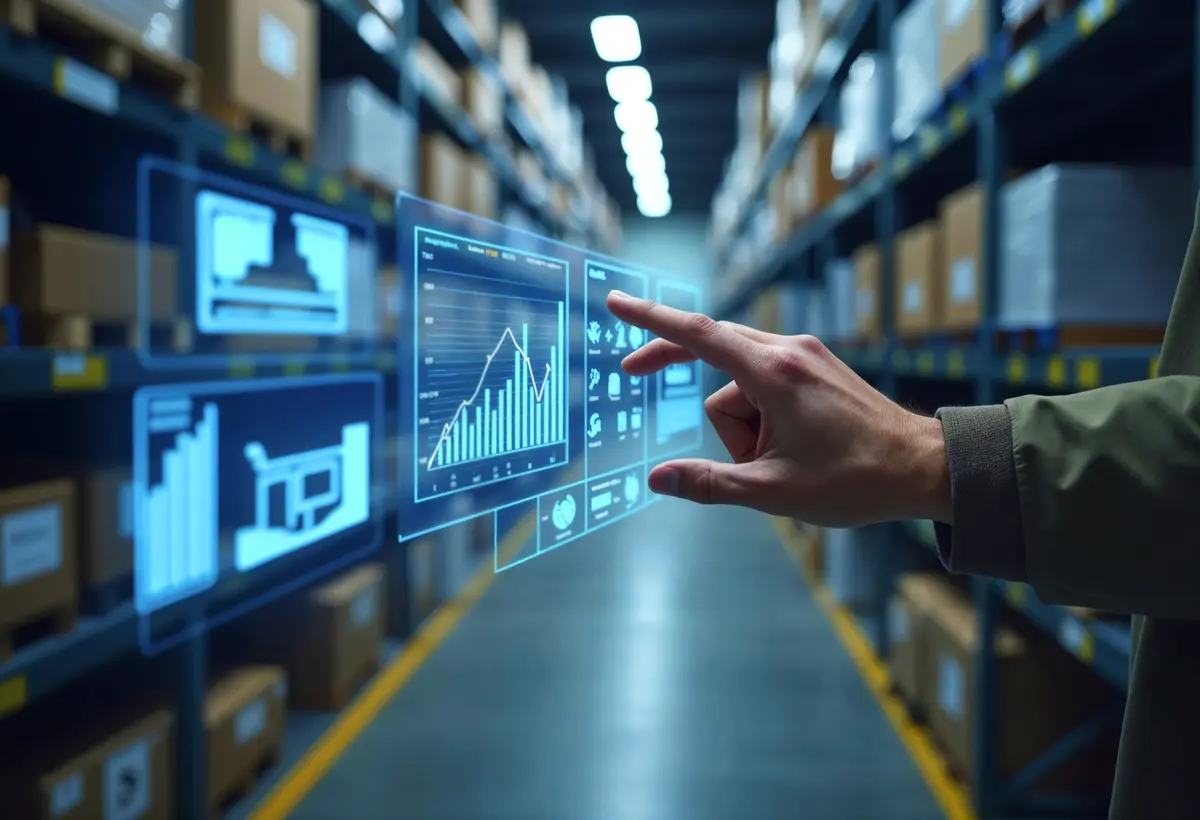
SCP focuses on providing comprehensive solutions for the food supply chain, as well as research and development of intelligent software and hardware products and services. The company aims to be based on the Internet of Things AI, the comprehensive application of machine learning, intelligent devices and other technologies, through automated, digitized, intelligent and systematic technology products and solution matrices, enhances the overall operational efficiency of supply chain procurement/supply/sales, and helps upgrade the value of upstream and downstream industries.
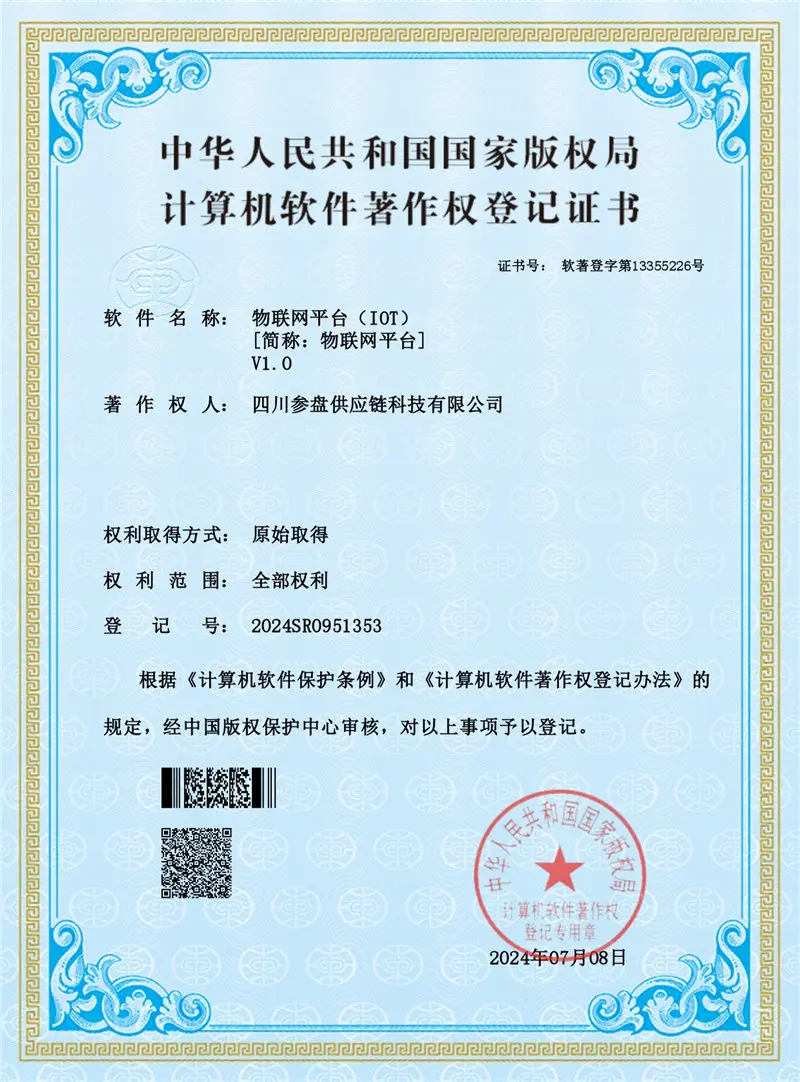
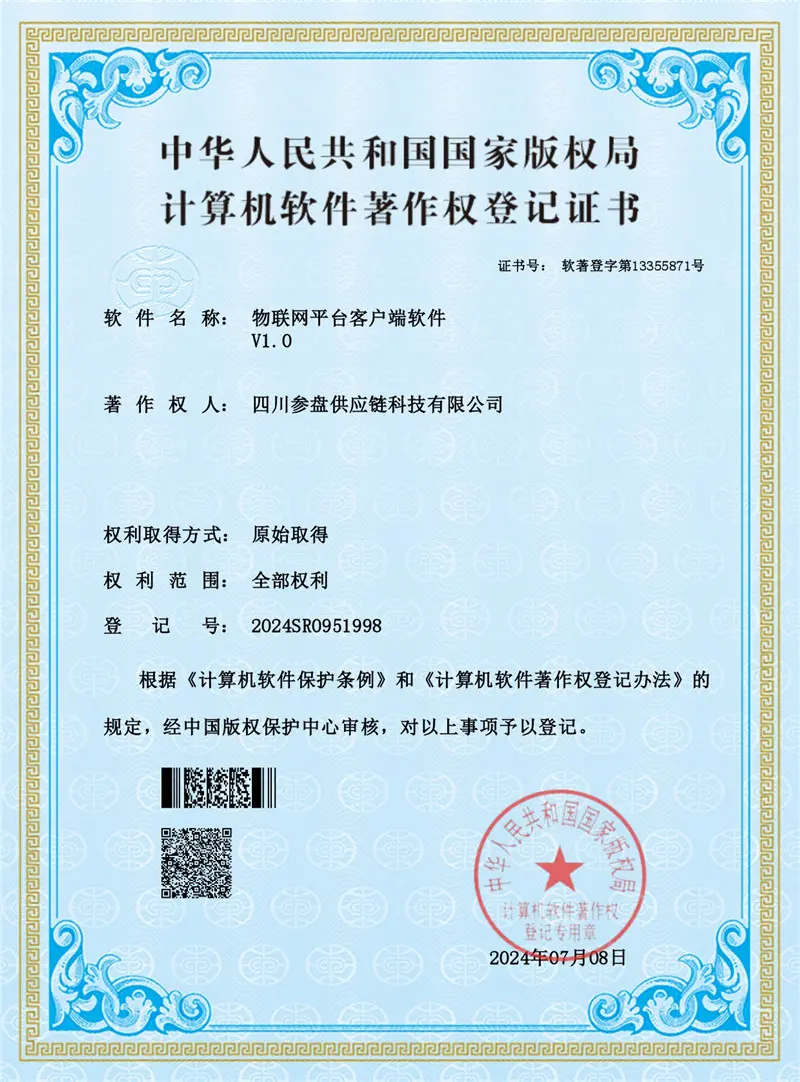
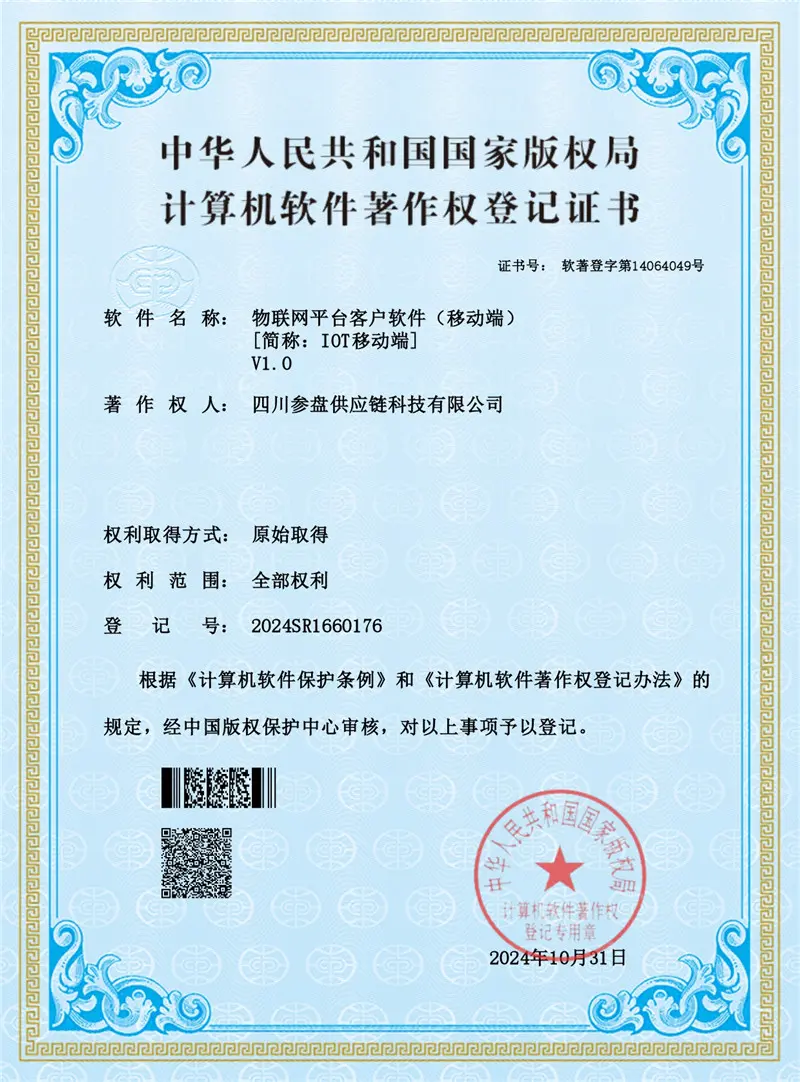
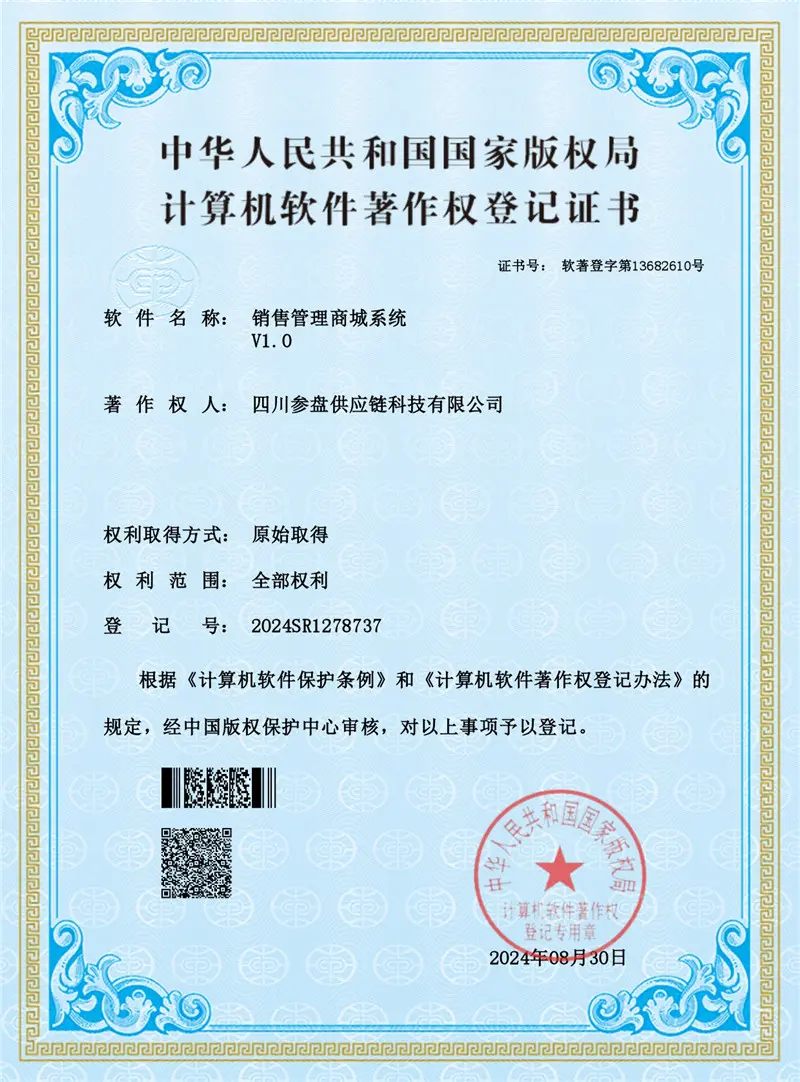
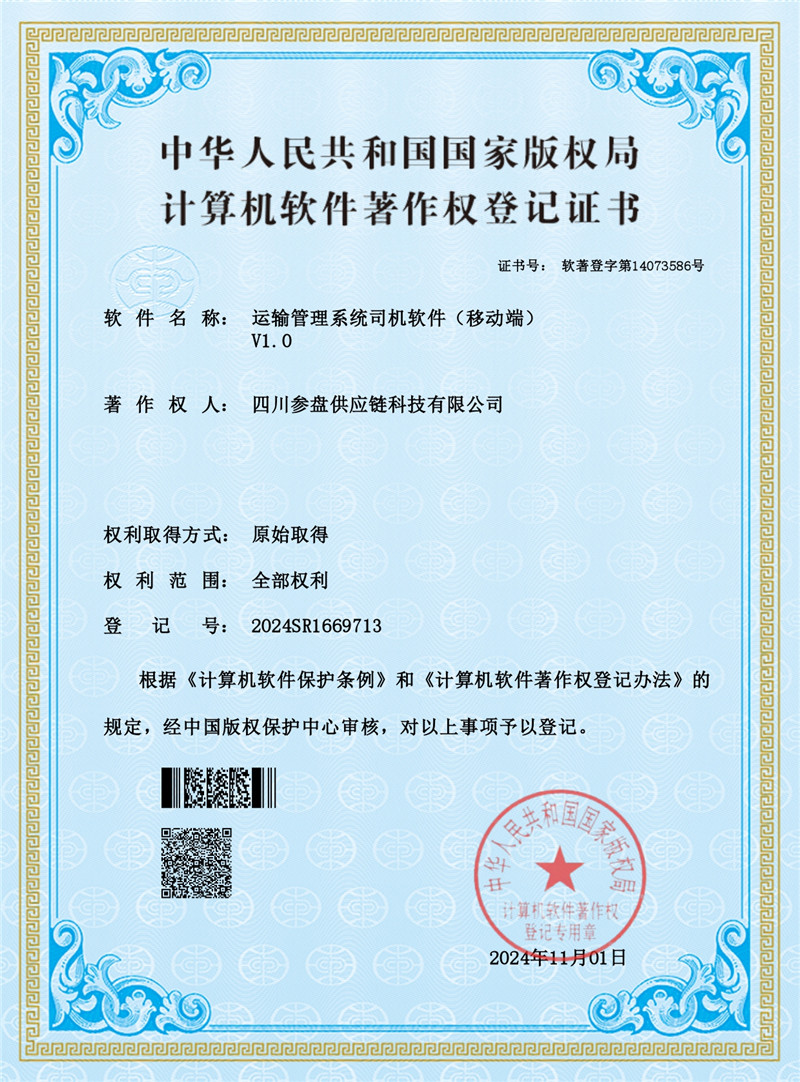
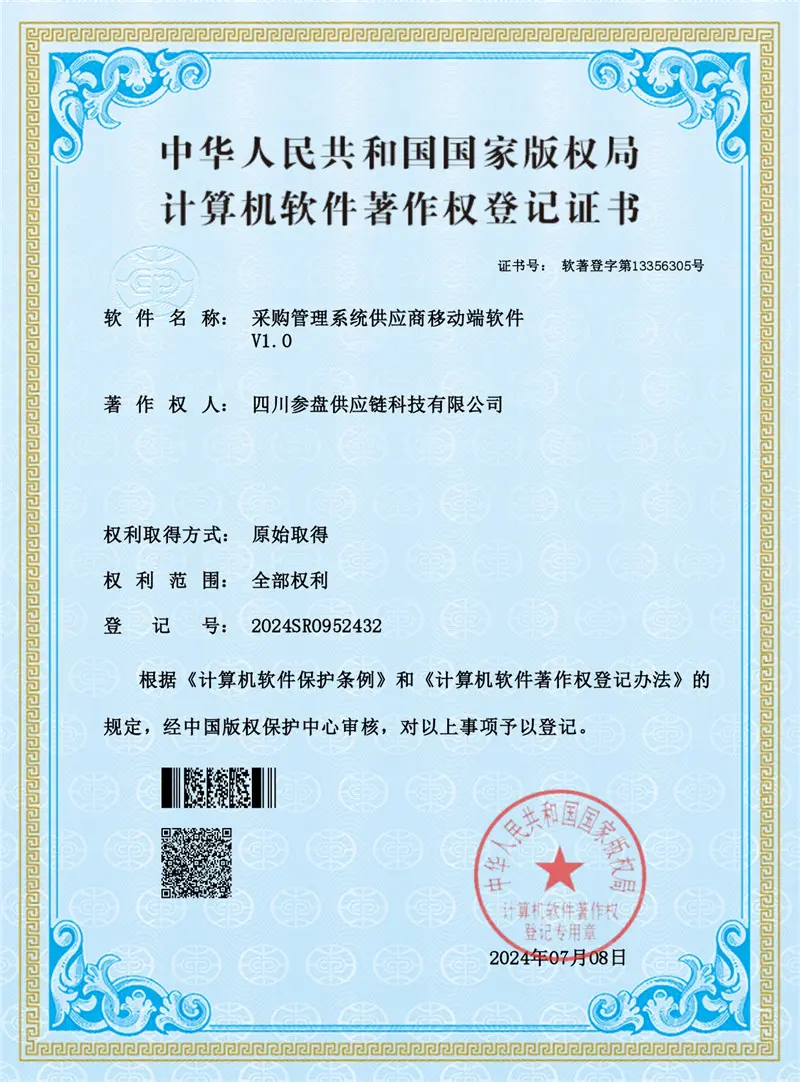
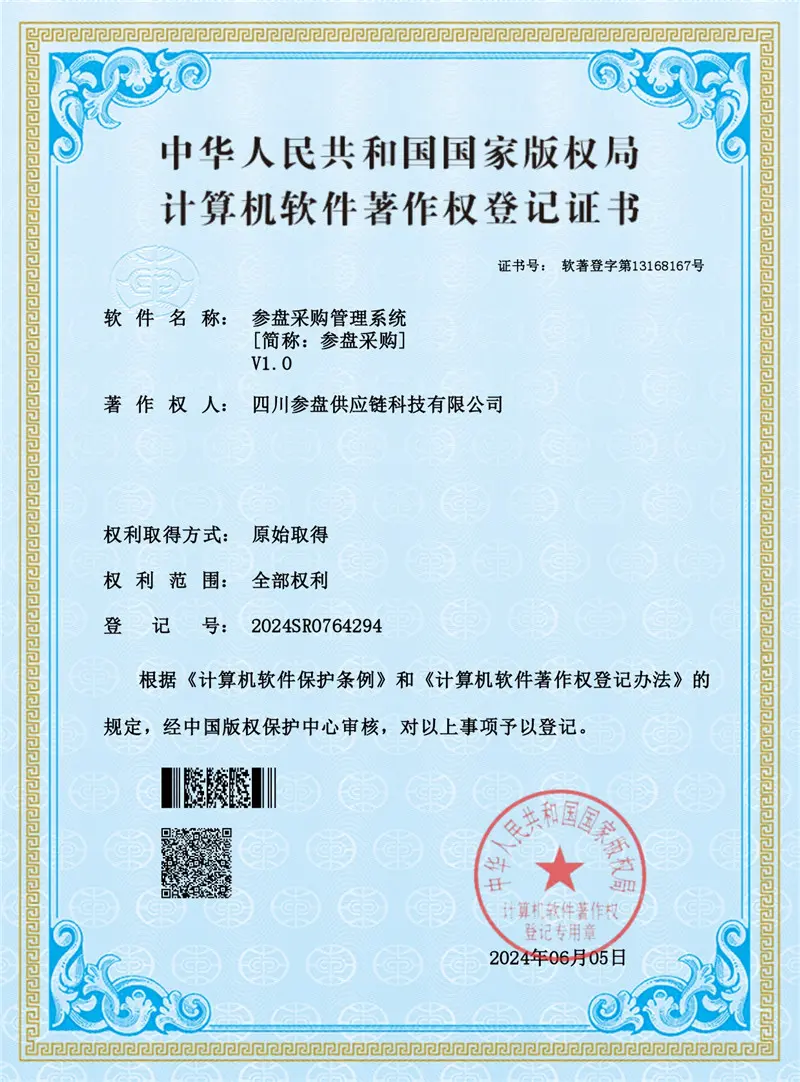
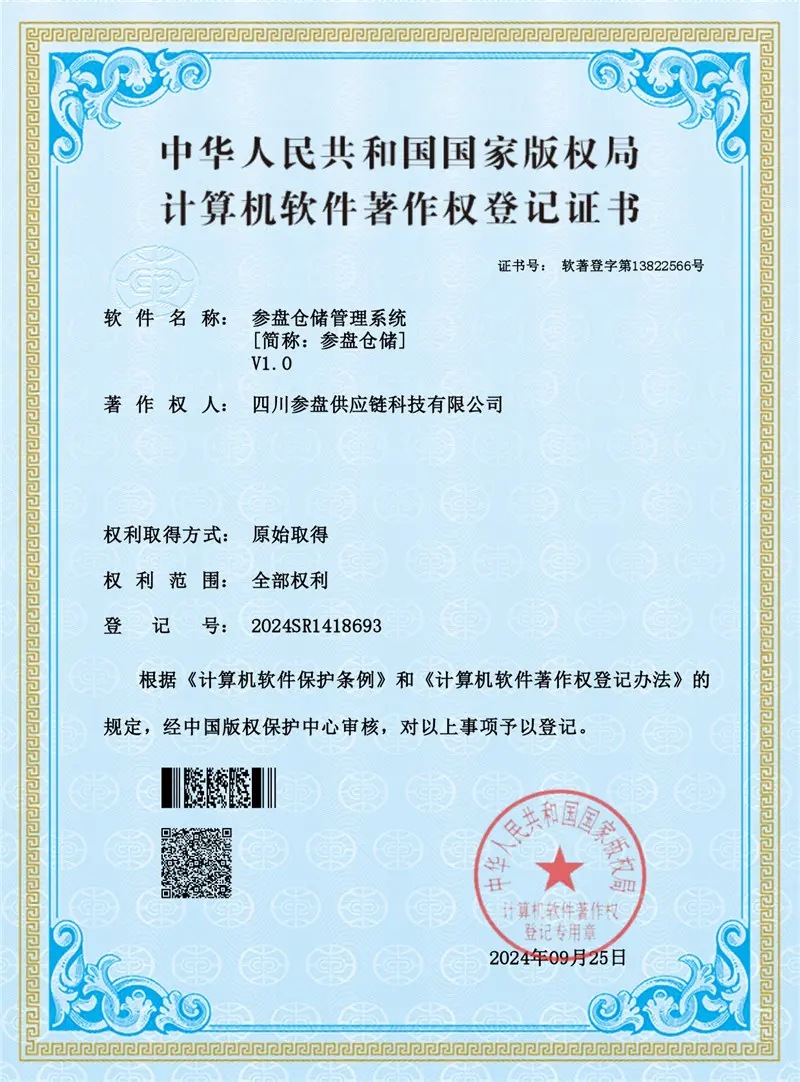
Engineered to pass rigorous validation matrices, confirming structural design compliance.
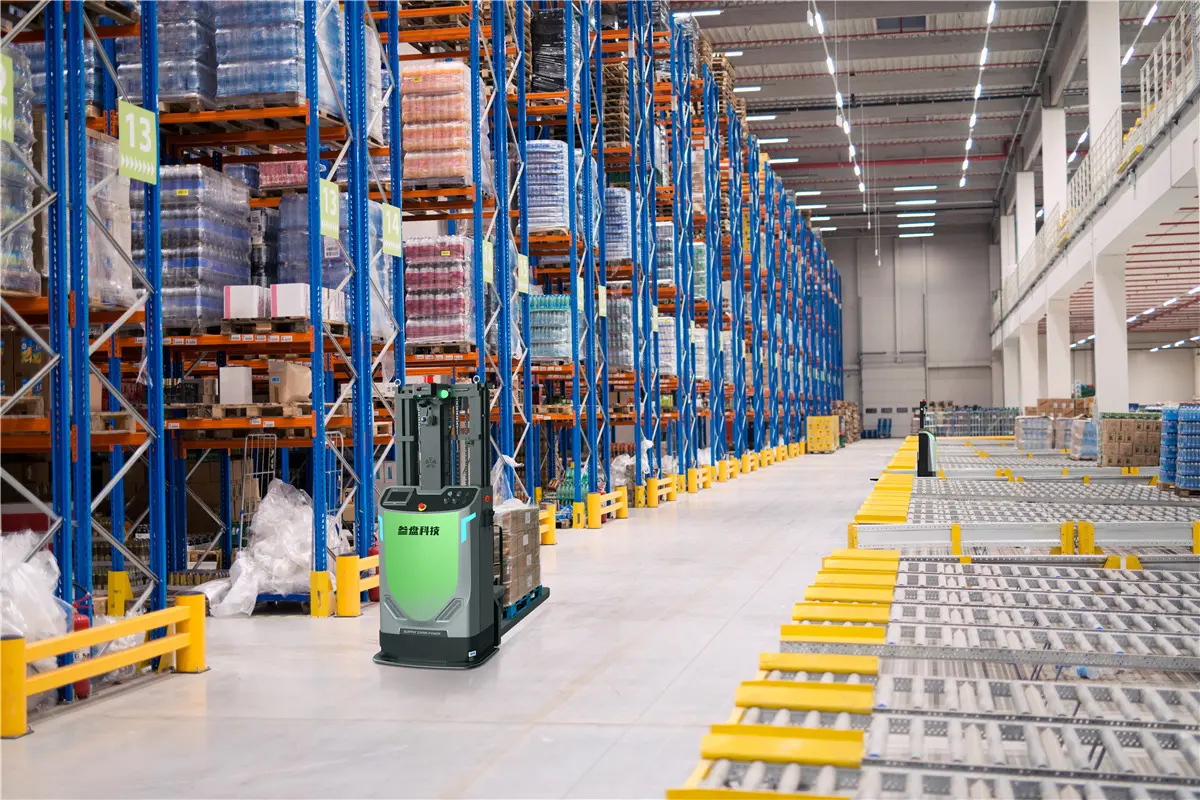
Understanding how automated forklifts operate across different industries highlights their flexibility. Laser SLAM material handlers adapt dynamically to specific facility rules, safety paths, and physical layouts:
Sub-zero food storage hubs demand quick, precise pallet handling to keep food safe. Autonomous forklifts like the SFL-CBD15-ZL carry heavy loads directly to cold rooms, reducing the time dock doors remain open.
Transferring components from welding bays to final assembly requires high payload capacities and clean safety protocols. SFL-CPD30-Y forklifts use active obstacle detection to navigate tight paths safely next to assembly personnel.
Dynamic warehouse layouts with changing rack locations require flexible pathing. Portable forklifts and mobile robot chassis (like the AMB-CSW10-BH) navigate narrow aisles, shifting paths dynamically to avoid gridlock.
Expert answers addressing integration challenges, structural mapping, safety compliance, and fleet maintenance.
High-performance hardware integrations, industrial mobile chassis platforms, and digital processing scales.
 SCP
SCP