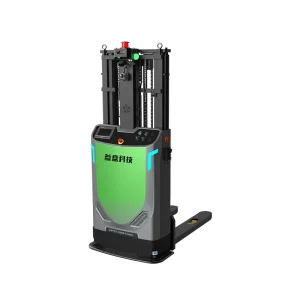
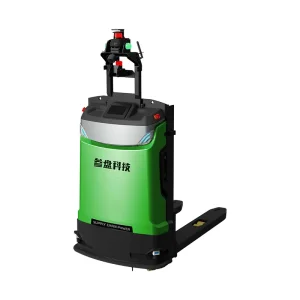
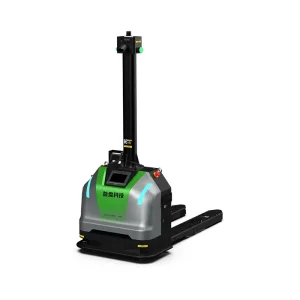
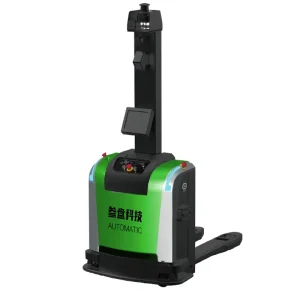
High-precision smart forklifts driven by industrial SLAM technology, configured for modern warehouses, multi-level racking, and intensive production floors.
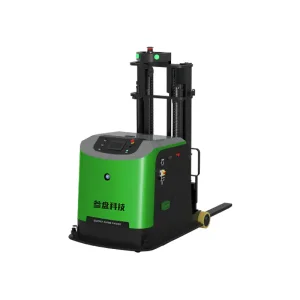
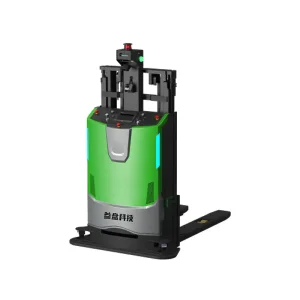
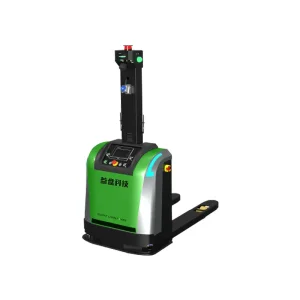
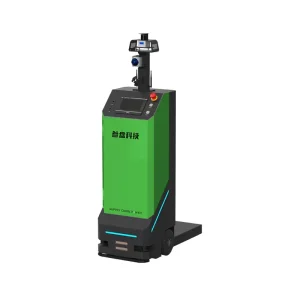
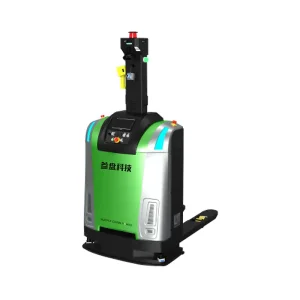
Why Modern Logistics Operators and Multi-national Industrial Plants are Shifting to Driverless Fleets
The global logistics ecosystem is undergoing a dramatic structural transformation. Traditional operations face skyrocketing labor costs, safety regulations that mandate lower human risk factors, and the urgent need for 24/7 reliability. In response, autonomous forklifts (AGVs/AMRs) have evolved from experimental laboratory concepts into business-critical components of corporate logistics strategies.
Global industrial enterprises—ranging from major third-party logistics (3PL) providers to high-output automotive manufacturing plants—increasingly rely on automated guidance technology to streamline their material flow. By replacing manual pallet trucks and counterbalance vehicles with laser-guided SLAM (Simultaneous Localization and Mapping) robots, operators see significant improvements in throughput consistency.
Our advanced vehicle systems handle everything from heavy manufacturing components (with payloads reaching 3000kg) to narrow-aisle stack-height operations. Across North America, Europe, and Asia-Pacific, companies implementing these solutions secure their competitive advantage, insulate themselves against labor volatility, and reduce accident rates to near zero.
Decoding Enterprise Purchasing Parameters and Return on Investment (ROI) Metrics
Enterprise procurement teams must closely assess actual payloads and dynamic lift heights. Heavy manufacturing demands robust counterbalance units capable of handling up to 3000kg, while high-density storage requires precision narrow-aisle stackers (e.g., SFL-CDD15) optimized for vertical utilization.
For true 24/7 driverless operations, modern fleets rely on opportunity charging systems powered by lithium-ion batteries. Fleet managers analyze charging profiles, autonomous docking, safety margins, and degradation curves to guarantee continuous, shift-free operation.
Beyond capital expenditure (CAPEX), procurement calculations include installation times, map tuning costs, software license fees, and maintenance overheads. Typically, high-intensity facilities report full investment payback within 14 to 22 months.
The Evolution from Automated Guided Vehicles (AGV) to Intelligent Autonomous Mobile Robots (AMR)
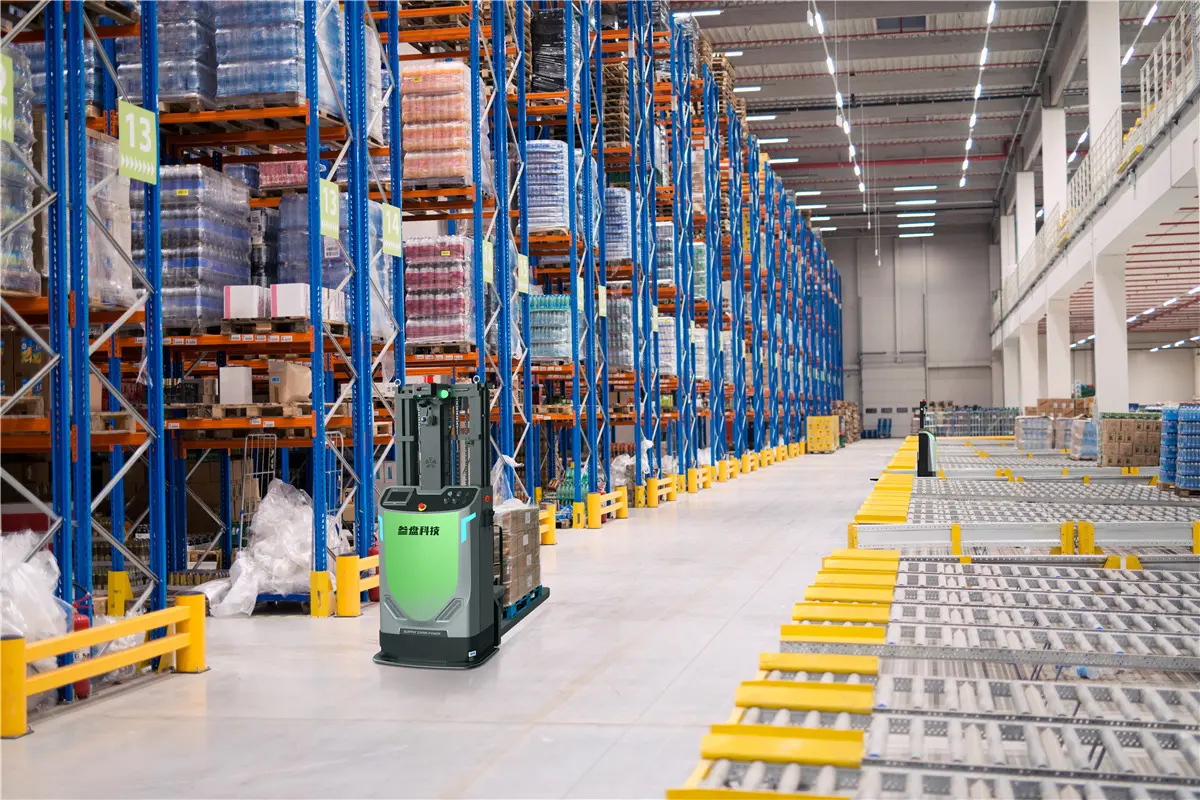
The future of industrial logistics centers on Laser SLAM (Simultaneous Localization and Mapping). Unlike traditional AGVs that require high-cost magnetic tapes, reflectors, or physical wires cut into concrete floors, our advanced vehicle systems construct dynamic digital maps of their environments in real time.
By combining multi-line LiDAR sensors, 3D depth cameras, safety bumpers, and intelligent sensor-fusion algorithms, our smart forklifts accurately identify fixed structures, moving pallets, and pedestrians. This ensures smooth navigation, dynamic obstacle avoidance, and optimal path recalculation.
Furthermore, our Fleet Dispatching System interfaces with warehouse management software (WMS) and warehouse control systems (WCS) via standard industrial communication APIs. This integration enables real-time task allocation, automatic traffic control, and coordinated multi-vehicle operations.
Committed to comprehensively innovating and enhancing the overall supply chain planning of enterprises.
Taking the actual business needs as the cornerstone, SCP is committed to comprehensively innovating and enhancing the overall supply chain planning of enterprises. We provide enterprises with comprehensive end-to-end supply chain solutions, build a multi-role and multi-dimensional intelligent supply chain collaboration system, and achieve all-round efficient collaboration and process optimization.
At present, SCP has established a product architecture supported by software and hardware, and supplemented by the top-level design of the supply chain control tower to create an agile, flexible and efficient end-to-end supply chain system for enterprises.
Benefiting farmers and bringing welfare to consumers
Leading the technological upgrade of the supply chain and achieving extraordinary value for transformers
Alliance of Developers of New Quality Supply Chain Technology
As a subsidiary of New Hope Group, we have a good market reputation and execution ability. Moreover, we have an in-depth understanding of multiple industries.
We were incubated based on the digital needs of the business side within the New Hope system, and have participated in many projects of the same type. Therefore, we have a better understanding of the actual business scenarios and demands.
We possess the self-development and integration capabilities for various systems in procurement, sales, and supply. We can well meet the individual needs of different customers.
We provide certain light consulting services alongside projects, covering multiple dimensions such as process optimization and assessment weight, to assist customers in the construction of digital transformation of their supply chains.
We have a professional delivery team for commercial projects. We actively respond to the personalized needs of customers and can ensure fast and high-quality delivery according to customer requirements.
Driving operational efficiency, industrial optimization, and ecological balance across the supply chain network.
In terms of technology research and development, SCP continues to increase its investment and constantly optimize the product architecture supported by software and hardware and the top-level design of the supply chain control tower.
By strengthening the self-development and integration capabilities of various systems in procurement, sales, and supply, we continuously improve the technical level and competitiveness of our products and services. We build a solid foundation for the sustainable development of enterprises and the industry with leading technologies.
At the same time, we actively explore the application of cutting-edge technologies in the supply chain field, promote technological iteration and upgrading, and maintain a leading position in the industry in terms of technology.
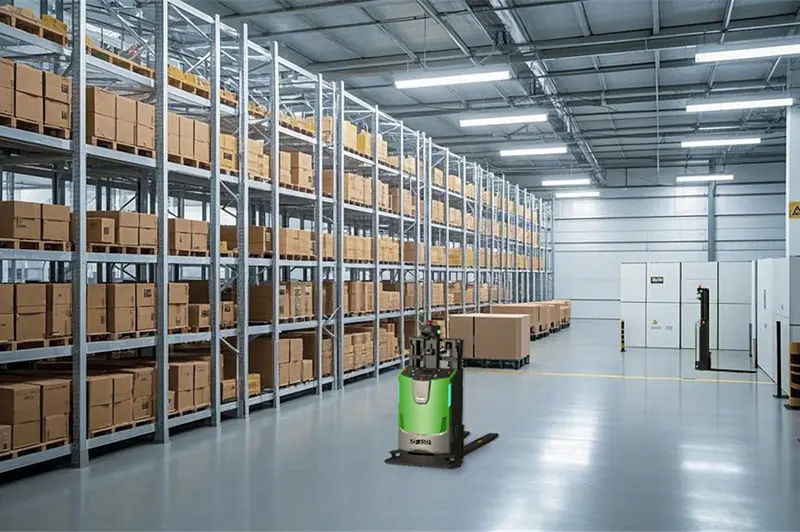
In terms of ecological construction, relying on the rich industrial resources and extensive business layout of Caogenziben, SCP deeply explores the supply chain needs of multiple industries such as food consumption and creates solutions that are suitable for actual scenarios.
By empowering key links such as cold chain logistics, we promote the standardized management and efficiency improvement of the supply chain and facilitate the collaborative development of the entire industrial chain.
In addition, we actively carry out in-depth cooperation with overseas partners, absorb international advanced experience and technologies, expand the international market, enhance the global influence of the enterprise, and build a supply chain technology ecosystem with international competitiveness.
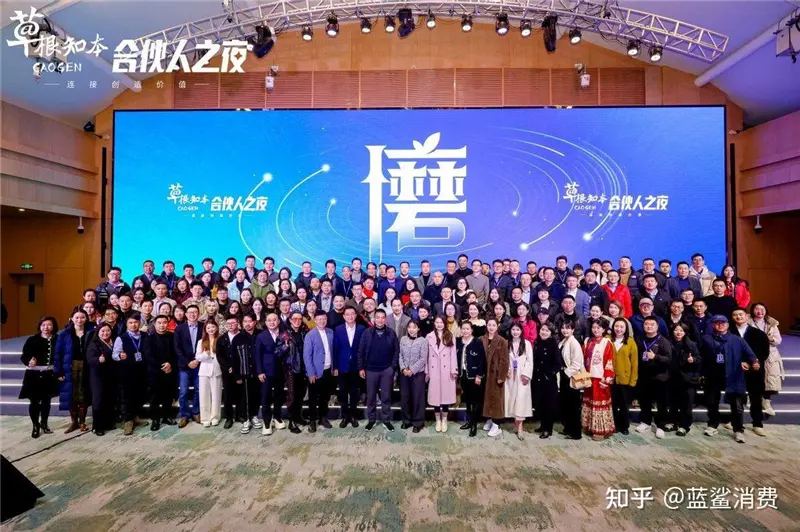
From a long-term development perspective, with the vision of "Leading the technological upgrade of the supply chain and achieving extraordinary value for transformers", SCP integrates the concept of sustainable development into its corporate strategic planning and daily operations.
We not only focus on our own growth and profitability but also look to promote the green, intelligent, and efficient development of the industry. We build a more perfect supply chain collaboration system for future enterprises.
While achieving our own sustainable development, we create greater value for society and become a backbone force in promoting the sustainable development of the supply chain technology industry.
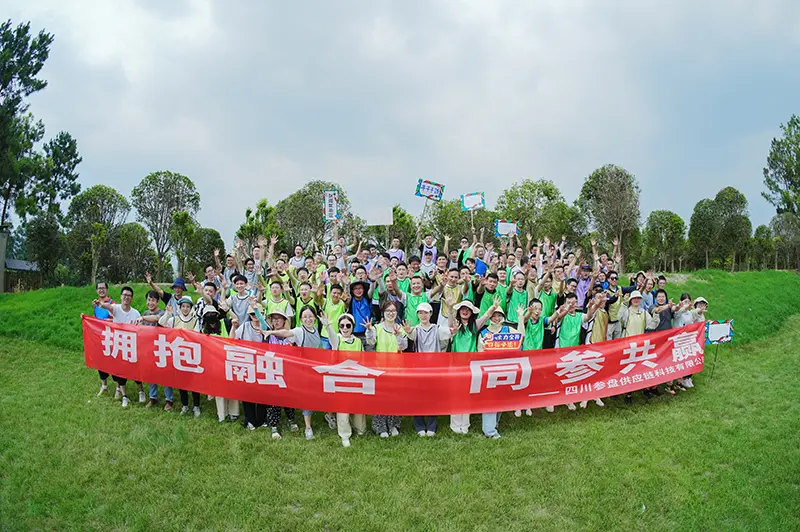
Customized system matrices designed for the complex food supply chain, cold storage logistics, and high-efficiency material transport.
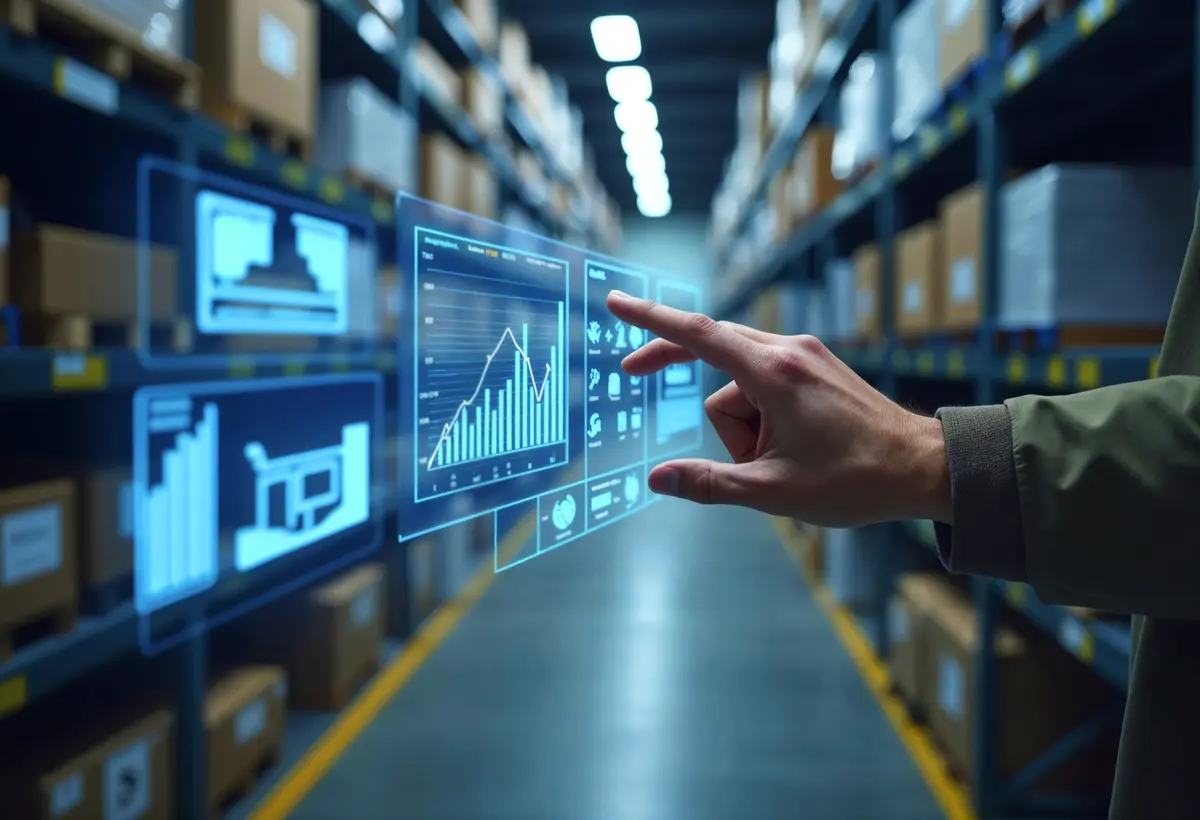
SCP focuses on providing comprehensive solutions for the food supply chain, as well as research and development of intelligent software and hardware products and services.
The company aims to be based on the Internet of Things (IoT), AI, machine learning, intelligent devices, and other advanced technologies. Through automated, digitized, and intelligent technology systems, we enhance the overall operational efficiency of supply chain procurement, supply, and sales, upgrading value for upstream and downstream industries.
Our engineering standards comply with international safety regulations, ensuring reliable, long-term deployment in world-class facilities.
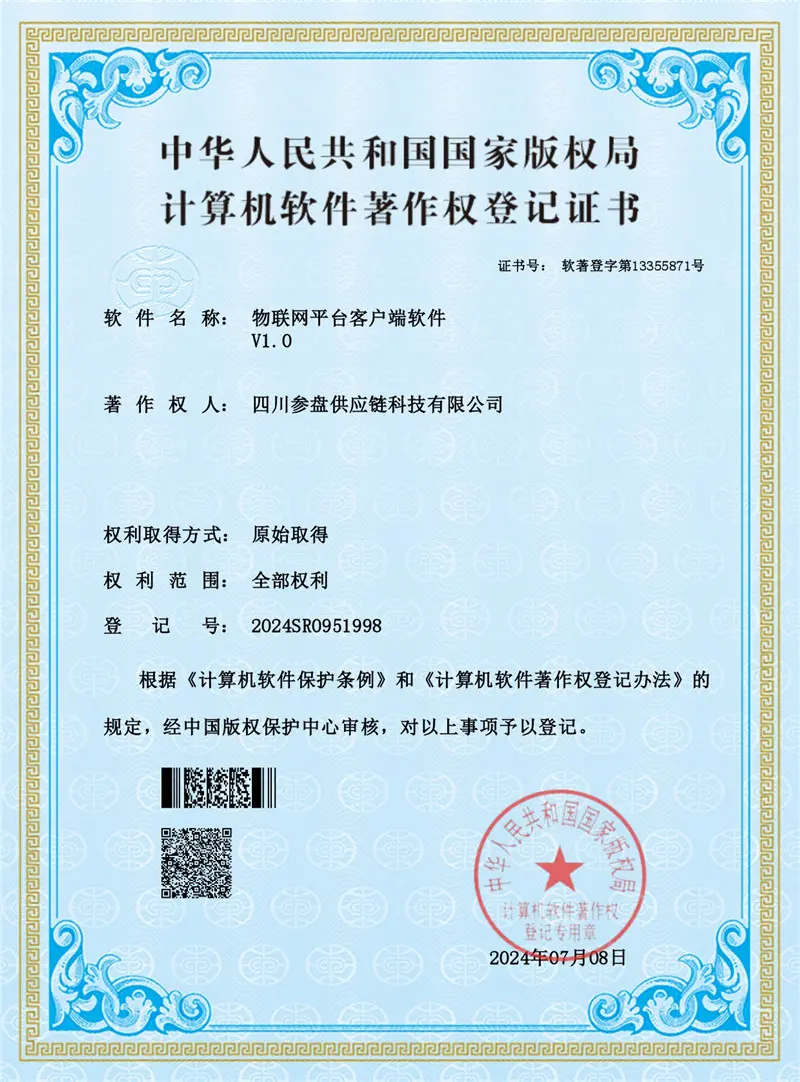
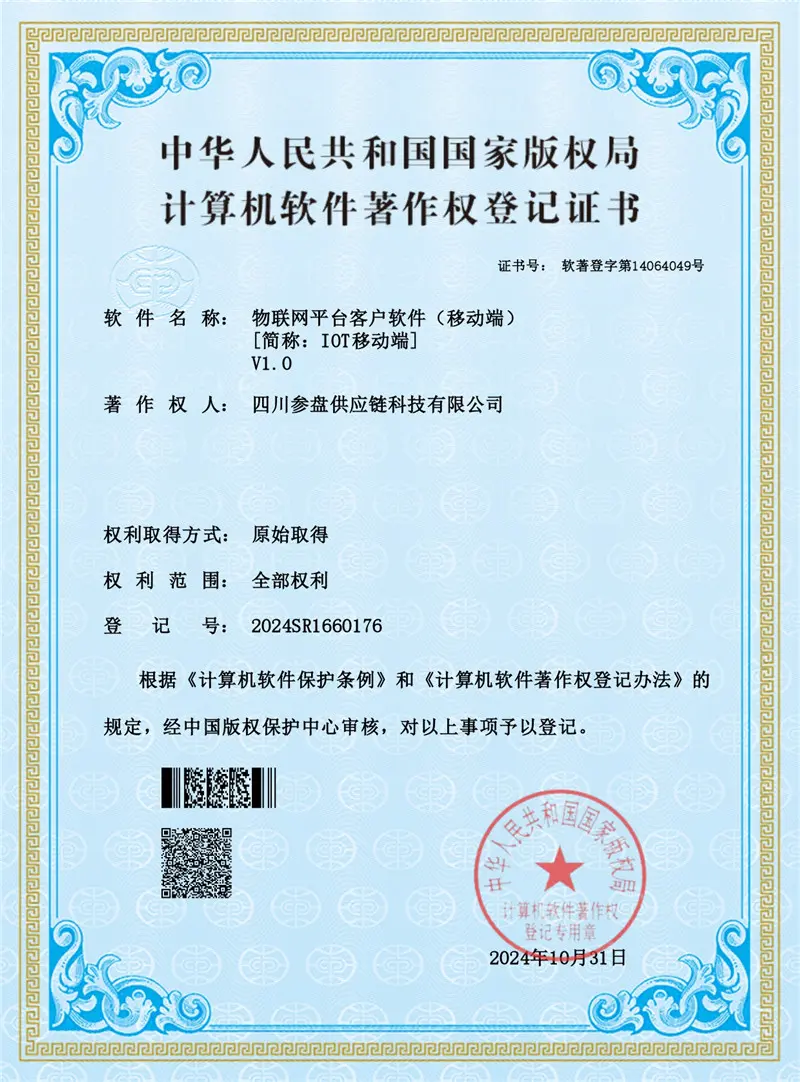
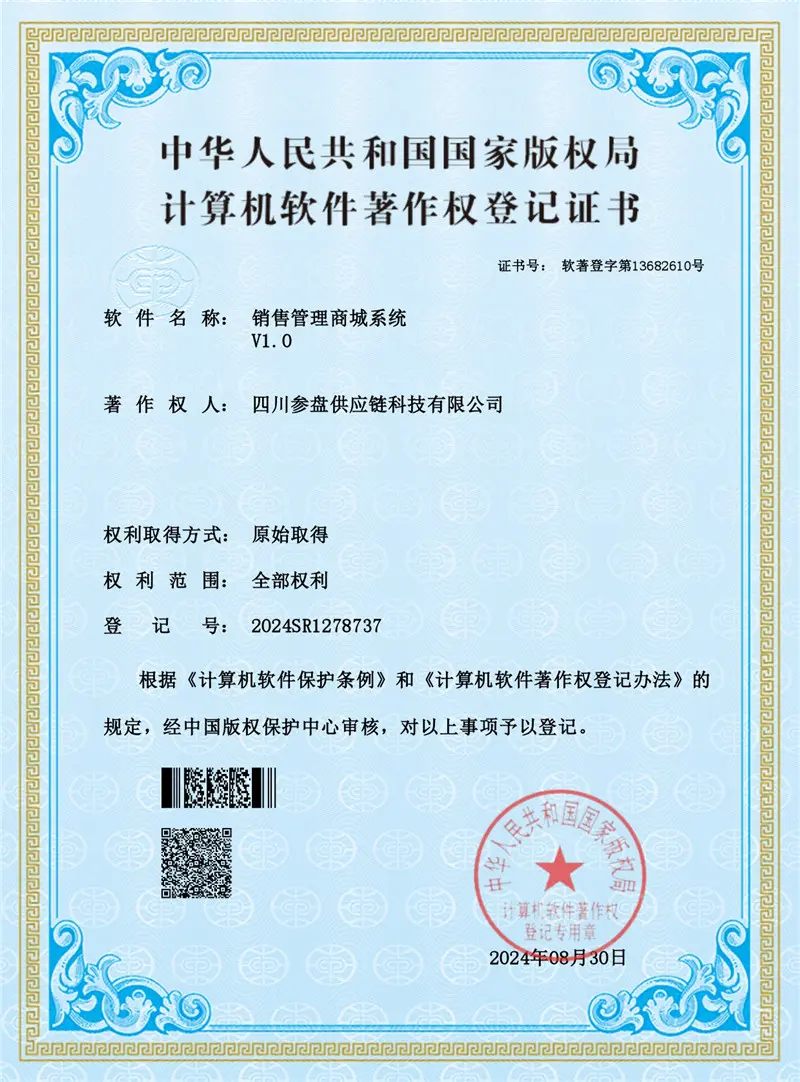
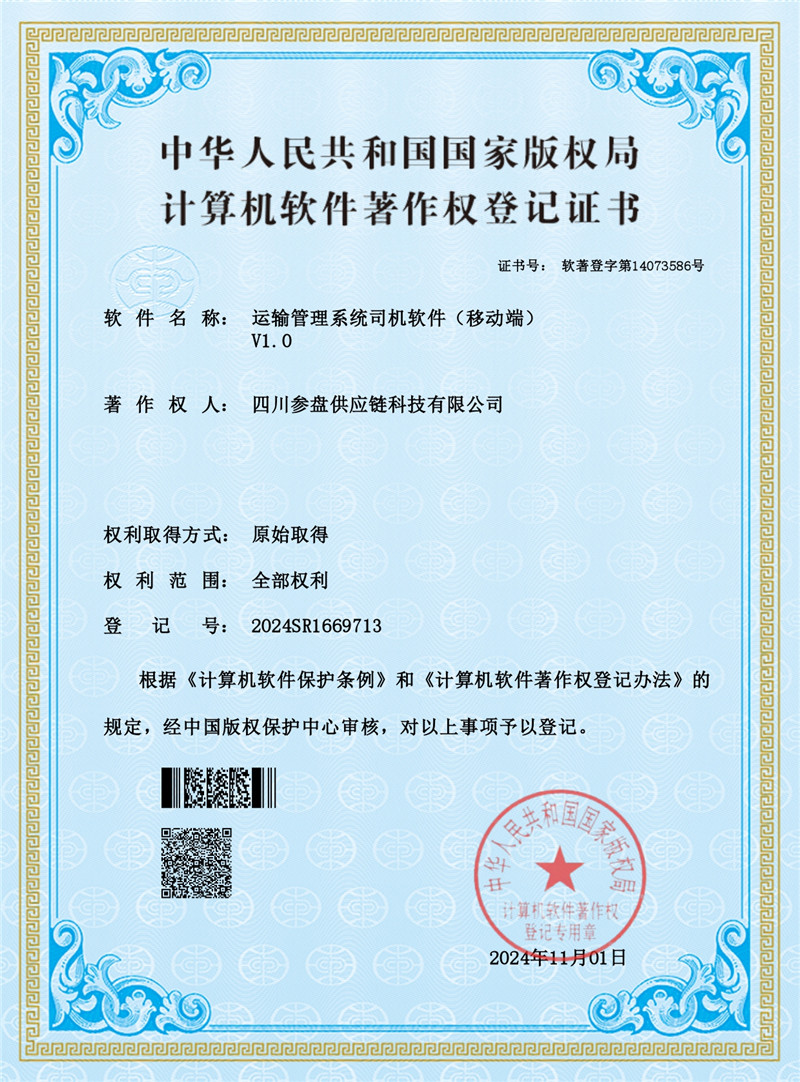
Technical and operational insights on deploying autonomous forklifts, SLAM systems, and fleet software.
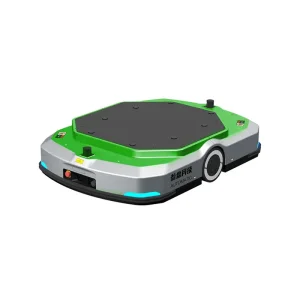
Explore our complete range of high-performance handling platforms, portable stackers, and mobile chassis.
 SCP
SCP