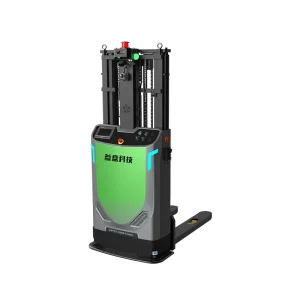
Explore our flagship industrial autonomous mobile robots engineered for high-precision navigation, narrow-aisle efficiency, and heavy-payload handling.
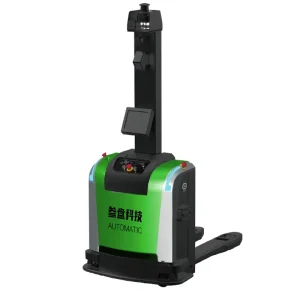
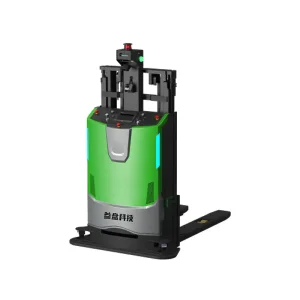
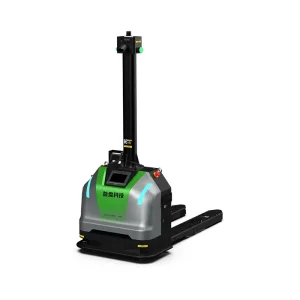
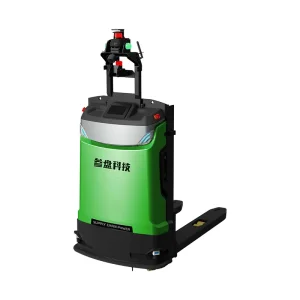
The global manufacturing and warehousing industries are undergoing an unprecedented structural transition. Modern supply chains are challenged by soaring labor costs, volatile consumer demand patterns, and the critical need for absolute operational safety. Within this context, traditional manual forklifts and static conveyors are no longer sufficient to sustain double-digit efficiency targets.
As a premier Automated Guided Robots Manufacturer & Factory, SCP addresses these dynamic challenges. The modern paradigm shifts from static AGVs (Automated Guided Vehicles requiring physical track layout) to dynamic, intelligent AMRs (Autonomous Mobile Robots) guided by Laser SLAM (Simultaneous Localization and Mapping). This technology permits zero-infrastructure installation, real-time dynamic obstacle avoidance, and seamless fleet reconfiguration. By linking digital control systems to mechanical mobility, we deliver massive productivity gains across modern material handling setups.
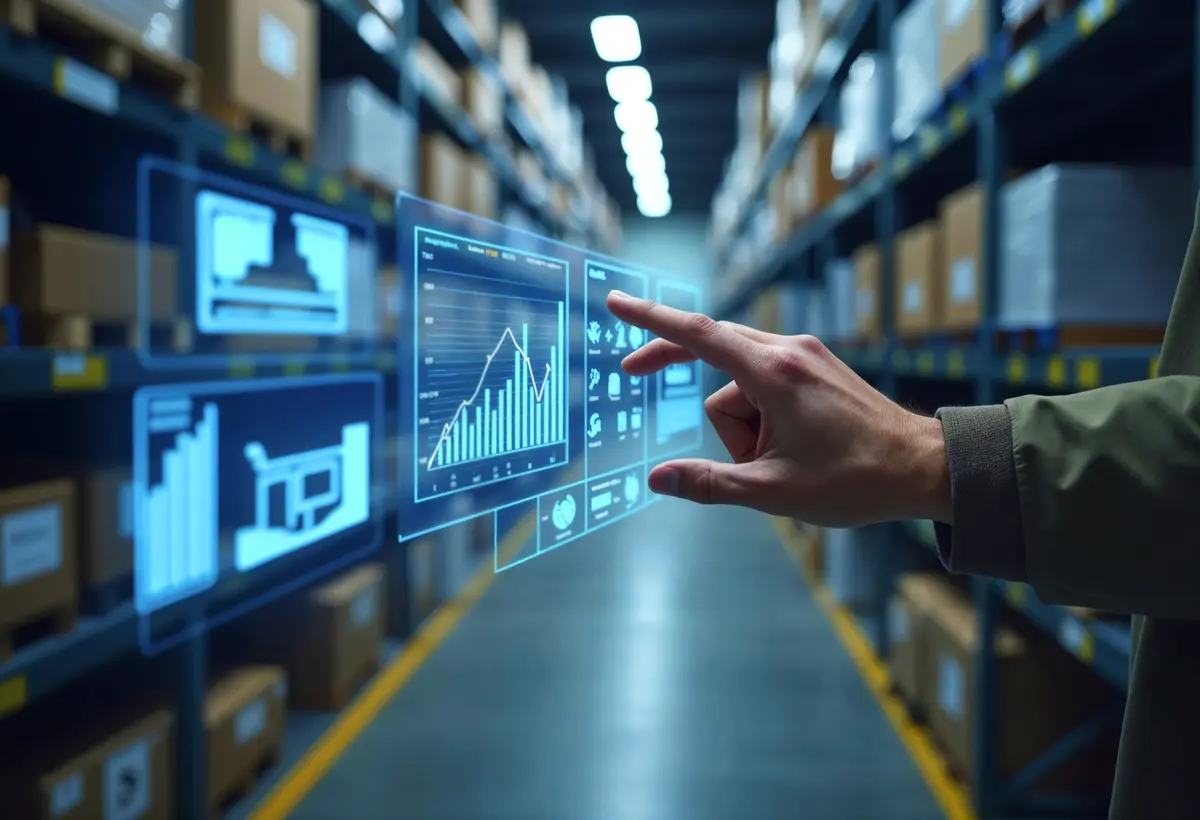
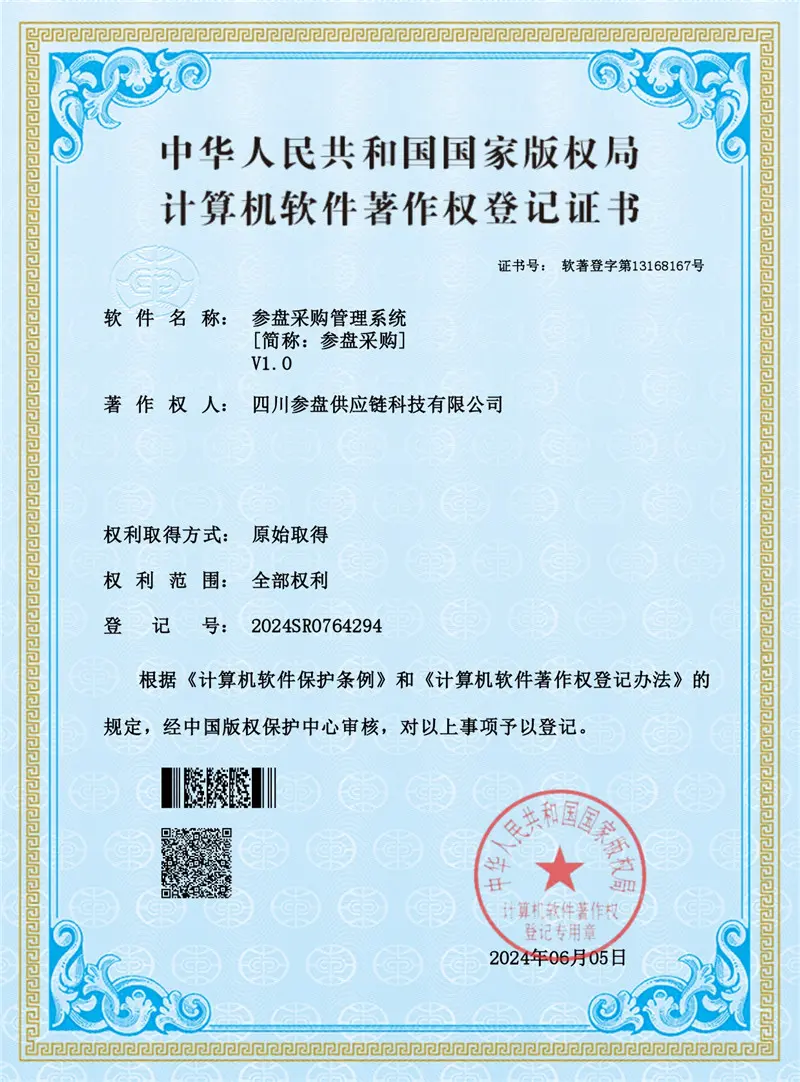
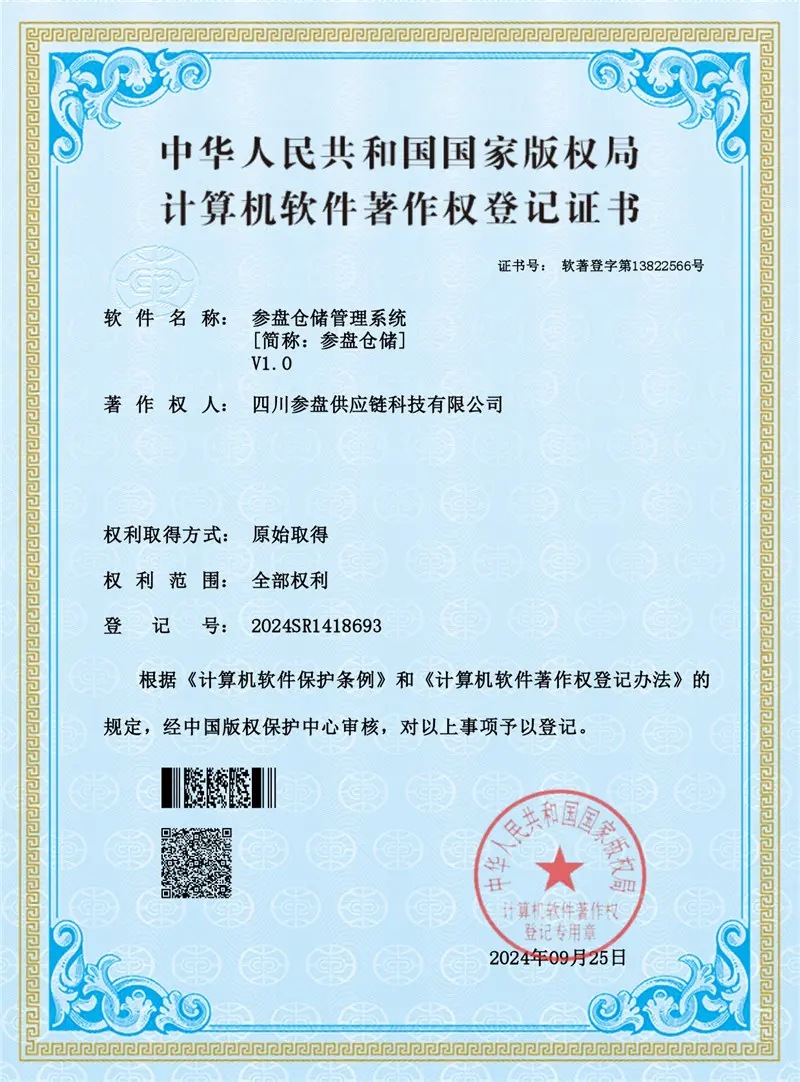
Taking the actual business needs as the cornerstone, SCP is committed to comprehensively innovating and enhancing the overall supply chain planning of enterprises. We provide enterprises with comprehensive end-to-end supply chain solutions, build a multi-role and multi-dimensional intelligent supply chain collaboration system, and achieve all-round efficient collaboration and process optimization.
At present, SCP has established a product architecture supported by software and hardware, and supplemented by the top-level design of the supply chain control tower to create an agile, flexible and efficient end-to-end supply chain system for enterprises. By deploying physical automation—such as our Laser SLAM Intelligent Forklifts—and linking it to cloud-based supply chain orchestration, we eliminate communication gaps between execution and high-level inventory planning.
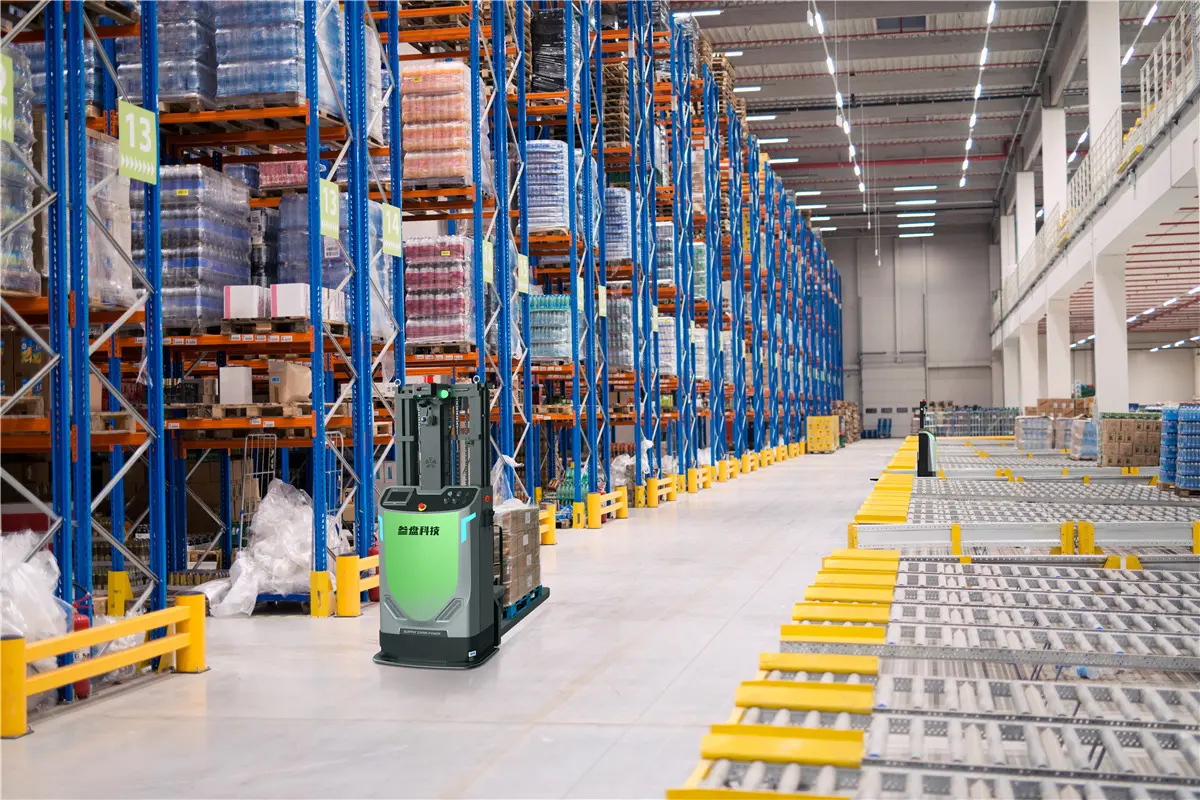
Why industrial operations trust SCP as their automated logistics partner.
As a subsidiary of New Hope Group, we possess an exceptionally strong market reputation and reliable project execution capabilities. We have gathered a deep understanding of multi-vertical manufacturing environments over decades.
We were incubated directly based on internal digital demands within the New Hope industrial network. Having deployed automated solutions in our own heavy industrial environments, we understand real floor challenges better than pure hardware manufacturers.
We hold 100% proprietary ownership and full integration capabilities for software spanning procurement, sales, WMS, and fleet scheduling. This allows us to fully customize solutions to match your existing tech stack.
Our partnerships extend beyond hardware sales. We offer consultation covering process optimization, layout design, throughput simulations, and fast project handovers via a highly skilled delivery team.
See how our range of Laser SLAM smart forklifts resolve logistics pain points in real-world environments.
Using models like the SFL-CDD15 and SFL-CDD14-H, facilities can shrink pallet lane clearance requirements to a minimum. Our Laser SLAM technology enables highly precise steering controls to safely retrieve and deposit payloads in aisles under 2 meters wide.
In high-care, low-temperature storage systems, manual driver turn-over is a major operational challenge. SCP's automated forklifts perform reliably in refrigerated spaces, linking raw food materials to dispatch bays without human error.
For heavy industrial transport, our high-capacity SFL-CBD15-ZL 3000kg dynamic pallet trucks handle long distances, feeding automated assembly lines and picking zones with raw parts directly from staging docks.
Building long-term solutions that balance efficiency, ecological footprints, and robust technological evolution.
In terms of technology research and development, SCP continues to increase its investment and constantly optimize the product architecture supported by software and hardware and the top-level design of the supply chain control tower.
By strengthening the self-development and integration capabilities of various systems in procurement, sales, and supply, we continuously improve the technical level and competitiveness of our products and services. We build a solid foundation for the sustainable development of enterprises and the industry with leading technologies. At the same time, we actively explore the application of cutting-edge technologies in the supply chain field, promote technological iteration and upgrading, and maintain a leading position in the industry in terms of technology.
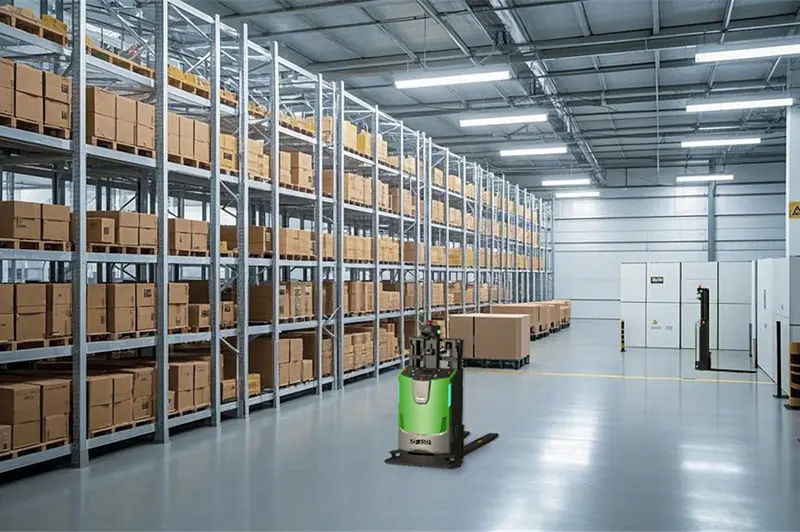
In terms of ecological construction, relying on the rich industrial resources and extensive business layout of Caogenziben, SCP deeply explores the supply chain needs of multiple industries such as food consumption and creates solutions that are suitable for actual scenarios.
By empowering key links such as cold chain logistics, we promote the standardized management and efficiency improvement of the supply chain and facilitate the collaborative development of the entire industrial chain. In addition, we actively carry out in-depth cooperation with overseas partners, absorb international advanced experience and technologies, expand the international market, enhance the global influence of the enterprise, and build a supply chain technology ecosystem with international competitiveness.
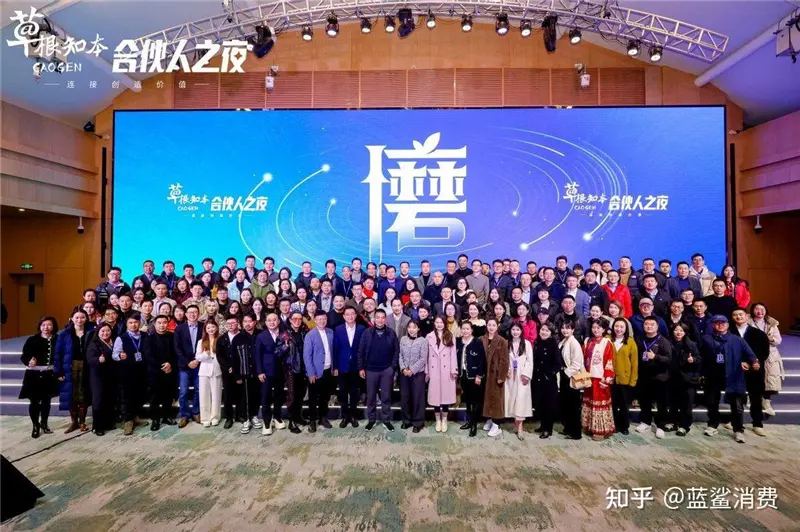
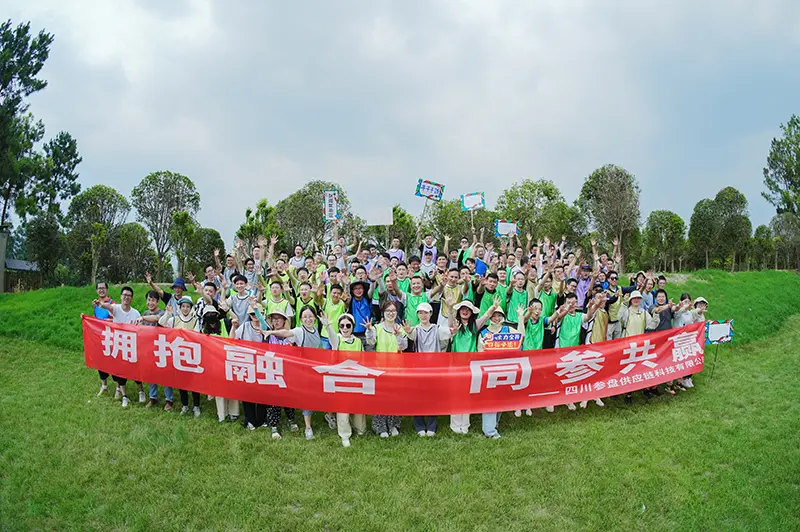
From a long-term development perspective, with the vision of "Leading the technological upgrade of the supply chain and achieving extraordinary value for transformers", SCP integrates the concept of sustainable development into its corporate strategic planning and daily operations.
We not only focus on our own growth and profitability but also look to promote the green, intelligent, and efficient development of the industry. We build a more perfect supply chain collaboration system for future enterprises. While achieving our own sustainable development, we create greater value for society and become a backbone force in promoting the sustainable development of the supply chain technology industry.
Accelerating towards autonomous fleet orchestration powered by advanced localization technologies.
Integrating LiDAR, 3D vision cameras, and high-frequency IMUs to achieve ±5mm localization and picking repeatability in dynamic environments.
Implementing mesh-based peer-to-peer fleet communication. Robots negotiate intersection right-of-ways and coordinate tasks autonomously, bypassing server latency issues.
Developing deep integrations using open APIs to align forklift telemetry with inventory management platforms for dynamic, demand-driven slotting.
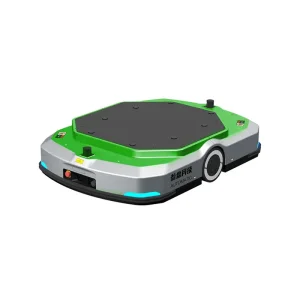
Operating from China's primary manufacturing hubs grants SCP significant supply chain advantages. Our factory integrates components vertically—from heavy-grade chassis fabrications (like the AMB-CSW10-BH 1T mobile robot chassis) to laser navigation sensor arrays. This local supply chain concentration cuts manufacturing times, reduces component shipping lag, and offers substantial cost savings that we pass along directly to our global customers.
Furthermore, China’s industrial ecosystem allows for rapid iteration cycles. A custom engineering request that typically takes months elsewhere can be designed, prototyped, and tested in our factory in a matter of weeks, ensuring your automation timeline stays on track.
Ensuring compliance with rigorous international safety and manufacturing standards.
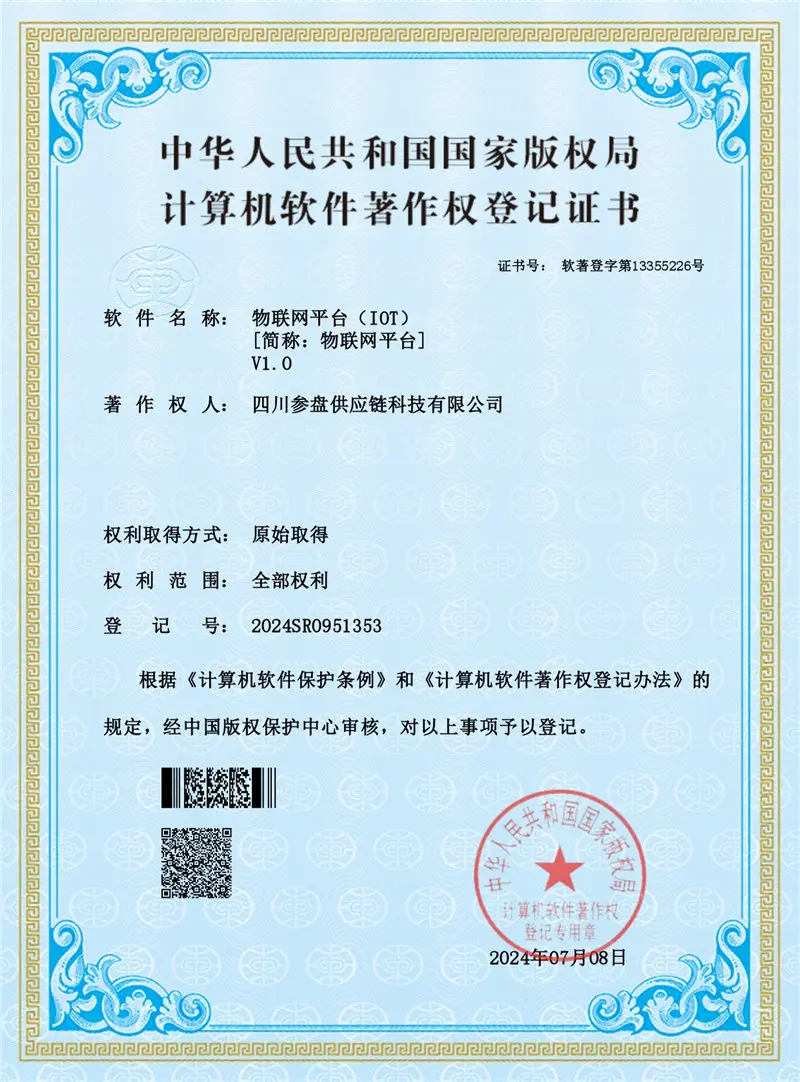
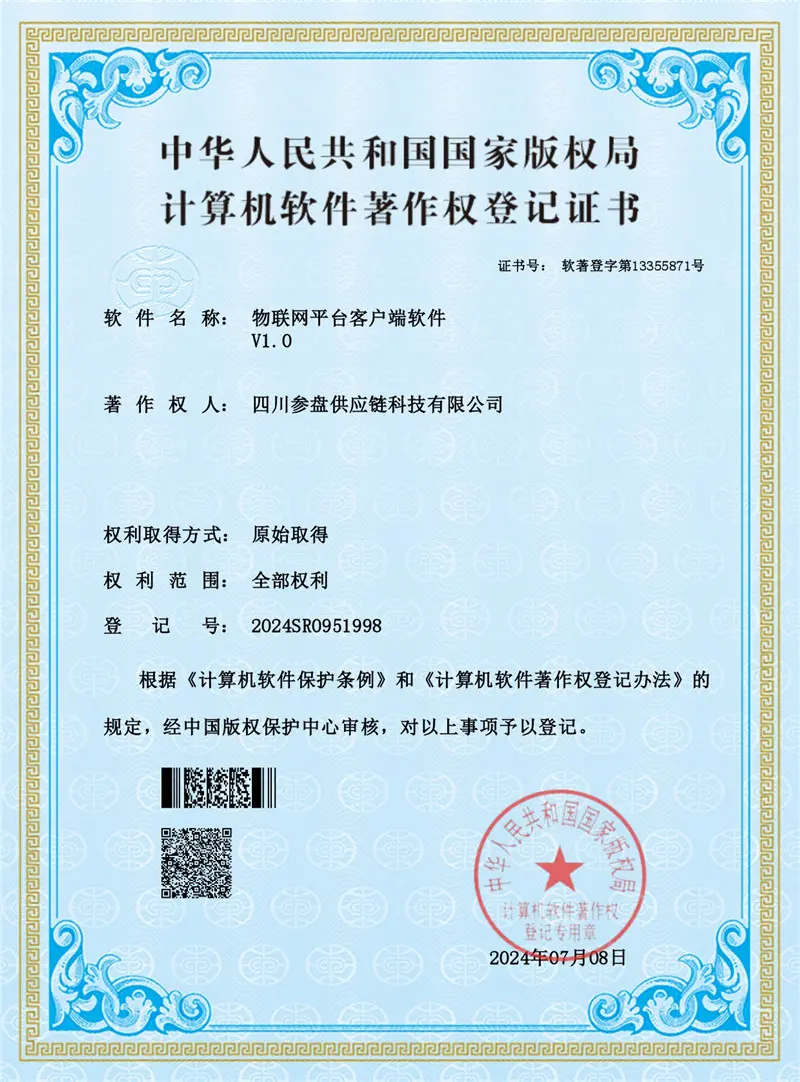
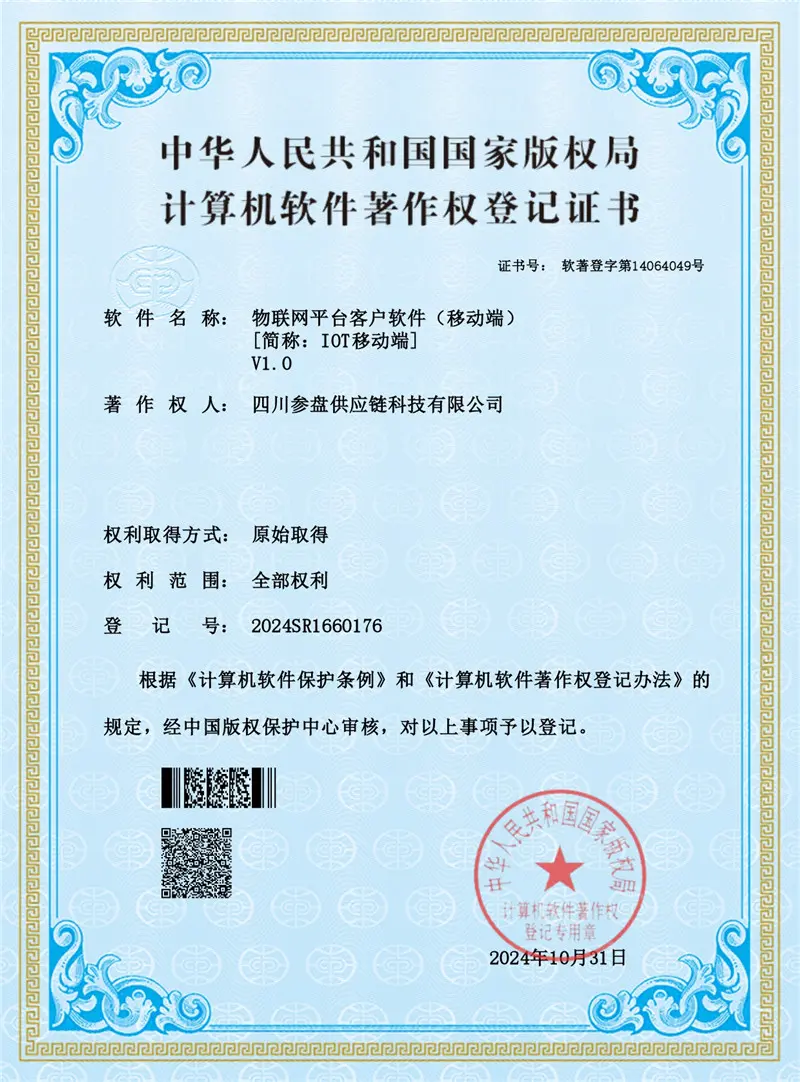
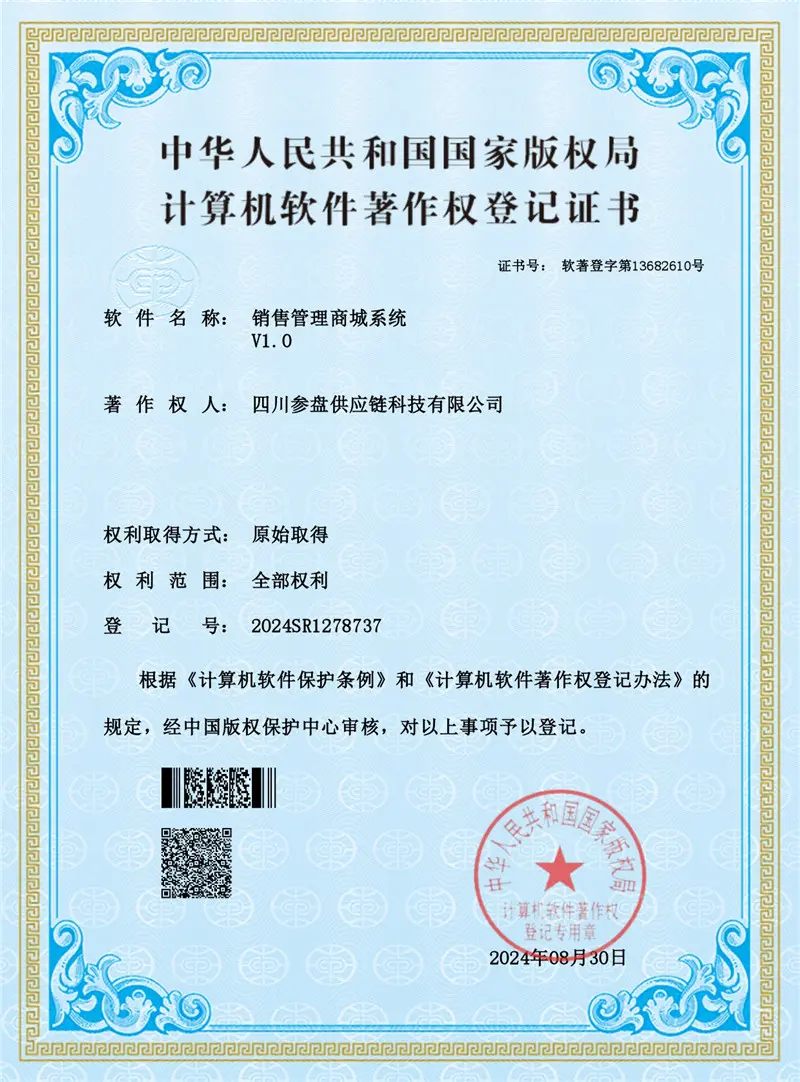
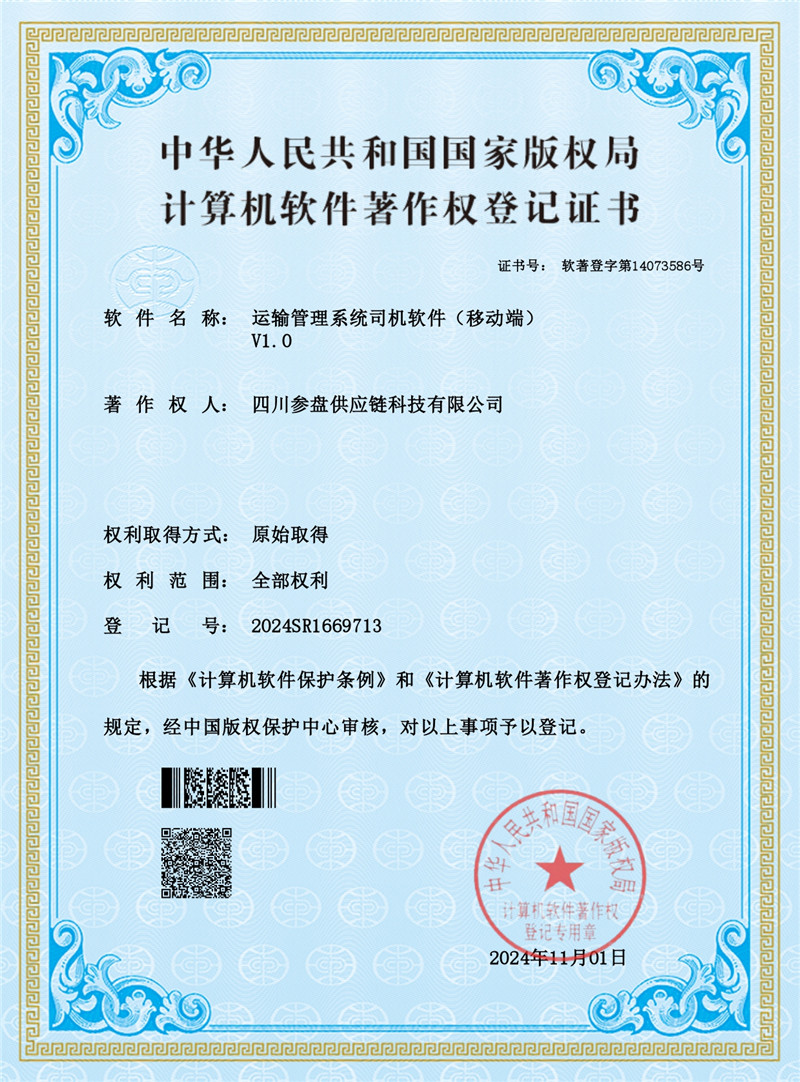
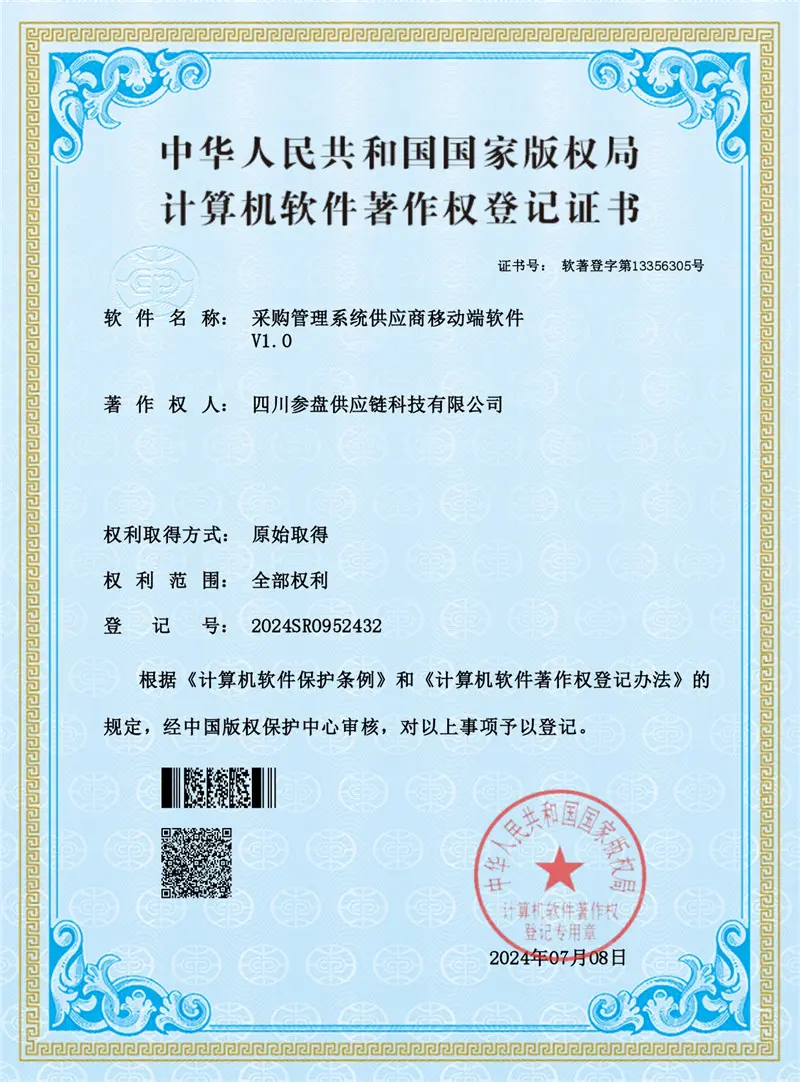
Providing seamless, fully compliant deployments alongside long-term post-sale security.
Every automated forklift and mobile chassis leaving our plant complies with global regulatory standards, including CE certification, UL compliance, and OSHA workplace safety norms. Real-time safety LIDAR fields, physical bumpers, and dual emergency-stop loops guarantee hazard-free collaboration alongside human workers.
Deployments are backed by localization teams. We provide site-surveys, factory-integration assessments, and train-the-trainer workshops. By partnering with local integrators worldwide, we ensure replacement parts and maintenance resources are always within reach.
Find answers to common questions about implementing, maintaining, and deploying automated guided forklifts.
Traditional Automated Guided Vehicles (AGVs) rely on static routes defined by magnetic floor tape, wires, or QR codes. Laser SLAM Autonomous Mobile Robots (AMRs) build an internal map of your warehouse layout using laser sensors, allowing them to dynamically route around obstacles and adapt to new floor plans without physical changes to the building.
We supply a variety of load-handling systems ranging from compact models like the SFL-CDD14 (1400kg capacity) up to heavy-duty options like the SFL-CBD15-ZL (3000kg capacity). These models accommodate standard GMA, EUR, and custom-engineered pallets.
Our fleet control software connects via open APIs with standard warehouse management (WMS) and enterprise resource planning (ERP) platforms. This ensures real-time order matching, inventory tracking, and dynamic dispatch scheduling across your entire facility.
Safety is central to our designs. Our systems feature safety PLC networks, obstacles-detecting LIDAR scanners with adaptive zones, 3D vision cameras to spot overhanging objects, and mechanical safety bumpers to guarantee collision-free performance.
Yes. Utilizing our specialized robot chassis systems (like the AMB-CSW10-BH 1T) and our vertical engineering capabilities, we can adapt top-modules, lift heights, and attachment arms to handle rolls, drums, bins, and custom rack systems.
Most facilities reach full return on investment (ROI) within 12 to 24 months. These savings are driven by reductions in labor costs, decreased product/facility damage from manual driver errors, and optimized, continuous round-the-clock throughput.
Explore our extended lineup, including compact models, high-performance mobile chassis, and heavy-payload solutions.
 SCP
SCP