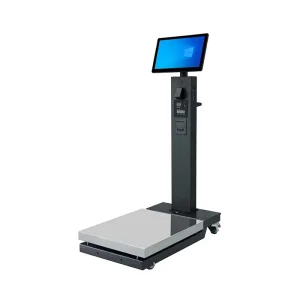
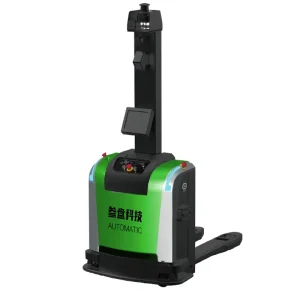
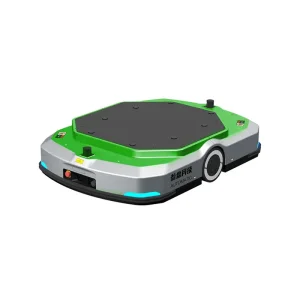
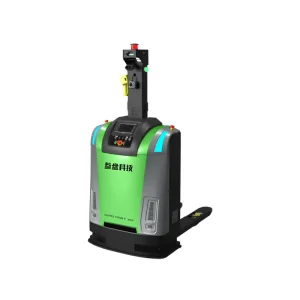
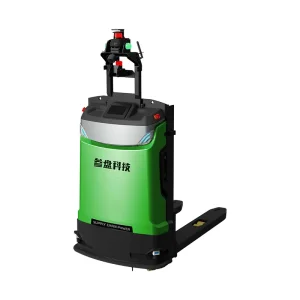
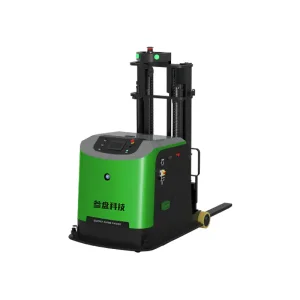
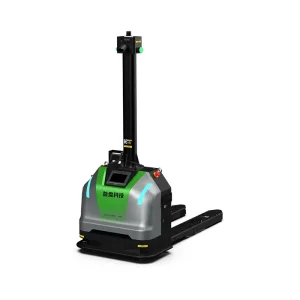
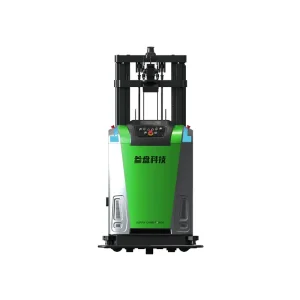
In modern industrial facilities, the pressure to enhance efficiency, reduce human error, and achieve 24/7 continuous operations has catalyzed a transition toward intelligent robotic automation. Among the critical technologies driving this evolution are Automated Guided Carts (AGCs) and Laser SLAM (Simultaneous Localization and Mapping) automated guided vehicles (AGVs). As an industry leader backed by the global industrial layout of the New Hope Group, we deliver advanced software-and-hardware-integrated solutions designed to convert traditional material handling pathways into highly optimized, digital data pipelines.
Historically, automated guided carts relied heavily on magnetic tape, optical lines, or physical markers to traverse factory floors. While effective for simple, static routines, these legacy configurations lack the agility required for dynamic modern manufacturing environments. Today, the convergence of high-capacity lithium battery technology, advanced LiDAR sensors, and edge AI computation has unlocked a new tier of flexibility. The best AGC and smart forklift systems navigate dynamically around obstacles, map complex layouts in real-time, and synchronize with warehouse control towers through cloud infrastructure.
The global automation landscape is undergoing a structured transition from magnetic guide tape to Laser SLAM. When procurement specialists evaluate potential partners, understanding the architectural and financial differences between these navigation paradigms is vital:
Purchasing automated guided vehicles and carts requires a systematic evaluation that goes beyond unit price. Global logistics managers and procurement directors assess manufacturers using several critical vectors:
AGCs and smart forklifts operate in shared spaces alongside human personnel. Modern equipment must comply with strict international regulatory frameworks, including EN ISO 3691-4 (Safety requirements for driverless industrial trucks) and ANSI/ITSDF B56.5. Dual-channel LiDAR sensors, physical safety bumpers, and active warning indicators are standard safety requirements on our machinery.
Hardware is only as effective as the software driving it. The best AGC configurations integrate seamlessly with Warehouse Management Systems (WMS) and Enterprise Resource Planning (ERP) platforms. A robust API architecture and standard MQTT or OPC UA protocols are vital to ensure automated tasks trigger dynamically from sales, production, or inventory milestones.
While the initial capital expenditure of smart AGCs and laser SLAM forklifts is higher than manual options, their return on investment is realized through 24/7 productivity, reduced material damage, lower recruitment costs, and decreased facility heating/lighting requirements in "lights-out" warehouses. Most enterprises report a full ROI within 12 to 18 months of deployment.
Taking the actual business needs as the cornerstone, SCP is committed to comprehensively innovating and enhancing the overall supply chain planning of enterprises. We provide enterprises with comprehensive end-to-end supply chain solutions, build a multi-role and multi-dimensional intelligent supply chain collaboration system, and achieve all-round efficient collaboration and process optimization. At present, SCP has established a product architecture supported by software and hardware, and supplemented by the top-level design of the supply chain control tower to create an agile, flexible and efficient end-to-end supply chain system for enterprises.
Benefiting farmers and bringing welfare to consumers
Leading the technological upgrade of the supply chain and achieving extraordinary value for transformers
Alliance of Developers of New Quality Supply Chain Technology
As a subsidiary of New Hope Group, we have a good market reputation and execution ability. Moreover, we have an in-depth understanding of multiple industries.
We were incubated based on the digital needs of the business side within the New Hope system, and have participated in many projects of the same type. Therefore, we have a better understanding of the actual business scenarios and demands.
We possess the self-development and integration capabilities for various systems in procurement, sales, and supply. We can well meet the individual needs of different customers.
We provide certain light consulting services alongside projects, covering multiple dimensions such as process optimization and assessment weight, to assist customers in the construction of digital transformation of their supply chains.
We have a professional delivery team for commercial projects. We actively respond to the personalized needs of customers and can ensure fast and high-quality delivery according to customer requirements.
In terms of technology research and development, SCP continues to increase its investment and constantly optimize the product architecture supported by software and hardware and the top-level design of the supply chain control tower.
By strengthening the self-development and integration capabilities of various systems in procurement, sales, and supply, we continuously improve the technical level and competitiveness of our products and services. We build a solid foundation for the sustainable development of enterprises and the industry with leading technologies.
At the same time, we actively explore the application of cutting-edge technologies in the supply chain field, promote technological iteration and upgrading, and maintain a leading position in the industry in terms of technology.
In terms of ecological construction, relying on the rich industrial resources and extensive business layout of Caogenziben, SCP deeply explores the supply chain needs of multiple industries such as food consumption and creates solutions that are suitable for actual scenarios.
By empowering key links such as cold chain logistics, we promote the standardized management and efficiency improvement of the supply chain and facilitate the collaborative development of the entire industrial chain.
In addition, we actively carry out in-depth cooperation with overseas partners, absorb international advanced experience and technologies, expand the international market, enhance the global influence of the enterprise, and build a supply chain technology ecosystem with international competitiveness.
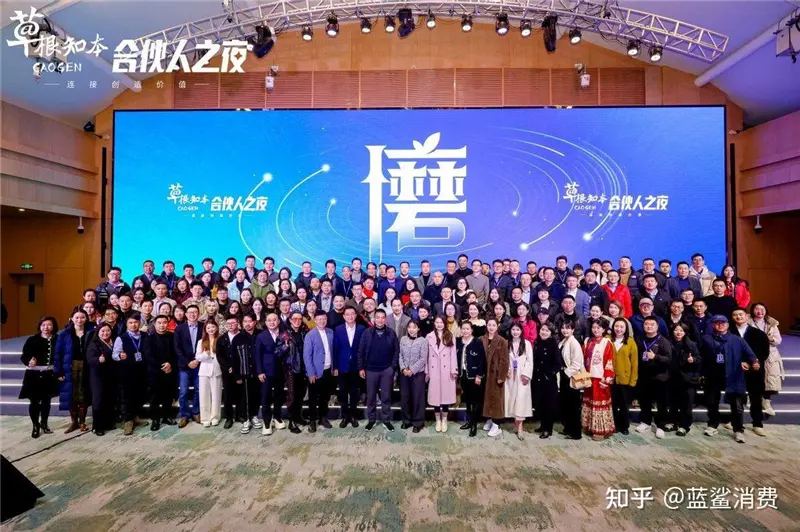
From a long-term development perspective, with the vision of "Leading the technological upgrade of the supply chain and achieving extraordinary value for transformers", SCP integrates the concept of sustainable development into its corporate strategic planning and daily operations.
We not only focus on our own growth and profitability but also look to promote the green, intelligent, and efficient development of the industry. We build a more perfect supply chain collaboration system for future enterprises.
While achieving our own sustainable development, we create greater value for society and become a backbone force in promoting the sustainable development of the supply chain technology industry.
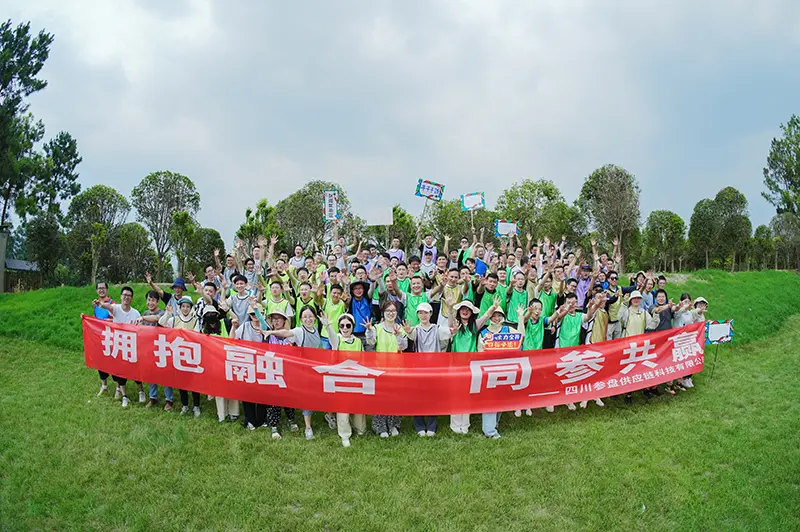
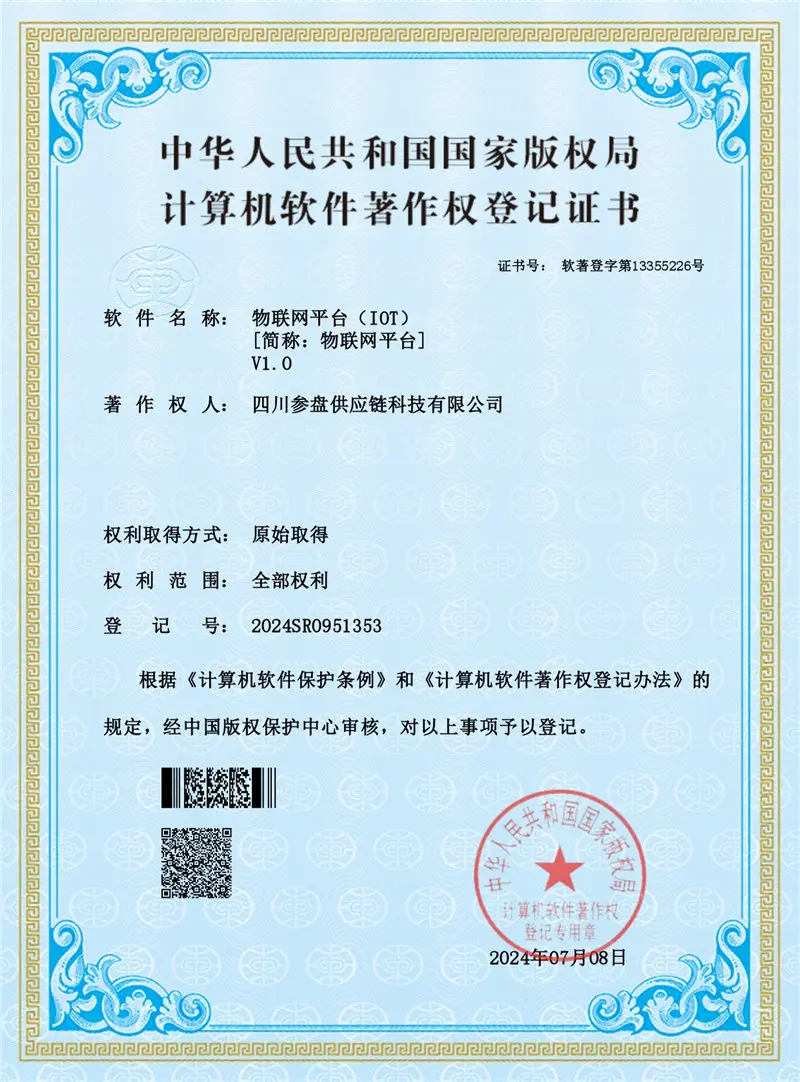
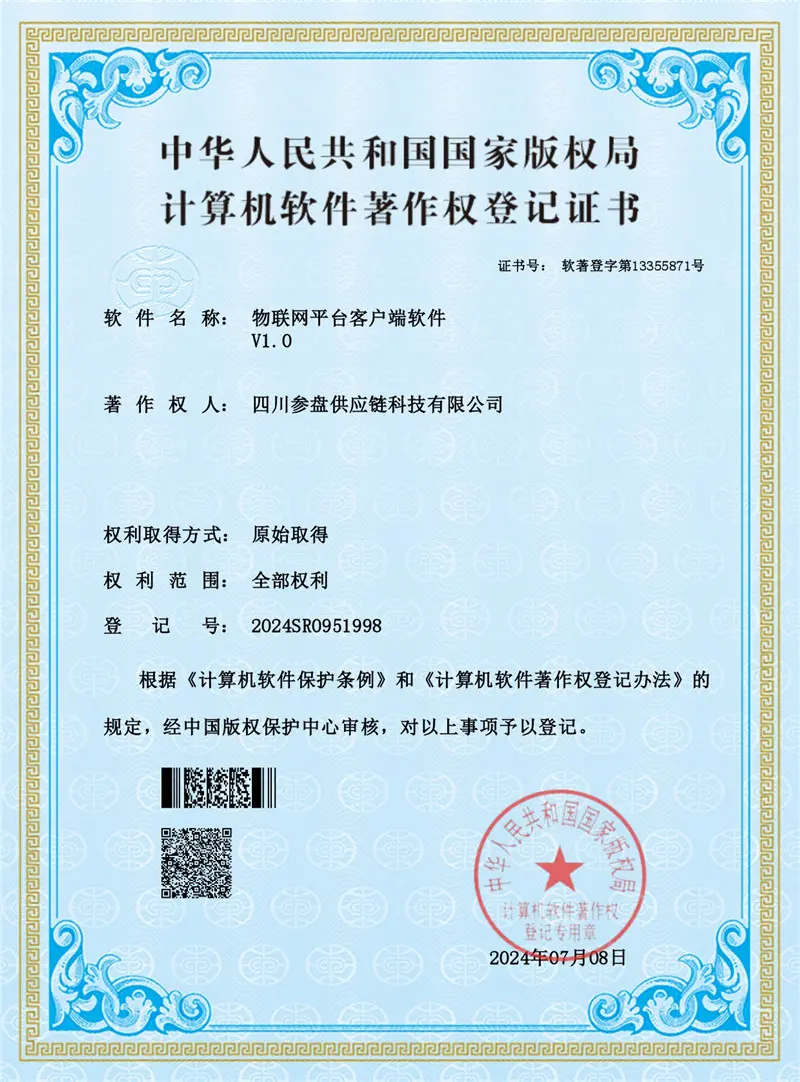
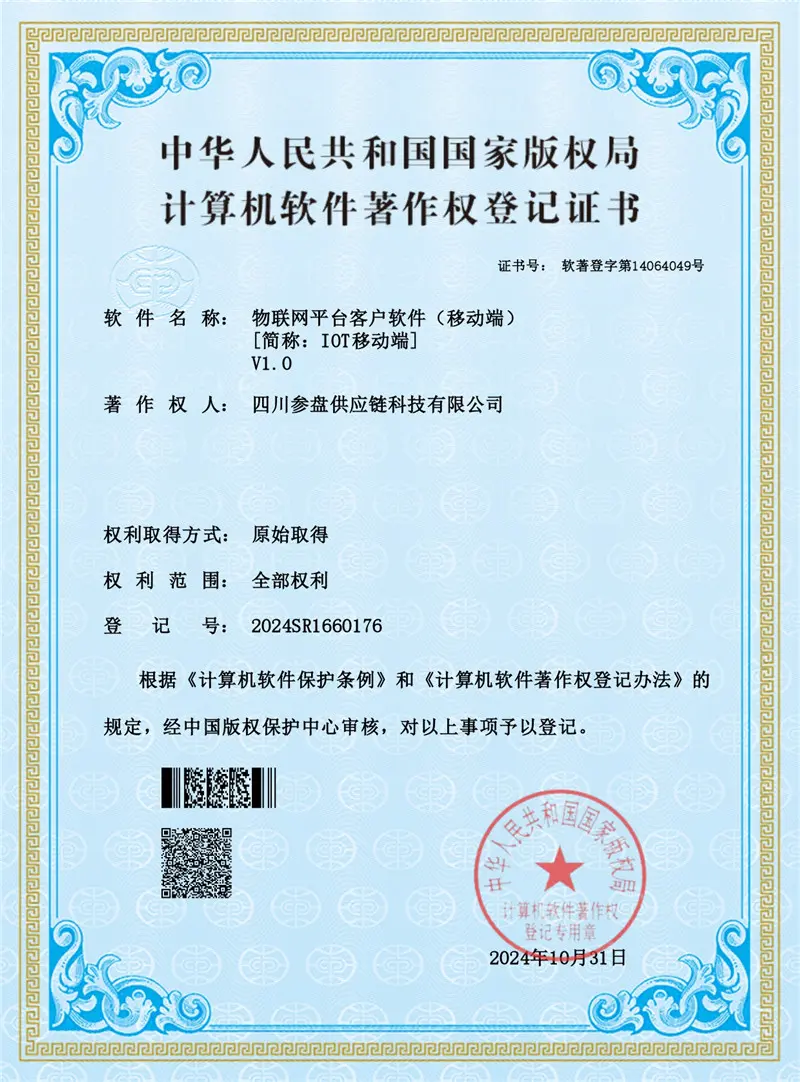
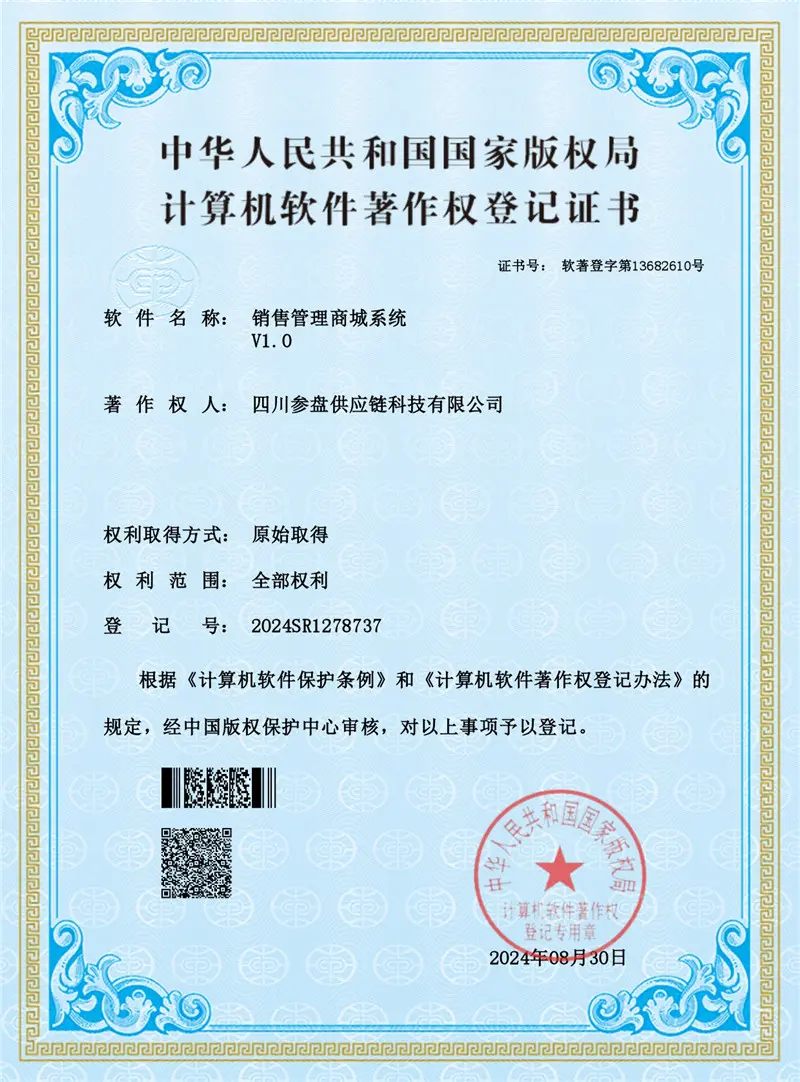
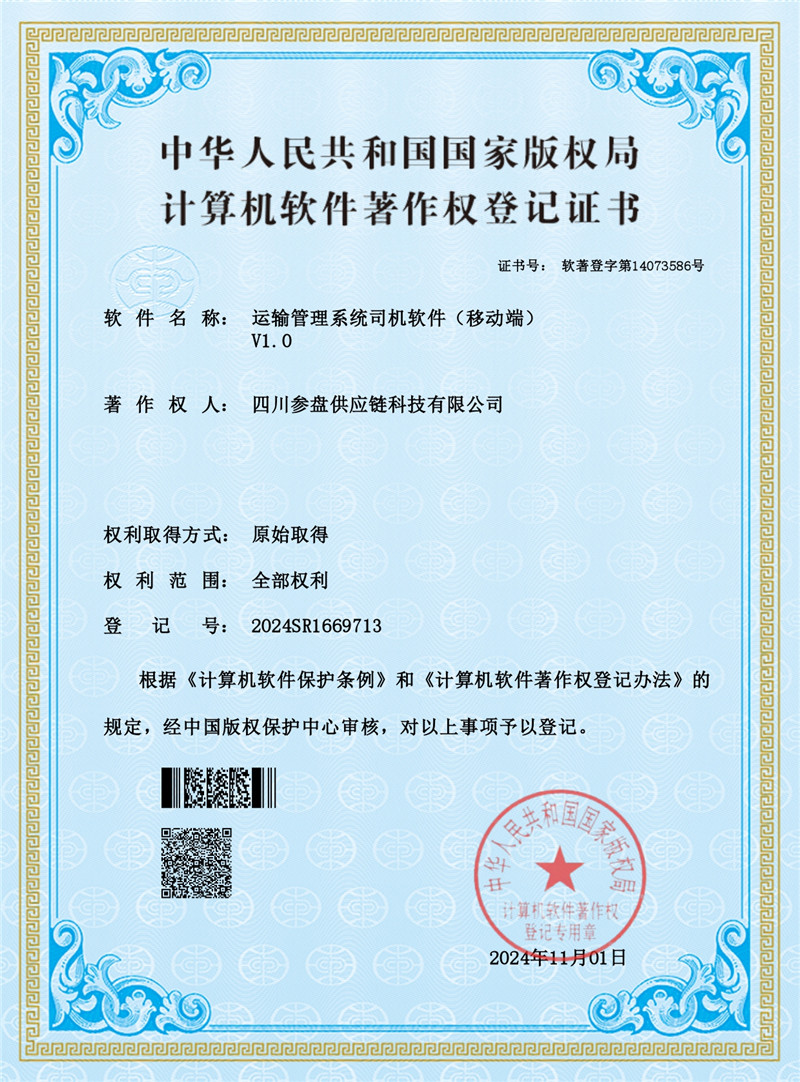
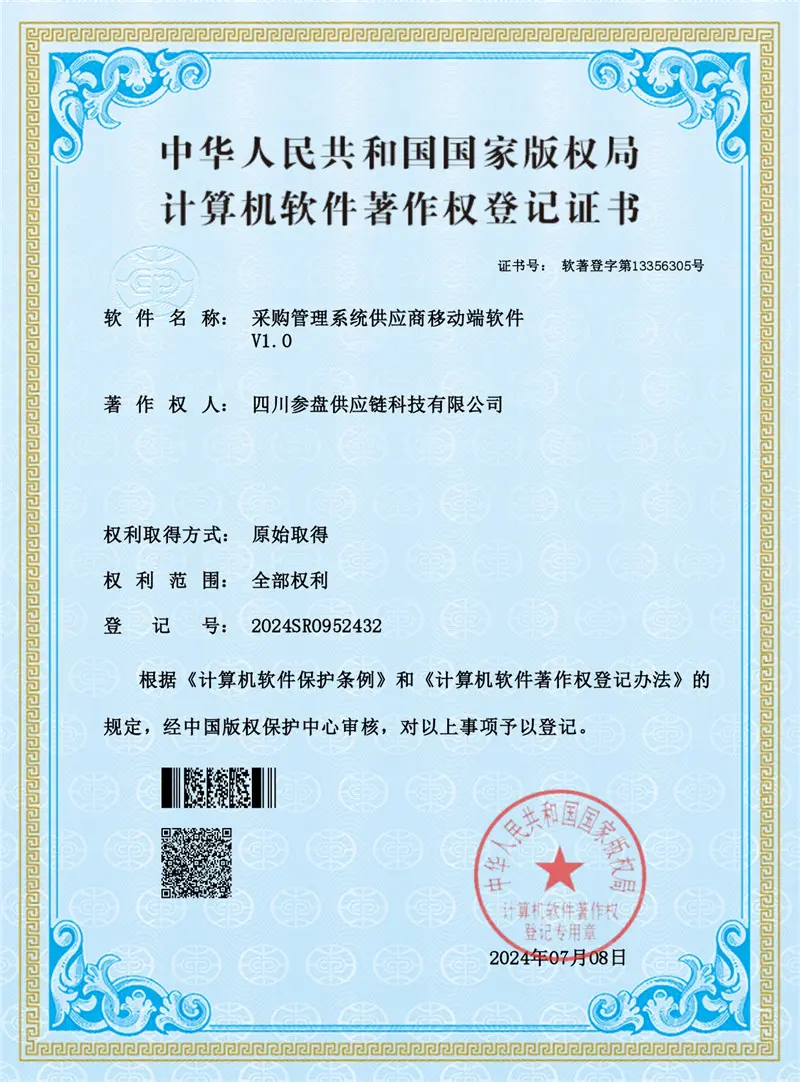
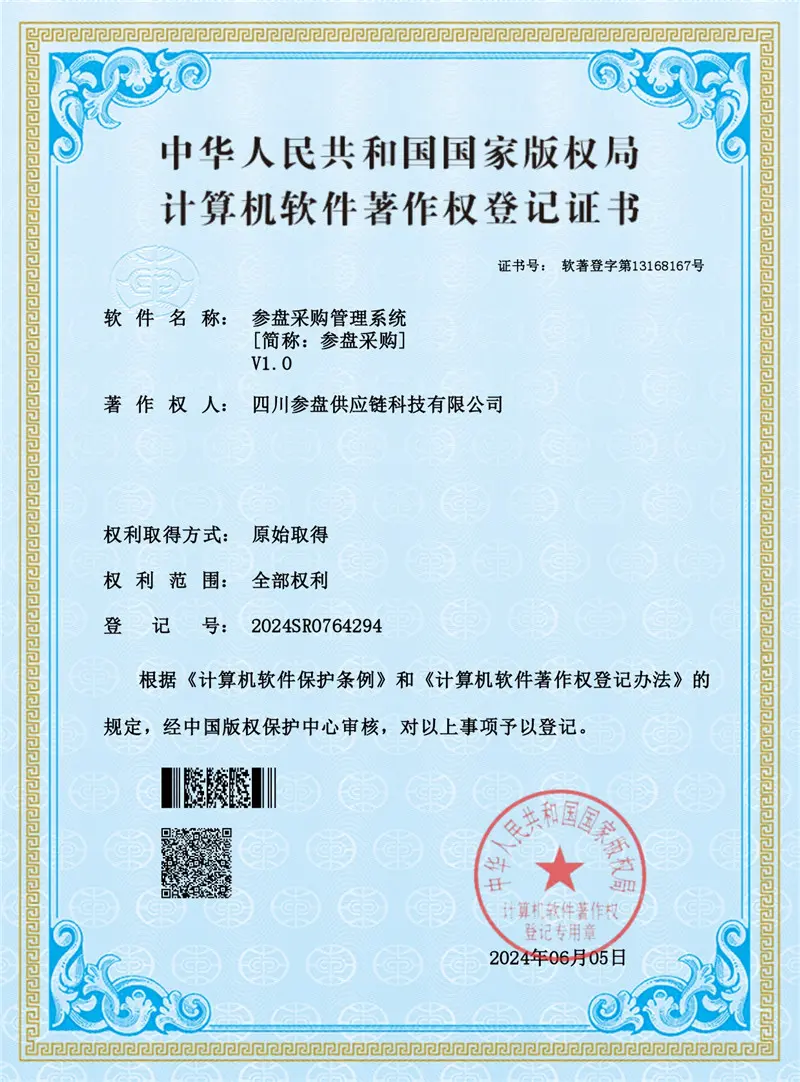
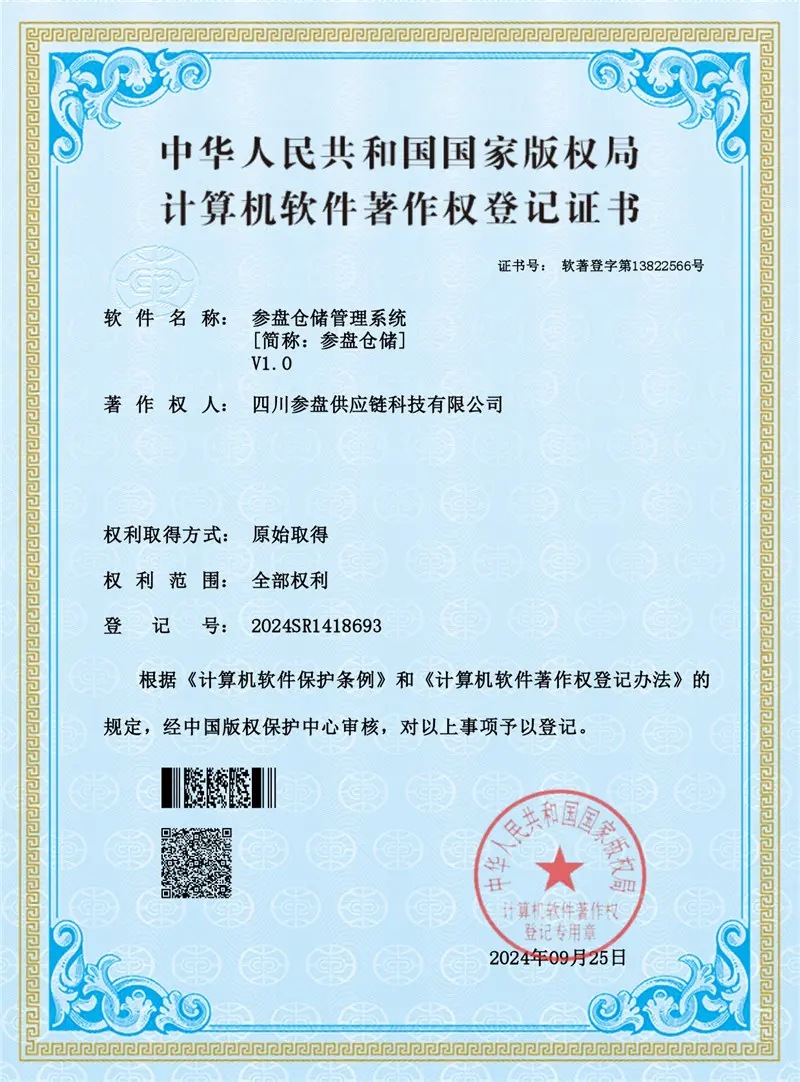
SCP focuses on providing comprehensive solutions for the food supply chain, as well as research and development of intelligent software and hardware products and services. The company aims to be based on the Internet of Things (IoT) AI, the comprehensive application of machine learning, intelligent devices and other technologies, through automated, digitized, intelligent and systematic technology products and solution matrices, enhances the overall operational efficiency of supply chain procurement/supply/sales, and helps upgrade the value of upstream and downstream industries.
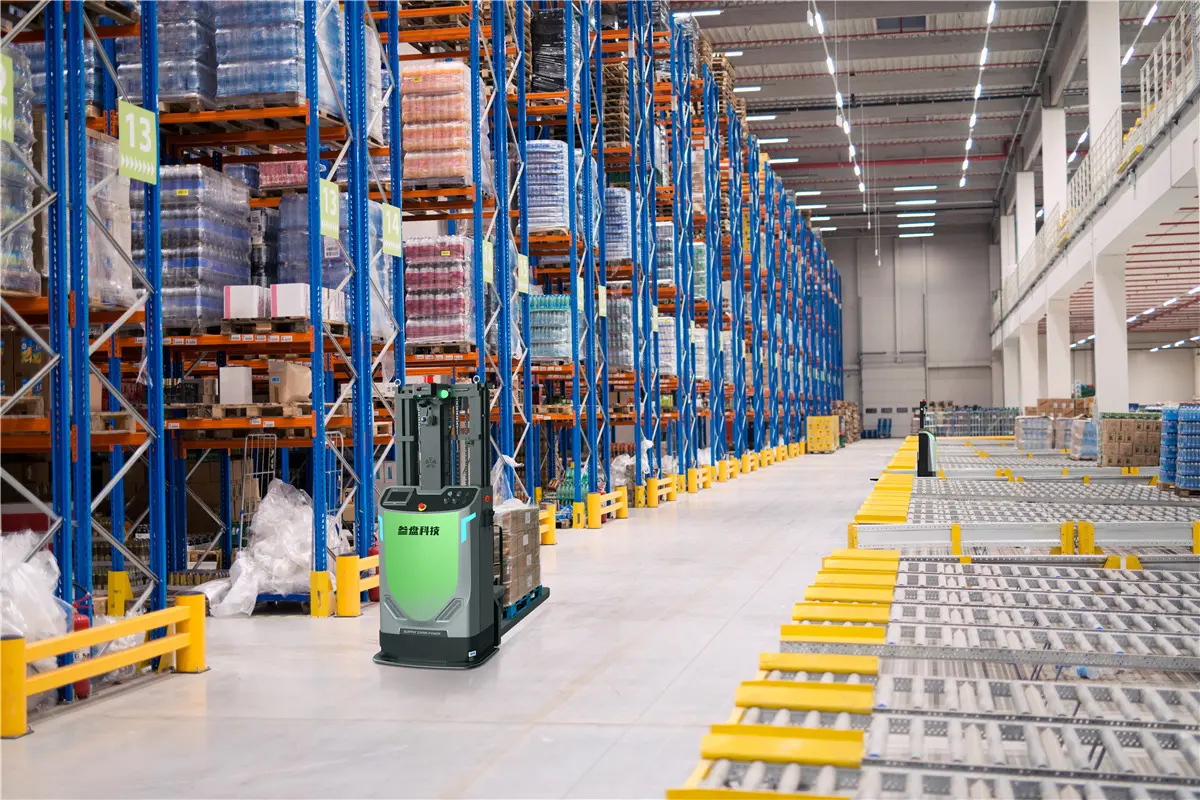
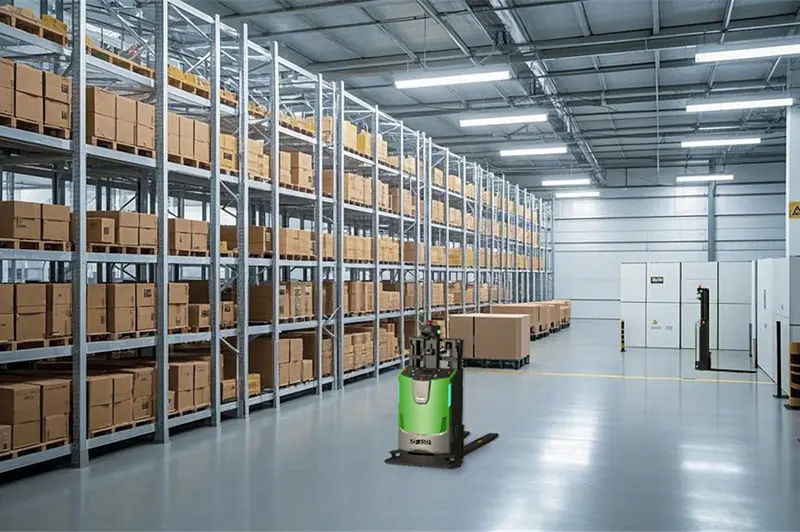
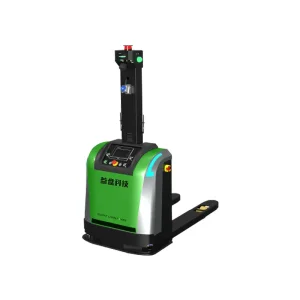
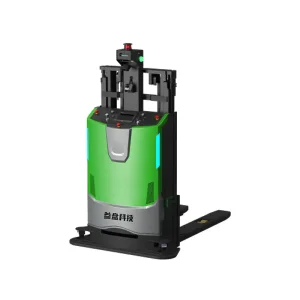
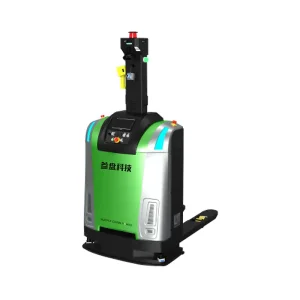
By integrating our advanced hardware systems, such as the AMB-CSW10-BH Mobile Robot Chassis and the high-precision SFL series laser SLAM smart forklifts, with our custom supply chain control towers, we eliminate communication bottlenecks across factory floors, logistics parks, and distribution networks. This dynamic framework bridges physical materials handling with high-level software orchestrations.
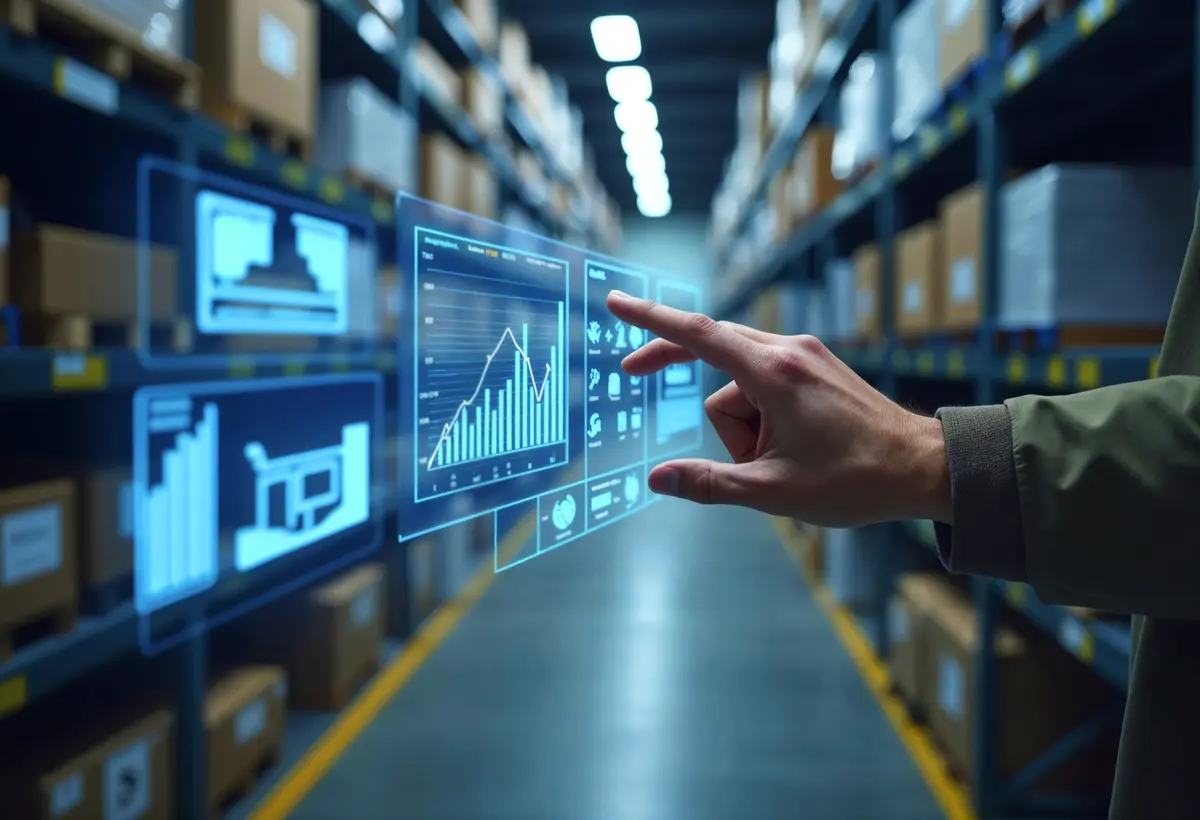
The intralogistics landscape is evolving beyond simple, pre-programmed vehicle paths. We are actively directing our technological development toward the integration of AI-driven swarm intelligence and predictive analytics. The upcoming iterations of our software-and-hardware product matrices focus on the following key pillars:
While Laser SLAM is highly effective in dynamic environments, certain warehouse configurations feature long corridors with few structural features. To ensure consistent tracking, our next-generation AGCs utilize hybrid navigation, combining Laser SLAM with QR code or reflector navigation. This maintains navigation accuracy of ±10mm under variable lighting and structural conditions.
Traditional dispatch systems allocate set paths to AGCs, leading to bottleneck areas in high-traffic zones. Our research focuses on swarm intelligence algorithm frameworks. This allows our SFL-series forklifts and AMB-series robot chassis to negotiate right-of-way permissions dynamically at intersections, reducing total travel time across fleets by up to 18%.
Unscheduled machine downtime can halt production lines. By integrating vibration, temperature, and battery telemetry sensors directly into our mobile robot chassis, we can predict drive motor or mechanical wear before failure occurs. Real-time diagnostic data is transmitted to the supply chain control tower, allowing maintenance teams to schedule service during planned downtime.
Automated Guided Carts (AGCs) are a streamlined class of AGVs, typically designed for lighter payloads, lower profiles, and straightforward towing or under-cart-lifting duties. Historically, AGCs utilized magnetic tape or optical guidelines. Modern iterations, such as our Laser SLAM forklifts and mobile robot chassis, combine the low-profile cost-efficiency of traditional AGCs with the advanced navigation, obstacle avoidance, and fleet-wide software integration of full-scale AGVs.
Laser SLAM (Simultaneous Localization and Mapping) uses onboard LiDAR sensors to continuously scan the surrounding environment, generating a dynamic 2D or 3D point cloud. The vehicle compares the sensor data with its pre-loaded digital reference map. When personnel, manual forklifts, or temporary pallets change the environment, the SLAM algorithm filters out these temporary changes, references the static structural features (such as columns or walls) for positioning, and calculates a safe path around the dynamic obstacles.
Yes. Our product architecture is designed with interoperability in mind. Our software systems interface with Manufacturing Execution Systems (MES), Warehouse Management Systems (WMS), and enterprise ERP networks via open APIs, TCP/IP sockets, MQTT, or OPC UA protocols. This integration allows the supply chain control tower to dispatch vehicles automatically based on order completions or inventory thresholds.
Our smart forklifts feature multi-tiered safety systems. These include safety-rated LiDAR scanners for 360-degree obstacle detection, physical bumper switches, acoustic warnings, visual projection lights, and emergency stop buttons. The vehicles support configurable warning, deceleration, and emergency stop zones to ensure safe operation alongside manual trucks and pedestrian traffic.
 SCP
SCP