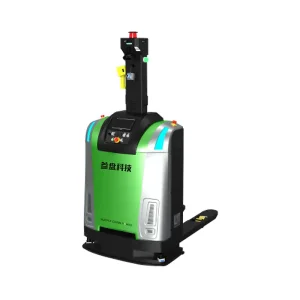
Explore our premium selection of Laser SLAM-powered AGV chassis and high-capacity stackers engineered for industrial robustness and high flexibility.
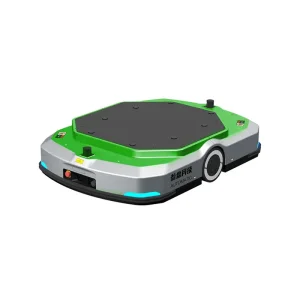
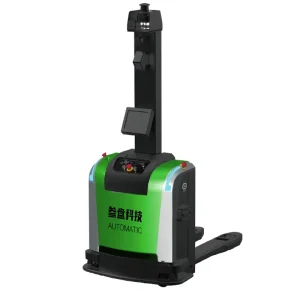
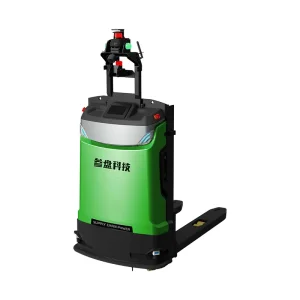
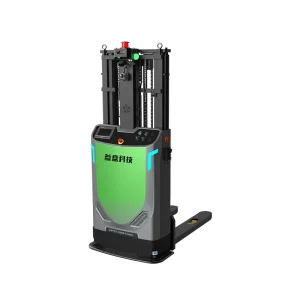
In the landscape of modern material handling, the transition from rigid, path-locked Automated Guided Vehicles (AGVs) to highly adaptive Autonomous Mobile Robots (AMRs) has redefined industrial productivity. Historically, automated towing relied on physical guidepaths, such as magnetic tapes or embedded inductive wires. While reliable, these installations suffered from high layout-reconfiguration costs and sensitivity to floor deterioration. Today, the manufacturing sector demands agile, non-intrusive navigation paradigms that fit into dynamic environments without structural overhauls.
The core technology driving this transition is Laser SLAM (Simultaneous Localization and Mapping). By using LiDAR sensors to map the contours of a facility in real-time, modern towing AGVs calculate optimal pathways, bypass obstacles dynamically, and adjust routing based on active WMS (Warehouse Management System) triggers. Our technology roadmap outlines a clear migration from simple navigation to collective intelligence:
Combining Laser SLAM with secondary positioning technologies like reflector markers and QR code arrays. This ensures uninterrupted operation in large, open warehouses where wall features are sparse.
Integrating machine learning algorithms at the edge. The vehicle learns traffic patterns, predicts high-congestion zones, and optimizes deceleration profiles based on payload weight and center of gravity.
Transitioning from centralized dispatch systems to decentralized peer-to-peer communication. Vehicles dynamically share path data and negotiate right-of-way directly at intersections, reducing latency.
Our roadmap prioritizes interoperability through standardized communication interfaces like VDA 5050. This protocol guarantees that our high-performance mobile robot chassis and Laser SLAM forklifts work alongside heterogeneous fleets. By standardizing interfaces, enterprises bypass vendor lock-in, enabling rapid scaling as material flows evolve.
Industrial sectors face unique logistical friction points. High-throughput manufacturing, cold-chain food storage, and precision agricultural distribution demand specialized automation architectures. As a subsidiary of the New Hope Group and drawing on the ecosystem of Caogenziben, SCP designs integrated hardware and software solutions that address sector-specific operational pressures.
Moving powertrain assemblies and heavy components requires exceptional reliability. Our heavy-duty towing chassis support up to 3T load capacities, utilizing synchronized multi-vehicle operations to tow large parts carts to assembly lines.
Operating in environments down to -25°C poses battery degradation and condensation challenges. SCP's specialized AGVs feature thermal management systems, insulated electronics, and specialized traction tires to prevent slippage in cold-storage units.
To support high-turnover operations, our SLAM stackers coordinate with WCS layers to handle random bin storage, execute vertical stack actions, and perform replenishment tasks with millimeter-level landing accuracy.
Our macro-industry strategy leverages our Supply Chain Control Tower. Instead of treating AGVs as isolated units, we integrate them into the plant's overall system architecture. This setup allows warehouse management software, enterprise resource planning, and autonomous fleets to operate on a shared data loop, giving stakeholders total visibility into material movements and asset health.
Selecting the right supplier involves looking beyond individual product specifications to evaluate their supply chain resilience. China's manufacturing ecosystem has evolved into a global center for precision robotics. By combining vertical hardware integration, local component sourcing, and advanced assembly lines, SCP delivers high-performance AGVs that offer a strong balance of performance and cost-efficiency.
From frame fabrication to sensor calibration, we control key production steps in-house. This minimizes supply chain delays and ensures consistent manufacturing quality.
Every robot chassis undergoes dynamic loading, continuous run, and environmental chamber testing before delivery to verify compliance with international standards.
Our proximity to top-tier component clusters allows us to integrate advanced technology, such as solid-state LiDARs and lithium-iron-phosphate (LFP) batteries, at competitive price points.
Our engineering team can customize chassis dimensions and towing attachments to meet specific application requirements, moving from design to prototype quickly.
This industrial foundation enables us to maintain shorter lead times than Western competitors. In markets with fluctuating demand, our capacity to deliver large fleets within 8 to 12 weeks helps customers complete projects on schedule without sacrificing build quality.
Enterprise procurement professionals look at several key factors beyond initial unit costs. Evaluating total cost of ownership (TCO), software integration capabilities, safety features, and compliance frameworks is essential to choosing the right partner. The table below outlines these key criteria:
| Evaluation Parameter | Key Requirements | SCP Implementation Standard |
|---|---|---|
| Safety Standards | ISO 3691-4, CE, UL 3100 compliance, redundant safety fields, dual-channel E-stop. | Certified components, redundant LiDAR zones, optical and acoustic safety warnings. |
| Software Integration | VDA 5050 protocol support, direct API integration with SAP/Oracle, RESTful web services. | Unified Fleet Management System (FMS) with built-in API adaptors and VDA 5050 compliance. |
| Battery Management | LiFePO4 chemistry, fast opportunity charging, automated docking, >3000 cycle life. | High-density LFP packs with custom BMS, automated charging contacts, 15-minute charge for 2-hour run. |
| Mechanical Versatility | Varying load capacities, automatic hitching hooks, omnidirectional drive units. | Chassis configurations supporting up to 3T towing, custom magnetic/mechanical couplers. |
Taking the actual business needs as the cornerstone, SCP is committed to comprehensively innovating and enhancing the overall supply chain planning of enterprises. We provide enterprises with comprehensive end-to-end supply chain solutions, build a multi-role and multi-dimensional intelligent supply chain collaboration system, and achieve all-round efficient collaboration and process optimization.
At present, SCP has established a product architecture supported by software and hardware, and supplemented by the top-level design of the supply chain control tower to create an agile, flexible and efficient end-to-end supply chain system for enterprises.
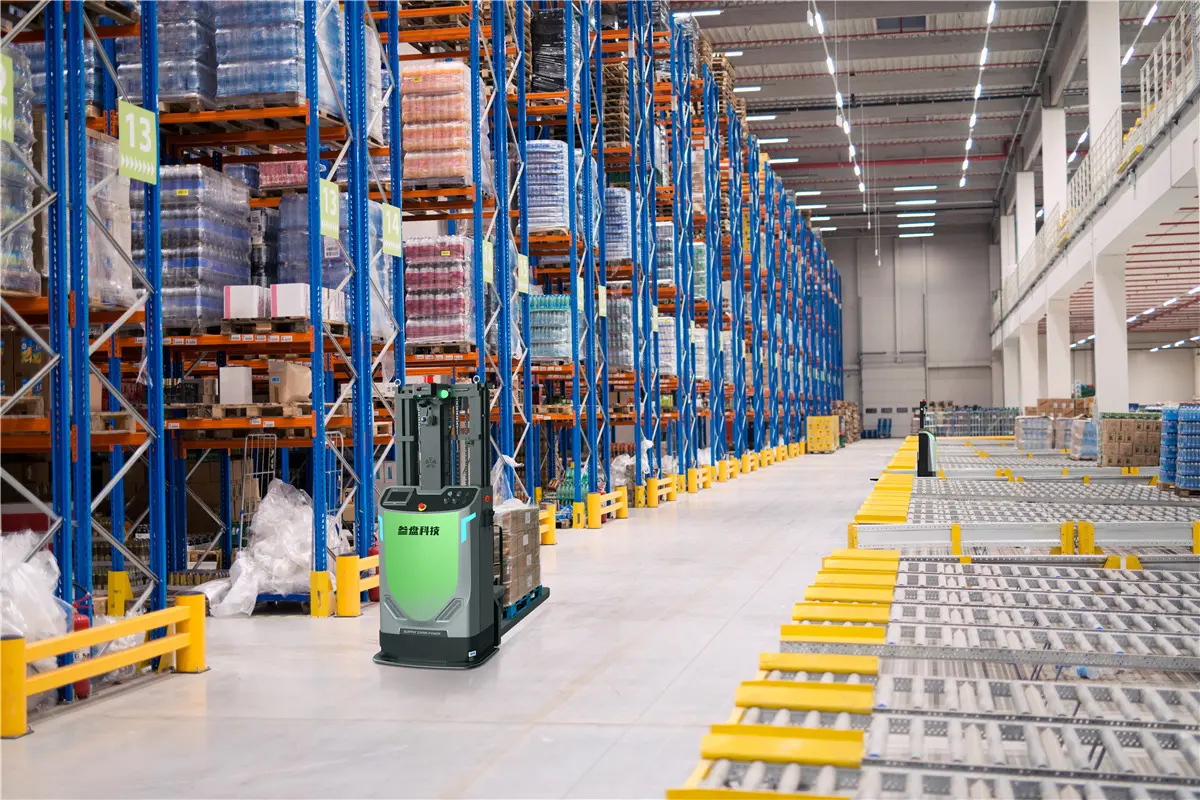
Delivering end-to-end engineering excellence from digital design to physical deployment on the factory floor.
As a subsidiary of New Hope Group, we have a strong market reputation and execution ability. Moreover, we have an in-depth understanding of multiple industries, allowing us to align automation projects with business goals.
We were incubated based on the digital needs of the business side within the New Hope system, and have participated in many projects of the same type. Therefore, we have a deep understanding of actual business scenarios and demands.
We possess the self-development and integration capabilities for various systems in procurement, sales, and supply. We can meet the individual integration needs of different customers.
We provide light consulting services alongside projects, covering multiple dimensions such as process optimization and assessment weight, to assist customers in the construction of digital transformation of their supply chains.
We have a professional delivery team for commercial projects. We actively respond to the personalized needs of customers and ensure fast and high-quality delivery according to customer requirements.
Through technology R&D, ecological construction, and a long-term development perspective, we build a solid foundation for the sustainable development of enterprises and the industry with leading technologies.
Integrating green principles and technological upgrades into the global logistics value chain.
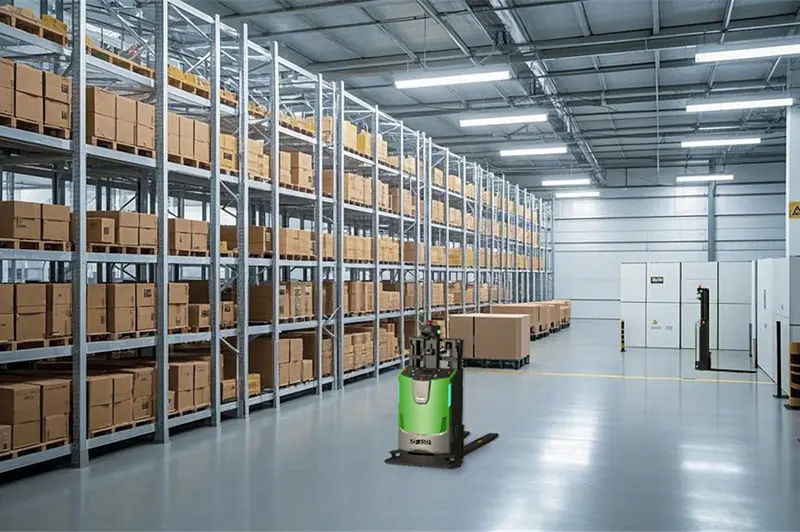
In terms of technology research and development, SCP continues to increase its investment and constantly optimize the product architecture supported by software and hardware and the top-level design of the supply chain control tower.
By strengthening the self-development and integration capabilities of various systems in procurement, sales, and supply, we continuously improve the technical level and competitiveness of our products and services. We build a solid foundation for the sustainable development of enterprises and the industry with leading technologies.
At the same time, we actively explore the application of cutting-edge technologies in the supply chain field, promote technological iteration and upgrading, and maintain a leading position in the industry in terms of technology.
In terms of ecological construction, relying on the rich industrial resources and extensive business layout of Caogenziben, SCP deeply explores the supply chain needs of multiple industries such as food consumption and creates solutions that are suitable for actual scenarios.
By empowering key links such as cold chain logistics, we promote the standardized management and efficiency improvement of the supply chain and facilitate the collaborative development of the entire industrial chain.
In addition, we actively carry out in-depth cooperation with overseas partners, absorb international advanced experience and technologies, expand the international market, enhance the global influence of the enterprise, and build a supply chain technology ecosystem with international competitiveness.
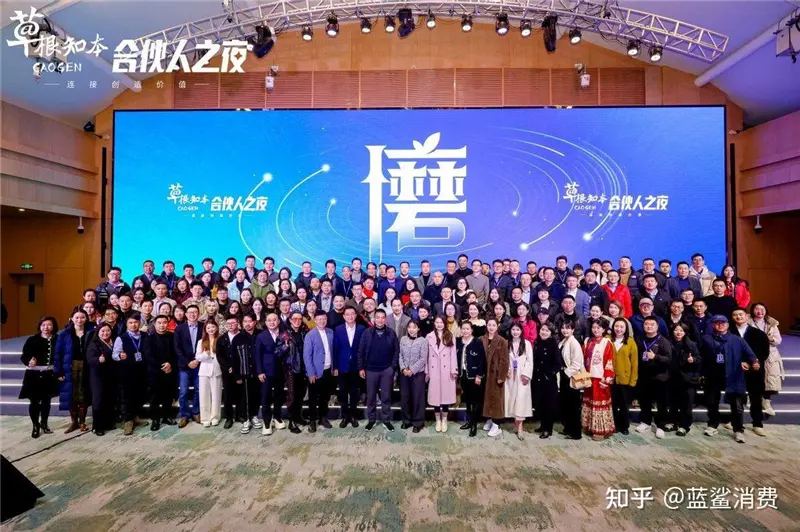
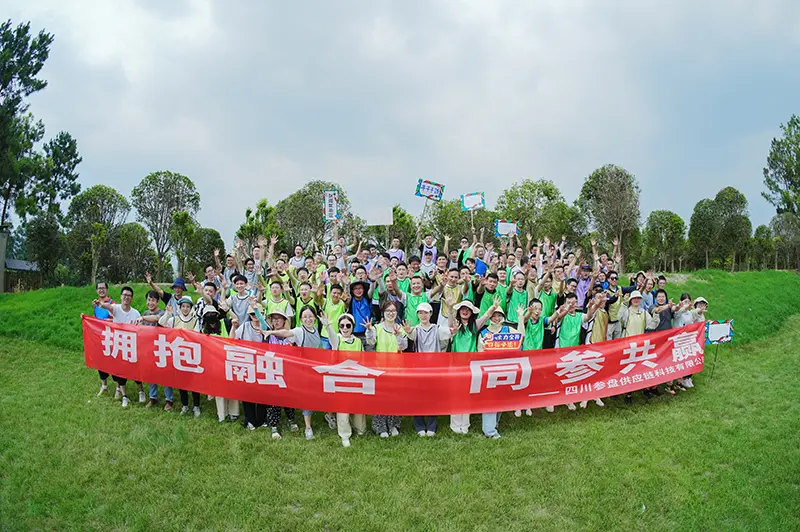
From a long-term development perspective, with the vision of "Leading the technological upgrade of the supply chain and achieving extraordinary value for transformers", SCP integrates the concept of sustainable development into its corporate strategic planning and daily operations.
We not only focus on our own growth and profitability but also look to promote the green, intelligent, and efficient development of the industry. We build a more perfect supply chain collaboration system for future enterprises.
While achieving our own sustainable development, we create greater value for society and become a backbone force in promoting the sustainable development of the supply chain technology industry.
Verified safety, quality, and design standards ensuring reliable performance globally.
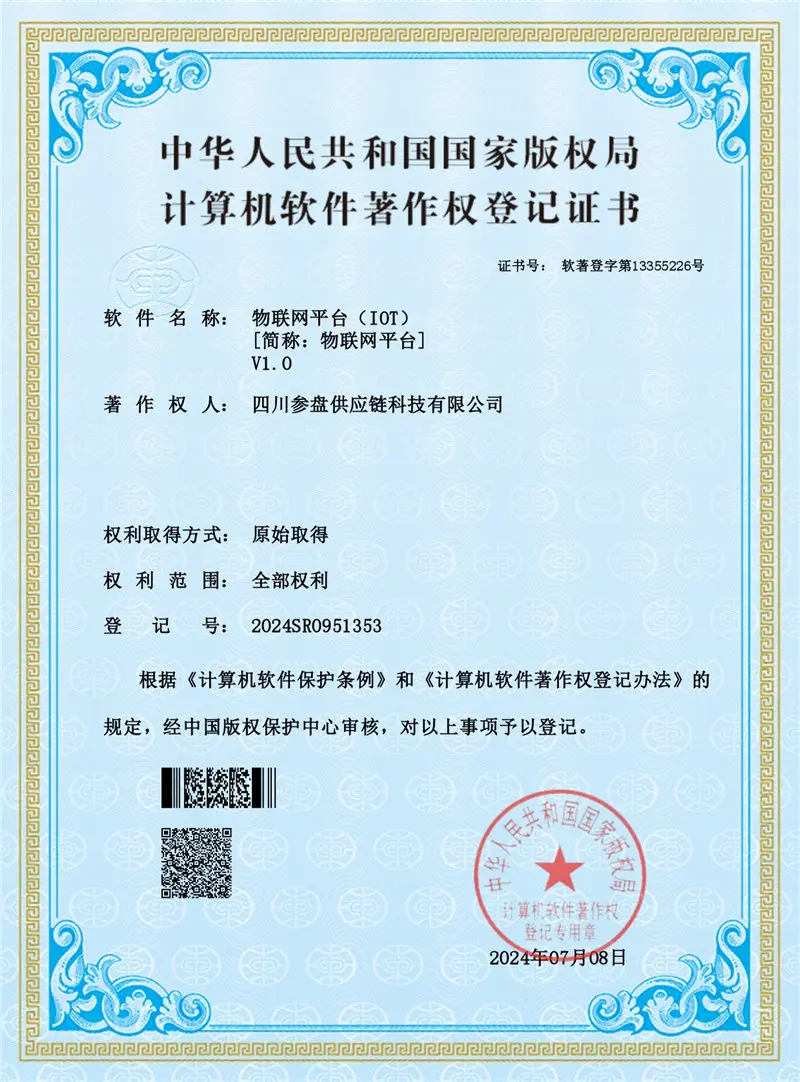
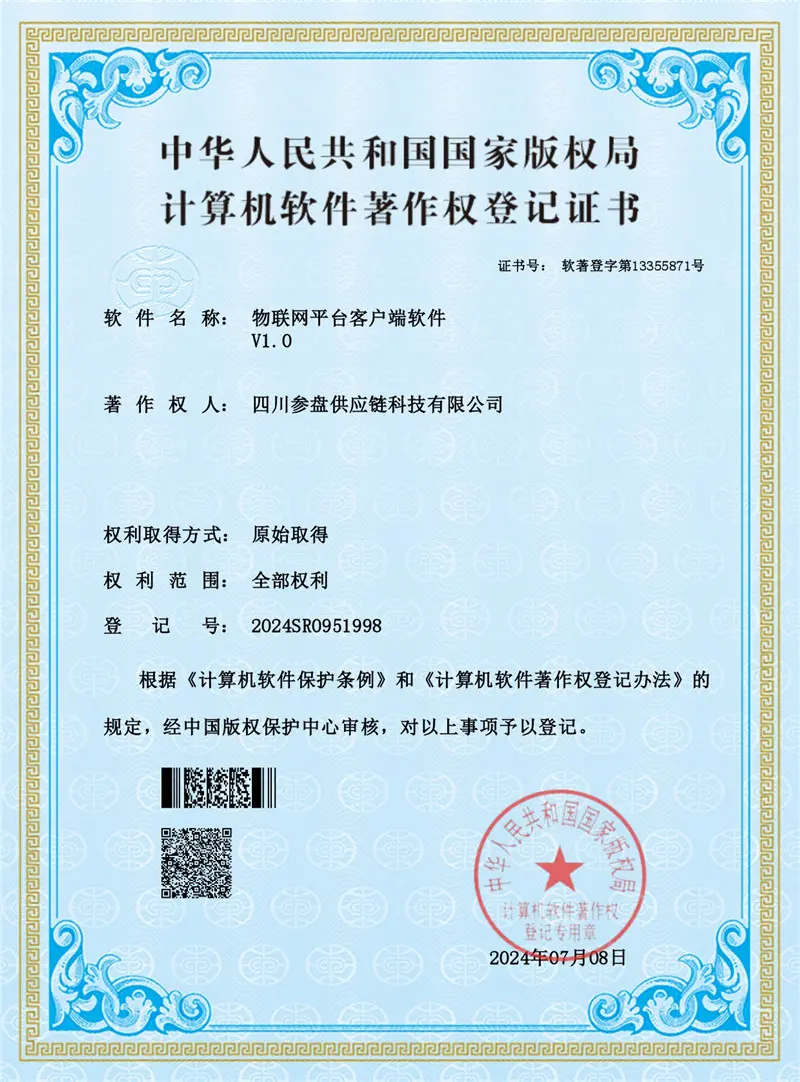
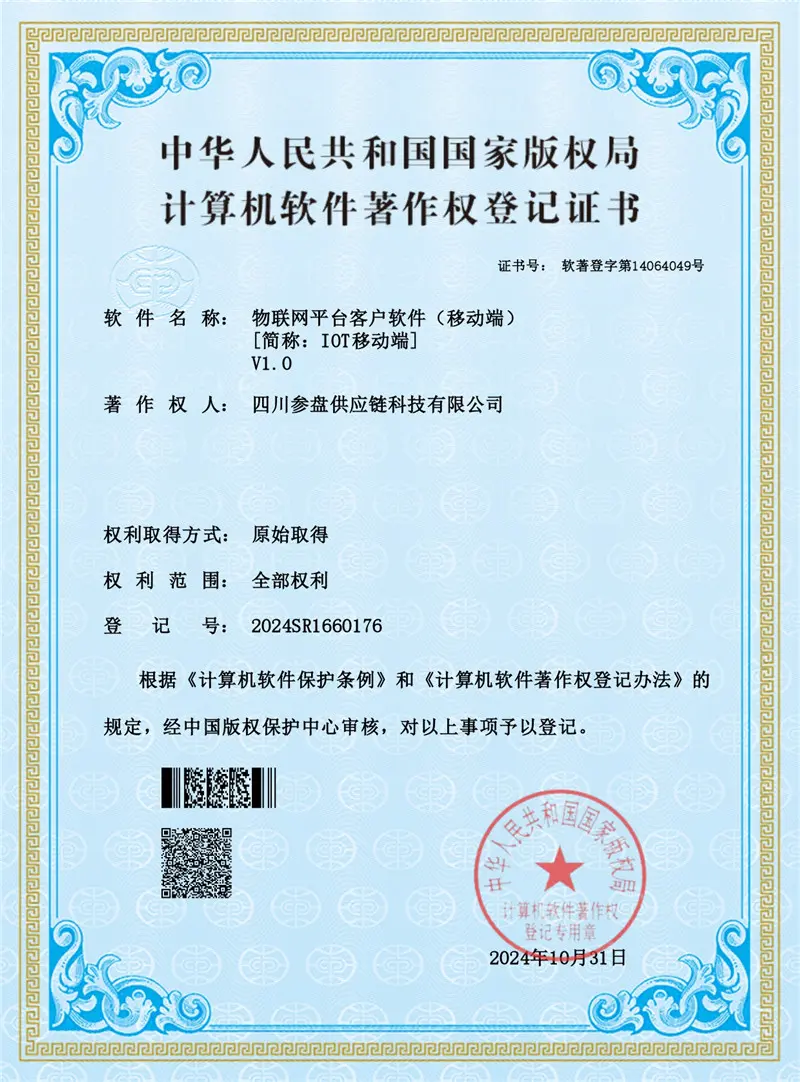
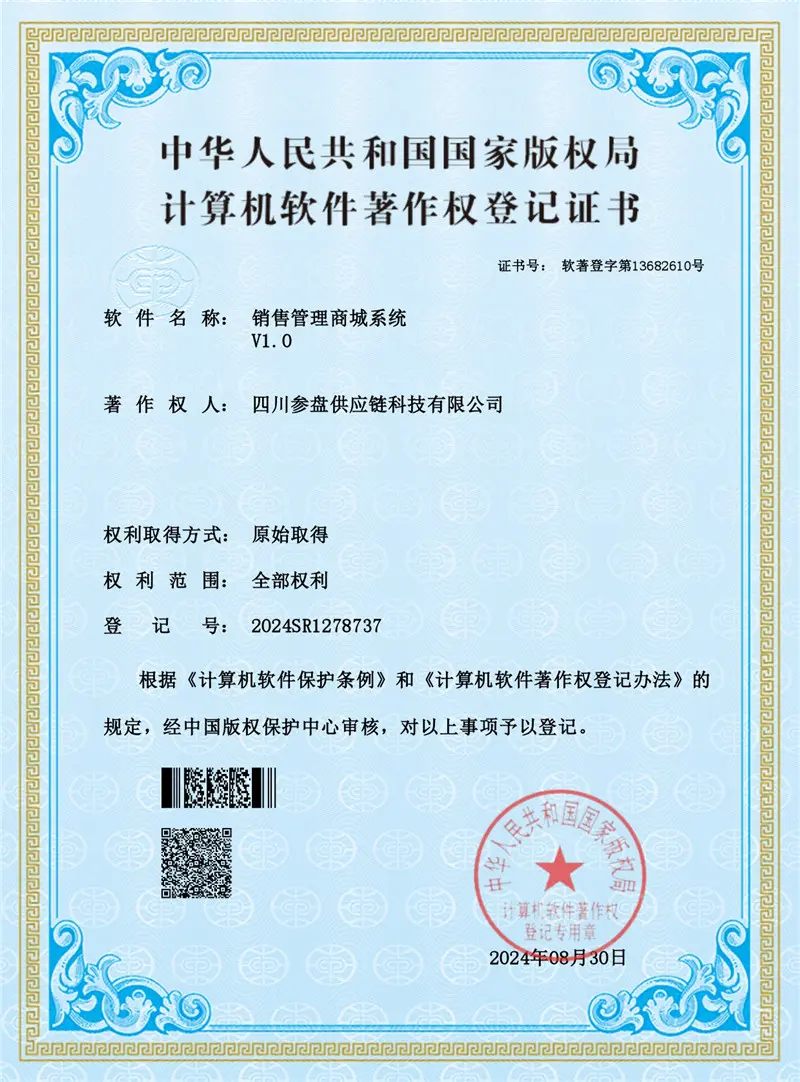
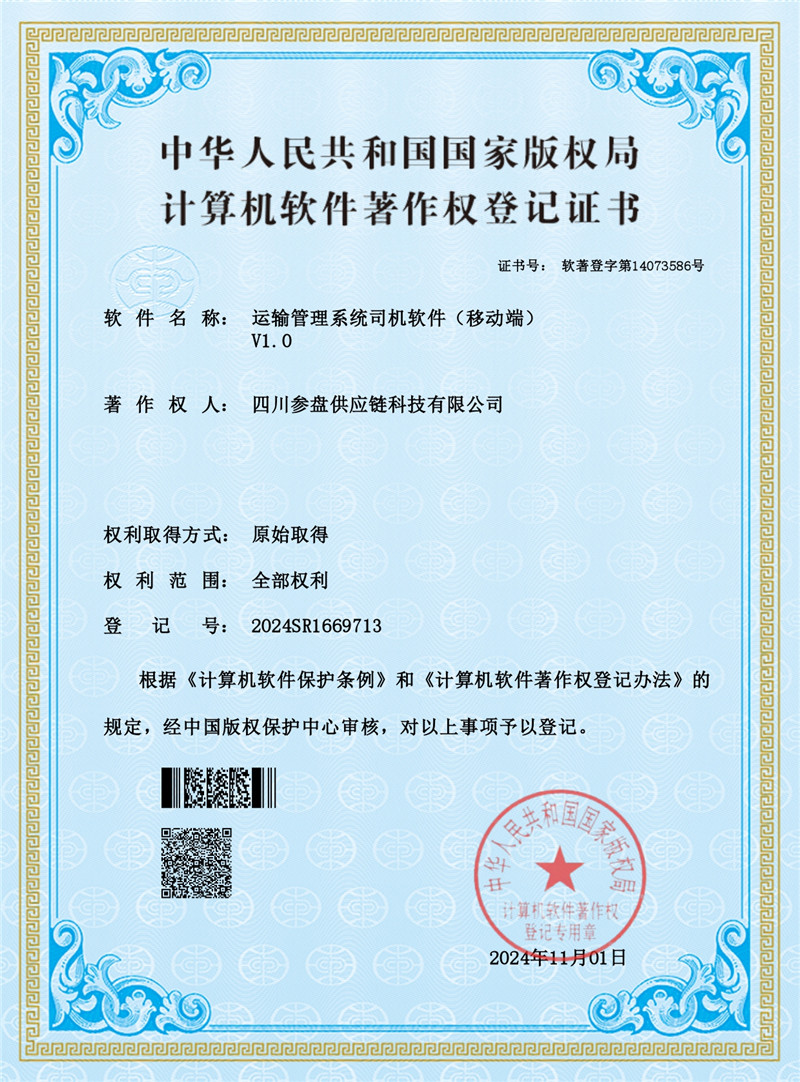
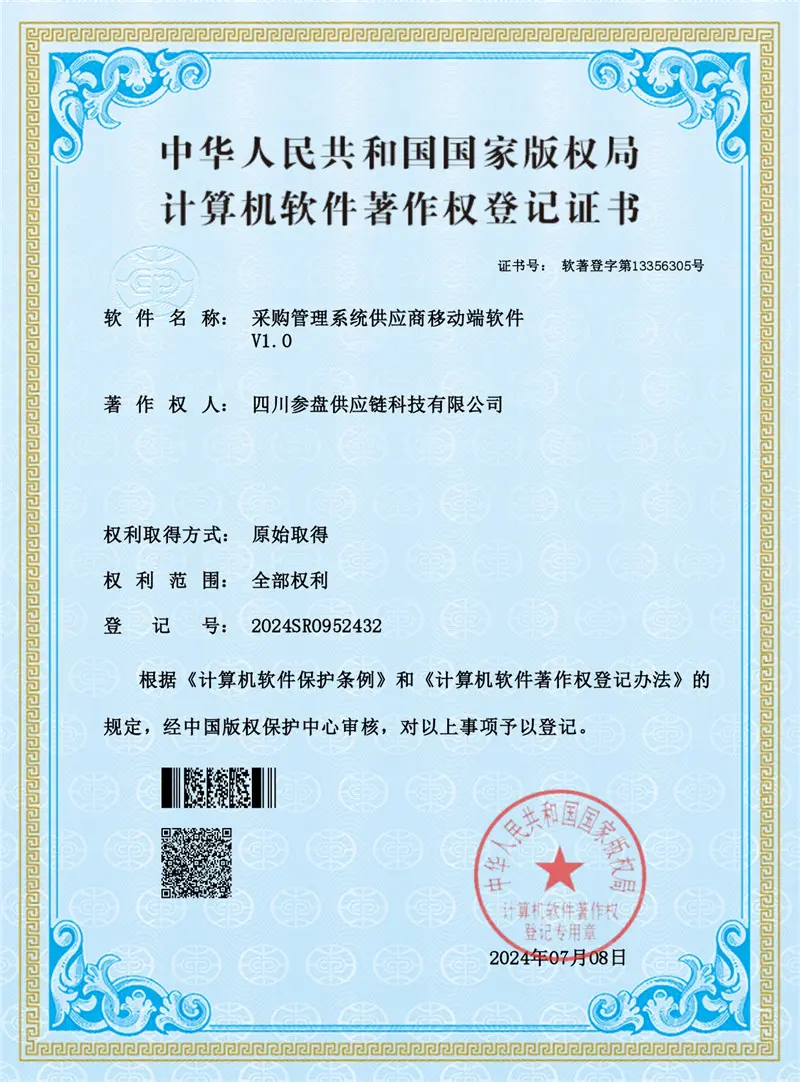
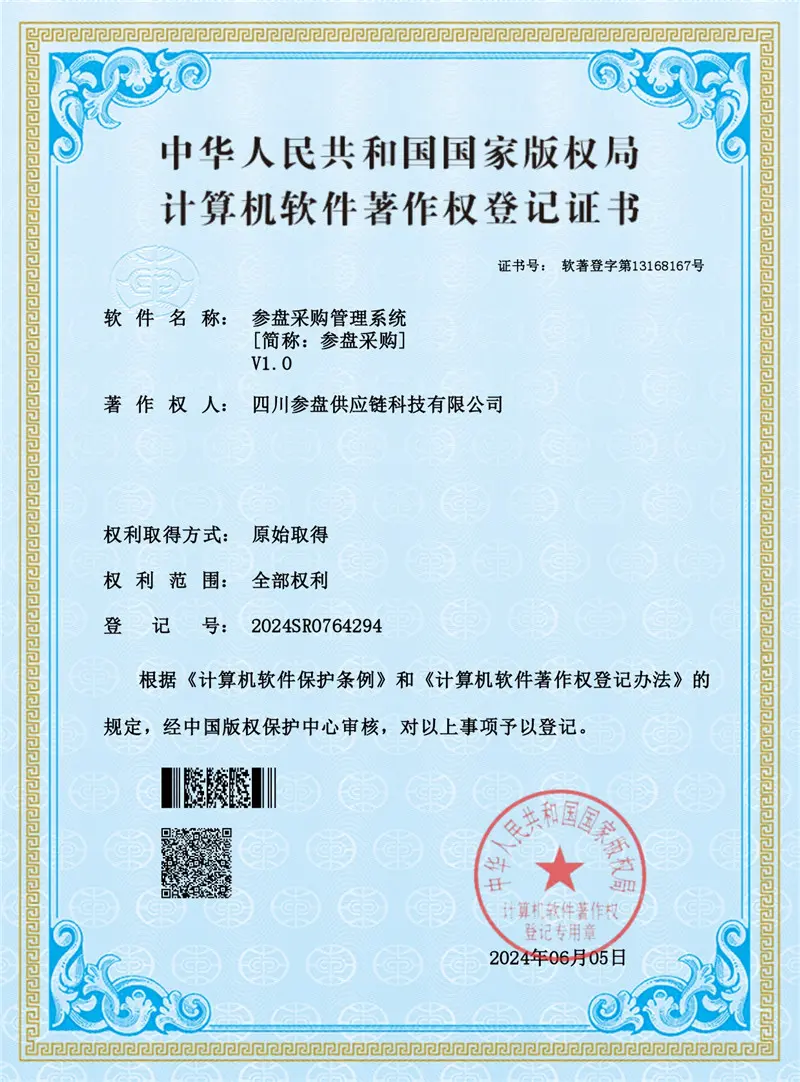
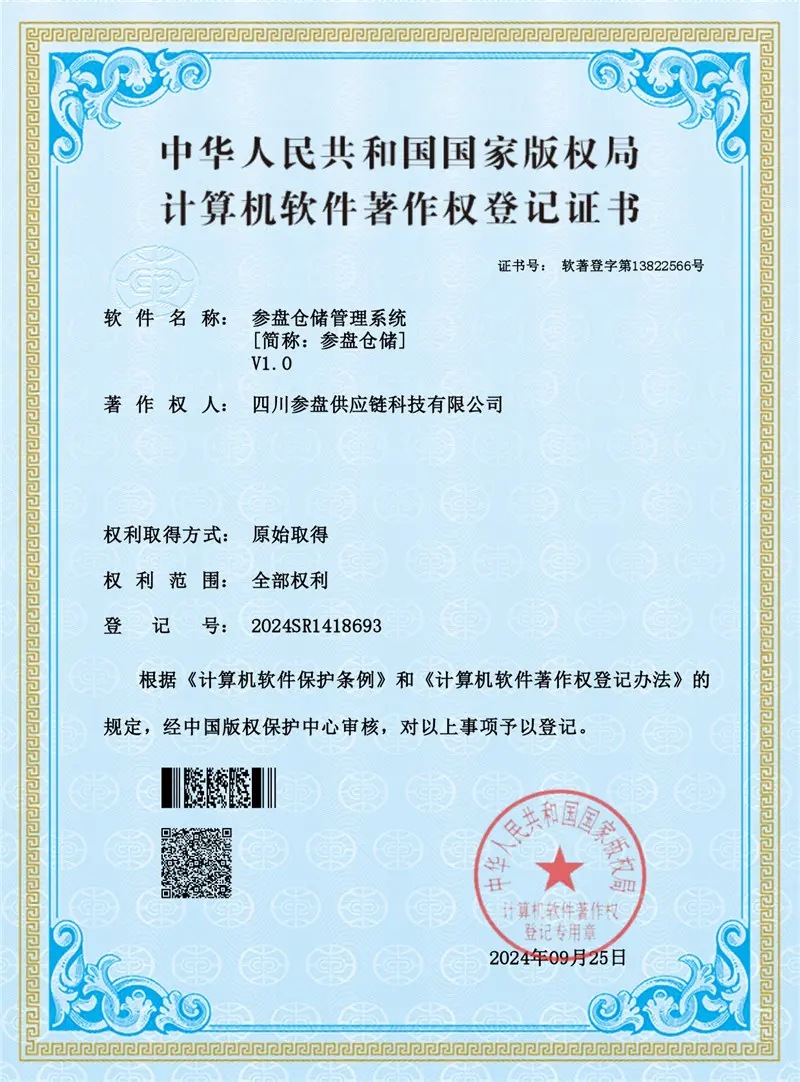
SCP focuses on providing comprehensive solutions for the food supply chain, as well as research and development of intelligent software and hardware products and services.
The company aims to be based on the Internet of Things AI, the comprehensive application of machine learning, intelligent devices and other technologies. Through automated, digitized, intelligent and systematic technology products and solution matrices, we enhance the overall operational efficiency of supply chain procurement, supply, and sales, and help upgrade the value of upstream and downstream industries.
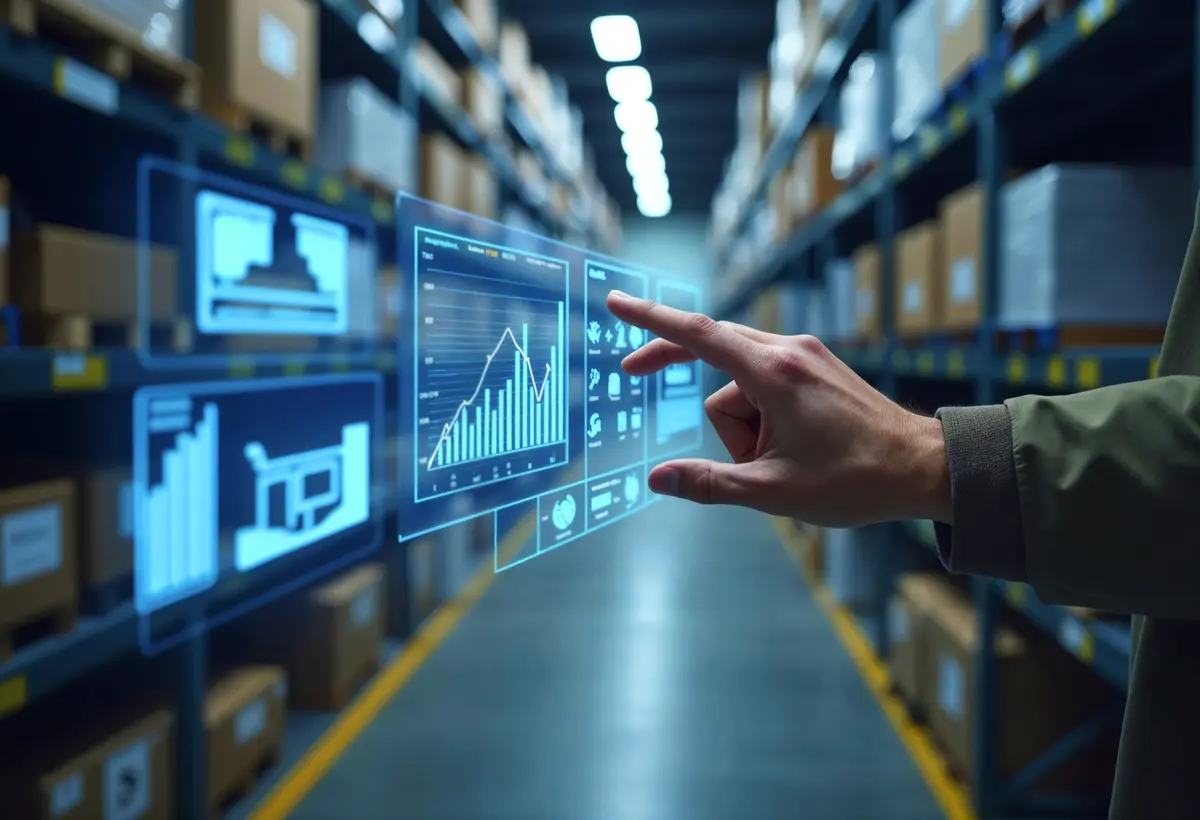
Deploying autonomous industrial equipment globally requires compliance with safety protocols and ongoing operational support. Because local regulations differ, SCP ensures that our export-grade vehicles meet local compliance standards out of the box.
Our smart forklifts and towing robots feature certified electrical layouts, protected wiring harnesses, and battery containment configurations that meet European and North American regulatory expectations.
Using secure cloud gateways, our technical team provides remote troubleshooting, firmware updates, and path reconfiguration assistance, helping to resolve issues without waiting for on-site visits.
We work with authorized service agents in key markets to handle physical maintenance, sensor calibration, spare parts supply, and emergency callouts, helping to keep downtime to a minimum.
Get expert answers to common questions about selecting, deploying, and optimizing Laser SLAM towing AGVs and smart forklifts.
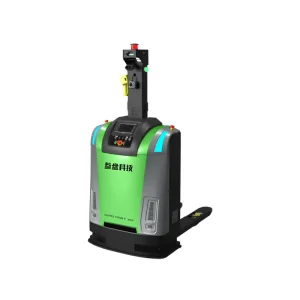
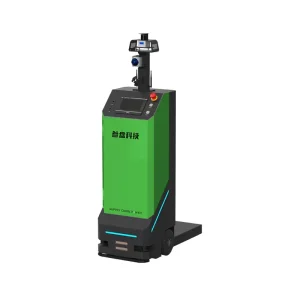
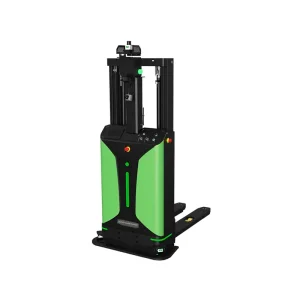
Select from our balanced load forklifts and heavy towing platforms designed for industrial applications.
 SCP
SCP