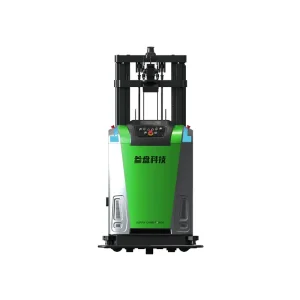
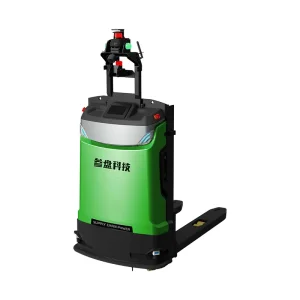
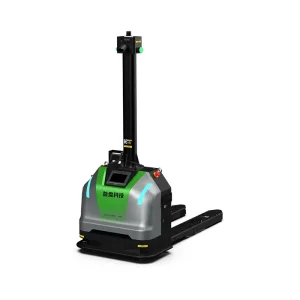
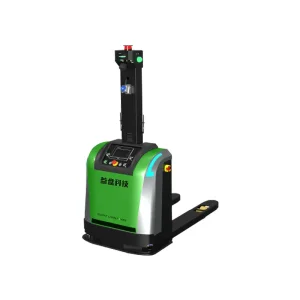
Discover our primary lineup of automated guided vehicles, customized robotic chassis, and high-precision warehouse handling machinery designed for heavy-duty industrial systems.
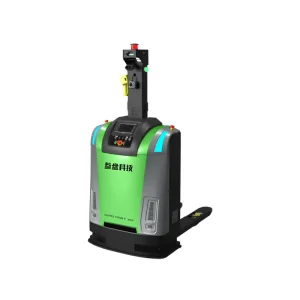
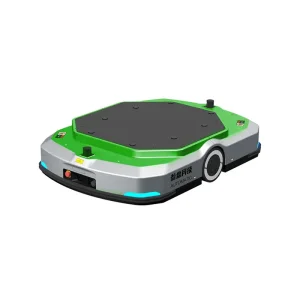
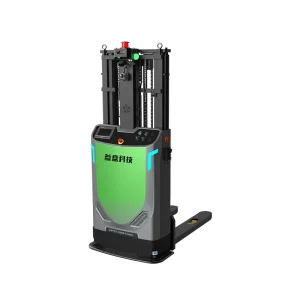
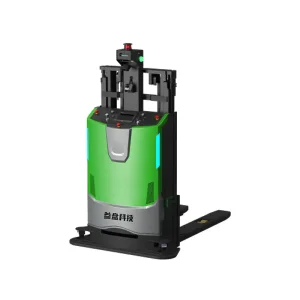
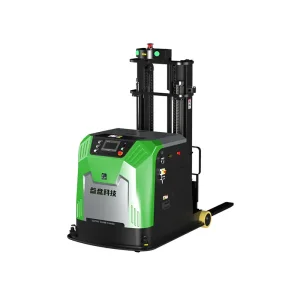
How next-generation Programmable Logic Controllers act as the absolute brain of automated guided vehicles, enabling complex kinematic execution and enterprise connectivity.
Within the rapidly evolving landscape of smart manufacturing and logistics automation, Automated Guided Vehicles (AGVs) have transitioned from simple line-following carts to highly cognitive, autonomous transport systems. At the heart of this transformation lies the AGV PLC (Programmable Logic Controller). As the core hardware brain, the PLC controls path execution, sensor integration, battery management, mechanical safety, and real-time network communications.
Modern AGV PLCs are tasked with managing a complex web of inputs and outputs (I/O). They process signals from Laser SLAM scanners, safety bumpers, photoelectric sensors, and encoder feedback systems, translating them into dynamic motion profiles for drive wheels and lift hydraulics. Leveraging standardized protocols such as CANopen, EtherCAT, and Profinet, these controllers maintain high-speed loop cycles to guarantee milliseconds-range response times, which are crucial for preventing collisions and optimizing transit efficiency.
As a global leader in high-performance automation, our product architectures leverage industry-standard safety-rated PLCs, offering unmatched reliable battery life, rugged resistance to environmental electromagnetic noise, and a flexible system interface that conforms seamlessly to enterprise software control towers.
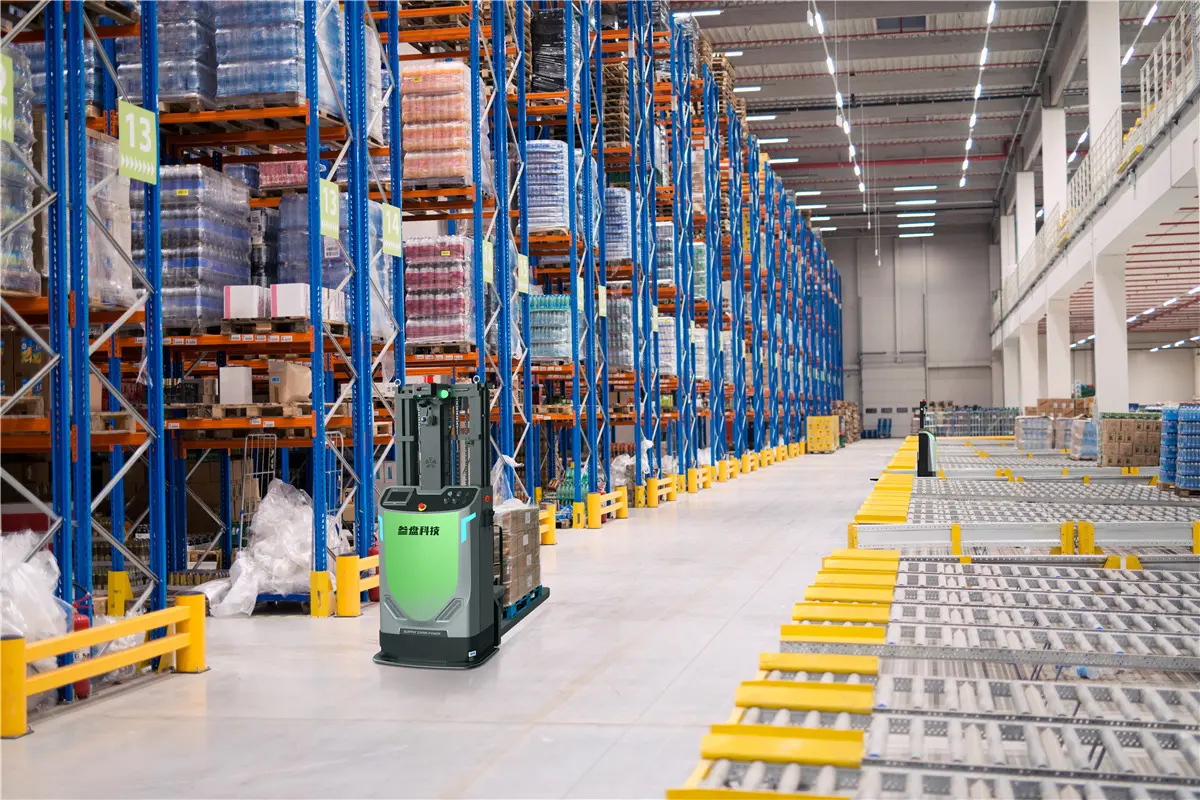
Empowering supply chains worldwide with advanced hardware-software integration and top-tier industrial alignment.
Taking the actual business needs as the cornerstone, SCP is committed to comprehensively innovating and enhancing the overall supply chain planning of enterprises. We provide enterprises with comprehensive end-to-end supply chain solutions, build a multi-role and multi-dimensional intelligent supply chain collaboration system, and achieve all-round efficient collaboration and process optimization. At present, SCP has established a product architecture supported by software and hardware, and supplemented by the top-level design of the supply chain control tower to create an agile, flexible and efficient end-to-end supply chain system for enterprises.
We combine multi-dimensional expertise to ensure that every hardware deployment maps flawlessly to your business demands.
As a subsidiary of New Hope Group, we have a good market reputation and execution ability. Moreover, we have an in-depth understanding of multiple industries.
We were incubated based on the digital needs of the business side within the New Hope system, and have participated in many projects of the same type. Therefore, we have a better understanding of the actual business scenarios and demands.
We possess the self-development and integration capabilities for various systems in procurement, sales, and supply. We can well meet the individual needs of different customers.
We provide certain light consulting services alongside projects, covering multiple dimensions such as process optimization and assessment weight, to assist customers in the construction of digital transformation of their supply chains.
We have a professional delivery team for commercial projects. We actively respond to the personalized needs of customers and can ensure fast and high-quality delivery according to customer requirements.
Analyzing macro industry shifts, digital transformation trends, and strategic key indicators for automated fleet supply chains.
Standardized proprietary controllers are giving way to industrial computer (IPC) and PLC hybrid platforms running RT-Linux or CODESYS environment. This allows warehouses to execute complex trajectory planning and machine vision mapping algorithms alongside native microsecond-level safety PLC tasks.
Modern global logistics networks demand heterogeneous AGV fleets. System integrators prioritize manufacturers who employ PLCs capable of direct RESTful API communications and MQTT protocols adhering to the VDA 5050 guidelines. This ensures seamless command transmission between multi-brand AGVs and centralized fleet management servers.
Global procurement metrics are shifting from initial equipment price to TCO over a 10-year period. Our hardware utilizes plug-and-play internal component architecture. In the event of a PLC unit fault, modular expansion cards can be hot-swapped in under 5 minutes without resetting the entire master controller code base, reducing expensive production downtime.
Safety over EtherCAT (FSoE) and PROFIsafe are now standard prerequisites. Our PLCs process dual-channel safety inputs from high-resolution LiDAR and mechanical bumpers to compute safety field switches dynamically, maintaining the highest levels of SIL3 and PL-e safety integrity.
How SCP leverages technology research, industrial assets, and green engineering for long-term values.
In terms of technology research and development, SCP continues to increase its investment and constantly optimize the product architecture supported by software and hardware and the top-level design of the supply chain control tower.
By strengthening the self-development and integration capabilities of various systems in procurement, sales, and supply, we continuously improve the technical level and competitiveness of our products and services. We build a solid foundation for the sustainable development of enterprises and the industry with leading technologies.
At the same time, we actively explore the application of cutting-edge technologies in the supply chain field, promote technological iteration and upgrading, and maintain a leading position in the industry in terms of technology.
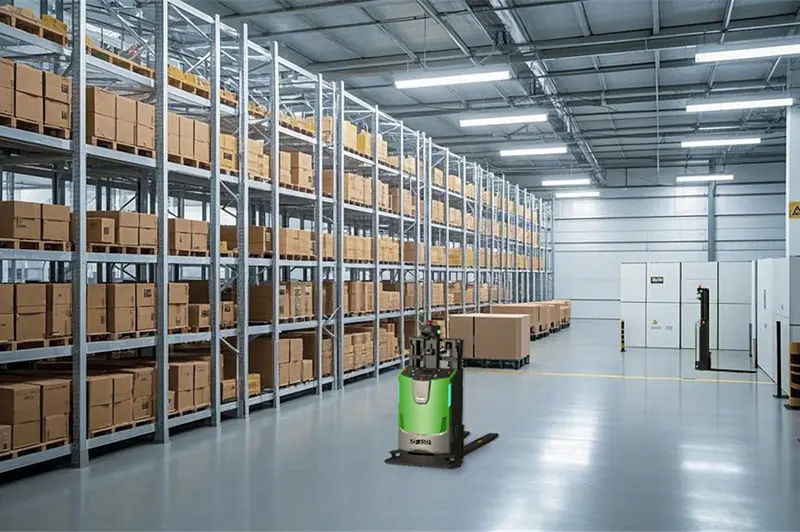
In terms of ecological construction, relying on the rich industrial resources and extensive business layout of Caogenziben, SCP deeply explores the supply chain needs of multiple industries such as food consumption and creates solutions that are suitable for actual scenarios.
By empowering key links such as cold chain logistics, we promote the standardized management and efficiency improvement of the supply chain and facilitate the collaborative development of the entire industrial chain.
In addition, we actively carry out in-depth cooperation with overseas partners, absorb international advanced experience and technologies, expand the international market, enhance the global influence of the enterprise, and build a supply chain technology ecosystem with international competitiveness.
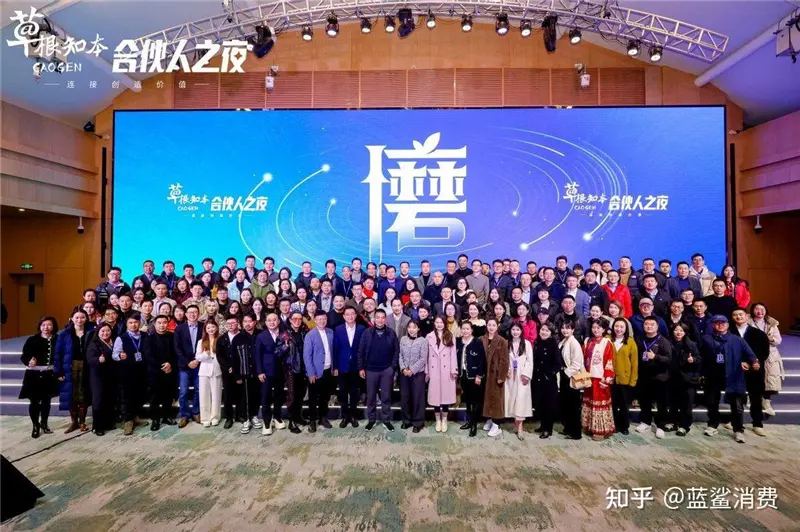
From a long-term development perspective, with the vision of "Leading the technological upgrade of the supply chain and achieving extraordinary value for transformers", SCP integrates the concept of sustainable development into its corporate strategic planning and daily operations.
We not only focus on our own growth and profitability but also look to promote the green, intelligent, and efficient development of the industry. We build a more perfect supply chain collaboration system for future enterprises.
While achieving our own sustainable development, we create greater value for society and become a backbone force in promoting the sustainable development of the supply chain technology industry.
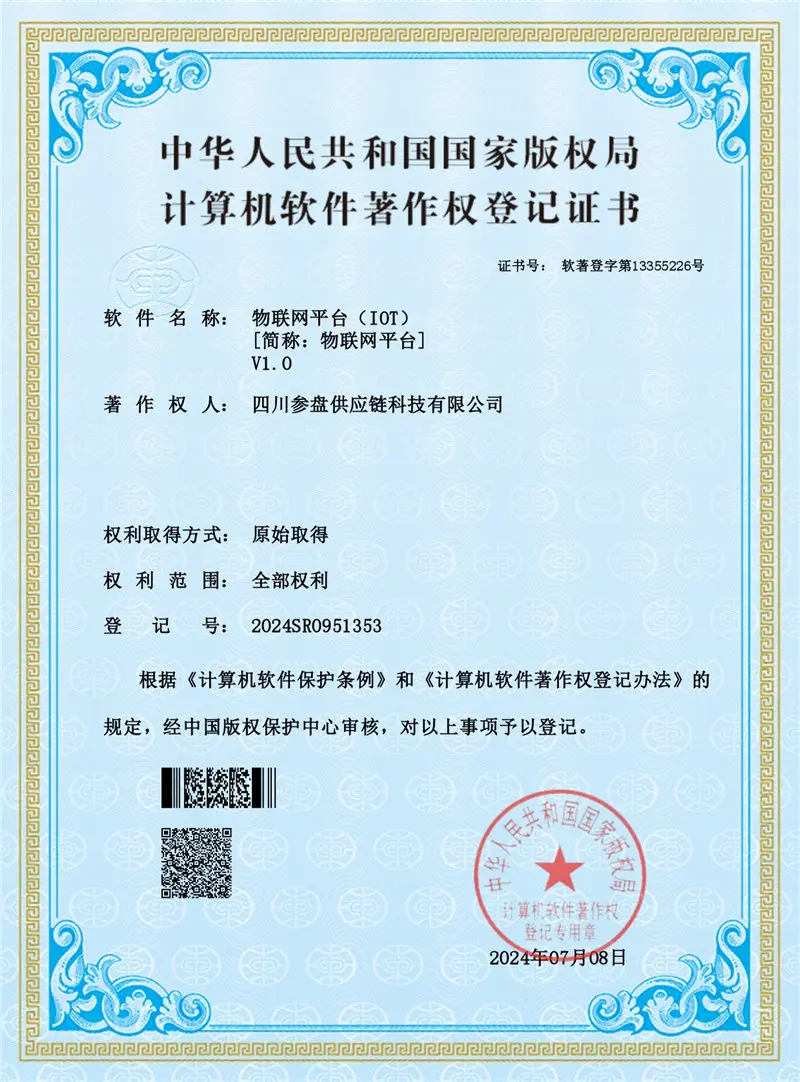
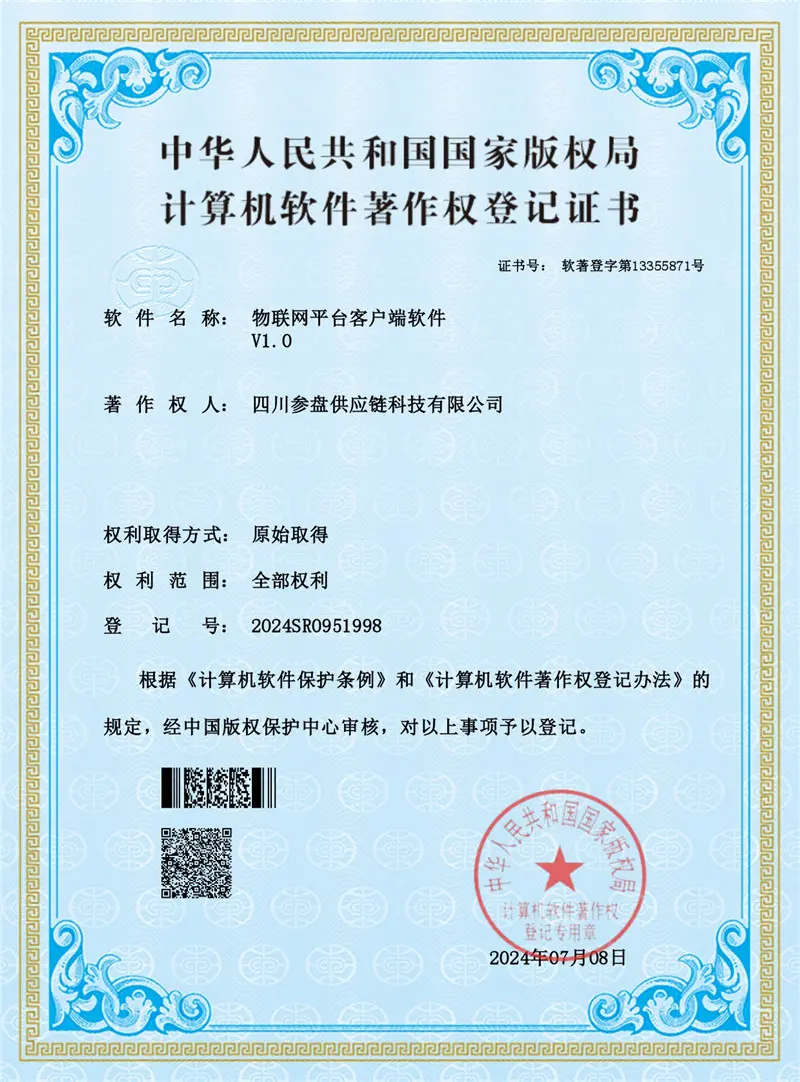
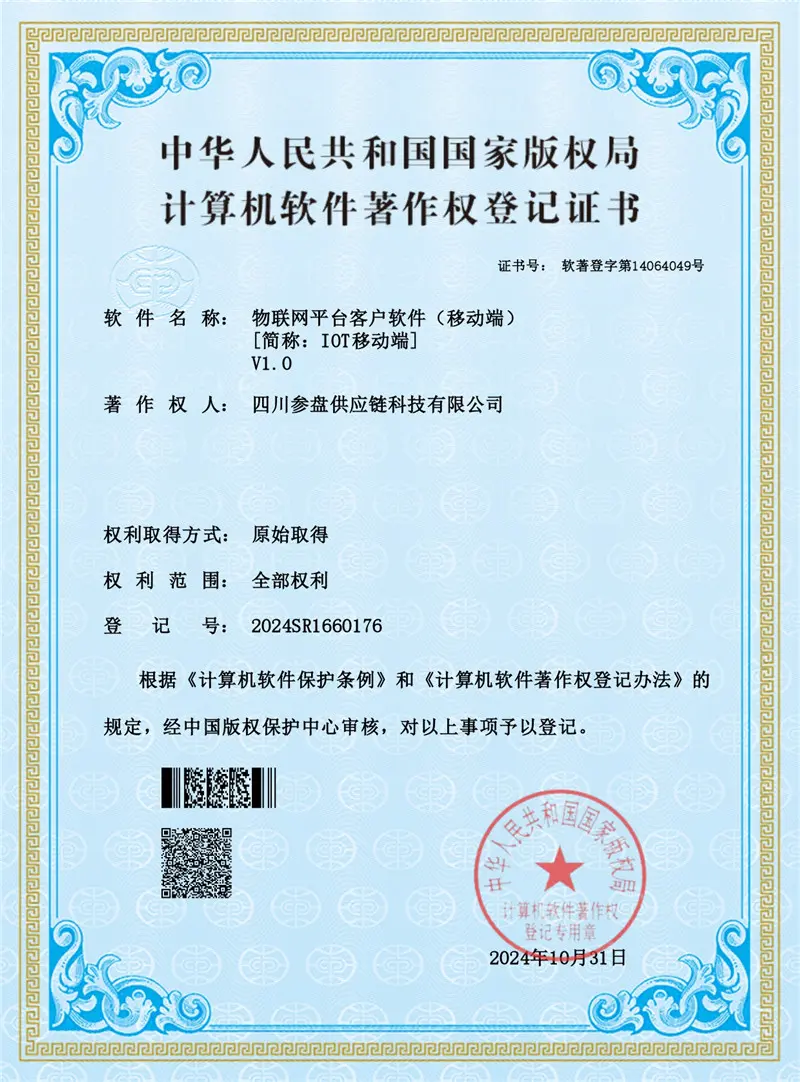
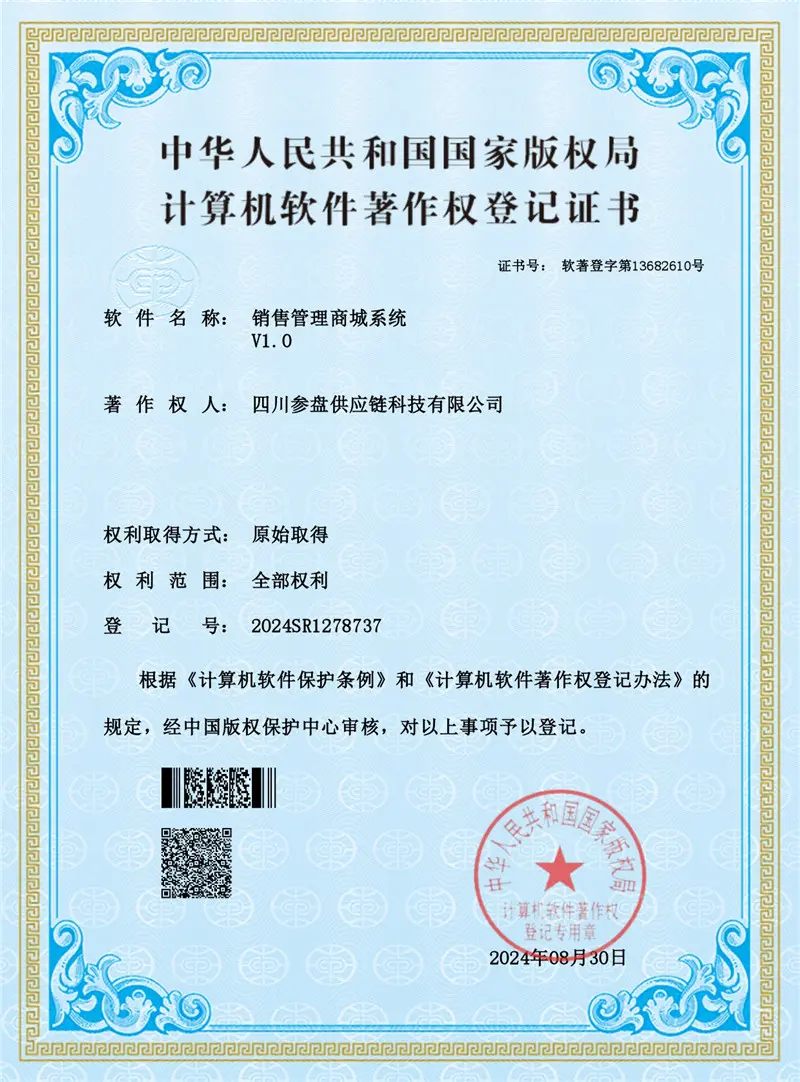
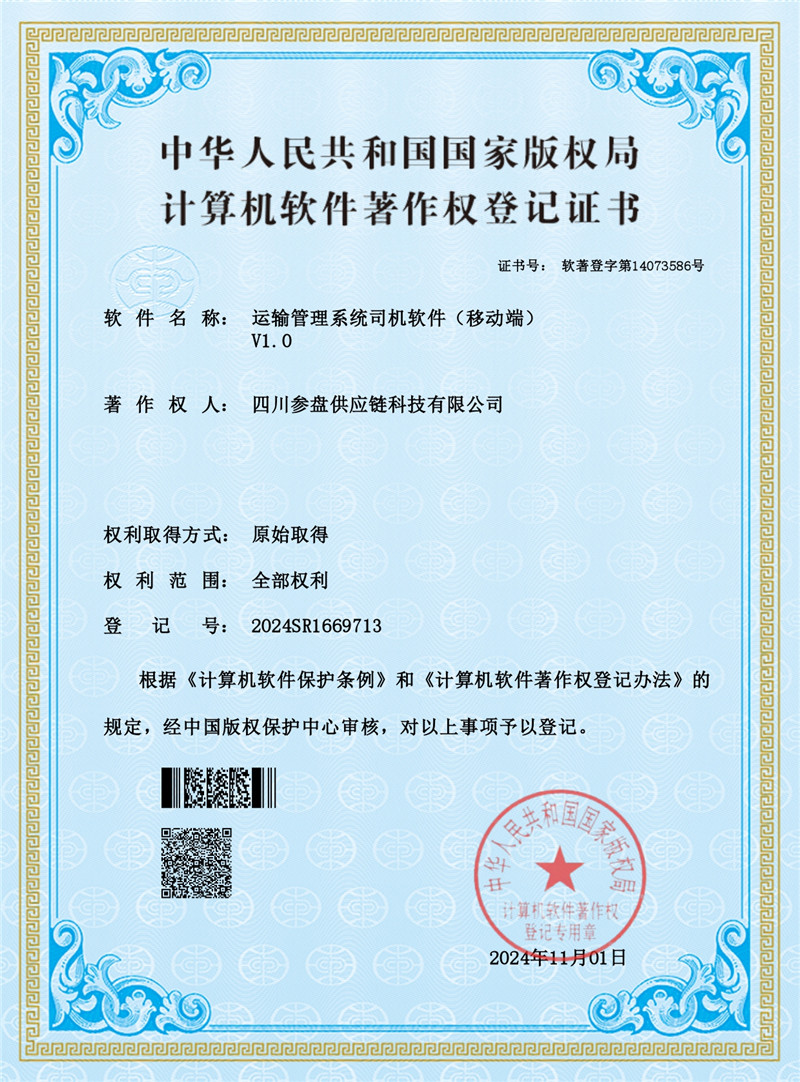
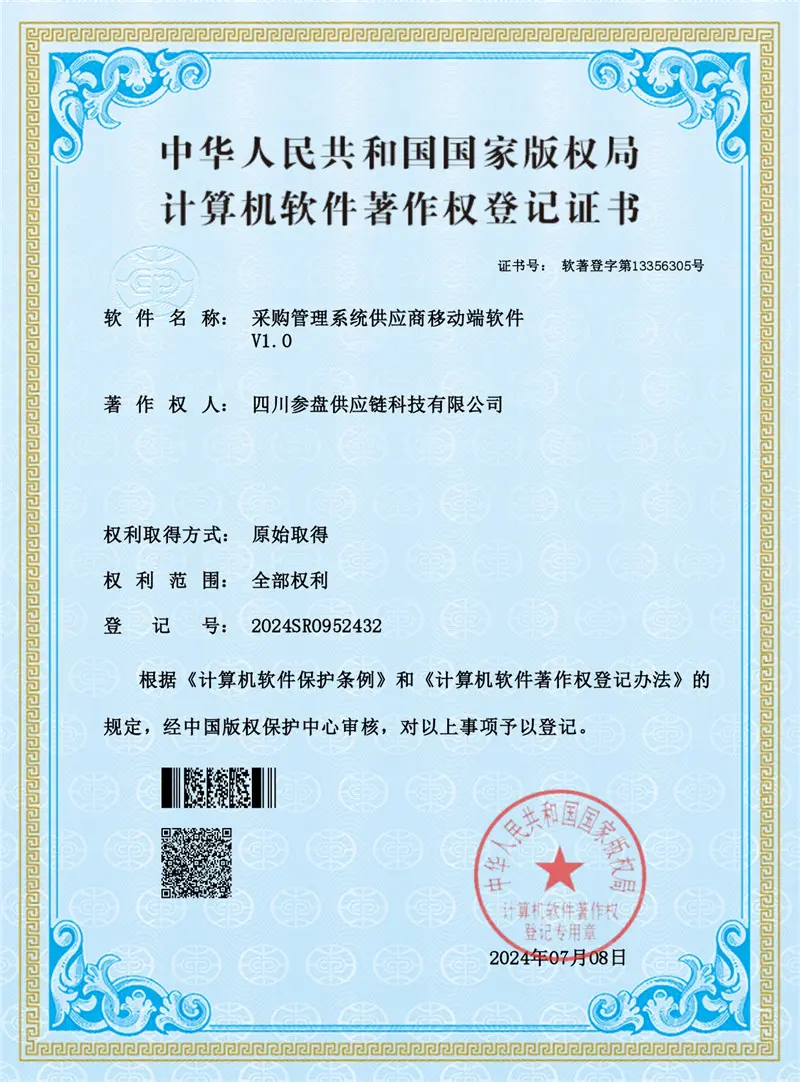
Strict international compliance and manufacturing certification demonstrating our engineering authority.
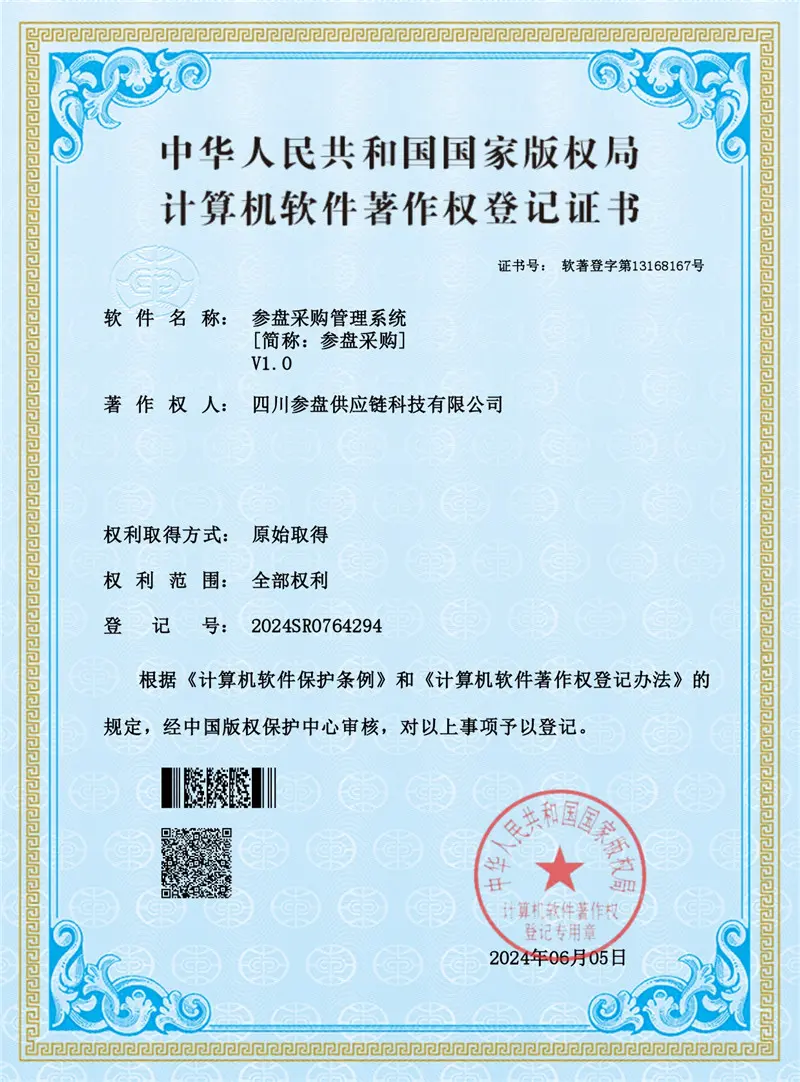
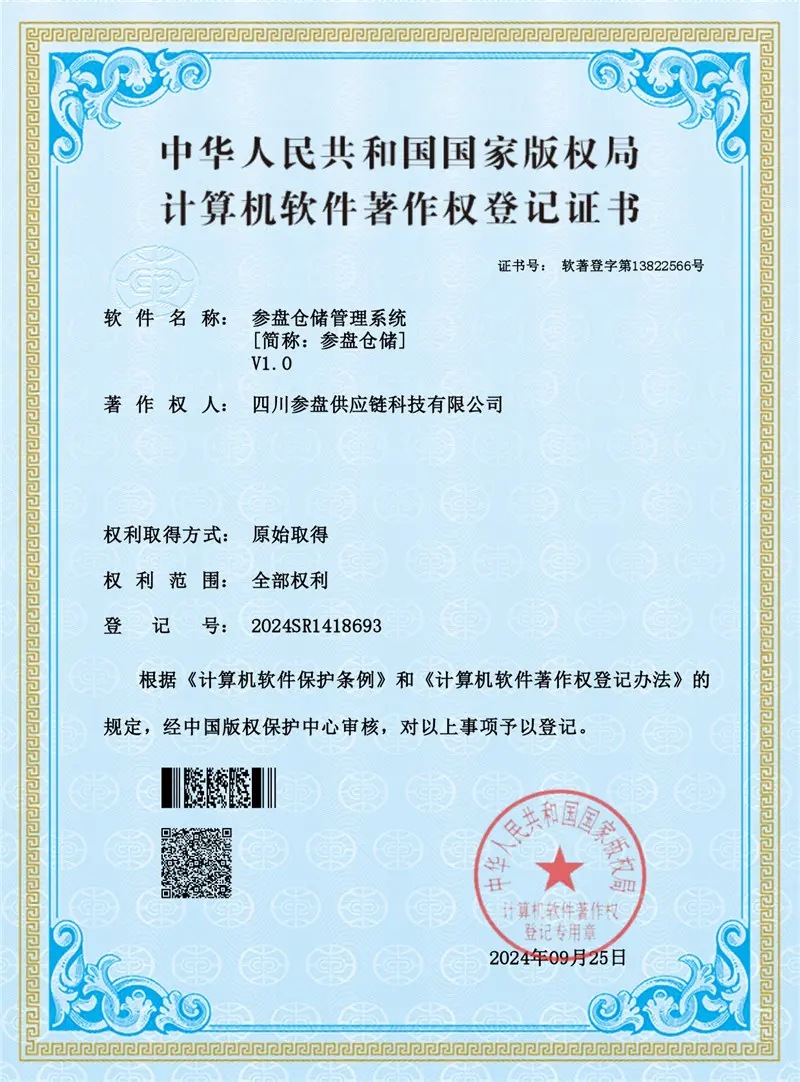
Optimizing inventory control, manufacturing steps, and delivery paths through AI and robust PLC hardware matrices.
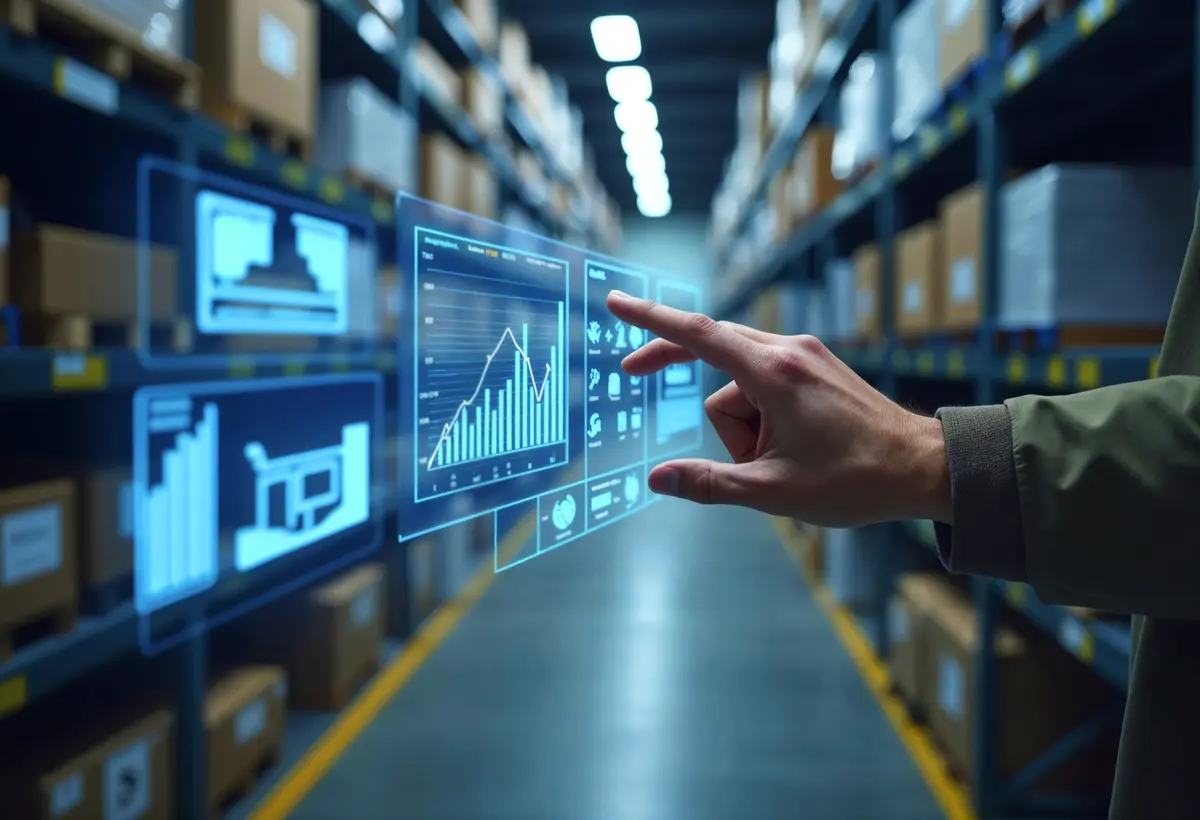
SCP focuses on providing comprehensive solutions for the food supply chain, as well as research and development of intelligent software and hardware products and services. The company aims to be based on the Internet of Things AI, the comprehensive application of machine learning, intelligent devices and other technologies, through automated, digitized, intelligent and systematic technology products and solution matrices, enhances the overall operational efficiency of supply chain procurement/supply/sales, and helps upgrade the value of upstream and downstream industries.
For applications in the food logistics space, temperatures and moisture present direct risks to automated controllers. Our AGV PLC solutions feature specialized anti-condensation heating blocks, IP67 enclosure standards, and customized circuit board coatings to guarantee error-free routing in deep-freeze settings down to -25°C.
How we secure your smart factory investments with rapid technical responses and local regulatory validation.
We execute rigorous Factory Acceptance Testing (FAT) and Site Acceptance Testing (SAT) at customer facilities. Every PLC is validated under simulated maximum load and electromagnetic interference (EMI) conditions before final hand-off.
All automated units and structural components comply with the European Machinery Directive 2006/42/EC, ISO 3691-4 standards for driverless industrial trucks, and UL/CSA electrical control cabinet certification.
Our localized networks provide prompt emergency field response. Utilizing secure industrial VPN gateways, our software team can debug PLC ladder logic or map discrepancies remotely to restore operations immediately.
Next-generation hardware research driving long-term efficiency enhancements in manufacturing hubs.
Over the next three years, our hardware division is focusing on deep controller consolidation. While classic AGVs follow fixed paths controlled by deterministic PLCs, autonomous mobile robots (AMRs) run dynamic SLAM routing. We are bridging this division with our upcoming Unified Core Controller (UCC). The UCC merges classic PLC safety and deterministic control loops with high-performance microprocessor boards on a single motherboard. This design decreases component complexity by 30% and allows direct VDA 5050 communication natively on the machine level, bypassing external protocol converters.
Using built-in vibration sensor blocks and thermo-sensors, our PLCs continuously monitor gear wear, wheel alignment, and hydraulic valve efficiency. An onboard machine learning module compares real-time performance curves against historical degradation models to predict mechanical component failures up to 72 hours before they happen.
Answering complex procurement, control interface, and manufacturing engineering questions regarding our AGV PLC solutions.
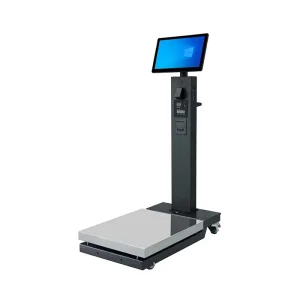
Explore our complete catalog of industrial floor scales, narrow-aisle stackers, and heavy-duty smart tuggers.
 SCP
SCP