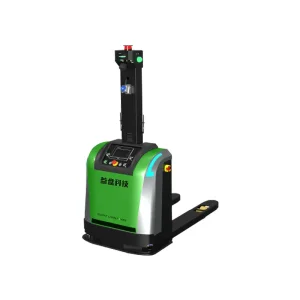
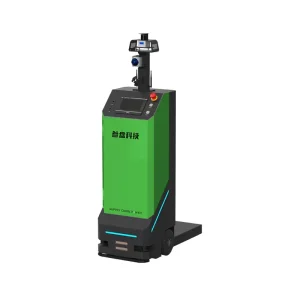
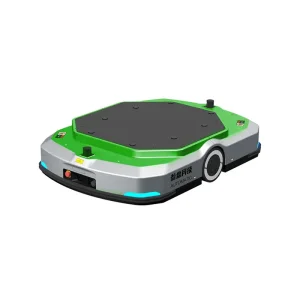
Product Architecture of SCP
Taking actual business needs as our cornerstone, SCP is committed to comprehensively innovating and enhancing the overall supply chain planning of global enterprises. We provide end-to-end supply chain solutions, building a multi-role, multi-dimensional intelligent supply chain collaboration system that facilitates high-performance automation, material flow acceleration, and system-level operations.
Presently, SCP has established a powerful product architecture supported by integrated software and hardware platforms. This is complemented by the top-level design of our proprietary supply chain control tower, creating an agile, flexible, and resilient ecosystem for multinational industries.
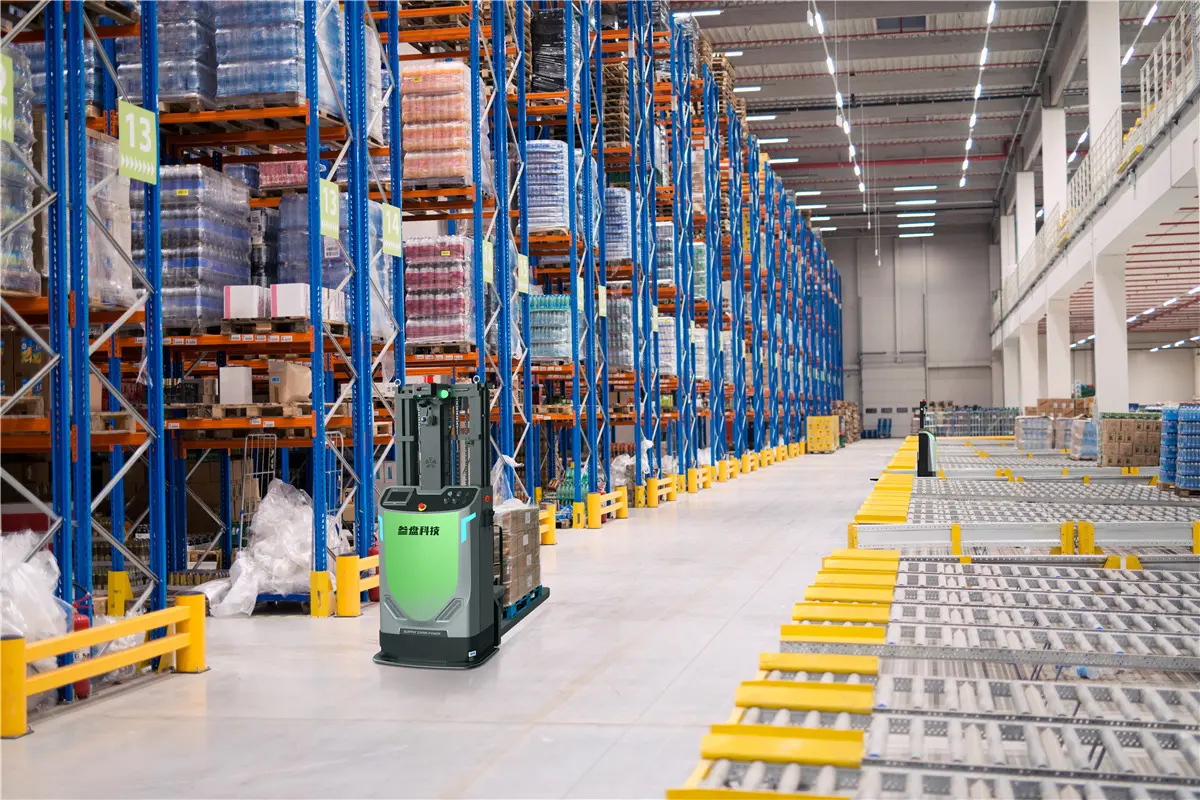
In modern intelligent manufacturing and high-throughput warehousing, logistics efficiency is no longer simply about transportation speeds. It acts as the heartbeat of the factory floor. Historically, AGV (Automated Guided Vehicles) and AGC (Automated Guided Carts) relied on physical navigation methods, such as magnetic tape, optical guides, or embedded inductive wires. While these solutions provided consistent trajectory tracking, they suffered from significant operational limitations: lack of physical agility, costly adjustments to production layouts, and continuous maintenance of ground infrastructure.
The rise of Laser SLAM (Simultaneous Localization and Mapping) technology has triggered a major industry paradigm shift. By leveraging high-frequency LiDAR sensors, depth cameras, and advanced inertial measurement units (IMUs), modern AGCs can dynamically construct environmental maps without relying on physical floor markings. The result is a highly agile, autonomous mobile fleet capable of real-time obstacle avoidance, intelligent route optimization, and seamless integration into dynamic human-machine collaborative workflows.
Information Gain Insight: The differentiation between standard AGVs and next-generation Laser SLAM AGCs lies in the optimization of total cost of ownership (TCO). While traditional magnetic line setups are cheaper initially, their structural inflexibility leads to high reconfiguration costs during factory retrofits. Laser SLAM systems offer rapid redeployment capabilities, allowing warehouse managers to update routes digitally in minutes.
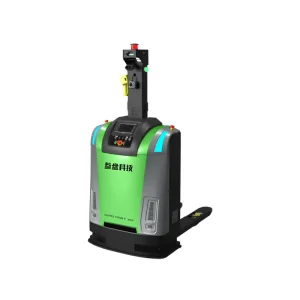
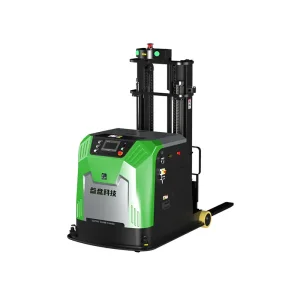
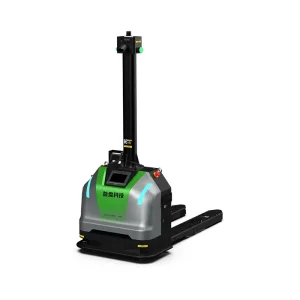
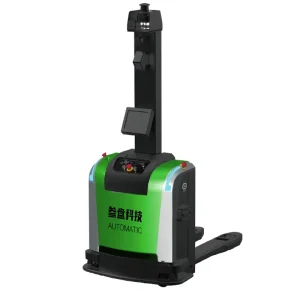
Procuring material handling equipment is shifting away from standard manual forklifts toward highly specialized, laser-navigated automated platforms. Solutions such as the SFL-CBD20 (featuring 2-ton load capacity) and SFL-CPD20-Y balanced-power forklifts represent the intersection of heavy machinery safety and industrial AI. Key criteria for global industrial purchasers include:
Backed by the industrial strength of the New Hope Group and Caogenziben
Benefiting farmers and bringing welfare to consumers through the deployment of highly optimized, transparent, and resilient food and supply chain logistics technologies.
Leading the technological upgrade of the global supply chain, achieving extraordinary value for industrial transformers, and pioneering autonomous mobile robot ecosystems.
Serving as the Alliance of Developers of New Quality Supply Chain Technology, providing highly integrated smart hardware and software coordination tools.
A comprehensive overview of our development, design, and project execution strengths.
As a subsidiary of New Hope Group, we maintain a strong market reputation and proven execution capabilities. Our deep vertical expertise spans cold-chain logistics, heavy manufacturing, and food retail.
Incubated specifically to address the digital logistics and automation requirements of physical businesses within the New Hope ecosystem, we understand practical pain points, physical constraints, and ROI metrics.
We retain full vertical ownership over our software and hardware stack. This includes proprietary robot dispatch systems (WCS), warehouse management (WMS), and laser navigation algorithms.
Alongside hardware deployment, we offer high-level operational consulting. This covers plant layout optimization, process simulation, task balancing, and digital transformation roadmapping.
Our dedicated project delivery teams handle site mapping, path planning, system testing, and field commissioning. We respond promptly to custom hardware integrations, ensuring high-quality, on-time project execution.
Integrating eco-construction, green logistics, and long-term industrial durability.
In terms of technical R&D, SCP continues to expand its investments. We continuously refine our product architecture, which features closely integrated hardware (Laser SLAM forklifts, AMBs) and software (FMS, Supply Chain Control Towers).
By strengthening our self-development capabilities across procurement, sales, and distribution networks, we improve the overall efficiency of our partners' supply chain assets. We actively test next-generation navigation capabilities, including 3D LiDAR SLAM and visual SLAM (vSLAM), to ensure our fleets operate reliably under challenging environmental conditions.
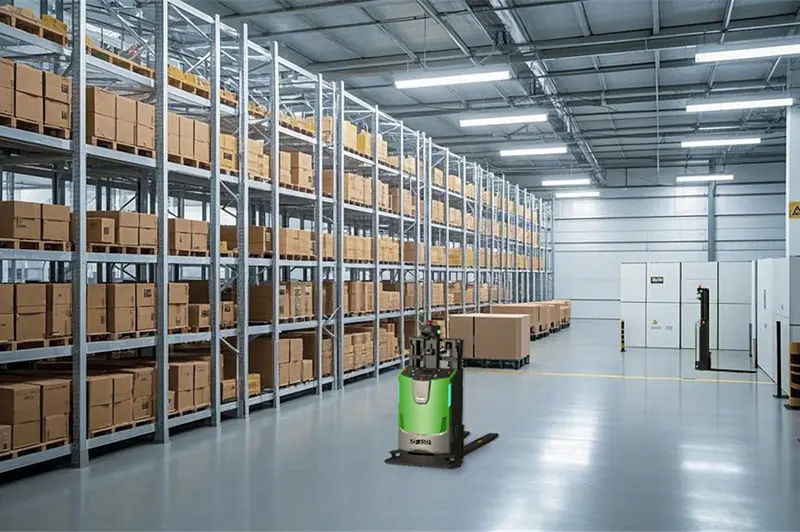
Relying on the extensive industrial resources of Caogenziben, SCP designs specialized solutions for food consumer goods, manufacturing, and agricultural cold-chain operations. By automating critical links like refrigerated transit docks, sorting depots, and production floor transport, we help companies establish clean, energy-efficient operations.
Our international partnerships allow us to incorporate global standards into our systems, supporting market expansion and building a competitive, resilient supply chain ecosystem.
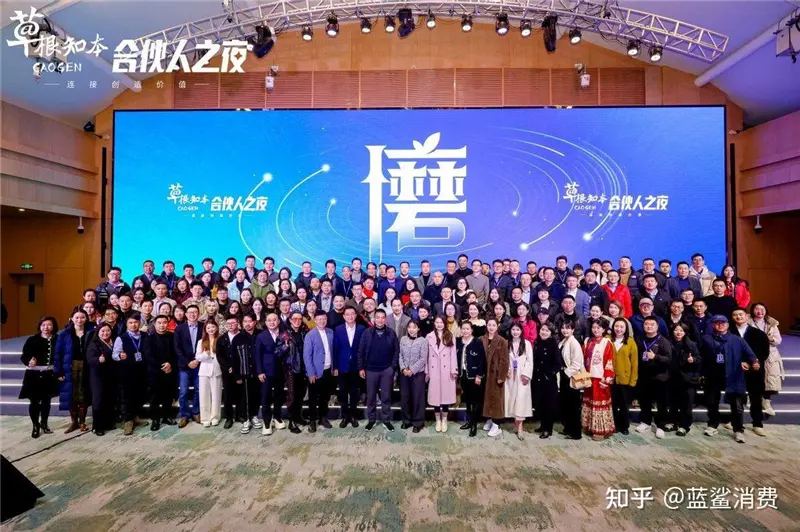
With the vision of "Leading the technological upgrade of the supply chain and achieving extraordinary value for transformers," we build long-term sustainability into all our strategic initiatives.
We focus on sustainable growth, operational safety, energy-efficient lithium-charging solutions, and low-waste fleet deployment. Our goal is to build long-term value for our clients, helping them transition toward green, intelligent, and highly automated supply chains.
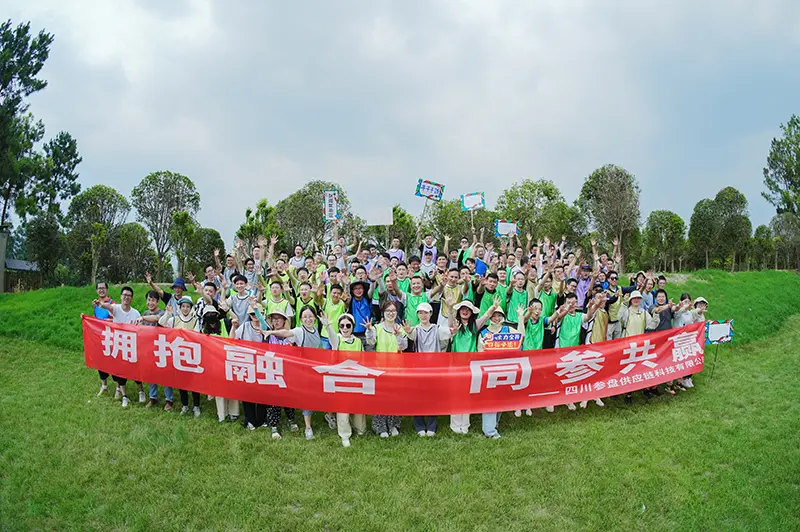
Validating quality assurance, international safety guidelines, and system reliability.
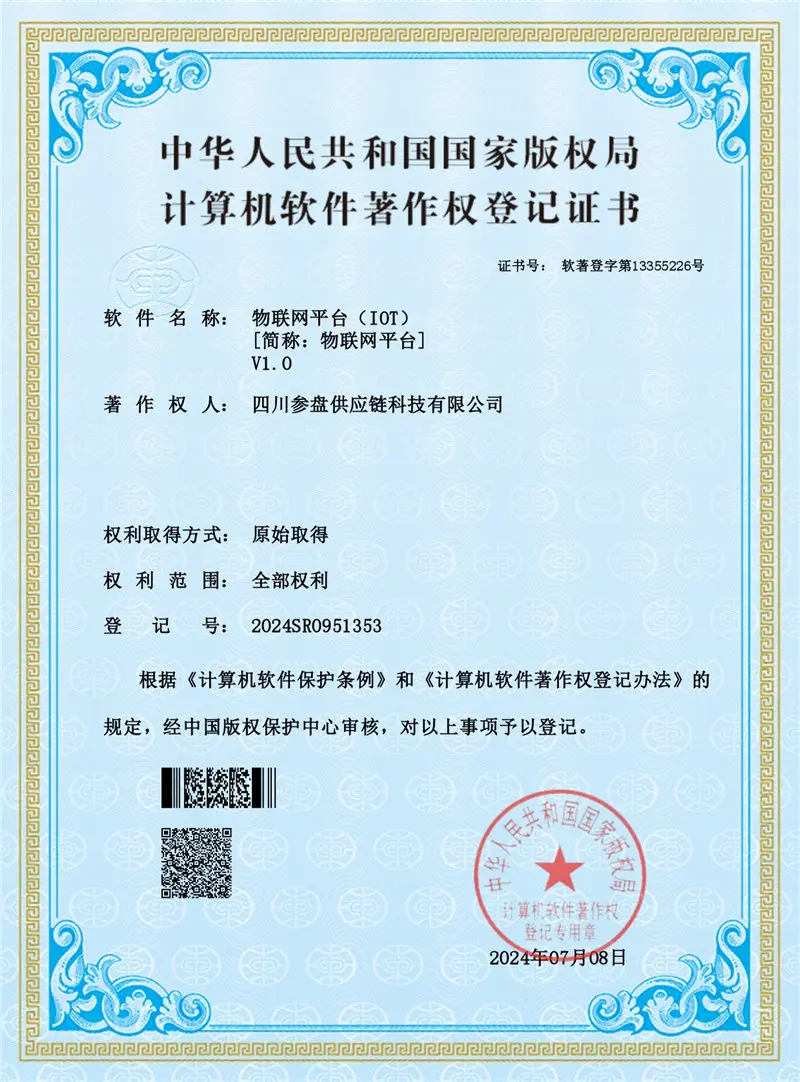
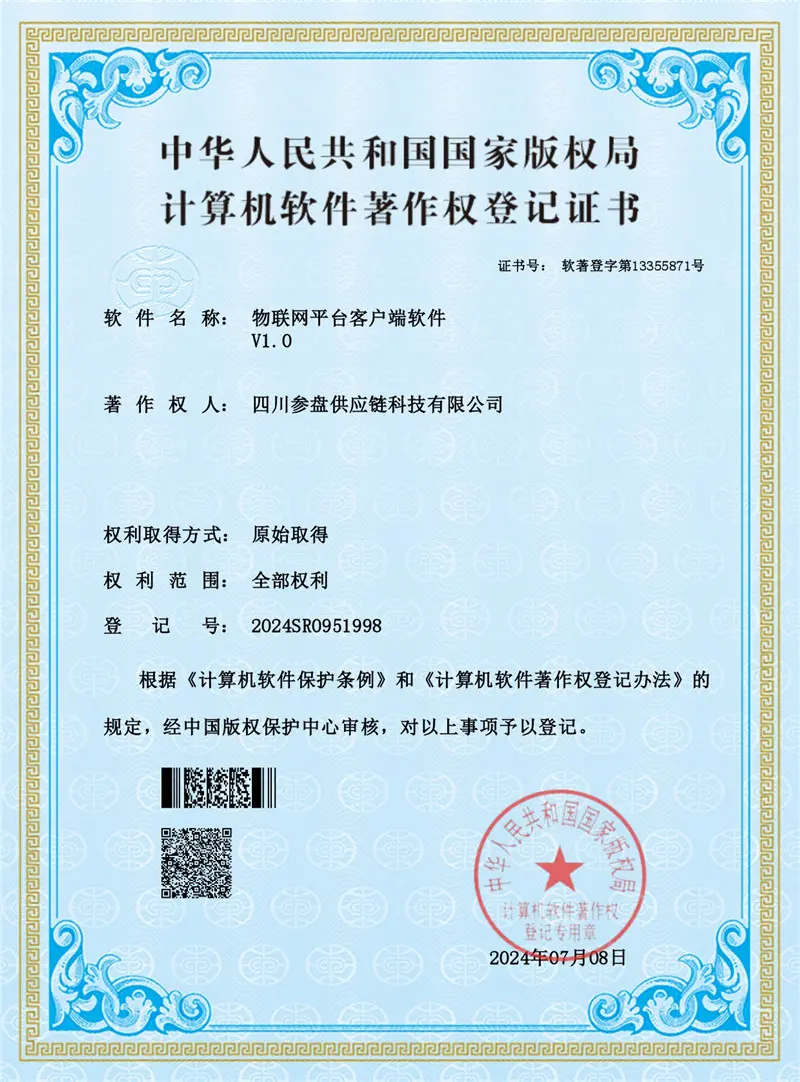
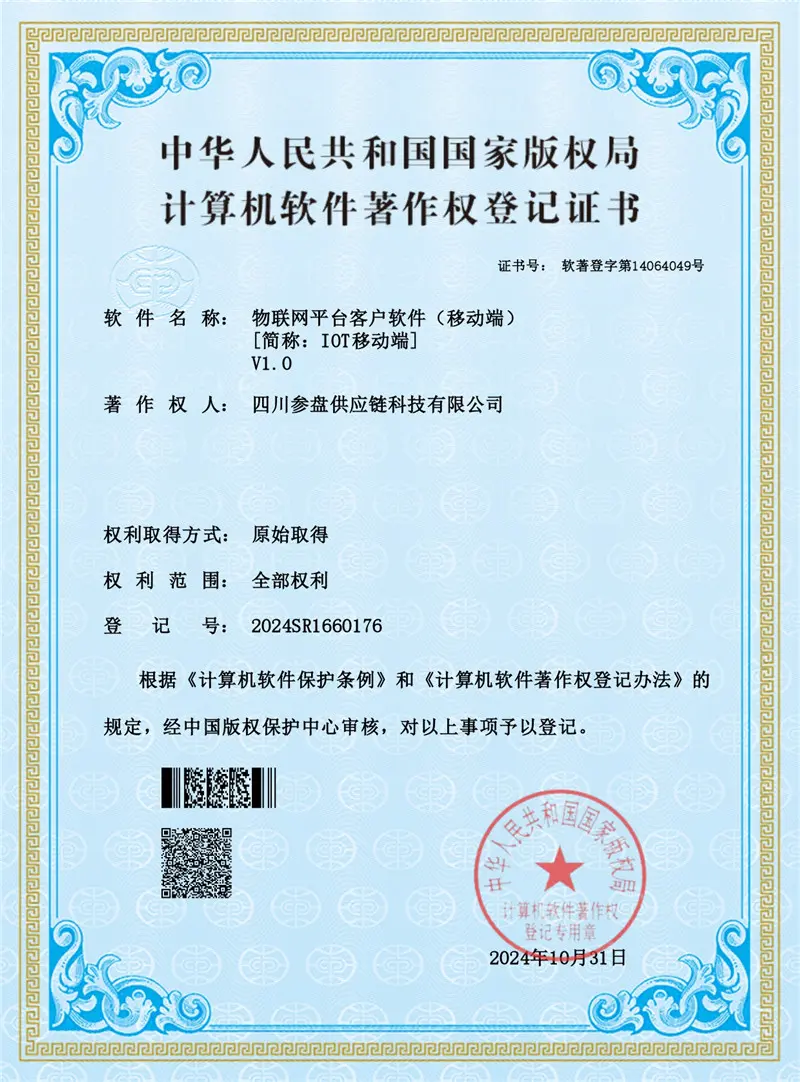
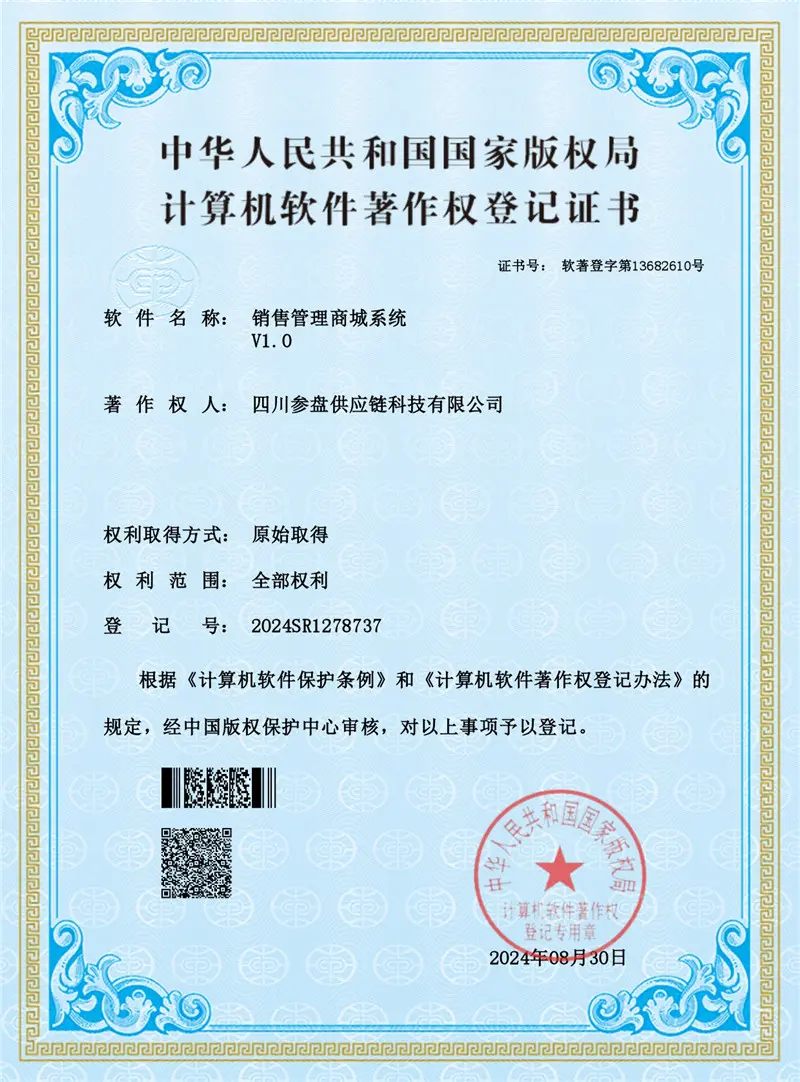
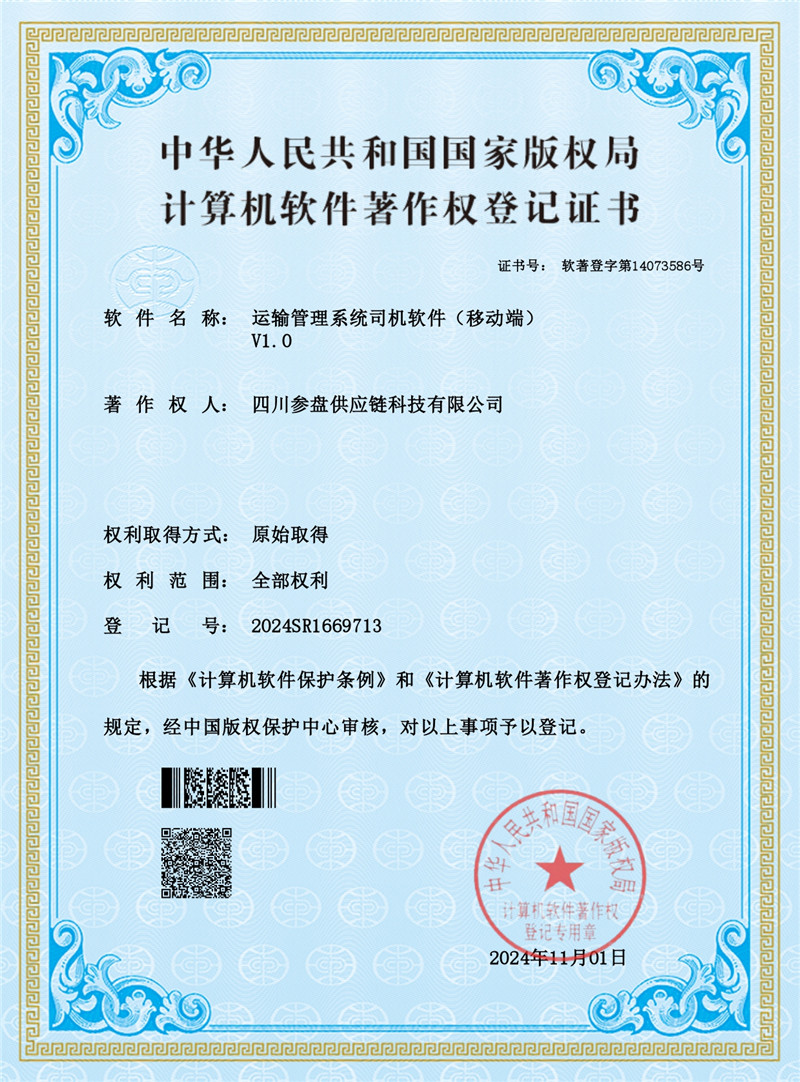
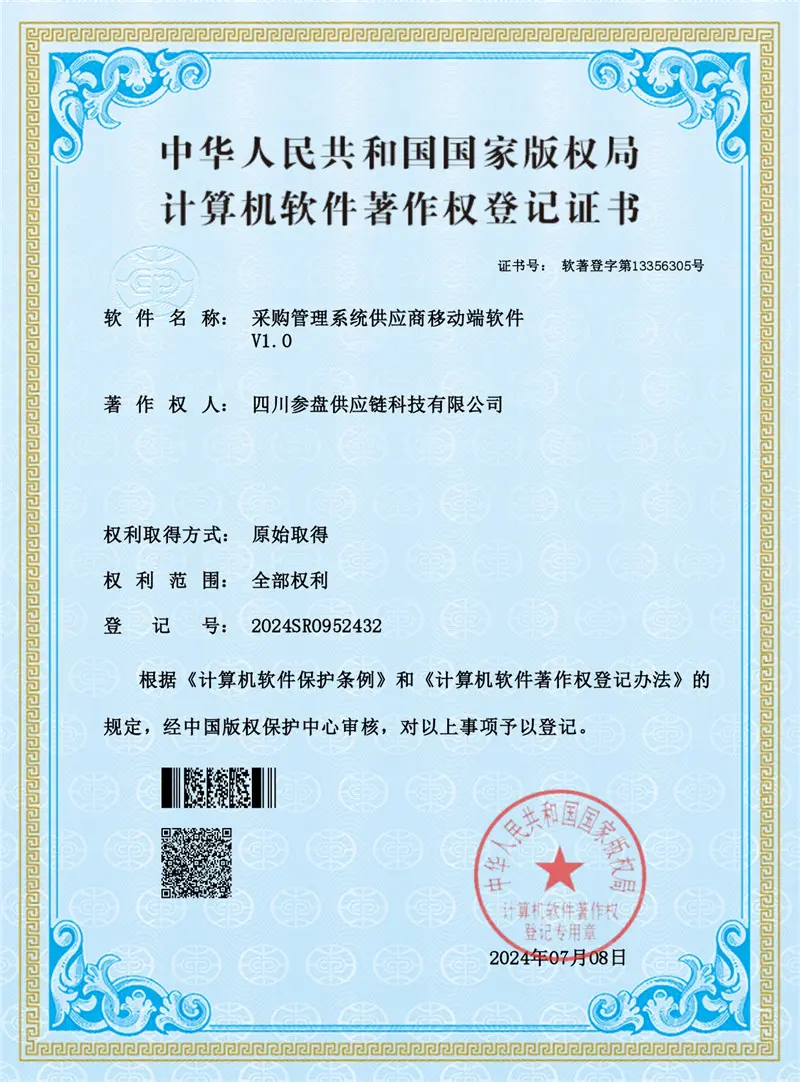
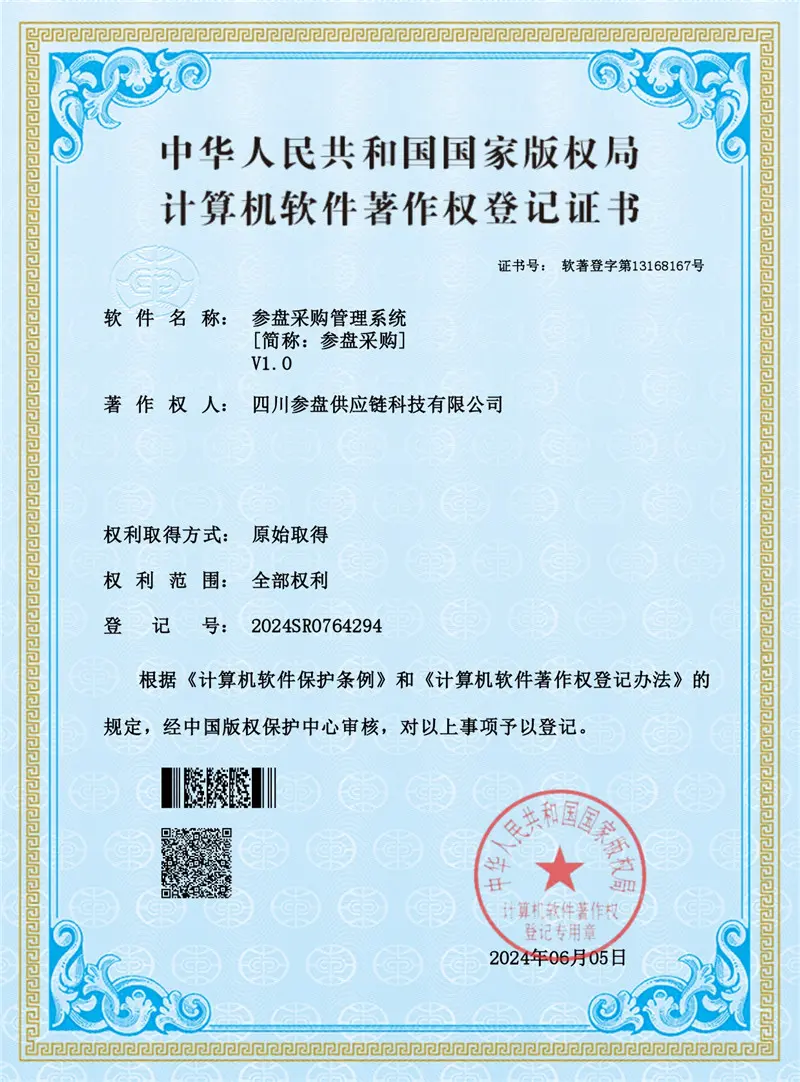
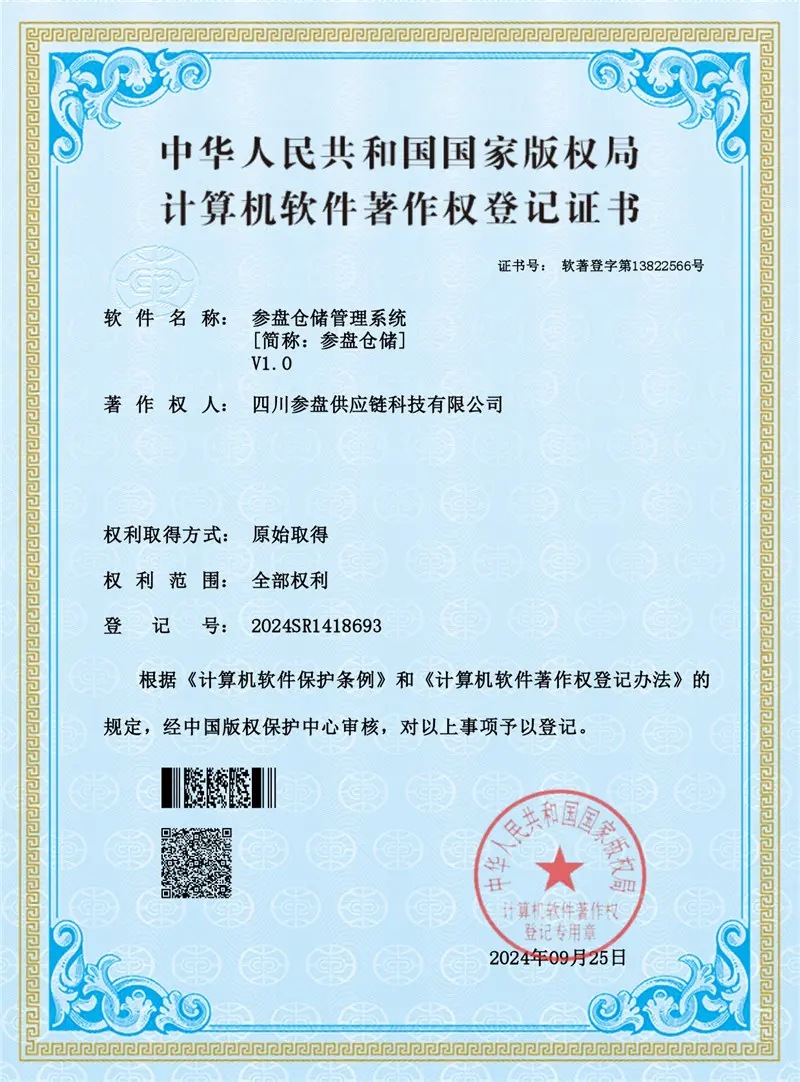
SCP focuses on providing comprehensive solutions for the food supply chain, as well as researching and developing intelligent software and hardware. The company applies Internet of Things (IoT) technologies, AI, machine learning, and advanced robotics to help partners modernize their operations.
Through our automated, digitized, and system-level products, we help optimize workflows across procurement, inventory management, and distribution, driving long-term efficiency upgrades for upstream and downstream industries.
Get professional, authoritative answers to common inquiries about AGV Automated Guided Carts.
 SCP
SCP