As globalization continues to reshape supply chains, Robotic Material Handling Systems are gaining traction in China. According to market research, the robotic material handling market is projected to reach $20 billion by 2026. This growth is driven by the demand for automation solutions that enhance efficiency and reduce labor costs. Chinese manufacturers are leading this evolution, offering innovative systems that meet global standards.
The integration of robotic systems into logistics has shown significant advantages. For instance, warehouses utilizing these systems report a 30% increase in operational efficiency. Moreover, companies benefit from precise inventory management and reduced errors. However, challenges remain. Some small to medium-sized enterprises struggle to adopt these advanced technologies due to high capital costs and limited technical expertise.
Despite these hurdles, the push towards automation is undeniable. Global buyers look to China for reliable, cutting-edge Robotic Material Handling Systems. Understanding this dynamic landscape will be crucial for companies aiming to leverage robotic automation effectively. As industry standards evolve, ongoing adaptation and investment in technology will be essential for sustained growth and competitiveness.
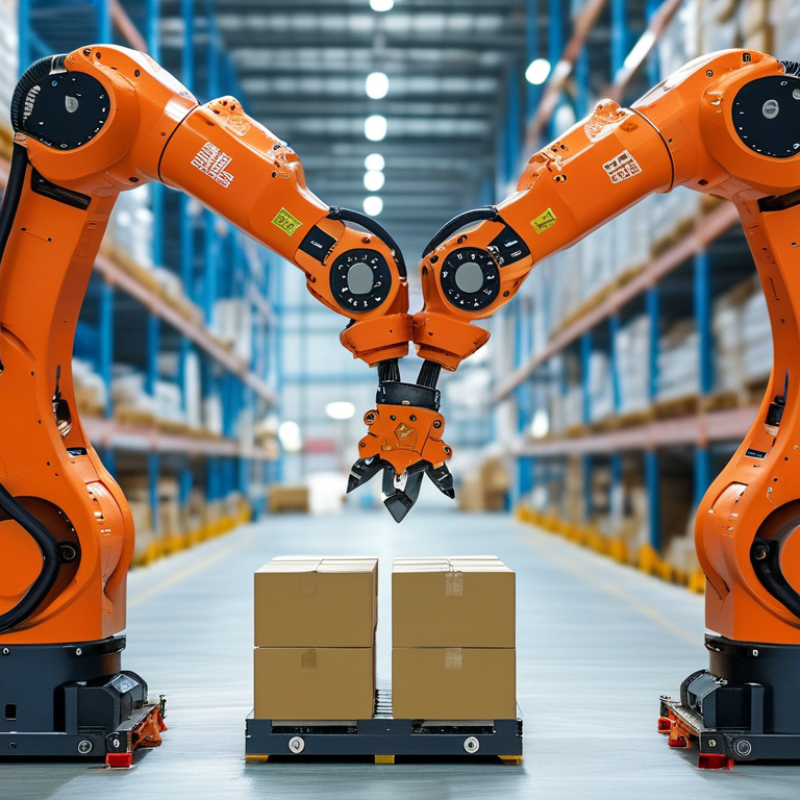
The market for robotic material handling systems in China is undergoing significant transformation. By 2024, it is projected to reach USD 9.95 billion, with a CAGR of 16.3% from 2019 to 2024. This growth reflects the escalating demand for automation in logistics and warehousing sectors.
Shifts in operational needs have prompted companies to adopt advanced robotic solutions. By 2022, over 40% of manufacturing firms in China reported using some form of robotic handling technology. However, challenges remain. Integration with existing systems can be complicated, and small to medium enterprises often face budget constraints.
As organizations strive for efficiency, insights from recent surveys indicate that about 30% of companies prioritize training for their workforce in robotics. This focus on upskilling highlights the need for not just technological investment but also human capital investment. In navigating these changes, businesses must address both the potential and the hurdles encountered in adopting robotic material handling systems.
China's robotic material handling industry is a rapidly evolving landscape. Various companies are integrating advanced technologies into their systems. These innovations are reshaping supply chains and logistics. For instance, some players focus on AI-powered robots that enhance efficiency. They offer solutions that promise faster processing times and improved accuracy. Automation is becoming a standard in warehouses across the nation.
However, challenges persist in the industry. Many companies struggle to adapt their existing infrastructure to new technologies. Resistance to change can slow down the adoption of robotic systems. Additionally, the cost of integration remains high for small to medium enterprises. Some firms provide training programs to bridge this gap, ensuring that employees can work alongside robots effectively. Engaging with these innovations often requires a cultural shift within organizations.
China's growth in robotic material handling reveals a complex picture. While the market is ripe with opportunities, not all companies can capitalize on them. Continuous learning and adaptation are essential for success. As companies innovate, they must also address the shortcomings in their approaches. Balancing technology with human oversight remains a critical consideration in this dynamic field.
China is rapidly advancing in robotic material handling systems. This growth is fueled by key technologies transforming logistics and manufacturing. According to a recent industry report, the market for robotic material handling in China is estimated to reach $8 billion by 2025, with an annual growth rate of around 15%.
Artificial intelligence plays a pivotal role in enhancing efficiency. Machine learning algorithms allow robots to adapt and learn from their environment, optimizing their tasks over time. Data from the International Federation of Robotics shows that AI-enabled systems significantly reduce operational costs and improve throughput. However, implementing these technologies comes with challenges, like the need for skilled workers.
Automation is another driving force. Systems integrate automated guided vehicles (AGVs) and robotic arms to streamline operations. However, companies often face difficulties in upgrading existing infrastructure. Many businesses struggle with the initial investment costs, making it crucial to conduct thorough cost-benefit analyses before upgrading.
Investing in training can also yield positive results. Employees need to understand new technologies to maximize their potential. Understanding the technology is key to minimizing resistance to change and unlocking full capabilities.
China's robotic material handling systems are growing rapidly. The market size is expected to expand significantly over the next few years. Emerging technologies and increasing investments drive this growth. Factories and warehouses adopt these systems to enhance efficiency. Businesses worldwide should find opportunities to collaborate with Chinese manufacturers.
The demand for automation is paramount. Companies look for solutions that reduce labor costs and minimize errors. The rise of e-commerce also propels this shift. More businesses seek to automate their logistics and supply chain processes. With advancements in AI and machine learning, robotic handling systems become smarter and more capable.
Consider your long-term needs when assessing robotic solutions. Understand the specific challenges your operations face. Investing in robotics is not just about immediate savings; it’s about future growth. Ensure that potential partners align with your business goals. Keep an eye on sustainability practices, too. Focus on innovations that support environmentally friendly operations.
The Chinese robotics market presents both challenges and opportunities for global buyers. China is the world's largest manufacturer of industrial robots, with a projected market size reaching $8 billion by 2025, according to a report by International Data Corporation. The rapid growth of sectors such as e-commerce and automotive manufacturing drives this demand. However, navigating the complexities of this market requires expertise.
One significant challenge lies in understanding the evolving landscape of regulations. Global buyers may find it difficult to comply with different standards. There's also a cultural barrier that can complicate negotiations. Language differences may lead to misunderstandings. Additionally, while Chinese robots are often cost-effective, quality may vary widely. Buyers need to conduct thorough due diligence to avoid potential pitfalls.
Despite these challenges, the opportunity for innovation is immense. Investing in Chinese robotics can provide access to cutting-edge technology. The integration of artificial intelligence and machine learning in material handling systems is noteworthy. Reports suggest that these technologies could increase operational efficiency by up to 30%. Global buyers who can strategically engage with local suppliers may find significant long-term benefits.
| System Type | Application | Load Capacity (kg) | Key Feature | Market Challenge | Opportunity |
|---|---|---|---|---|---|
| Automated Guided Vehicle (AGV) | Warehouse Logistics | 1000 | Navigation Technology | High Initial Investment | Growing Demand in E-Commerce |
| Industrial Robot Arm | Manufacturing | 300 | Precision Motion | Skill Gap in Workforce | Rise in Labor Costs |
| Robot Sorting Systems | Package Delivery | Varied | AI Integration | Integration Issues | Market Expansion in Logistics |
| Collaborative Robots (Cobots) | Assembly Lines | 5-50 | Safety Features | Safety Regulations | Increased Automation Demand |
: The market is projected to reach USD 9.95 billion by 2024.
Over 40% of manufacturing firms reported using robotic handling technology.
Integration with existing systems can be complicated.
About 30% of companies prioritize training to enhance workforce skills in robotics.
AI enhances efficiency by allowing robots to adapt and optimize tasks over time.
High initial investment costs can deter small to medium enterprises.
They must understand evolving regulations and the quality variations in products.
Automation integrates systems like AGVs and robotic arms for smoother processes.
Access to cutting-edge technology can boost operational efficiency significantly.
Language differences may lead to misunderstandings during negotiations.
The article provides a comprehensive overview of the landscape of Robotic Material Handling Systems in China, focusing on current market trends and projections for growth. It highlights the major players in the industry, discussing their innovative approaches and contributions to the sector. The technological advancements that are propelling these systems into the forefront of material handling are also examined, showcasing how they enhance efficiency and productivity.
Additionally, the article addresses the market size and growth expectations for Robotic Material Handling Systems in China, alongside the unique challenges and opportunities that global buyers may encounter when navigating this dynamic market. This insight aims to equip potential investors with the knowledge needed to make informed decisions in a rapidly evolving industry.

SCP