How to Implement an AGV Control System for Efficient Operations?

Time:2026-08-21 Author:Isabella
0%

In recent years, the implementation of AGV Control Systems has transformed operational efficiency across industries. According to a recent report by MarketsandMarkets, the AGV market is projected to reach $6.8 billion by 2025, growing at a compound annual growth rate of 14.7%. This growth highlights the escalating importance of navigating automation in logistics and manufacturing.

Dr. Emily Chen, a leading expert in automated systems, emphasizes the impact of innovative AGV solutions. She states, "Integrating an AGV Control System can significantly enhance productivity while reducing operational costs." Her insights reflect the tangible benefits businesses can tout when embracing such technology. However, challenges remain in ensuring seamless integration with existing systems and workforce adaptation.

As companies adopt AGV Control Systems, careful planning is essential. A poorly executed implementation can lead to disruptions and inefficiencies. Embracing automation should not be a one-size-fits-all solution. Each operation requires a tailored approach. Therefore, evaluating specific needs is crucial before making the leap into automation.
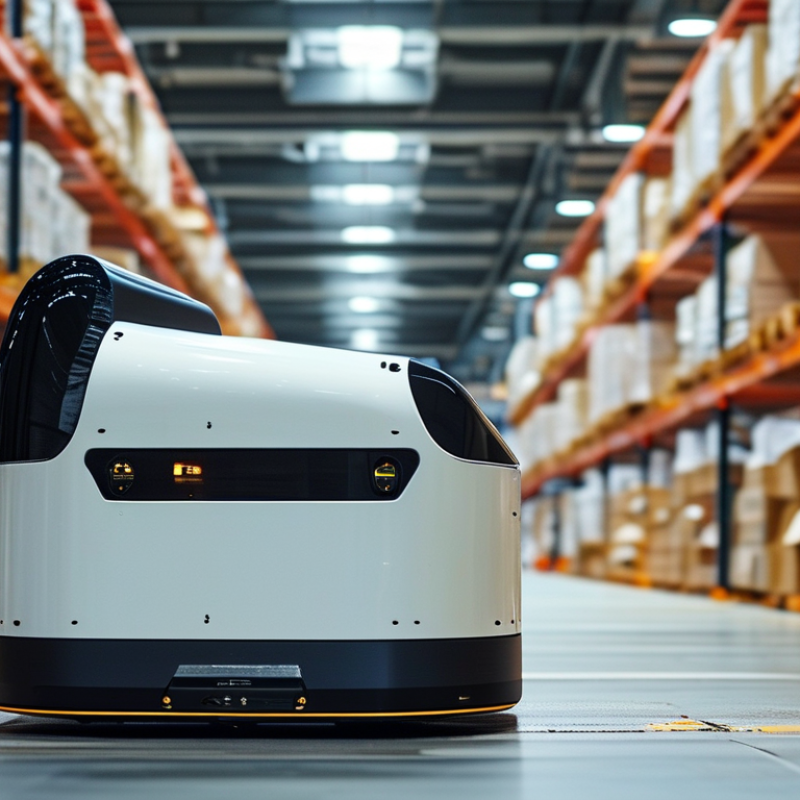
How to Implement an AGV Control System for Efficient Operations?

Understanding AGV Control Systems: An Overview

Automated Guided Vehicles (AGVs) are revolutionizing the logistics industry. Understanding their control systems is key for efficiency. An AGV control system manages the movement and navigation of these vehicles. This system utilizes sensors, cameras, and software algorithms to ensure seamless operation in complex environments.

Key components include navigation, communication, and safety protocols. Navigation often employs laser triangulation or magnetic strips to guide the AGVs. Communication is essential for real-time updates, ensuring vehicles can adjust to changing conditions. Moreover, safety is paramount; AGVs must be equipped with emergency stops and collision avoidance systems.

While implementing an AGV control system, challenges arise. Integration with existing infrastructure may not be straightforward. Companies might face unexpected downtime during installation. Regular maintenance of the control system is essential to avoid performance issues. Addressing these imperfections can lead to a more robust and efficient AGV operation, ultimately enhancing productivity in logistics.

Key Components of an AGV Control System

An Automated Guided Vehicle (AGV) control system requires several key components for optimal performance. At its core, a centralized control unit manages vehicle routing and operations. This system should seamlessly integrate with existing warehouse management software. The ability to communicate in real-time is essential. AGVs must receive instant updates to avoid collisions and improve efficiency.

Sensors play a critical role in AGV systems. They help vehicles navigate their environment, detect obstacles, and ensure safety. Different types of sensors, such as LIDAR and infrared, can enhance navigation accuracy. However, having too many sensors can lead to data overload. This can create confusion in decision-making processes. Balancing sensor inputs is crucial for effective operation.

Lastly, a robust fleet management software is necessary. It monitors vehicle performance, schedules maintenance, and analyzes data. This software can identify recurring issues, providing insights for future improvements. Nevertheless, implementation can be challenging. Teams may need training to adapt. A flexible approach to system design allows for adjustments based on real-world experiences. This adaptability is vital for long-term success.

Step-by-Step Implementation Process for AGV Systems

Implementing an Automated Guided Vehicle (AGV) control system is crucial for optimizing operations in various industries. The first step involves assessing the facility layout. Understanding the layout helps in planning the AGV routes effectively. Each path must be strategically calculated to avoid bottlenecks. Some facilities may require multiple routes, which can complicate the planning process. Drawing detailed maps of the facility can help visualize potential challenges.

Next, selecting the right type of AGV is essential. Different applications demand specific features. Some AGVs are designed for transporting heavy materials, while others excel in navigating tight spaces. It’s important to involve your team in this selection process. Gathering input from operators can reveal important insights. This involvement can lead to better integration and acceptance of the new system.

Finally, conducting a pilot program can expose areas needing improvement. Real-world tests often reveal pitfalls not initially considered. Gathering data during these tests provides valuable insights for adjustments. It’s essential to maintain open communication with all stakeholders. Discussing findings promotes collaboration and ensures successful full-scale implementation. AGV systems can enhance operational efficiency, but a thoughtful, iterative approach is key.

Operation Efficiency of Automated Guided Vehicles (AGVs)

Challenges in Implementing AGV Control Systems and Solutions

Implementing an Automated Guided Vehicle (AGV) control system is not without challenges. One major issue is the integration with existing warehouse management systems. Often, these systems are outdated or incompatible, leading to delays and increased costs. Frequent system updates and staff training can cause disruption in operations. This needs careful planning to minimize downtime.

Another significant challenge is navigation efficiency. AGVs must navigate complex environments with obstacles. Poorly designed pathways can lead to frequent accidents. Adjusting routes and improving sensors requires both time and investment. Many organizations underestimate these adaptation processes. Regular feedback from operators is crucial.

Technical support is another critical aspect. Having in-house expertise on AGV technology can streamline troubleshooting. Many companies rely heavily on external support, which can slow response times. Ensuring team members are knowledgeable can prevent operational hiccups. Regular training sessions can enhance their skills and confidence. Emphasizing continuous improvement can lead to more reliable AGV operations over time.

How to Implement an AGV Control System for Efficient Operations? - Challenges in Implementing AGV Control Systems and Solutions

Challenge Description Solution
Integration with Existing Systems Difficulties in connecting new AGV systems with legacy systems. Use middleware or APIs for seamless integration.
Routing and Navigation Issues AGVs may struggle with complex warehouse layouts. Employ advanced routing algorithms and path optimization techniques.
Safety and Compliance Ensuring AGVs operate safely in shared environments. Implement safety protocols and regular training for staff.
Cost of Implementation High initial investment for AGV technology. Conduct a cost-benefit analysis and explore financing options.
Maintenance and Downtime Potential for increased maintenance needs and operational downtime. Establish a proactive maintenance schedule and support.

Evaluating Performance and Efficiency of AGV Operations

Evaluating the performance and efficiency of Automated Guided Vehicle (AGV) operations is crucial for optimizing workflow. A key metric is the average cycle time, which measures how long it takes for an AGV to complete a trip. This can reveal bottlenecks in operations that need attention. Reducing cycle time improves throughput, but it can be challenging to balance speed with safety. An analysis of unexpected delays is essential for identifying areas needing improvement.

Another important factor is the utilization rate of AGVs. High utilization indicates efficiency, but this can mask underlying issues. If AGVs are over-utilized, it may lead to wear and tear. Maintenance schedules should be monitored closely, as downtime affects overall efficiency. Operators should regularly assess whether AGVs are being overloaded or underused to ensure they meet operational goals without compromising functionality.

Data collection plays a vital role in evaluating AGV performance. Implementing sensors and software that capture real-time data on speed, path efficiency, and operational issues can be powerful. However, data interpretation requires expertise. Misinterpreting data can lead to misguided decisions, highlighting the need for skilled analysts in your team. Regular reviews of AGV performance can foster an environment of continuous improvement, promoting not only efficiency but also reliability in operations.

FAQS

: What do

GV control systems manage?

What are key components of AGV systems?

Navigation, communication, and safety protocols are essential components.

How do AGVs navigate?

They often use laser triangulation or magnetic strips for guidance.

Why is communication important in AGV systems?

It allows for real-time updates and adjustments to changing conditions.

What challenges arise when implementing AGV control systems?

Integration with existing infrastructure may cause unexpected downtime.

How can a pilot program benefit AGV implementation?

It exposes areas needing improvement through real-world tests and data collection.

What metrics evaluate AGV performance?

Average cycle time and utilization rate are key metrics for assessing efficiency.

How can over-utilization of AGVs be an issue?

It may lead to wear and tear, affecting overall efficiency.

What role does data collection play in AGV systems?

Capturing real-time data on operations is crucial for performance evaluation.

Why is it important to regularly review AGV performance?

It encourages continuous improvement and reliability in operations.

Conclusion

The article titled "How to Implement an AGV Control System for Efficient Operations?" provides a comprehensive overview of AGV (Automated Guided Vehicle) control systems, which are crucial for enhancing operational efficiency in various industries. It begins with a detailed explanation of AGV control systems, including their key components such as navigation methods, routing algorithms, and communication interfaces.

The piece then outlines a step-by-step implementation process, emphasizing the importance of proper planning and testing. It also addresses common challenges faced during the implementation, such as integration with existing systems and scalability, while offering practical solutions. Finally, the article highlights the significance of evaluating the performance and efficiency of AGV operations to ensure continuous improvement and optimization of the AGV control system.

Isabella

Isabella

Isabella is a dedicated marketing professional with a sharp focus on driving brand growth and engagement through strategic content creation. With an extensive background in digital marketing, she combines her passion for storytelling with her keen understanding of industry trends to deliver......